Your digging level
Description
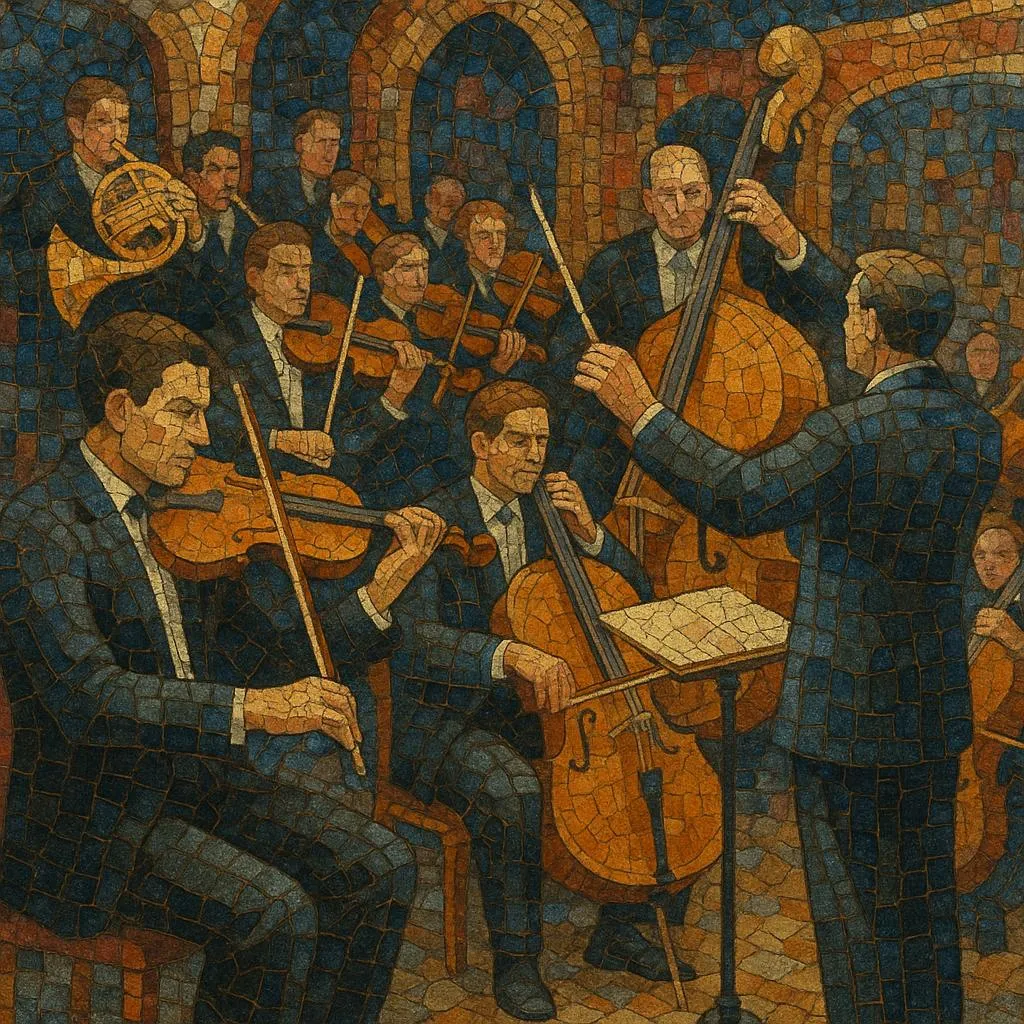
American orchestra refers to the tradition and sound-world of symphonic and concert orchestras based in the United States.
It is centered on large ensemble performance (strings, woodwinds, brass, percussion, and sometimes harp, piano/celesta, and auxiliary instruments) across the Western classical repertoire, but it is also shaped by specifically American institutional history, performance practice, commissioning culture, and repertoire preferences.
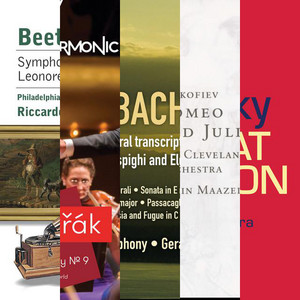
In practical listening terms, it often points to recordings and performances by U.S. orchestras and conductors, spanning Romantic symphonies, late-Romantic tone poems, 20th/21st-century concert music, and American concert works (including nationalist, modernist, and film-influenced symphonic idioms).
History
American orchestral culture consolidated in the late 19th century as major cities formed permanent, professional ensembles supported by civic institutions, patrons, and conservatory training.
Repertoire and leadership were strongly connected to European traditions, with many conductors, soloists, and pedagogues trained in—or arriving from—Europe.
During the early-to-mid 20th century, U.S. orchestras expanded their technical standards, touring activity, and recording presence.
At the same time, a distinct American concert repertoire grew through commissions and educational institutions, with composers integrating elements such as folk influence, jazz-adjacent harmony/rhythm, and modernist techniques.
After World War II, American orchestras became globally prominent through high-fidelity recordings, broadcast concerts, and festival appearances.
Hollywood scoring also fed back into concert programming and orchestration aesthetics, reinforcing a lush, high-impact symphonic sound and expanding public familiarity with orchestral timbre.
Today the American orchestra scene combines canonical European works with ongoing commissioning of contemporary music, educational outreach, and genre-crossing collaborations.
Programming often reflects both the international symphonic tradition and a growing focus on American composers, diversity of repertoire, and new concert formats.