Your digging level
Description
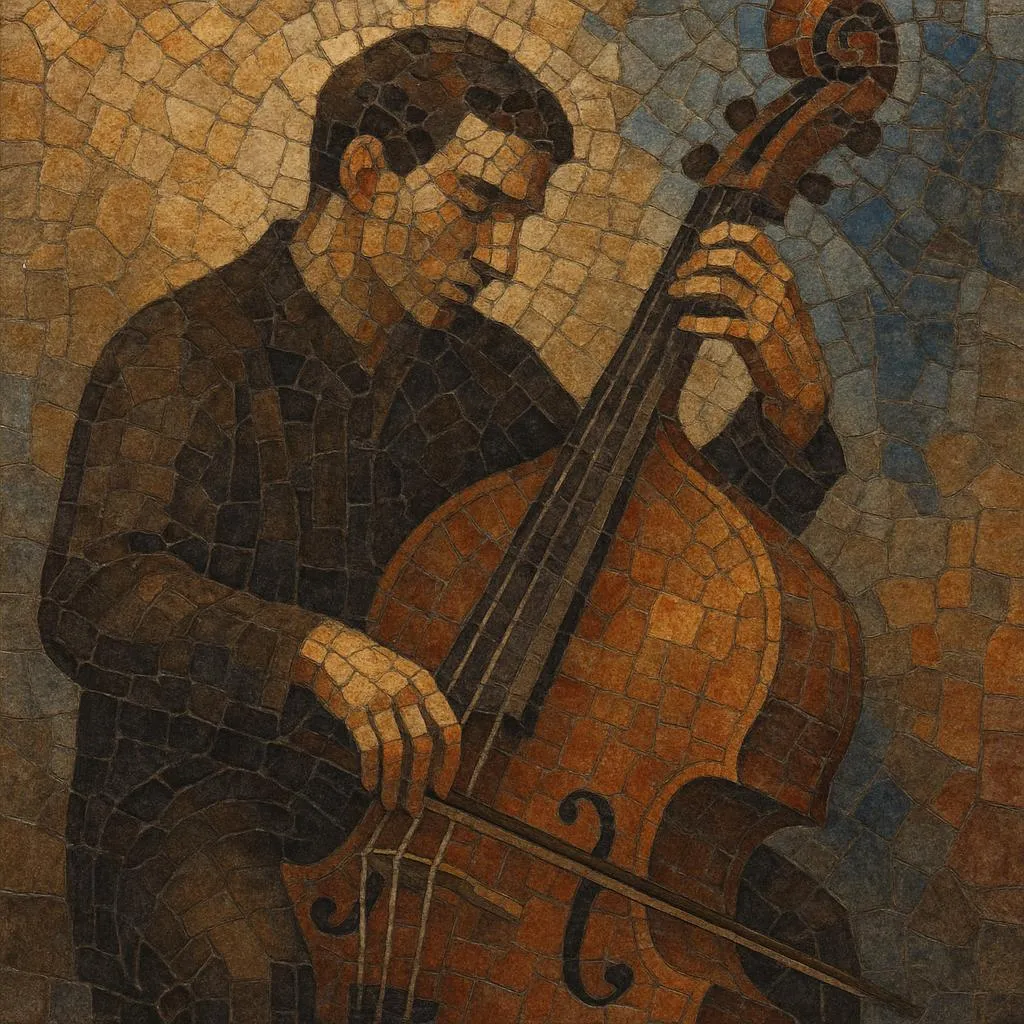
Contrabass (double bass) as a classical genre centers on music written to feature the lowest member of the violin family as a solo and chamber instrument, as well as concertante works with orchestra.
Emerging at the end of the Classical era and flowering in the Romantic period, the repertoire ranges from elegant Viennese concertos with distinctive historical tunings to virtuosic 19th‑century showpieces and 20th/21st‑century modernist and post-tonal works. The idiom exploits the instrument’s cavernous resonance, lyrical cantabile in the upper register, and a wide coloristic palette (arco, pizzicato, harmonics, sul ponticello/tasto).
Hallmarks include cantabile melodies supported by orchestral or piano textures, idiomatic passagework using positions and harmonics, and cadenzas that highlight the instrument’s surprising agility and expressive range.
History
The contrabass gained footing as a solo instrument in the Viennese Classical milieu. Composers associated with Vienna wrote concertos and divertimenti that exploited the local “Viennese tuning” (often A–F♯–D–A), which brightened resonance and facilitated arpeggiation. These works established formal templates (three-movement concertos, lyrical slow movements) and idiomatic passagework tailored to the instrument’s long string length and unique tuning.
In the 1800s, the double bass enjoyed a virtuosic flowering as traveling soloists and orchestral principals championed the instrument. Pedagogues and performers expanded technique (thumb position, advanced bow control, harmonics) and built a distinct repertoire of concertos, fantasies on operatic themes, and salon pieces. Method books and etudes standardized modern technique and conservatory training, cementing the bass as both an orchestral foundation and a viable solo voice.
The 20th century brought neoclassical sonatas, impressionistic miniatures, and avant‑garde scores that explored extended techniques (col legno, sul ponticello, microtones, unconventional scordature). In the late 20th and early 21st centuries, crossover collaborations with folk, bluegrass, and jazz idioms further diversified the language, while contemporary composers wrote concertos that leverage amplification, electronics, and expanded orchestral palettes. Today, the genre spans historically informed performance of Classical/Romantic works and innovative contemporary pieces that push the instrument’s sonic boundaries.