Genres
Artists
Albums
Make Music
Sign in
Sign in
Artists
Vocaloid
Artists
Vocaloid
Iyowa
2019–2024
·
5 albums
Listen
3
/5
Genres
Jerk
Jerk is a microgenre of hip‑hop that took shape in New York City in the early 2020s. It borrows the name and some rhythmic cues from the earlier "jerk rap"/jerkin' movement connected to West Coast street dance, but reimagines them through the aesthetics of contemporary underground rap. Sonically, jerk favors sparse, snare‑forward drum programming with very light or even absent kicks, dry percussion, and short looping motifs. The production often draws on the airy pads, glassy bells, and minimalist melodies of Plugg and PluggnB, but strips arrangements down further to leave lots of negative space for tightly phrased, talk‑like rap flows. The result is bouncy yet understated, intimate yet danceable.
Discover
Listen
Jirai Kei
Jirai kei is a recent Japanese internet-born pop micro‑genre and aesthetic that blends cute, sugary sounds with darker, obsessive and self‑destructive themes. The term comes from a fashion/aesthetic scene associated with yamikawaii and menhera culture, and in music it describes songs that sound soft and adorable on the surface but conceal lyrics about toxic love, dependency, jealousy, and emotional volatility. Sonically, jirai kei draws from J‑pop and Vocaloid traditions (denpa/picopop brightness, catchy hooks) while adopting modern hyperpop gloss, trap/EDM percussion, and highly edited, youthful vocals. The contrast between childlike, pastel timbres and intense, confessional writing is central to the style, making it both immediately hooky and emotionally sharp—an audio embodiment of “cute but dangerous.”
Discover
Listen
Kawaii Future Bass
Kawaii future bass is a Japanese-born microgenre that blends the sidechained, chord-heavy drops of future bass with the cheery melodies, cute sound design, and pop sensibilities of J-pop, anime music, and game-inspired chiptune. It typically features bright supersaw stacks, bell and mallet plucks, high-pitched vocal chops (often from Vocaloid or J-pop/utaite sources), and sugary melodies in major or Lydian modes. Drums follow a half-time trap groove with crisp snares on beat three, while heavy sidechain compression creates a buoyant, bouncy feel. The aesthetic emphasizes “kawaii” (cute) culture—pastel tones, playful samples, and whimsical ear-candy—resulting in upbeat, feel-good tracks that are as much about personality and texture as they are about harmony and rhythm.
Discover
Listen
Otacore
Otacore is a fan-driven, internet-native umbrella for music centered on anime, manga, gaming, and broader otaku culture. Rather than a single strict musical style, it describes a cluster of scenes where pop, electronic, rock, and rap intersect with anime aesthetics, story tropes, and character/fandom references. Typical otacore repertoires include Vocaloid productions, anisong-style pop/rock, high-energy EDM with kawaii sound design, nightcore-style edits, game-inspired chiptune flourishes, and cover cultures (English/Japanese) tied to anime and game franchises. Distribution and discovery are powered by platforms such as Nico Nico Douga, YouTube, SoundCloud, streaming playlists, and later TikTok, where memeability, fan videos (AMVs), and vtuber performances help songs spread globally.
Discover
Listen
Chamber Psych
Chamber psych blends the intimate, acoustic instrumentation and careful arrangements of chamber pop with the hazy textures, tape-warm production, and surreal harmonies of psychedelic pop. Expect strings, woodwinds, vibraphone, Mellotron, and harpsichord to sit alongside vintage keyboards, gently motorik drums, and fluttering tape delays. Vocals are often close‑mic’d and breathy, melodies skew wistful or otherworldly, and songs privilege mood and arrangement craft over volume. The result feels simultaneously handcrafted and dreamlike: miniature orchestras scoring psychedelic reveries.
Discover
Listen
Vocaloid
Vocaloid is a music genre and production culture centered on songs performed by synthesized singing voices, most famously the virtual singer Hatsune Miku. Producers compose and arrange tracks, then program lyrics and melodies into voicebanks to create lead vocals that sound like human singers. While the repertoire spans many styles, Vocaloid is strongly associated with Japanese pop, rock, and electronic dance music aesthetics. Songs are often released online with striking illustrated artwork and animated "PV" videos, and they are disseminated through platforms such as Nico Nico Douga and YouTube by independent creators and labels. The genre’s hallmark is the combination of catchy, hyper-bright melodies, energetic rhythm sections, and expressive vocal programming (tuning) that leverages timbral artifacts unique to synthesized voices. A vibrant fan community drives remixes, covers, live concerts with virtual avatars, and continual evolution of stylistic norms.
Discover
Listen
Glitch Pop
Glitch pop is a strain of pop music that foregrounds digital errors and micro-edits as expressive hooks, fusing the tuneful structures of mainstream pop with the textural play of experimental electronica. Producers chop, stutter, and time-stretch vocals; sprinkle in clicks, cuts, and buffer-skip artifacts; and use bit-crushing or granular resynthesis alongside bright synths and catchy choruses. Despite its love of sonic fragmentation, the genre remains song-first: verses and choruses are clearly defined, melodies are memorable, and harmonies tend to be consonant. The friction between pristine songwriting and intentionally broken sound design creates a delicate, intimate, and often melancholic shimmer that feels both futuristic and warmly human.
Discover
Listen
Doujin Music
Doujin music is the self-published, grassroots music ecosystem of Japan’s doujin (fan-made/independent) culture. It is created by individuals or small “circles” and released directly to fans, most famously at events like Comiket, M3, and Hakurei Jinja Reitaisai. Stylistically, it is genre-agnostic: you will find high-energy club styles (J-core, trance, eurobeat), cute and eccentric pop (denpa), rock/metal bands, orchestral and piano works, and an enormous number of fan arrangements of game and anime music—especially from the Touhou Project. Many releases use vocal synthesizers (Vocaloid/UTAU) or utaite singers from video platforms like Niconico Douga. Distribution is typically physical CDs and merch at events alongside digital storefronts (BOOTH, Bandcamp) and video platforms. The scene values rapid iteration, strong visual identity, and community feedback, resulting in a distinct “otaku-centric” aesthetic and a remarkably prolific catalog.
Discover
Listen
J-Pop
J-pop (Japanese pop) is a broad umbrella for mainstream Japanese popular music that blends Western pop/rock, dance, and R&B with distinctly Japanese songwriting, vocal delivery, and industry practices. It is characterized by strong hooks, polished production, bright synths and guitars, frequent key changes and modulatory bridges, and chorus-first or chorus-centric structures. J-pop spans idol groups, singer-songwriters, band-oriented pop-rock, electronic dance-pop, and R&B ballads, while remaining closely tied to television, advertising, video games, and anime tie-ins (anisong).
Discover
Listen
Breakcore
Breakcore is a high-intensity electronic music genre built around hyper-edited breakbeats, extreme dynamics, and a deliberately transgressive, collage-like approach to sampling. It prioritizes rhythmic complexity, abrupt structural shifts, and heavy sound design over smooth continuity. Typical tempos range from 160 to 220 BPM (and beyond), with the Amen break, Think break, and other classic breakbeats chopped into micro-fragments, re-sequenced, and processed with distortion, compression, and glitch edits. The palette freely fuses elements from jungle and drum and bass with gabber kicks, industrial noise, classical or choral snippets, ragga vocals, metal guitar samples, and odd-meter patterns. More than a single “sound,” breakcore is a methodology: confrontational energy, maximalist editing, and anti-formalist structures that often subvert dance-music expectations. It thrives in DIY scenes, warehouse parties, and netlabel cultures, where forward-pushing experimentation and boundary-blurring sampling are central values.
Discover
Listen
Show all 10 genres
Albums
2024
3
/5
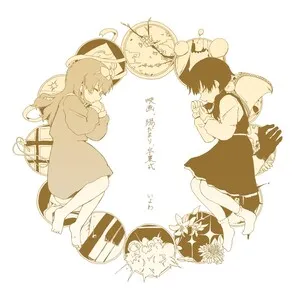
Films, Sunny Spots, Graduations 映画、陽だまり、卒業式
iyowa いよわ
Doujin Music
J-Pop
Vocaloid
2021
3
/5
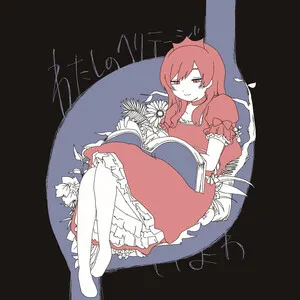
Watashi no Heritage わたしのヘリテージ
iyowa いよわ
Doujin Music
Glitch Pop
J-Pop
2021
4
/5
kyu-kurarin
Iyowa
Vocaloid
2021
2
/5
kyu-kurarin
Iyowa
Vocaloid
2019
3
/5
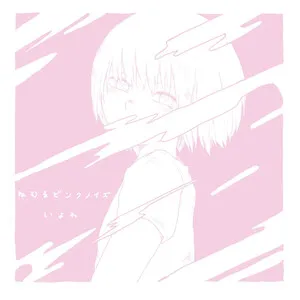
Sleeping Pink Noise ねむるピンクノイズ
iyowa いよわ
Doujin Music
Glitch Pop
J-Pop
Similar artists
3
/5
Siinamota
Vocaloid
Electronic
J-Pop
4
/5
Camellia
Denpa-Kei
Electronic
J-Core
1
/5
Various Artists
Afro-Funk
Alternative Rock
Ambient
3
/5
稲葉曇
J-Pop
Vocaloid
Yakousei
2
/5
ELECTROCUTICA
Vocaloid
Doujin Music
Indietronica
2
/5
Lemm
Art Pop
Vocaloid
Doujin Music
3
/5
Hakushi Hasegawa
J-Indie
Art Pop
Breakcore
4
/5
Ado
Vocaloid
J-Pop
J-Rock
4
/5
DECO*27
J-Pixie
Vocaloid
J-Pop
4
/5
Eve
Yakousei
J-Pop
Utaite
Download our mobile app
Get the Melodigging app and start digging for new genres on the go
Download on the App Store
Get it on Google Play
© 2026 Melodigging
Give feedback
Legal
Melodding was created as a tribute to
Every Noise at Once
, which inspired us to help curious minds keep digging into music's ever-evolving genres.