Genres
Artists
Albums
Make Music
Sign in
Sign in
Artists
Vgm Remix
Artists
Vgm Remix
Hyper Potions
2017–2026
·
3 albums
Listen
3
/5
Genres
Kawaii Future Bass
Kawaii future bass is a Japanese-born microgenre that blends the sidechained, chord-heavy drops of future bass with the cheery melodies, cute sound design, and pop sensibilities of J-pop, anime music, and game-inspired chiptune. It typically features bright supersaw stacks, bell and mallet plucks, high-pitched vocal chops (often from Vocaloid or J-pop/utaite sources), and sugary melodies in major or Lydian modes. Drums follow a half-time trap groove with crisp snares on beat three, while heavy sidechain compression creates a buoyant, bouncy feel. The aesthetic emphasizes “kawaii” (cute) culture—pastel tones, playful samples, and whimsical ear-candy—resulting in upbeat, feel-good tracks that are as much about personality and texture as they are about harmony and rhythm.
Discover
Listen
Speedrun
Speedrun is a gaming-adjacent EDM microgenre designed for adrenaline, focus, and momentum. It blends hyper-energetic drops with catchy, game-like melodies and rapid switch‑ups that mirror the pace and tension of timed gameplay. Typically sitting between 140–175+ BPM, the style pivots between half‑time dubstep weight, electro/complextro riffing, glitchy fills, and drum & bass acceleration. Producers favor bright, synthetic leads (often with chiptune flourishes), tightly sidechained supersaws, and animated bass design that stays clean and punchy for streaming. The mood is triumphant, high‑octane, and “level‑up” cinematic—made to keep speedrunners and viewers locked in.
Discover
Listen
Digital Horror
Digital horror is a contemporary horror aesthetic that focuses on dread emerging from networked technologies, software, and always‑on media. Narratives and sound worlds revolve around screens, social platforms, livestreams, malware, deepfakes, and the uncanny presence of algorithmic systems. In music and sound design, the style translates this fear of the digital into glitching textures, corrupted audio artifacts, synthetic drones, and the weaponization of familiar interface sounds (alerts, keyboards, notification pings). It often blends dark ambient, industrial noise, and hauntological sampling to suggest threats that live inside code, clouds, and data centers—consistent with the wider definition that emphasizes anxiety and supernatural menace arising from the Internet and modern media.
Discover
Listen
Future Bass
Future bass is a melodic, drop-focused style of electronic dance music built around lush, detuned saw-tooth chords, dramatic swells, and emotive, pop- and R&B-leaning progressions. It typically runs at 70–90 BPM (or 140–180 BPM in double-time), uses trap-inspired drums (808 kicks, crisp snares on the third beat, syncopated hi-hats), and features heavy sidechain compression for a breathing, "pumping" feel. Producers often layer shimmering supersaws, pitch-automated leads, and chopped/pitched vocal snippets to create euphoric, weightless drops that contrast with airy verses and cinematic builds. A hallmark is its glossy, future-leaning sound design—gliding chords, LFO modulation, wide stereo images—paired with catchy, sentimental melodies that make it equally club-ready and radio-friendly.
Discover
Listen
Game Mood
Game mood is a contemporary, internet-native style that blends chill, loop-friendly electronic production with the melodic signifiers of video game music. It is crafted to sit comfortably behind gameplay, streaming, studying, or casual listening. The palette typically includes soft synth pads, gentle sidechained chords, arpeggiated leads, and light, clicky drum programming. Subtle chiptune timbres, sparkling bell or mallet tones, retro console textures, and synthwave-adjacent pads are common, while arrangements avoid intrusive vocals and sharp transients so the music remains non-distracting. Tempos are usually mid-slow (often 70–100 BPM or 120–140 BPM in half-time), harmonies are diatonic and consonant, and tracks are structured in seamless loops or gradual layer builds. The overall feel is soothing, nostalgic, and lightly propulsive—ideal for maintaining focus while preserving a sense of playful immersion.
Discover
Listen
Gamecore
Gamecore is an internet-native electronic microgenre that fuses the timbres, melodies, and narrative tropes of classic and modern video game music with contemporary EDM songcraft. Its palette leans heavily on chiptune waveforms (square, triangle, noise), retro console/arcade sound effects, and leitmotif-style hooks, but frames them within club-forward rhythms and sound design drawn from electro house, future bass, glitch hop, dubstep, and drum & bass. The result is a bright, kinetic, and often nostalgic sound that feels like a “boss battle” drop or a euphoric level clear. Scenes and labels tied to VGM remix culture, doujin circles, and demoscene aesthetics helped codify the style, while streamers, esports content, and indie game culture amplified its reach.
Discover
Listen
Gaming Edm
Gaming EDM is a bright, hook‑driven branch of electronic dance music tailored for online gaming, streaming, and creator culture. It blends festival‑ready drops and sidechained supersaws with melodic, video‑game–friendly timbres (arpeggiated leads, chip/8‑bit flourishes) and clean royalty-friendly production that sits well under voice chat or commentary. The songs are typically concise, high‑energy, and instantly catchy, engineered to loop well on streams and to sync to highlight reels and esports content.
Discover
Listen
Kawaii Edm
Kawaii EDM is a Japanese-born microgenre of electronic dance music that blends bright, "cute" pop aesthetics with modern club production. It emphasizes sparkling timbres, buoyant melodies, and animated sound design (glissando "chirps," toy-like mallets, chip-bleeps, and airy vocal chops) while keeping EDM’s sidechained punch and dance-floor momentum. Stylistically, it sits at the intersection of J‑pop songwriting and future-bass/EDM frameworks: major or Lydian-leaning harmonies, jazzy 7ths/9ths, catchy hooks, and half‑time drops with supersaw stacks or bell/pluck arpeggios. Visually and culturally, it is inseparable from anime, doujin/otaku culture, and internet netlabel communities, pairing sugar‑rush optimism with a polished, hyper-detailed mix.
Discover
Listen
Glitch Hop Edm
Glitch hop EDM is a bass-heavy, midtempo offshoot of glitch and hip-hop that adopts the large-scale sound design, drops, and festival-ready structures of contemporary EDM. It typically runs around 90–115 BPM with a swung or syncopated hip-hop groove, while employing stutter edits, tape stops, bitcrushing, buffer repeats, granular chops, and intricate automation to create the characteristic "glitched" feel. Tracks often feature thick, modulated basslines; punchy, off-kilter drums; chopped vocals and foley; and harmonies that borrow from jazz, funk, and soul, all arranged in EDM-style buildups and drops.
Discover
Listen
Pixel
Pixel is an internet-born microgenre that blends chiptune’s 8‑ and 16‑bit timbres with glossy, high‑energy electropop and hyperpop production. You’ll hear pulse‑width‑modulated square leads, triangle basses, noise‑channel snares, rapid arpeggios that imply chords, and lots of game‑console sound design (NES/SNES/Genesis palettes). Melodies are bright and hooky, arrangements are tightly quantized and often very fast, and sound design leans “cute,” cartoonish, and ultra‑synthetic. Producers frequently add modern touches—side‑chain pumping, OTT compression, hard clip/bit‑crush distortion, and pitched/Auto‑Tuned vocals—so the result feels at once retro and contemporary. Aesthetically it signals retro‑gaming and net culture: UI bleeps, item‑pickup stingers, and level‑up flourishes sit alongside maximal, sugary pop writing. Typical tempos range from 120–170 BPM, with common detours into double‑time or halftime drops.
Discover
Listen
Briddim
Briddim is a hybrid strain of bass music that fuses the lurching, loop-driven minimalism of riddim with the high-impact, sound-design-forward aggression of brostep. It typically runs at 140–150 BPM in half-time, placing a punchy snare on beat three and driving the groove with syncopated bass stabs and call‑and‑response motifs. Compared to classic riddim, briddim foregrounds complex, highly modulated bass patches, sharp fills, and cinematic builds borrowed from brostep and tearout. The drops tend to be heavier and more varied than traditional riddim, yet remain more pattern‑centric and hypnotic than typical brostep, hence the “bridge” quality implied by the name.
Discover
Listen
Digital Fusion
Digital fusion blends the hardware‑limited timbres of Chiptune and Bit Music with the harmonic language and arranging scope of jazz fusion, cinematic/classical writing, progressive music, and contemporary electronic production. Producers often start with authentic chip palettes (NES, Game Boy, YM2612/Genesis, or tracker/sample-based 8/16‑bit sets), then write harmonically rich progressions, orchestrate with layered synths and sample libraries, and sometimes add live performers (saxophone, guitar, bass, drums, strings). The result feels both retro and forward‑looking: agile, rhythmically intricate, melodically ear‑catchy, and frequently “filmic” in scope. Compared with straight Chiptune, digital fusion leans harder into jazz harmony, odd meters, and cinematic development; compared with jazztronica, it keeps a stronger attachment to console/arcade sound design and tracker‑style articulation.
Discover
Listen
Bubblegum Bass
Bubblegum bass is a hyper-sweet, high-gloss strain of experimental pop that exaggerates mainstream chart tropes until they feel surreal. It blends candy-coated melodies, plastic synth timbres, and pitch-shifted vocals with club-ready drums and maximalist sound design. Emerging around the London-based PC Music collective, the style often juxtaposes childlike hooks with abrasive textures, sudden drops, and tongue-in-cheek, consumerist imagery. The production is meticulous and synthetic—supersaws, metallic hits, hard sidechaining, and formant-shifted toplines—yet it retains an earworm pop sensibility. The result is music that feels both satirical and sincere: an ecstatic, futuristic twist on electropop and dance-pop that helped set the stage for the wider hyperpop movement.
Discover
Listen
Bytebeat
Bytebeat is a minimalist form of algorithmic music in which very short computer programs (often a single arithmetic expression) generate raw PCM audio directly. It typically uses 8-bit integer math and a running time counter t to produce harsh, glitchy, melody-like patterns, rhythms, and textures through bitwise operations, shifts, modular arithmetic, and simple integer multiplications. The aesthetic sits between chiptune timbres and noise art: crunchy aliasing, stepping waveforms, and emergent structure arise from extremely compact code. First popularized online in 2011, bytebeat is as much a programming puzzle as it is a musical style, celebrated for revealing how complex musical behaviors can emerge from ultra-simple rules.
Discover
Listen
Diy Emo
DIY emo is a grassroots, home-recorded and community-driven branch of contemporary emo that blends twinkly Midwest-emo guitar work, confessional lyricism, and pop-punk urgency with a distinctly lo‑fi, self-produced aesthetic. It foregrounds the ethics of the do‑it‑yourself underground: basement shows, tape or Bandcamp releases, collective touring, and a preference for intimacy over polish. Sonically, it leans on clean, chiming guitars, melodic basslines, dynamic drumming, and unvarnished vocals that veer from soft-spoken to cathartic sing-alongs. Rather than chasing radio gloss, DIY emo embraces rawness and vulnerability—often capturing the feel of a crowded living room show—while channeling themes of friendship, mental health, hometowns, and the bittersweet transitions of early adulthood.
Discover
Listen
Dreamgaze
Dreamgaze is a contemporary, internet-era blend of shoegaze and dream pop that emphasizes hazy guitar textures, soft vocals, and a nostalgic, romantic atmosphere. The style favors slow-to-mid tempos, chorus- and reverb-drenched guitars, gauzy synth pads, and pillow-soft drum programming or lightly compressed live drums. Vocals tend to be breathy and mixed as part of the texture rather than as a dominant lead, with lyrics that evoke memory, distance, and intimate, cinematic imagery. Production leans toward lush ambience and gentle saturation—think washed-out delays, shimmering modulations, side-chained pads, and layers of stereo width—creating a weightless, dreamlike sound field.
Discover
Listen
Pov: Indie
"pov: indie" is a social-media-native microstyle built around short, cinematic indie-pop/indie-rock snippets designed to accompany a first-person (POV) narrative. Instead of being defined by a single new musical technique, it is defined by context: the music is chosen or written to feel like the soundtrack to a specific moment (a crush, a late-night walk, moving to a new city, seasonal nostalgia). Sonically it typically uses bright but soft guitars or synths, intimate vocals, simple memorable hooks, and production that reads clearly on phone speakers. The emotional tone is often wistful, tender, and “coming-of-age,” with lyrics that can be understood quickly in a 10–30 second clip.
Discover
Listen
Vgm Remix
VGM remix (Video Game Music remix) is a community-driven style that reimagines melodies and motifs from video game soundtracks in contemporary production idioms such as EDM, house, lo-fi hip hop, trap, future bass, synthwave, jazz-fusion, and metal. Rather than simple covers, VGM remixes typically transform the original themes through new rhythmic frameworks, updated harmony, modern sound design, and club- or stream-ready mixing. The result keeps the instantly memorable hooks of game music while placing them in fresh, genre-blending contexts for dancefloors, livestreams, and everyday listening. The style thrives online: labels, creator collectives, and YouTube/SoundCloud/Bandcamp channels publish both licensed arrangements and transformative fan remixes, helping VGM cross over from nostalgia to an evergreen, global remix culture.
Discover
Listen
Dubstep
Dubstep is a bass‑centric electronic dance music genre that emerged in South London in the early 2000s. It is typically around 140 BPM and is defined by a half‑time rhythmic feel, sub‑heavy basslines, sparse yet impactful drums, and a strong emphasis on space, tension, and sound system weight. Hallmark traits include syncopated kick patterns, snares on the third beat of the bar, swung/shuffly hi‑hats inherited from UK garage, and modulated low‑frequency bass (“wobbles”) shaped with LFOs, filters, and distortion. Influences from dub reggae (echo, delay, and minimalism), jungle/drum & bass (bass science and sound system culture), and 2‑step garage (rhythmic swing and shuffles) are central. The style ranges from deep, meditative “dub” aesthetics (often called deep dubstep) to more aggressive, midrange‑driven variants that later informed brostep and festival bass. Atmosphere, negative space, and subwoofer translation are as important as melody or harmony.
Discover
Listen
Chiptune
Chiptune (also called chip music or 8-bit music) is a style of electronic music created with, or emulating, the programmable sound generator (PSG) and FM chips found in vintage game consoles and home computers such as the NES/Famicom, Game Boy, Commodore 64 (SID), Amiga, Atari ST, and others. The sound palette is defined by simple waveforms (square/pulse, triangle, saw, noise), rapid arpeggios that imply chords on limited channels, pitch bends, duty-cycle modulation, and crunchy noise percussion. These constraints lend chiptune its bright, percussive, and highly melodic character, often evoking early video-game aesthetics. While originally utilitarian—music for games and computer demos—the approach evolved into a standalone art form. Contemporary chiptune spans pure hardware-authentic tracks and hybrid productions that blend chip timbres with modern synthesis, drums, vocals, and mixing techniques.
Discover
Listen
Dance
Dance (as a broad, mainstream club- and radio-oriented style) is pop-leaning music designed primarily for dancing, characterized by steady, driving beats, catchy hooks, and production that translates well to nightclubs and large sound systems. It emerged after disco, blending four-on-the-floor rhythms with electronic instrumentation and pop songwriting, and it continually absorbs elements from house, techno, Hi-NRG, synth-pop, and later EDM. Tempos commonly fall between 110–130 BPM, vocals often emphasize memorable choruses, and arrangements are structured for both club mixing and mass appeal.
Discover
Listen
Pop
Pop is a broad, hook-driven style of popular music designed for wide appeal. It emphasizes memorable melodies, concise song structures, polished vocals, and production intended for radio, charts, and mass media. While pop continually absorbs elements from other styles, its core remains singable choruses, accessible harmonies, and rhythmic clarity. Typical forms include verse–pre-chorus–chorus, frequent use of bridges and middle-eights, and ear-catching intros and outros. Pop is not defined by a single instrumentation. It flexibly incorporates acoustic and electric instruments, drum machines, synthesizers, and increasingly digital production techniques, always in service of the song and the hook.
Discover
Listen
Electronic
Electronic is a broad umbrella genre defined by the primary use of electronically generated or electronically processed sound. It encompasses music made with synthesizers, drum machines, samplers, computers, and studio/tape techniques, as well as electroacoustic manipulation of recorded or synthetic sources. The genre ranges from academic and experimental traditions to popular and dance-oriented forms. While its sonic palette is rooted in electricity and circuitry, its aesthetics span minimal and textural explorations, structured song forms, and beat-driven club permutations. Electronic emphasizes sound design, timbre, and studio-as-instrument practices as much as melody and harmony.
Discover
Listen
Show all 23 genres
Albums
2026
1
/5
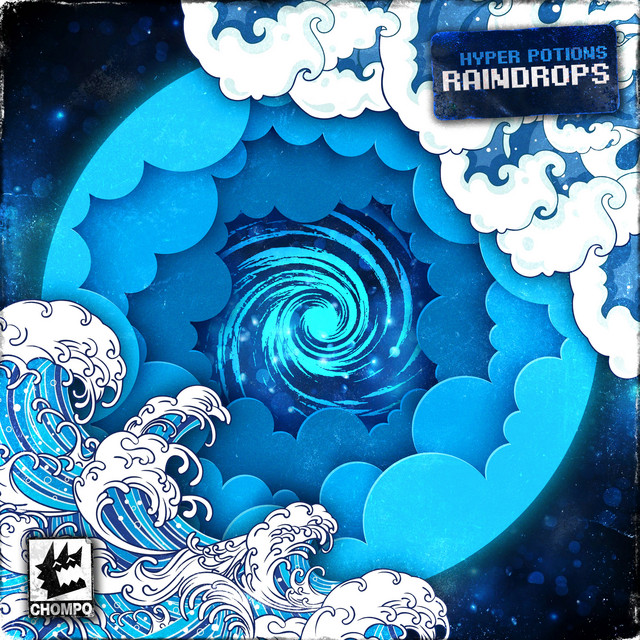
Raindrops
Hyper Potions
Vgm Remix
2017
3
/5
Friends
Hyper Potions
Kawaii Future Bass
Vgm Remix
Speedrun
2017
2
/5
Time Trials
Hyper Potions
Vgm Remix
Similar artists
3
/5
bo en
Kawaii Future Bass
Digital Horror
Experimental Club Music
3
/5
Qumu
Vgm Remix
Lo-Fi Vgm
Electronic
3
/5
Moe Shop
Future Bass
J-Dance
Kawaii Future Bass
3
/5
Snail's House
Kawaii Future Bass
Future Bass
Downtempo
3
/5
Yunomi
Future Bass
Kawaii Future Bass
Anime
2
/5
Milkoi
Kawaii Future Bass
Future Bass
Isekai
2
/5
dark cat
Future Bass
Kawaii Future Bass
J-Dance
2
/5
YUC'e
Future Bass
Kawaii Future Bass
Game Mood
2
/5
fusq
Kawaii Future Bass
Electronic
Future Bass
2
/5
Neko Hacker
Future Bass
Kawaii Future Bass
J-Dance
Download our mobile app
Get the Melodigging app and start digging for new genres on the go
Download on the App Store
Get it on Google Play
© 2026 Melodigging
Give feedback
Legal
Melodding was created as a tribute to
Every Noise at Once
, which inspired us to help curious minds keep digging into music's ever-evolving genres.