Genres
Artists
Albums
Make Music
Sign in
Sign in
Artists
Chamber Music
Artists
Chamber Music
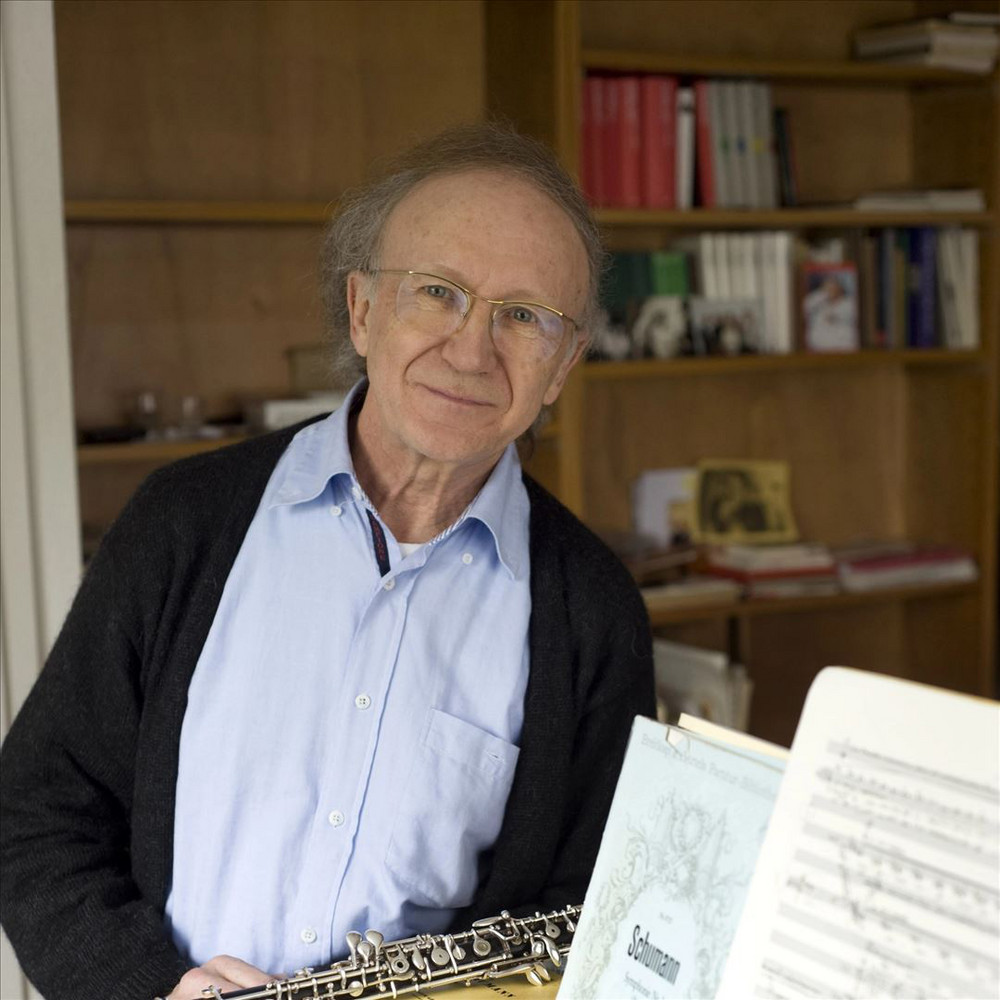
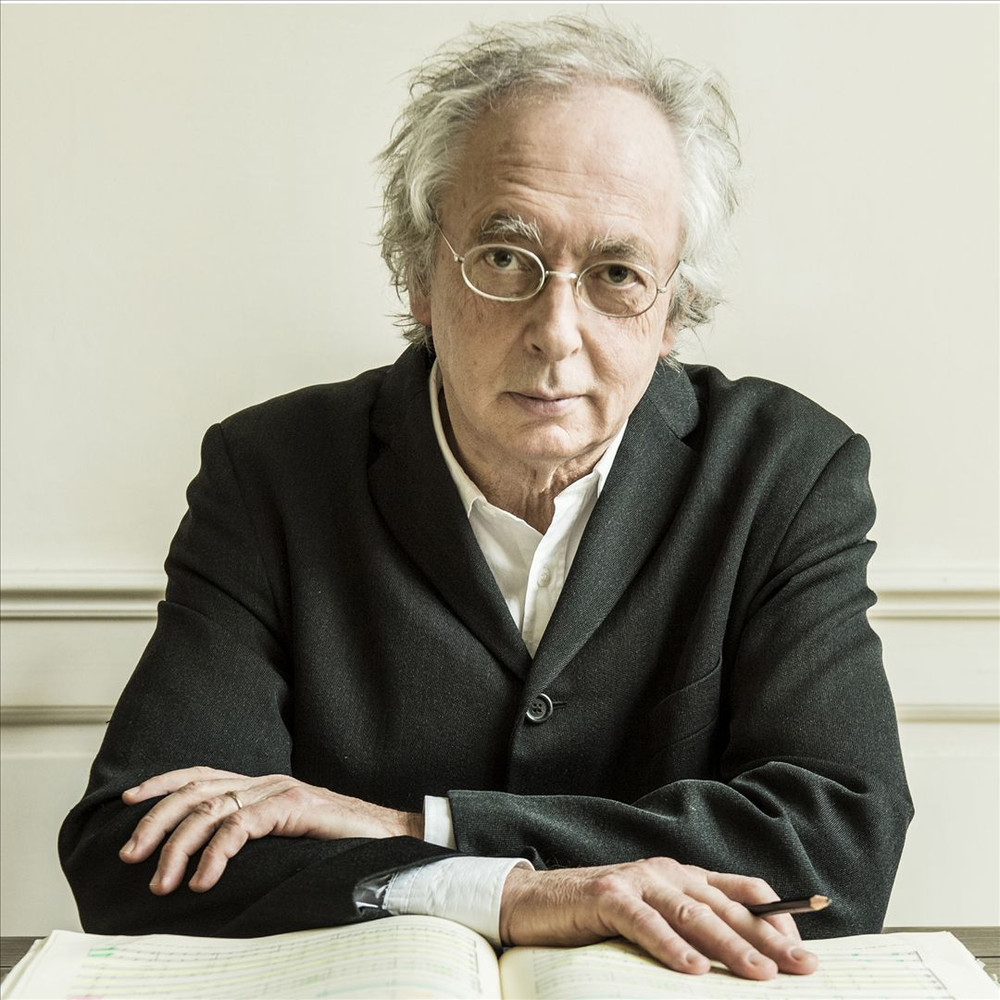
Heinz Holliger
1984–2007
·
4 albums
Listen
2
/5
Genres
Darmstadt School
The Darmstadt School refers to the post–World War II circle of composers who gathered around the Internationale Ferienkurse für Neue Musik (International Summer Courses for New Music) in Darmstadt, West Germany. Characterized by rigorous serial and post-serial techniques, extreme control of musical parameters (pitch, rhythm, dynamics, timbre), and a rejection of tonal and romantic idioms, the style prized structural clarity, pointillist textures, and an ascetic, laboratory-like approach to sound. While aesthetically diverse, its core ethos was a modernist drive toward formal innovation, often engaging electronic media and advanced notation, and deeply influenced by the Second Viennese School—especially Webern’s concise, atomized writing.
Discover
Listen
Mélodie
Mélodie is the French tradition of art song, typically for solo voice and piano, that blossomed in the mid-to-late 19th century. It places exceptional emphasis on the natural inflection and clarity of the French language, marrying refined poetry to nuanced melodic lines and sensitive accompaniments. Compared to the German Lied, mélodie is often more restrained and speech-like in phrasing, prioritizing text intelligibility, elegance of line, and subtle harmonic shading. Composers frequently set poems by major French writers—particularly from the Parnassian and Symbolist movements—resulting in music that is intimate, evocative, and rich in coloristic detail. The piano part in mélodie is not merely supportive; it participates actively in the narrative and atmosphere, with delicate figurations, harmonic ambiguity, and timbral nuance that paint the poem’s imagery. While most mélodies are for voice and piano, notable cycles were later orchestrated, expanding the genre’s palette without sacrificing its core intimacy.
Discover
Listen
Orchestral Song
Orchestral song is an art-song tradition in which a solo voice is accompanied by a full orchestra rather than piano or a small chamber ensemble. It preserves the intimate, text-led focus of lieder and mélodie while expanding the expressive palette with orchestral color, timbral contrast, and large-scale dynamic shaping. Unlike opera, it is not staged and typically sets discrete poems or groups of poems, often assembled into cycles. Forms range from strophic to through-composed, and the style spans late-Romantic tonal idioms to early modernist harmonies. Central to the genre is the careful balance between textual clarity and orchestral richness, with the orchestra acting as a commentator and colorist—introducing motives, painting imagery, and framing the vocal line with preludes, interludes, and postludes.
Discover
Listen
Sinfonia Concertante
Sinfonia concertante is a Classical-era hybrid that blends the symphony’s multi-movement, orchestral scale with the concerto’s virtuosic spotlighting of soloists—typically two to four players. It favors elegant, balanced phrasing, clear textures, and lively dialogue between multiple solo instruments and the orchestra, often in a fast–slow–fast three-movement plan. Popularized in Paris and associated with the galant style, it became a showcase for wind instruments as well as string pairings (famously violin and viola).
Discover
Listen
Chamber Music
Chamber music is a tradition of composed music for small ensembles—typically one player per part—intended for intimate spaces such as courts, salons, and private rooms rather than large public halls. Its aesthetic emphasizes clarity of texture, conversational interplay among parts, and balance without a conductor. Hallmark formations include the string quartet, piano trio, wind quintet, string quintet, and various mixed ensembles. Multi‑movement cycles (often in sonata form) and finely wrought counterpoint are common, ranging from Baroque trio sonatas to Classical string quartets and modern works with expanded timbres and techniques. Because of its scale and transparency, chamber music has long been a proving ground for compositional craft and ensemble musicianship, shaping the core of Western art music from the Baroque through the present.
Discover
Listen
Classical
Classical music is the notated art-music tradition of Europe and its global descendants, characterized by durable forms, carefully codified harmony and counterpoint, and a literate score-based practice. The term “classical” can refer broadly to the entire Western art-music lineage from the Medieval era to today, not just the Classical period (c. 1750s–1820s). It privileges long-form structures (such as symphonies, sonatas, concertos, masses, and operas), functional or modal harmony, thematic development, and timbral nuance across ensembles ranging from solo instruments to full orchestras and choirs. Across centuries, the style evolved from chant and modal polyphony to tonal harmony, and later to post-tonal idioms, while maintaining a shared emphasis on written notation, performance practice, and craft.
Discover
Listen
Gregorian Chant
Gregorian chant is the central Western tradition of plainchant: a monophonic, unaccompanied sacred song in Latin (and occasionally Greek) used in the Roman Catholic liturgy. It employs free rhythm guided by the prosody of the text rather than by strict meter, and is sung in unison by clerics or scholas. Its melodies are organized by the system of eight church modes, with characteristic finalis (final), tenor/reciting tones, and melodic formulas. Repertoires include the Proper and Ordinary of the Mass (e.g., Introit, Gradual, Alleluia, Offertory, Communion, Kyrie, Gloria, Credo, Sanctus, Agnus Dei) and the Divine Office (e.g., Antiphons, Responsories, Hymns, Psalms). Although legend credits Pope Gregory I, modern scholarship sees Gregorian chant as a Carolingian synthesis of Old Roman and Gallican chants, standardized across Frankish realms and later the broader Latin West.
Discover
Listen
Plainchant
Plainchant (cantus planus) is the monophonic, unaccompanied chant of the Western Christian liturgy. Sung in Latin (with occasional Greek), it uses modal scales rather than major–minor tonality and unfolds in flexible, speech-like rhythms shaped by the sacred text. Melodically, plainchant ranges from simple syllabic formulas for reciting psalms to ornate melismatic lines for processional and festal moments. It is performed in unison by a schola or congregation, often organized antiphonally or responsorially across the liturgical actions of the Mass and the Divine Office. Its austere sonority, modal color, and text-centered phrasing give it a contemplative, timeless quality.
Discover
Listen
Show all 8 genres
Albums
2007
1
/5
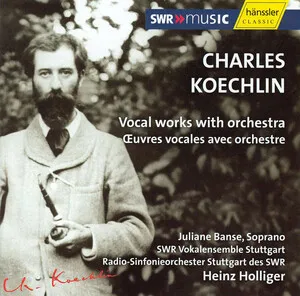
Vocal Works With Orchestra
Charles Koechlin / Gabriel Fauré
Mélodie
Orchestral Song
1994
1
/5
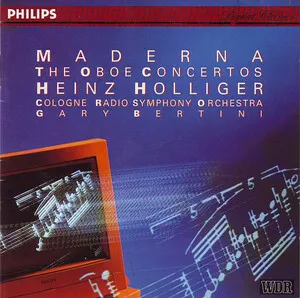
The Oboe Concertos
Bruno Maderna
Darmstadt School
1987
1
/5
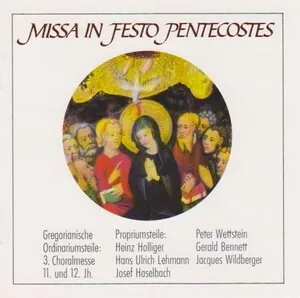
Missa in festo Pentecostes
Heinz Holliger
Gregorian Chant
Plainchant
1984
1
/5
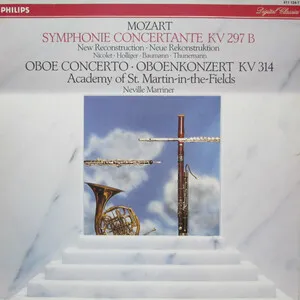
Symphonie concertante KV 297 B; Oboe Concerto KV 314
Wolfgang Amadeus Mozart
Sinfonia Concertante
Similar artists
4
/5
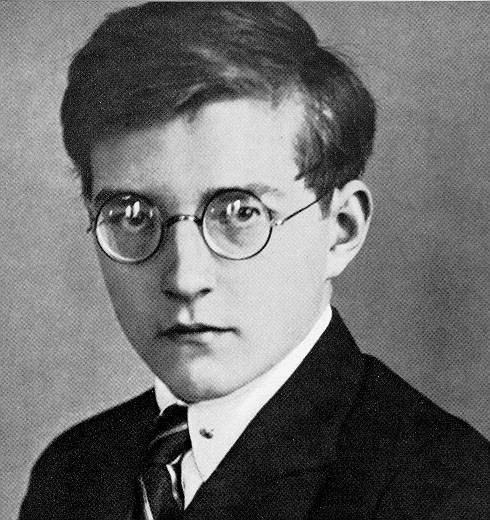
Dmitri Shostakovich
Classical
Chamber Music
Fugue
3
/5
Anonymous
Ars Antiqua
Gregorian Chant
Medieval
3
/5
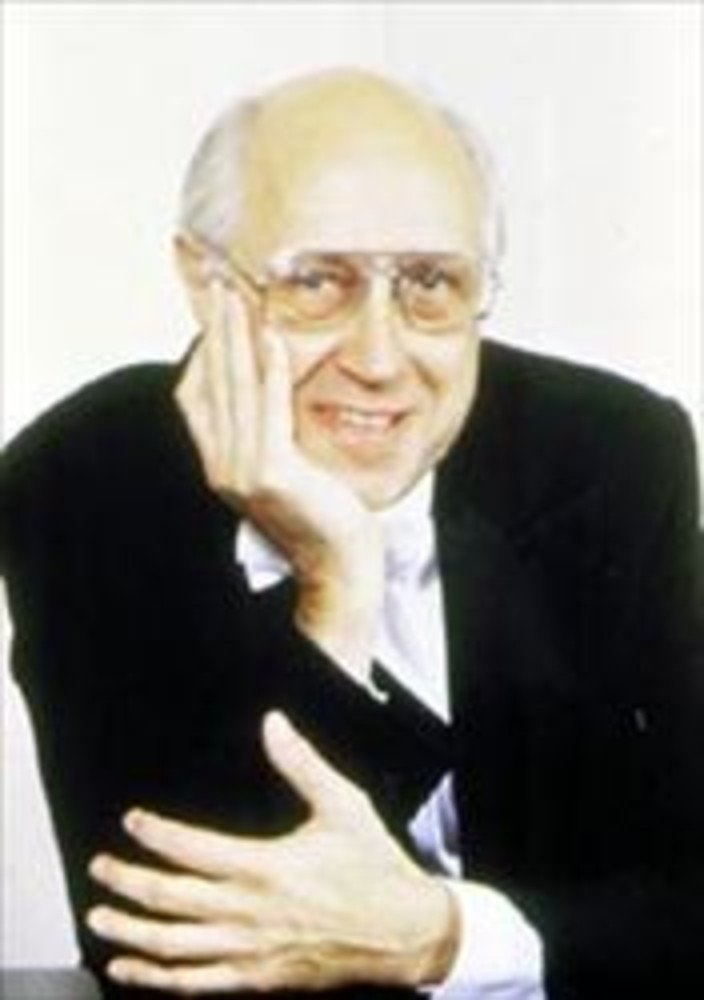
Mstislav Rostropovich
Classical
Chamber Music
Classical Performance
2
/5
Olivier Messiaen
Classical
Mélodie
Chamber Music
4
/5
Berliner Philharmoniker
Classical
Romantic Classical
Romanticism
4
/5
Maurice Ravel
Impressionism
Classical
Neoclassicism
3
/5
BBC Symphony Orchestra
Classical
Opera
Orchestral
3
/5
Pierre Boulez
Classical
Serialism
Second Viennese School
3
/5
Philippe Herreweghe
Classical
Baroque
Choral
3
/5
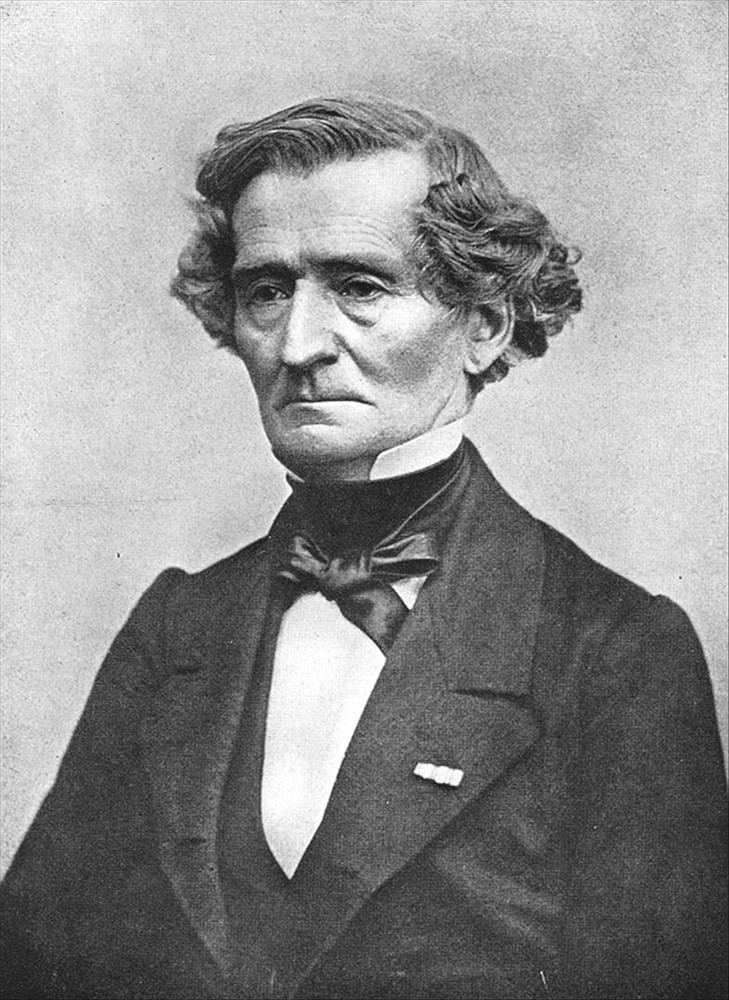
Hector Berlioz
Classical
Mélodie
Sinfonia Concertante
Download our mobile app
Get the Melodigging app and start digging for new genres on the go
Download on the App Store
Get it on Google Play
© 2026 Melodigging
Give feedback
Legal
Melodding was created as a tribute to
Every Noise at Once
, which inspired us to help curious minds keep digging into music's ever-evolving genres.