Genres
Artists
Albums
Make Music
Sign in
Sign in
Artists
Experimental Folk
Artists
Experimental Folk
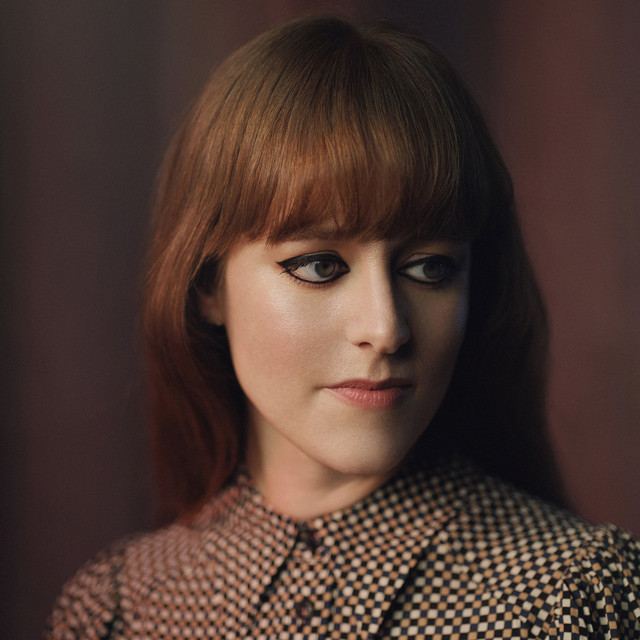
Hannah Peel
2019
·
1 album
Listen
2
/5
Genres
Chamber Psych
Chamber psych blends the intimate, acoustic instrumentation and careful arrangements of chamber pop with the hazy textures, tape-warm production, and surreal harmonies of psychedelic pop. Expect strings, woodwinds, vibraphone, Mellotron, and harpsichord to sit alongside vintage keyboards, gently motorik drums, and fluttering tape delays. Vocals are often close‑mic’d and breathy, melodies skew wistful or otherworldly, and songs privilege mood and arrangement craft over volume. The result feels simultaneously handcrafted and dreamlike: miniature orchestras scoring psychedelic reveries.
Discover
Listen
Digital Horror
Digital horror is a contemporary horror aesthetic that focuses on dread emerging from networked technologies, software, and always‑on media. Narratives and sound worlds revolve around screens, social platforms, livestreams, malware, deepfakes, and the uncanny presence of algorithmic systems. In music and sound design, the style translates this fear of the digital into glitching textures, corrupted audio artifacts, synthetic drones, and the weaponization of familiar interface sounds (alerts, keyboards, notification pings). It often blends dark ambient, industrial noise, and hauntological sampling to suggest threats that live inside code, clouds, and data centers—consistent with the wider definition that emphasizes anxiety and supernatural menace arising from the Internet and modern media.
Discover
Listen
Indie Folk
Indie folk blends the DIY ethos and sonic aesthetics of independent rock with the acoustic instrumentation, intimate storytelling, and melodic simplicity of traditional folk. Timbres are typically warm and organic—fingerpicked acoustic guitars, close-mic’d vocals, subtle percussion, and spare ornamentation from banjo, mandolin, harmonium, or strings. Production often favors natural room ambiance, tape hiss, and gentle compression over glossy polish, creating a sense of proximity and emotional candor. Lyrically, the style is reflective and poetic, focusing on personal narratives, place, nature, spirituality, and memory. Harmony tends to be diatonic and modal, with drones, open tunings, and layered vocal harmonies adding depth. While understated, arrangements can scale into lush, choir-like textures and chamber-folk swells, balancing fragility with grandeur.
Discover
Listen
Experimental Folk
Experimental folk blends the storytelling, acoustic instrumentation, and modal harmonies of traditional folk with exploratory techniques drawn from the avant‑garde, psychedelia, and electroacoustic practice. It privileges texture, timbre, and atmosphere as much as song form: drones, field recordings, tape hiss, non‑standard tunings, and extended techniques sit alongside fingerpicked guitars, dulcimers, harps, and hand percussion. Structures are often loose or through‑composed, rhythms may drift or fracture, and harmony can alternate between simple pentatonic/modal materials and stark dissonance. Lyrically, the style leans toward myth, landscape, folklore, and dream logic—frequently intimate and diaristic, yet surreal. Production ranges from lo‑fi, room‑microphoned immediacy to collage‑like studio assemblage, emphasizing a sense of place and the raw grain of sound.
Discover
Listen
Folk Rock
Folk rock is a fusion genre that blends the narrative lyricism, modal melodies, and acoustic timbres of traditional folk with the backbeat, amplification, and song structures of rock. It typically pairs acoustic or traditional instruments (acoustic guitar, mandolin, fiddle) with a rock rhythm section (electric guitar, bass, drums), often featuring chiming 12‑string guitar textures, close vocal harmonies, and socially conscious or storytelling lyrics. The result ranges from intimate, reflective ballads with a steady backbeat to more anthemic, roots‑driven rock. Emerging in the mid‑1960s through artists such as Bob Dylan and The Byrds, folk rock became a gateway for traditional and roots materials to enter mainstream popular music, and it seeded later movements from country rock and Americana to jangle pop and modern indie folk.
Discover
Listen
Electronic
Electronic is a broad umbrella genre defined by the primary use of electronically generated or electronically processed sound. It encompasses music made with synthesizers, drum machines, samplers, computers, and studio/tape techniques, as well as electroacoustic manipulation of recorded or synthetic sources. The genre ranges from academic and experimental traditions to popular and dance-oriented forms. While its sonic palette is rooted in electricity and circuitry, its aesthetics span minimal and textural explorations, structured song forms, and beat-driven club permutations. Electronic emphasizes sound design, timbre, and studio-as-instrument practices as much as melody and harmony.
Discover
Listen
Violin
“Violin” as a genre tag refers to violin‑centric music, typically spotlighting the instrument as a solo voice or principal melodic carrier across classical, chamber, and modern concert traditions. It encompasses solo works (sonatas, partitas, caprices), concertos with orchestra, chamber settings (duos with piano, trios, quartets), and contemporary pieces that extend the instrument’s timbral palette. Characteristic features include lyrical cantabile lines, virtuosic passagework, double‑stops and chords, harmonics, pizzicato (including left‑hand), scordatura tuning in select works, and expressive bow articulations. While rooted in European art music, violin repertoire has influenced a wide array of later styles and crossovers, from modern classical and film music to symphonic rock/metal and chamber‑inflected pop and folk.
Discover
Listen
Classical
Classical music is the notated art-music tradition of Europe and its global descendants, characterized by durable forms, carefully codified harmony and counterpoint, and a literate score-based practice. The term “classical” can refer broadly to the entire Western art-music lineage from the Medieval era to today, not just the Classical period (c. 1750s–1820s). It privileges long-form structures (such as symphonies, sonatas, concertos, masses, and operas), functional or modal harmony, thematic development, and timbral nuance across ensembles ranging from solo instruments to full orchestras and choirs. Across centuries, the style evolved from chant and modal polyphony to tonal harmony, and later to post-tonal idioms, while maintaining a shared emphasis on written notation, performance practice, and craft.
Discover
Listen
Spectra
Spectra appears on Every Noise at Once, a map of genres identified by Spotify, in Spotify’s genre labels for artists, and in The Sounds of Spotify playlist “The Sound of Spectra”; little has been written about it. Much of the music is spacious and contemplative, built from sustained synthesizer tones, slowly changing chords and repeating arpeggios. Some pieces have no drums or clear pulse, letting their patterns drift through reverberant space. Others settle into slow, heavy grooves with drums, deep electric bass and clean guitar alongside synthesizers. Vocals appear in some tracks, though instrumental music is prominent. The music ranges from beatless ambient and minimalist electronics to moody, slow-grooving music with blues, soul and art-pop elements. Its artists are also associated with drone, electroacoustic music and experimental music: sustained tones, repetition and processed sound help shape its atmospheric character. Moods range from serene and meditative to melancholic or nocturnal. Track titles appear in English, Spanish, French and other languages. The listed tracks and albums span releases from 1989 to 2025.
Discover
Listen
Show all 9 genres
Albums
2019
Chalk Hill Blue
Will Burns, Hannah Peel
Experimental Folk
Similar artists
4
/5
Sufjan Stevens
Indie Folk
Chamber Pop
Indie Rock
3
/5
Weyes Blood
Baroque Pop
Art Pop
Indie Folk
2
/5
Richard Dawson
Experimental Psych
Avant-Folk
Folk
5
/5
David Bowie
Art Rock
Glam Rock
Rock
4
/5
Bon Iver
Indie Folk
Melancholia
Chamber Pop
4
/5
Paul McCartney
Pop
Pop Rock
Rock
3
/5
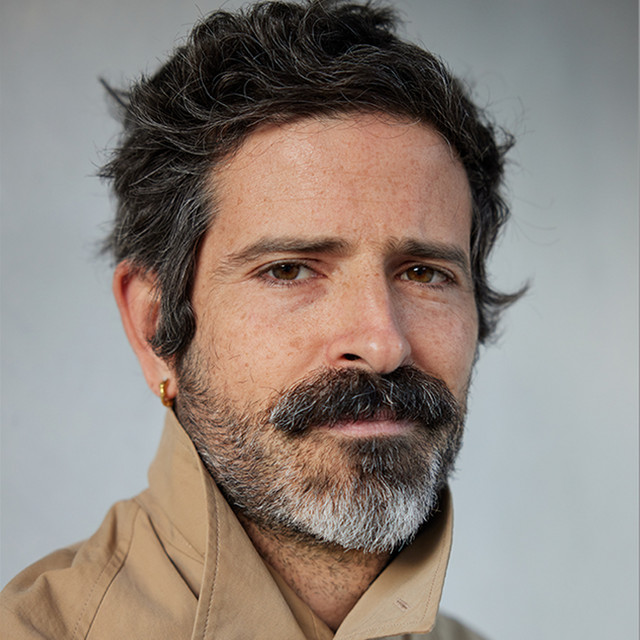
Devendra Banhart
Freak Folk
Folk
New Weird America
3
/5
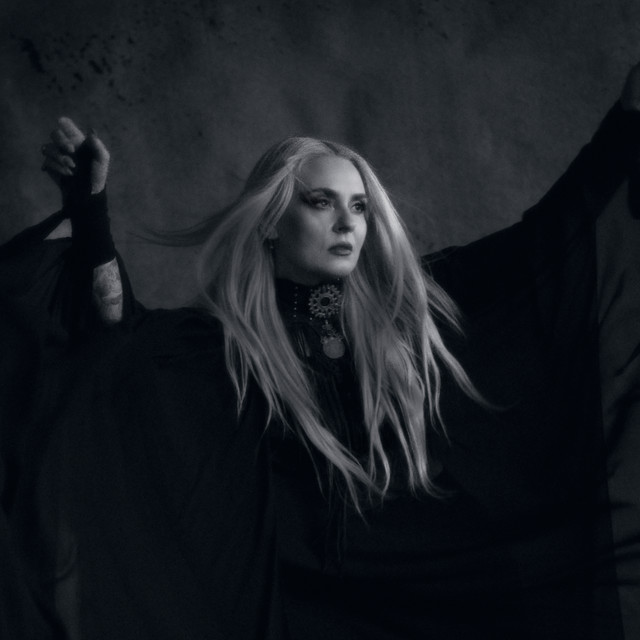
Eivør
Electropop
Folk
Rune Folk
3
/5
Grizzly Bear
Baroque Pop
Indie
Indie Rock
3
/5
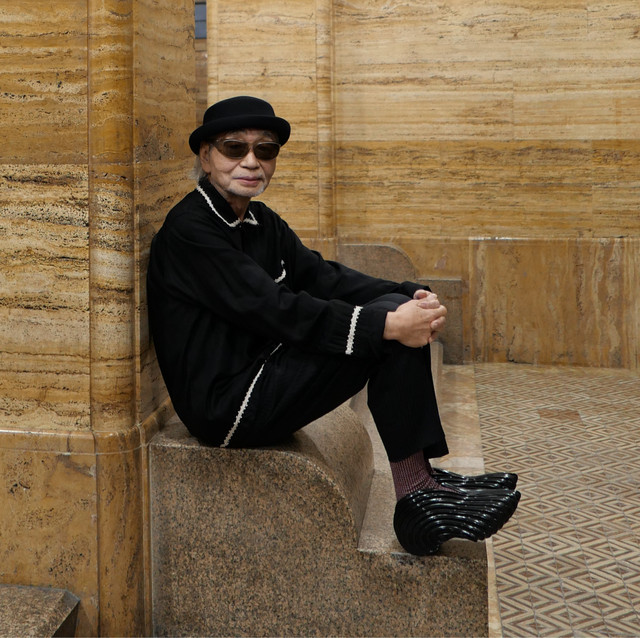
Haruomi Hosono
Ambient
Electronic
Experimental
Download our mobile app
Get the Melodigging app and start digging for new genres on the go
Download on the App Store
Get it on Google Play
© 2026 Melodigging
Give feedback
Legal
Melodding was created as a tribute to
Every Noise at Once
, which inspired us to help curious minds keep digging into music's ever-evolving genres.