Genres
Artists
Albums
Make Music
Sign in
Sign in
Artists
Instrumental Rock
Artists
Instrumental Rock
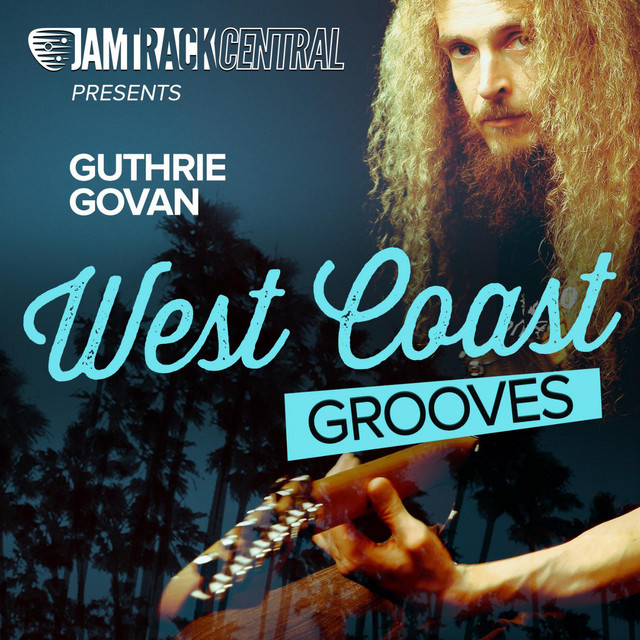
Guthrie Govan
2013
·
1 album
Listen
3
/5
Genres
Electro Swing
Electro swing fuses the timbres and rhythms of 1920s–1940s swing and big band jazz with modern electronic dance production. Producers sample or recreate vintage horn sections, clarinets, crooner vocals, and walking bass lines, then place them over four‑on‑the‑floor house grooves, syncopated breakbeats, and punchy electronic bass. Typical tempos sit around 110–128 BPM, with swung/shuffle hi‑hats, call‑and‑response horn riffs, and jazz harmony (ii–V–I cadences, extended 7ths/9ths/13ths). Vocals range from retro scat and cabaret‑style singing to contemporary rap or chopped vocal hooks. The result is a playful, dance‑forward sound that feels both nostalgic and fresh: gramophone grit and brass flair meeting club‑ready drums, sidechain swells, and modern sound design.
Discover
Listen
Jazz Fusion
Jazz fusion (often simply called "fusion") blends the improvisational language and harmonic richness of jazz with the amplified instruments, grooves, and song forms of rock, funk, and R&B. It typically features electric guitars, electric bass or fretless bass, Rhodes electric piano, clavinet, analog and digital synthesizers, and a drum kit playing backbeat- and syncopation-heavy patterns. Hallmarks include extended chords and modal harmony, complex and shifting meters, brisk unison lines, virtuosic improvisation, and a production aesthetic that embraces effects processing and studio craft. The style ranges from fiery, aggressive workouts to polished, atmospheric textures, often within the same piece. Emerging in the late 1960s and flourishing through the 1970s, jazz fusion became a bridge between jazz audiences and rock/funk listeners, shaping later styles such as jazz-funk, smooth jazz, nu jazz, and parts of progressive and technical rock/metal.
Discover
Listen
Jazz Rock
Jazz rock is a hybrid style that merges the improvisational language and harmonic richness of jazz with the amplified energy, backbeat, and song forms of rock. It typically features electric guitar, bass, and drums alongside jazz-oriented instruments such as saxophone, trumpet, and keyboards, often arranged in horn sections. Extended chords, syncopation, and improvisation coexist with catchy riffs and driving grooves, yielding music that is both virtuosic and accessible. While closely related to jazz fusion, jazz rock generally keeps a stronger tie to rock songcraft and backbeat-centered rhythms.
Discover
Listen
Instrumental Rock
Instrumental rock is a branch of rock music in which the featured melodies and hooks are carried by instruments—most famously the electric guitar—rather than a lead singer. Emerging in the late 1950s, it emphasizes memorable riffs, strong rhythmic backbeats, and distinctive guitar tones (twang, tremolo picking, and spring reverb), often supported by bass, drums, and sometimes organ or saxophone. It ranges from raw, riff-driven singles to more sophisticated, jazz-tinged or studio-crafted pieces. While closely associated with early surf sounds, instrumental rock is broader, encompassing twangy rock-and-roll, R&B-rooted combo instrumentals, and later virtuoso guitar showcases.
Discover
Listen
Rock
Rock is a broad family of popular music centered on amplified instruments, a strong backbeat, and song forms that foreground riffs, choruses, and anthemic hooks. Emerging from mid‑20th‑century American styles like rhythm & blues, country, and gospel-inflected rock and roll, rock quickly expanded in scope—absorbing folk, blues, and psychedelic ideas—while shaping global youth culture. Core sonic markers include electric guitar (often overdriven), electric bass, drum kit emphasizing beats 2 and 4, and emotive lead vocals. Rock songs commonly use verse–chorus structures, blues-derived harmony, and memorable melodic motifs, ranging from intimate ballads to high‑energy, stadium‑sized performances.
Discover
Listen
Instrumental
Instrumental is music created and performed without sung lyrics, placing the expressive weight on melody, rhythm, harmony, and timbre produced by instruments. As an umbrella practice it appears in many cultures, but its modern identity cohered in Baroque-era Europe when purely instrumental forms such as the sonata, concerto, and dance suites began to flourish. Since then, instrumental thinking—developing motives, structuring form without text, and showcasing timbral contrast—has informed everything from orchestral music and solo piano repertoire to post-rock, film scores, and beat-driven electronic styles. Instrumental works can be intimate (solo or chamber) or expansive (full orchestra), narrative (programmatic) or abstract (absolute music). The absence of lyrics invites listeners to project imagery and emotion, making the style a natural fit for cinema, games, and contemplative listening.
Discover
Listen
Albums
2013
3
/5
West Coast Grooves
Guthrie Govan
Instrumental Rock
Similar artists
1
/5
Various Artists
Afro-Funk
Alternative Rock
Ambient
3
/5
Frank Zappa
Jazz Rock
Progressive Rock
Avant-Garde
3
/5
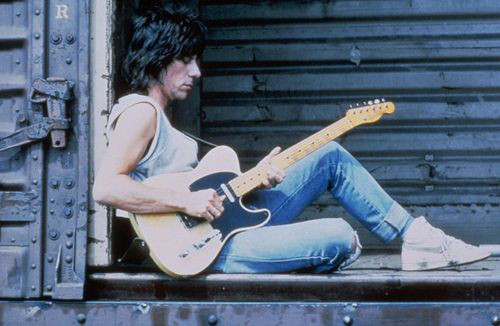
Jeff Beck
British Blues
Electric Blues
Instrumental Rock
3
/5
Plini
Instrumental Rock
Progressive Metal
Progressive Rock
3
/5
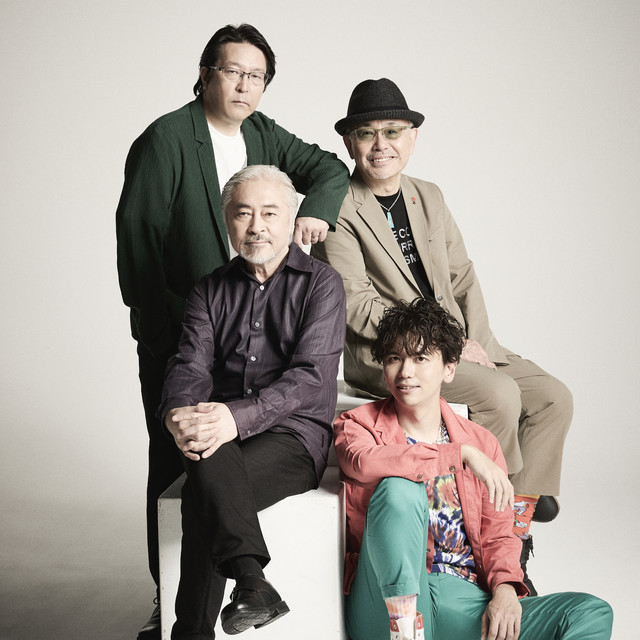
CASIOPEA
Jazz Fusion
Jazz
Jazz-Funk
4
/5
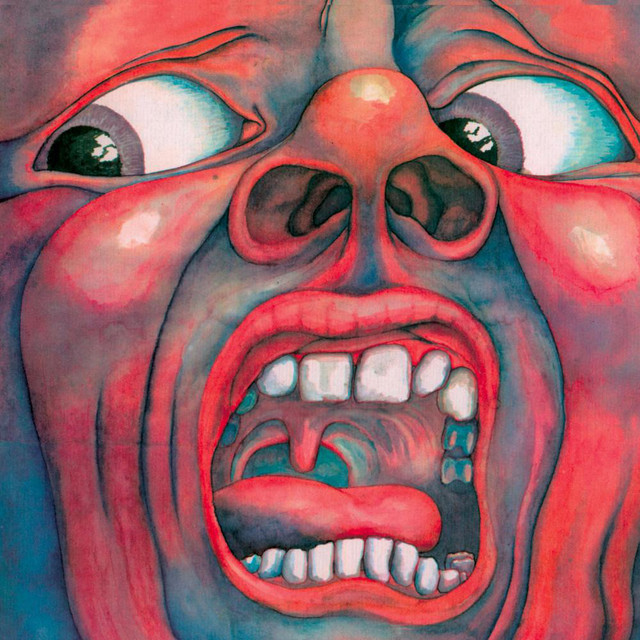
King Crimson
Art Rock
Jazz Rock
Progressive Rock
4
/5
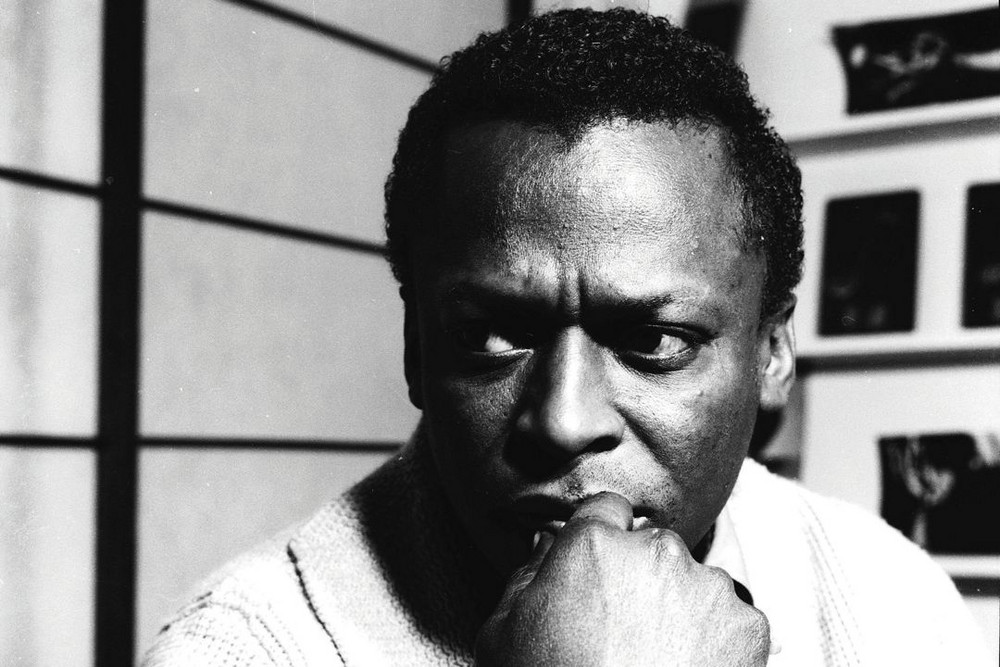
Miles Davis
Jazz
Jazz Fusion
Hard Bop
3
/5
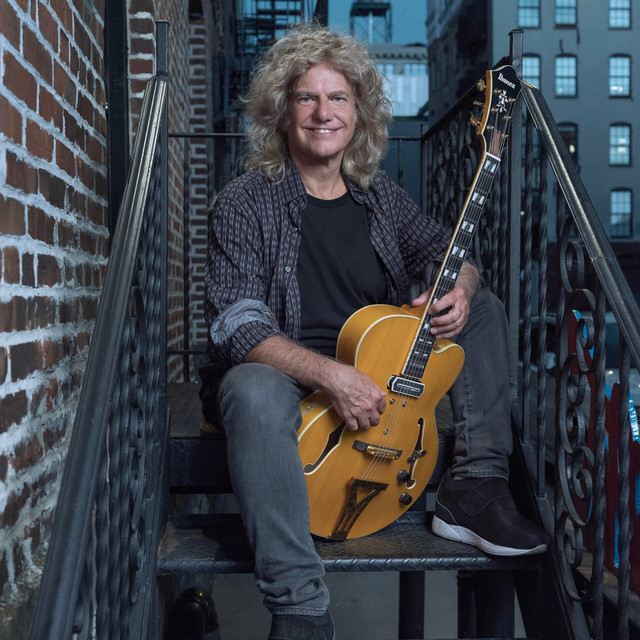
Pat Metheny
Avant-Garde Jazz
Jazz
Jazz Fusion
3
/5
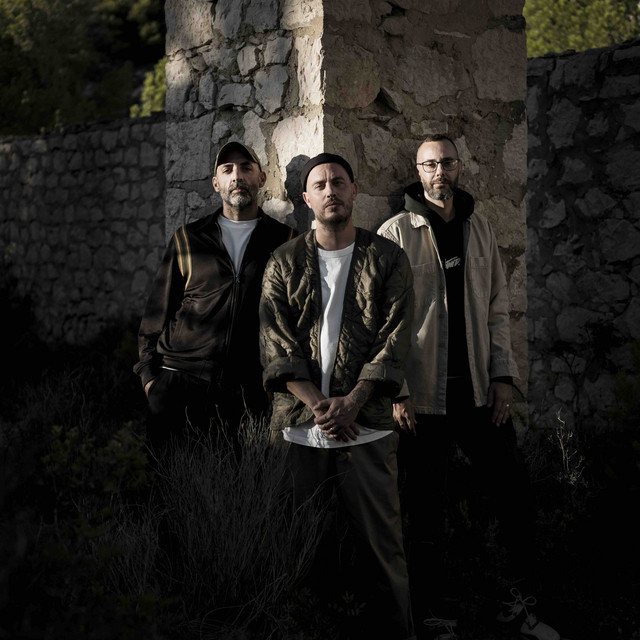
Chinese Man
Turntablism
Chill Abstract Hip Hop
Electro Swing
3
/5
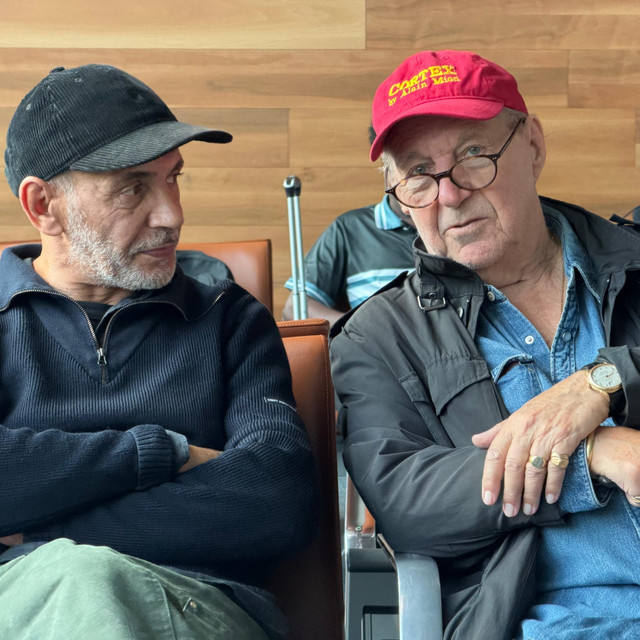
Cortex
Jazz Fusion
Jazz-Funk
Spacegrunge
Download our mobile app
Get the Melodigging app and start digging for new genres on the go
Download on the App Store
Get it on Google Play
© 2026 Melodigging
Give feedback
Legal
Melodding was created as a tribute to
Every Noise at Once
, which inspired us to help curious minds keep digging into music's ever-evolving genres.