Genres
Artists
Albums
Make Music
Sign in
Sign in
Artists
Vintage Hollywood
Artists
Vintage Hollywood
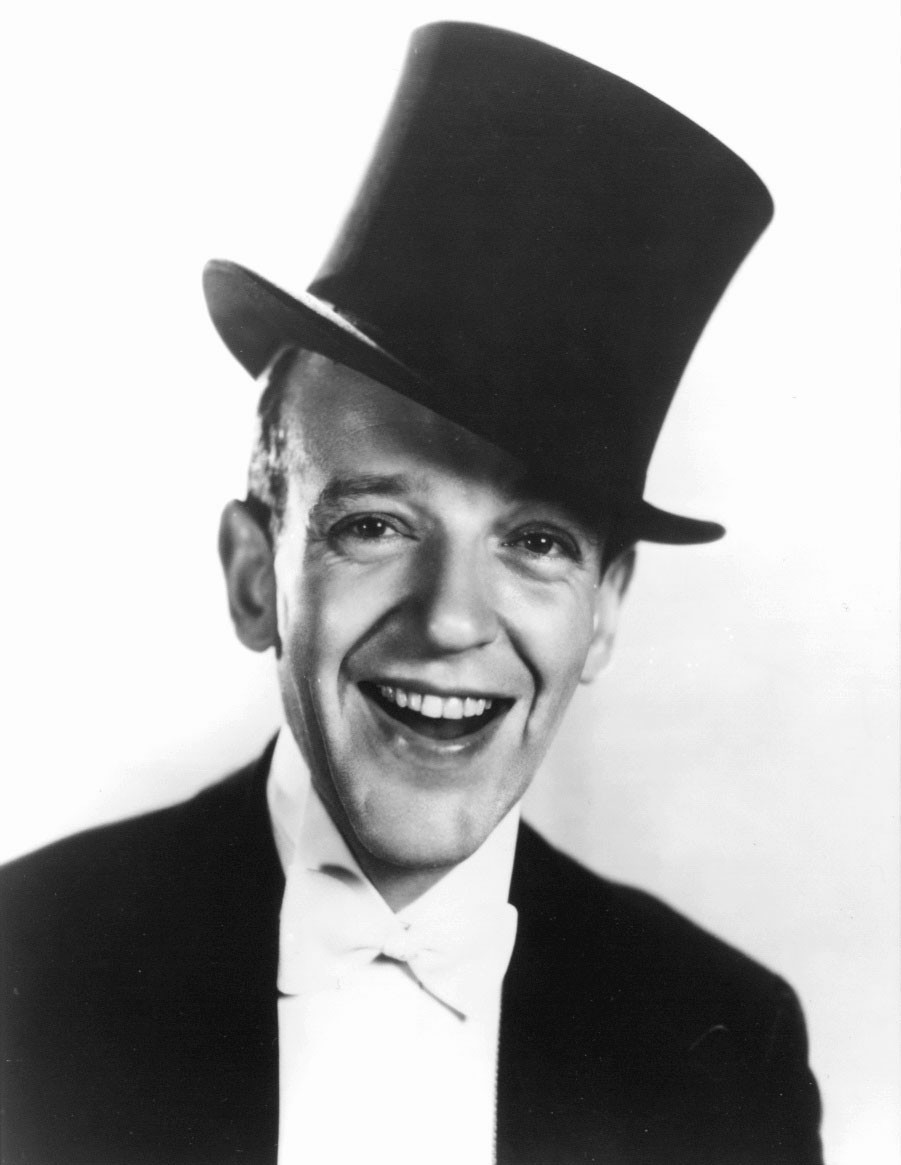
Fred Astaire
1957–1999
·
3 albums
Listen
3
/5
Genres
Analog Horror
Analog horror is an internet-born horror style that foregrounds the texture and limits of obsolete media. It is characterized by lo‑fi, band‑limited sound, tape hiss, wow and flutter, and the sonic vocabulary of public‑access TV, VHS cassettes, emergency broadcast signals, and numbers stations. In narrative terms, it tends toward cryptic, surreal plots presented as faux archival broadcasts, training films, or interrupted transmissions. Musically, the idiom leans on drones, minimal motifs, degraded samples, and detuned analog synths, using period‑authentic processing to evoke dread, nostalgia, and the uncanny.
Discover
Listen
Pov: Indie
"pov: indie" is a social-media-native microstyle built around short, cinematic indie-pop/indie-rock snippets designed to accompany a first-person (POV) narrative. Instead of being defined by a single new musical technique, it is defined by context: the music is chosen or written to feel like the soundtrack to a specific moment (a crush, a late-night walk, moving to a new city, seasonal nostalgia). Sonically it typically uses bright but soft guitars or synths, intimate vocals, simple memorable hooks, and production that reads clearly on phone speakers. The emotional tone is often wistful, tender, and “coming-of-age,” with lyrics that can be understood quickly in a 10–30 second clip.
Discover
Listen
Pop
Pop is a broad, hook-driven style of popular music designed for wide appeal. It emphasizes memorable melodies, concise song structures, polished vocals, and production intended for radio, charts, and mass media. While pop continually absorbs elements from other styles, its core remains singable choruses, accessible harmonies, and rhythmic clarity. Typical forms include verse–pre-chorus–chorus, frequent use of bridges and middle-eights, and ear-catching intros and outros. Pop is not defined by a single instrumentation. It flexibly incorporates acoustic and electric instruments, drum machines, synthesizers, and increasingly digital production techniques, always in service of the song and the hook.
Discover
Listen
Vintage Hollywood
Vintage Hollywood denotes the lush orchestral and song-driven sound world associated with the Golden Age of American cinema, roughly the 1930s through the 1950s. It blends late‑Romantic European symphonic language with American Tin Pan Alley songwriting, big‑band swing, and traditional pop crooning. Expect sweeping string melodies, heroic brass fanfares, woodwind filigree, and harp and celesta sparkle, often organized around memorable leitmotifs. In musicals, this palette sits beside elegant AABA standards and show‑tune choruses, delivered with impeccable studio‑era diction and a glamorous sense of stagecraft. Beyond film scores, the “Vintage Hollywood” vibe encompasses studio orchestras, star vocalists, and dance-band numbers heard onscreen and on records—music engineered for romance, spectacle, and the aura of old Hollywood glamour.
Discover
Listen
Hollywood
Hollywood (as a music genre) denotes the stylistic language of American film music and screen musicals shaped around the Los Angeles studio system. It is characterized by lush late‑Romantic orchestration, bold leitmotivic themes linked to characters and ideas, and tightly synchronized cues that heighten on‑screen drama. While its orchestral core stems from European symphonic tradition brought by émigré composers, Hollywood music also absorbed American popular idioms—Tin Pan Alley songcraft, jazz/big‑band colors, and later rock, electronic timbres, and sound‑design—creating a flexible, narrative‑first style that can shift from sweeping romance to suspense, comedy, or spectacle within a single score. In practice, “Hollywood” spans two intertwined streams: (1) symphonic film scoring for dramas, adventures, epics, and animation, and (2) cinematic song forms found in screen musicals and contemporary film pop to carry story and character.
Discover
Listen
Swing
Swing is a jazz style centered on a buoyant, danceable groove created by a walking bass, four-to-the-bar rhythm guitar, a backbeat emphasis on 2 and 4, and a lilted “swung” eighth-note feel. Typically performed by big bands (saxes, trumpets, trombones, and a rhythm section) as well as small combos, it balances written arrangements with improvised solos. Hallmarks include call-and-response between horn sections, riff-based melodies, shout choruses that build intensity near the end of an arrangement, and rich sectional voicings grounded in blues language and ii–V–I harmonic motion. Tempos range from medium to brisk, serving social dances like the Lindy Hop and Jitterbug. Swing’s expressive phrasing, dance-floor focus, and sophisticated arranging made it the dominant popular music of the late 1930s and early 1940s.
Discover
Listen
Torch Song
A torch song is a sentimental, often slow ballad that expresses the pain of unrequited love, longing, heartbreak, or romantic resignation. The term comes from the idiom “to carry a torch,” meaning to continue loving someone after the relationship has ended. Rooted in the Great American Songbook and popularized by nightclub and film performances, torch songs emphasize intimate, expressive vocals and finely shaded phrasing over virtuosic display. Harmonically, they typically employ the sophisticated jazz- and Tin Pan Alley–influenced palette of the classic 32‑bar AABA standard, with rich extensions, secondary dominants, and occasional modulations. Although historically associated with smoky clubs and crooners, the torch approach has continued through modern pop and R&B ballads, where the focus remains on story, vulnerability, and vocal nuance.
Discover
Listen
Big Band
Big band is a large-ensemble style of jazz and popular dance music built around brass, reed, and rhythm sections playing arranged parts. Typical instrumentation includes five saxophones (often doubling clarinet/flute), four trombones, four trumpets, and a rhythm section of piano, guitar, upright bass, and drum set. The music emphasizes swing rhythms, call-and-response between sections, riff-based writing, and dramatic shout choruses, while leaving space for improvised solos. Born in American ballrooms and theaters, big band became the sound of the Swing Era, providing both music for dancing and a platform for sophisticated arranging and orchestration that shaped much of 20th‑century jazz and popular music.
Discover
Listen
Vocal Jazz
Vocal jazz is a jazz tradition in which the human voice is treated as an instrument—matching the phrasing, articulation, and timbral nuance of horns or piano. Singers often improvise melodically and rhythmically, including using scat singing (nonsense syllables) to emulate instrumental solos. At the same time, many vocal‑jazz performances favor traditional, pop‑leaning song structures and clear lyric delivery, reducing the overall role of extended improvisation compared with small‑group instrumental jazz. Repertoires frequently draw from Tin Pan Alley and Broadway standards (the Great American Songbook), rendered with swing, ballad, or Latin feels.
Discover
Listen
Jazz
Jazz is an improvisation-centered music tradition that emerged from African American communities in the early 20th century. It blends blues feeling, ragtime syncopation, European harmonic practice, and brass band instrumentation into a flexible, conversational art. Defining features include swing rhythm (a triplet-based pulse), call-and-response phrasing, blue notes, and extended harmonies built on 7ths, 9ths, 11ths, and 13ths. Jazz is as much a way of making music—spontaneous interaction, variation, and personal sound—as it is a set of forms and tunes. Across its history, jazz has continually hybridized, from New Orleans ensembles and big-band swing to bebop, cool and hard bop, modal and free jazz, fusion, and contemporary cross-genre experiments. Its influence permeates global popular and art music.
Discover
Listen
Show all 10 genres
Albums
1999
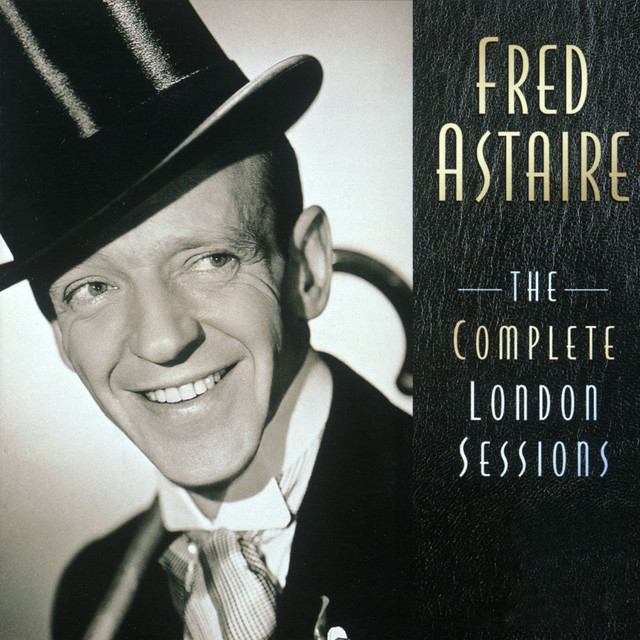
The Complete London Sessions
Fred Astaire
Vintage Hollywood
1957
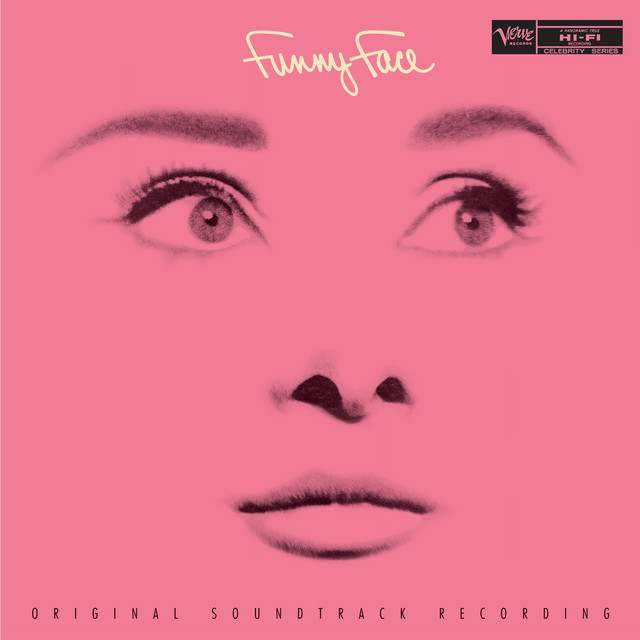
Funny Face (Original Motion Picture Soundtrack / Expanded Edition)
Fred Astaire, Audrey Hepburn, Kay Thompson
Vintage Hollywood
Hollywood
Torch Song
1957
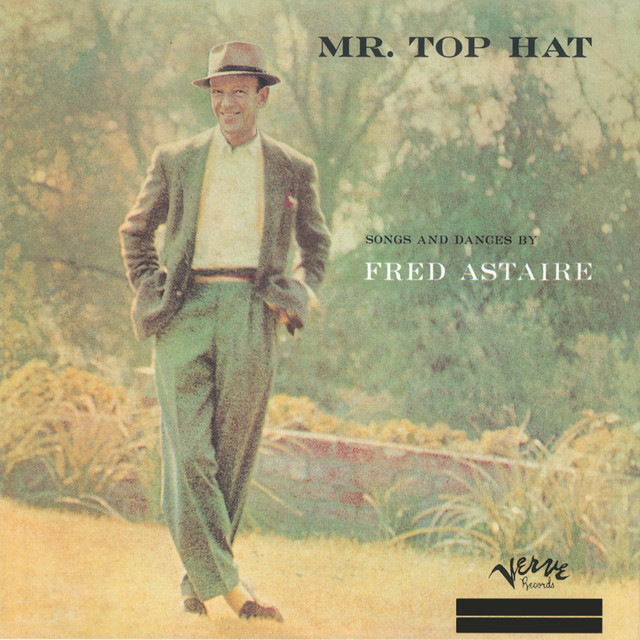
Mr. Top Hat
Fred Astaire
Vintage Hollywood
Similar artists
4
/5
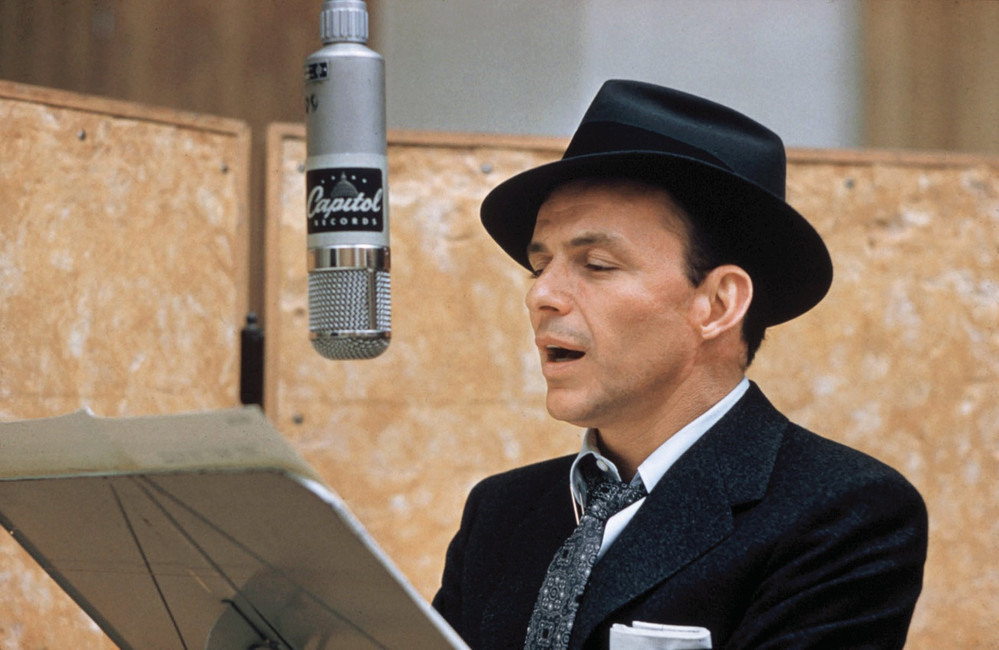
Frank Sinatra
Big Band
Jazz
Swing
3
/5
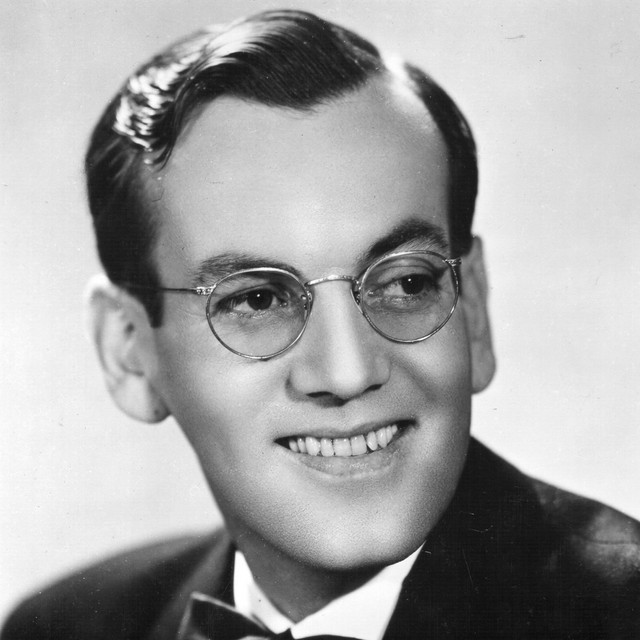
Glenn Miller
Swing
Big Band
Analog Horror
3
/5
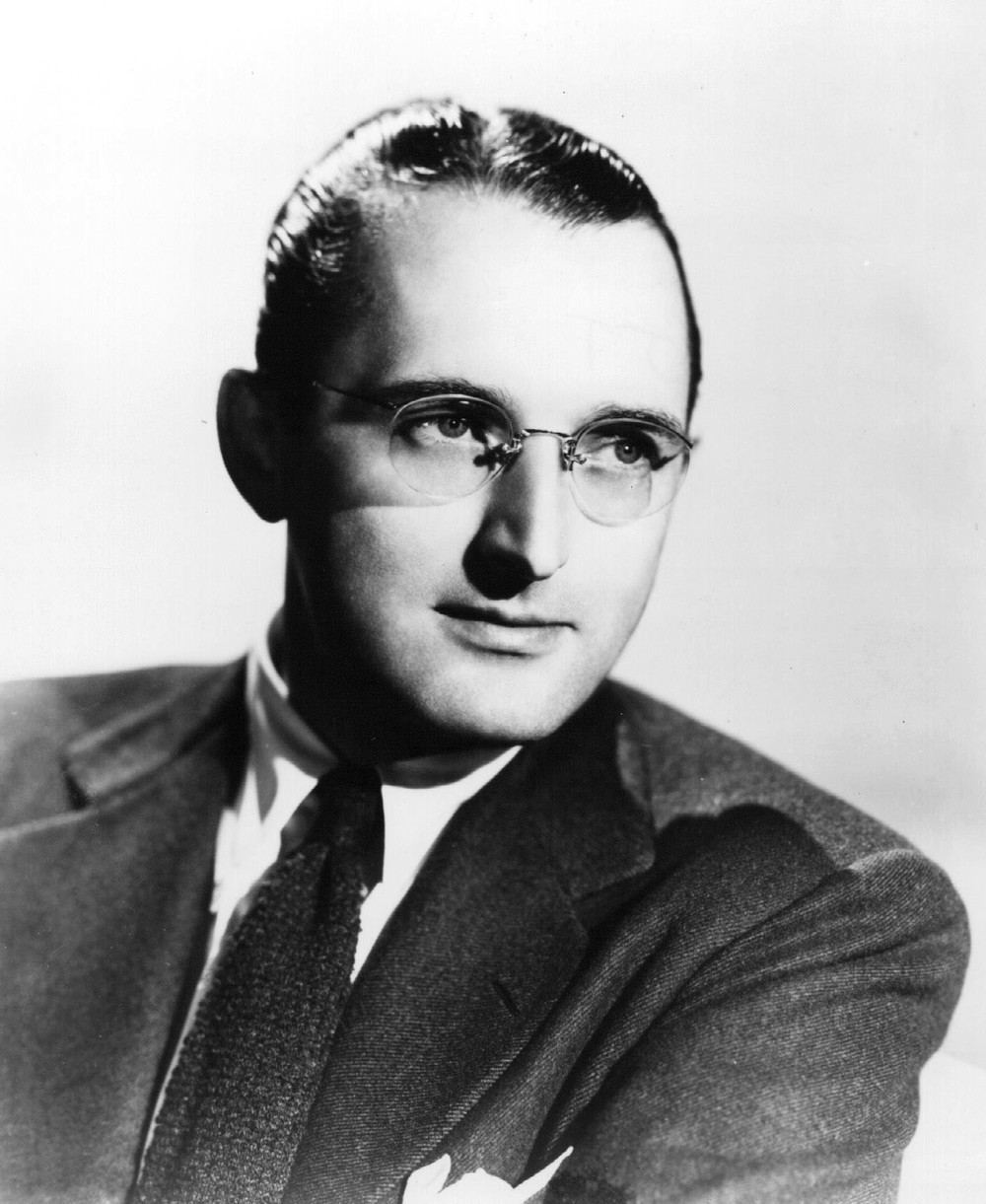
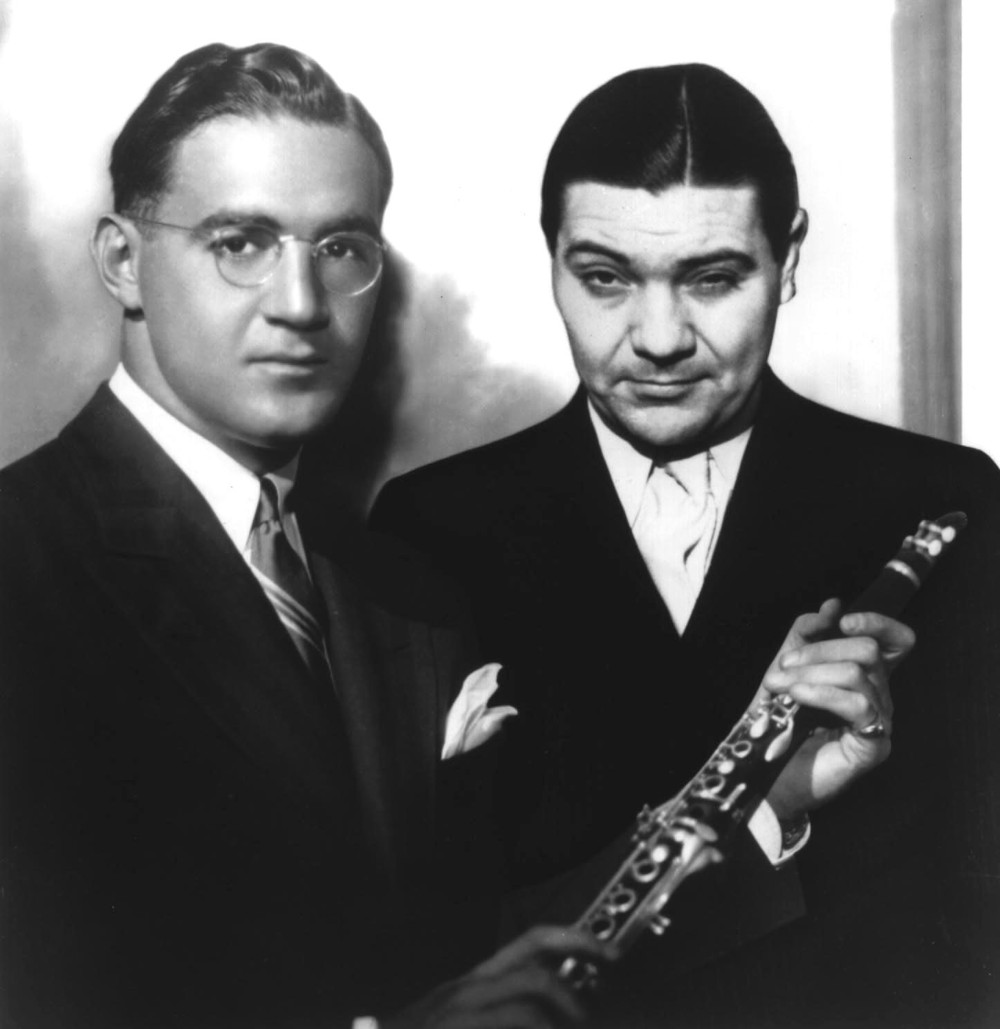
Tommy Dorsey
Tin Pan Alley
Dixieland
Jazz
3
/5
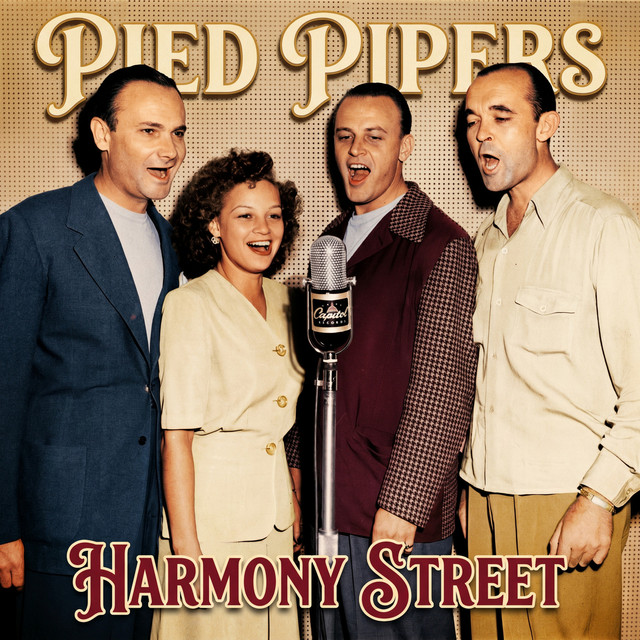
The Pied Pipers
Big Band
Analog Horror
Gamecore
3
/5
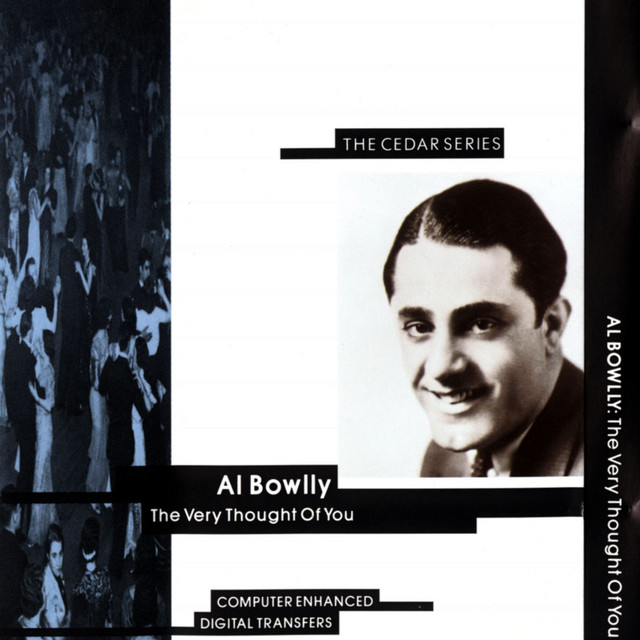
Al Bowlly
British Dance Band
Adult Standards
Analog Horror
3
/5
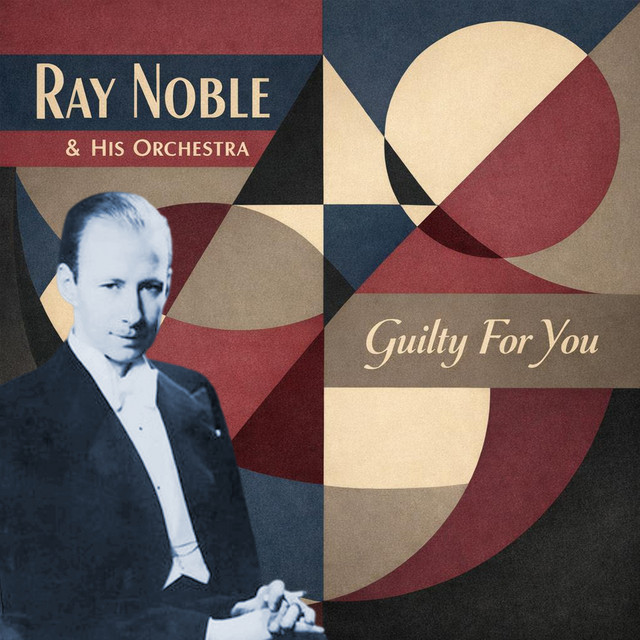
Ray Noble & His Orchestra
Analog Horror
Big Band
British Dance Band
2
/5
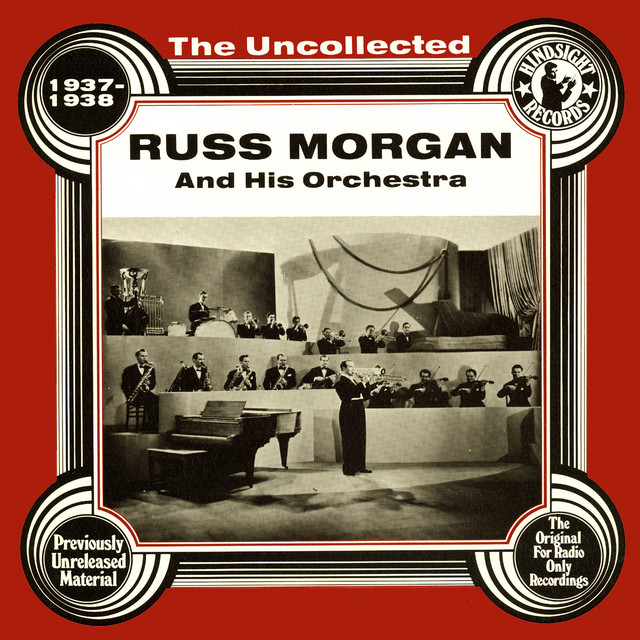
Russ Morgan and His Orchestra
British Dance Band
Analog Horror
Big Band
2
/5
Jack Teagarden
Ragtime
Dixieland
Analog Horror
2
/5
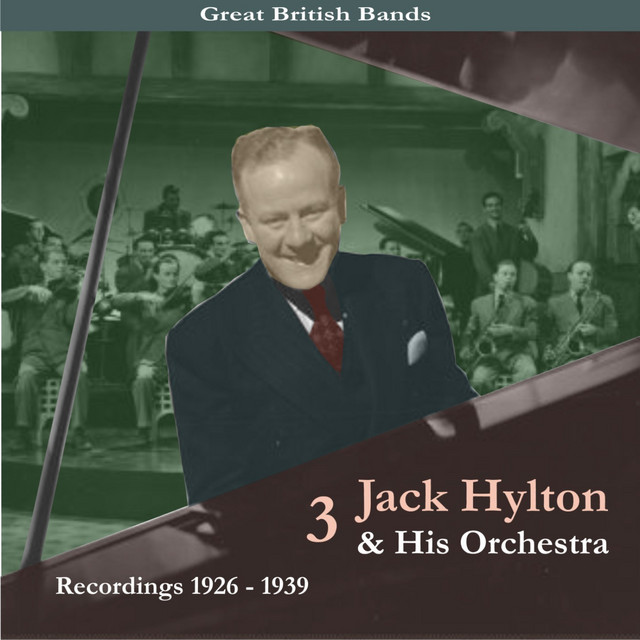
Jack Hylton & His Orchestra
Ragtime
Analog Horror
Big Band
1
/5
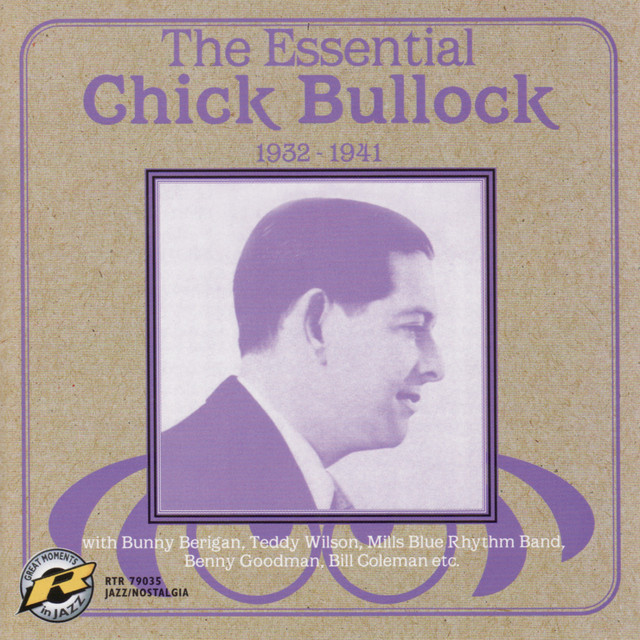
Chick Bullock
Analog Horror
Big Band
Ragtime
Download our mobile app
Get the Melodigging app and start digging for new genres on the go
Download on the App Store
Get it on Google Play
© 2026 Melodigging
Give feedback
Legal
Melodding was created as a tribute to
Every Noise at Once
, which inspired us to help curious minds keep digging into music's ever-evolving genres.