Genres
Artists
Albums
Make Music
Sign in
Sign in
Artists
Epic Music
Artists
Epic Music
E.S. Posthumus
2001–2008
·
3 albums
Listen
3
/5
Genres
Deep Soundtrack
Deep soundtrack is a modern, cinematic substyle that emphasizes low, immersive textures, slow-moving harmony, and spacious ambience over bombast. It sits at the intersection of ambient music, post-classical scoring, and contemporary film/TV/game underscore, favoring drones, soft pulses, and intimate instruments (piano, strings, analog synths) treated with generous space and subtle sound design. Rather than foregrounding memorable themes or trailer-scale crescendos, deep soundtrack cultivates mood: tense, melancholic, or quietly hopeful. It is designed to sit under narrative, visuals, or concentration—music that breathes, evolves slowly, and suggests emotion without overwhelming it.
Discover
Listen
Doble Paso
Doble paso is a high‑tempo reggaetón variant characterized by running the classic dembow groove at double speed, creating a frenetic, hard‑hitting feel aimed squarely at the dance floor. Compared with standard reggaetón drum patterns (typically around 90–100 BPM), doble paso accelerates the same rhythmic skeleton to roughly 120–140 BPM, often accompanying a club dance of the same name. Producers keep the core syncopation and low‑end punch of reggaetón while tightening hi‑hats, adding denser percussion fills, and favoring short, chant‑like hooks that match the breathless pace. The result is intense, perreo‑ready energy that bridges classic reggaetón, Dominican dembow’s urgency, and club‑forward editing trends.
Discover
Listen
Epic Music
Epic music is a modern, production-oriented orchestral style designed to evoke awe, scale, and cinematic impact. It fuses the language of film scores—soaring strings, heroic brass, thunderous percussion, and choir—with contemporary sound design such as braaams, risers, and hybrid electronic elements. Originally emerging from trailer-music houses, the genre prioritizes dramatic arcs and clear, escalating structures tailored to short-form media. Pieces often build from a low, pulsing ostinato to a towering climax with layered melodies, heavy drums, and choral chants, aiming to inspire, energize, or convey high stakes in a matter of minutes.
Discover
Listen
Cinematic Classical
Cinematic classical is a contemporary stream of concert and media-oriented composition that merges classical orchestration with the pacing, narrative arcs, and textural sound design of film music. Typically centered on piano and strings, it favors slow-moving harmonies, ostinatos, spacious reverb, and emotive, diatonic melodies that build in dynamic intensity. Many works adopt a minimalist or post-minimalist vocabulary—repetition, gradual change, and clear tonal centers—while incorporating modern production techniques (felt piano, tape saturation, synth pads, subtle pulses) to achieve a widescreen, evocative sound. The style thrives both in standalone albums and in sync contexts (film, TV, trailers), where self-contained “cues” develop clear arcs—intro, build, climax, release—designed to support visual storytelling without sacrificing musical integrity.
Discover
Listen
Downtempo
Downtempo is a mellow, groove-oriented branch of electronic music characterized by slower tempos, plush textures, and a focus on atmosphere over dancefloor intensity. Typical tempos range from about 60–110 BPM, with swung or laid-back rhythms, dub-informed basslines, and warm, jazz-tinged harmonies. Stylistically, it blends the spaciousness of ambient, the head-nodding rhythms of hip hop and breakbeat, and the cosmopolitan smoothness of lounge and acid jazz. Producers often use sampled drums, Rhodes or Wurlitzer electric pianos, guitar licks with delay, and field recordings to create intimate, cinematic soundscapes. The mood spans from soulful and romantic to introspective and dusk-lit, making it a staple of after-hours listening, cafes, and relaxed club back rooms.
Discover
Listen
Rock
Rock is a broad family of popular music centered on amplified instruments, a strong backbeat, and song forms that foreground riffs, choruses, and anthemic hooks. Emerging from mid‑20th‑century American styles like rhythm & blues, country, and gospel-inflected rock and roll, rock quickly expanded in scope—absorbing folk, blues, and psychedelic ideas—while shaping global youth culture. Core sonic markers include electric guitar (often overdriven), electric bass, drum kit emphasizing beats 2 and 4, and emotive lead vocals. Rock songs commonly use verse–chorus structures, blues-derived harmony, and memorable melodic motifs, ranging from intimate ballads to high‑energy, stadium‑sized performances.
Discover
Listen
Electronic
Electronic is a broad umbrella genre defined by the primary use of electronically generated or electronically processed sound. It encompasses music made with synthesizers, drum machines, samplers, computers, and studio/tape techniques, as well as electroacoustic manipulation of recorded or synthetic sources. The genre ranges from academic and experimental traditions to popular and dance-oriented forms. While its sonic palette is rooted in electricity and circuitry, its aesthetics span minimal and textural explorations, structured song forms, and beat-driven club permutations. Electronic emphasizes sound design, timbre, and studio-as-instrument practices as much as melody and harmony.
Discover
Listen
Orchestral
Orchestral music refers to compositions written for an orchestra—a large ensemble typically built around a string section (violins, violas, cellos, double basses), complemented by woodwinds, brass, percussion, and often harp, keyboard, or other auxiliary instruments. A conductor coordinates the ensemble, shaping balance, phrasing, and expression. The style emphasizes coloristic timbre combinations, dynamic range from the softest pianissimo to explosive tuttis, and textures that can shift seamlessly between transparent chamber-like writing and monumental masses of sound. Orchestral writing underpins concert genres such as symphonies, overtures, and tone poems, as well as opera, ballet, and modern film and game scores. While orchestral writing evolved across centuries, its core craft centers on melody, counterpoint, harmony, register, and orchestration—the art of assigning musical ideas to instruments to achieve clarity, contrast, and narrative impact.
Discover
Listen
Show all 8 genres
Albums
2008
2
/5
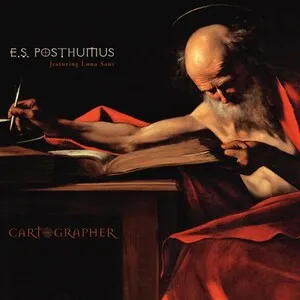
Cartographer
E.S. Posthumus
Epic Music
Electronic
Orchestral
2001
3
/5
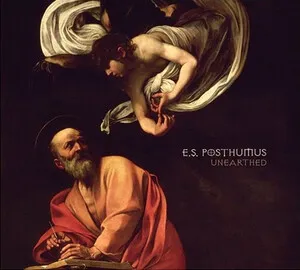
Unearthed
E.S. Posthumus
Epic Music
Cinematic Classical
Downtempo
Makara
E.S. Posthumus
Epic Music
Similar artists
5
/5
Hans Zimmer
Country Dawn
Soundtrack
Classical
5
/5
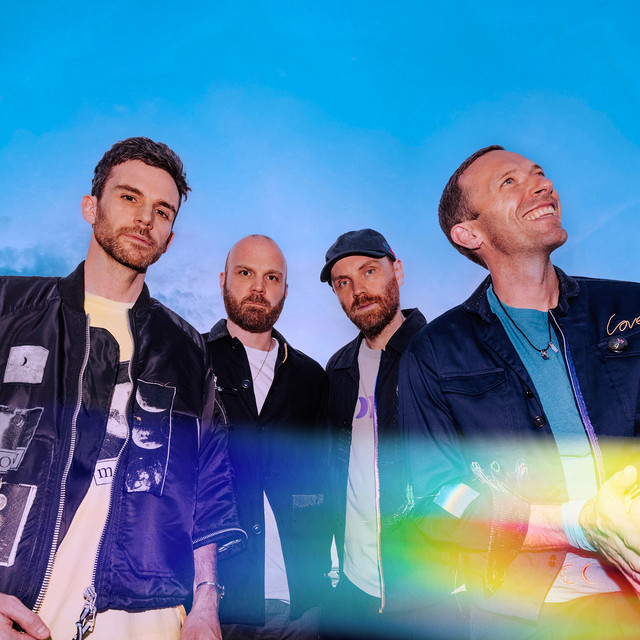
Coldplay
Rock
Permanent Wave
Alternative Rock
4
/5
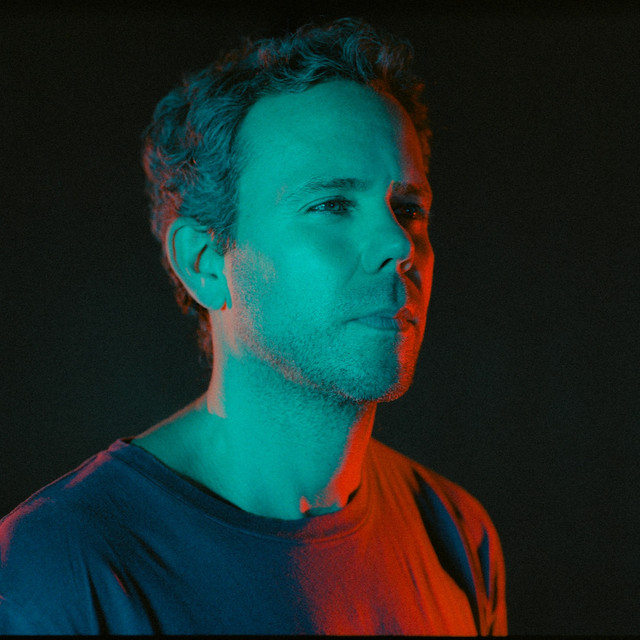
M83
French Shoegaze
French Synthpop
Electronic
4
/5
Lindsey Stirling
Bow Pop
Pop Violin
Pop
4
/5
Two Steps from Hell
Epic Music
Score
Classical
4
/5
Thomas Bergersen
Epic Music
Score
Cinematic Classical
4
/5
Brian Eno
Ambient
Krautrock
Experimental
3
/5
Hammock
Ambient Post-Rock
Space Ambient
Ambient
2
/5
Lights & Motion
Atmospheric Post-Rock
Cinematic Post-Rock
Rock
1
/5
Various Artists
Afro-Funk
Alternative Rock
Ambient
Download our mobile app
Get the Melodigging app and start digging for new genres on the go
Download on the App Store
Get it on Google Play
© 2026 Melodigging
Give feedback
Legal
Melodding was created as a tribute to
Every Noise at Once
, which inspired us to help curious minds keep digging into music's ever-evolving genres.