Genres
Make Music
Artists
Albums
Challenges
Sign in
Sign in
Albums
By E.S. Posthumus
Albums
By E.S. Posthumus
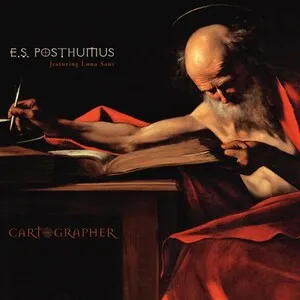
Cartographer
January 1, 2008
Listen
2
/5
Genres
Epic Music
Epic music is a modern, production-oriented orchestral style designed to evoke awe, scale, and cinematic impact. It fuses the language of film scores—soaring strings, heroic brass, thunderous percussion, and choir—with contemporary sound design such as braaams, risers, and hybrid electronic elements. Originally emerging from trailer-music houses, the genre prioritizes dramatic arcs and clear, escalating structures tailored to short-form media. Pieces often build from a low, pulsing ostinato to a towering climax with layered melodies, heavy drums, and choral chants, aiming to inspire, energize, or convey high stakes in a matter of minutes.
Discover
Listen
Rock
Rock is a broad family of popular music centered on amplified instruments, a strong backbeat, and song forms that foreground riffs, choruses, and anthemic hooks. Emerging from mid‑20th‑century American styles like rhythm & blues, country, and gospel-inflected rock and roll, rock quickly expanded in scope—absorbing folk, blues, and psychedelic ideas—while shaping global youth culture. Core sonic markers include electric guitar (often overdriven), electric bass, drum kit emphasizing beats 2 and 4, and emotive lead vocals. Rock songs commonly use verse–chorus structures, blues-derived harmony, and memorable melodic motifs, ranging from intimate ballads to high‑energy, stadium‑sized performances.
Discover
Listen
Electronic
Electronic is a broad umbrella genre defined by the primary use of electronically generated or electronically processed sound. It encompasses music made with synthesizers, drum machines, samplers, computers, and studio/tape techniques, as well as electroacoustic manipulation of recorded or synthetic sources. The genre ranges from academic and experimental traditions to popular and dance-oriented forms. While its sonic palette is rooted in electricity and circuitry, its aesthetics span minimal and textural explorations, structured song forms, and beat-driven club permutations. Electronic emphasizes sound design, timbre, and studio-as-instrument practices as much as melody and harmony.
Discover
Listen
Orchestral
Orchestral music refers to compositions written for an orchestra—a large ensemble typically built around a string section (violins, violas, cellos, double basses), complemented by woodwinds, brass, percussion, and often harp, keyboard, or other auxiliary instruments. A conductor coordinates the ensemble, shaping balance, phrasing, and expression. The style emphasizes coloristic timbre combinations, dynamic range from the softest pianissimo to explosive tuttis, and textures that can shift seamlessly between transparent chamber-like writing and monumental masses of sound. Orchestral writing underpins concert genres such as symphonies, overtures, and tone poems, as well as opera, ballet, and modern film and game scores. While orchestral writing evolved across centuries, its core craft centers on melody, counterpoint, harmony, register, and orchestration—the art of assigning musical ideas to instruments to achieve clarity, contrast, and narrative impact.
Discover
Listen
Similar albums
2001
Unearthed
E.S. Posthumus
2012
Chronicles
Audiomachine
2015
Blurryface
Twenty One Pilots
2013
I Love You.
The Neighbourhood
2025
Deadbeat
Tame Impala
2005
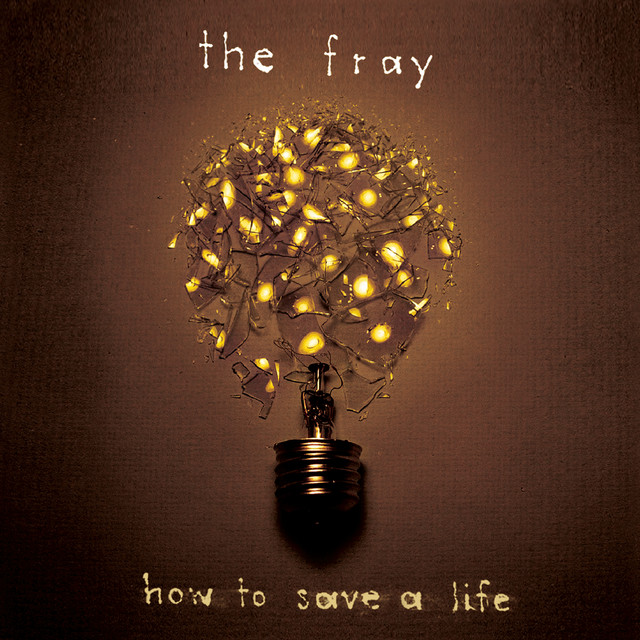
How To Save A Life
The Fray
2018
BALLADS 1
Joji
2018
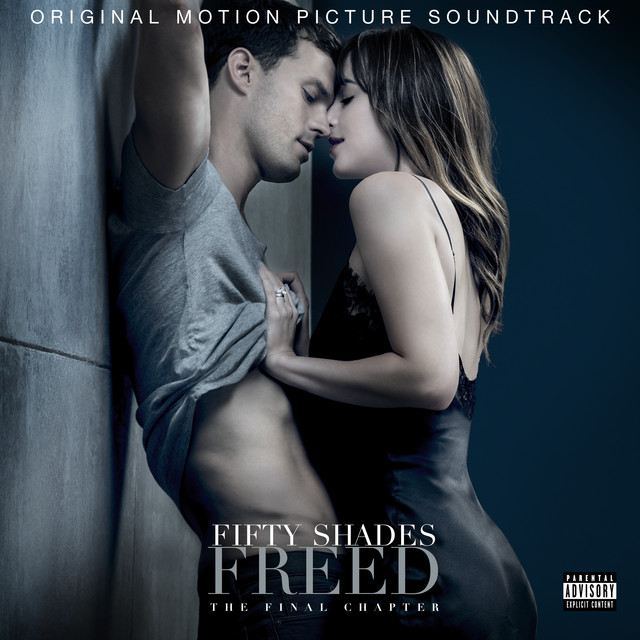
Fifty Shades Freed (Original Motion Picture Soundtrack)
Ellie Goulding
1996
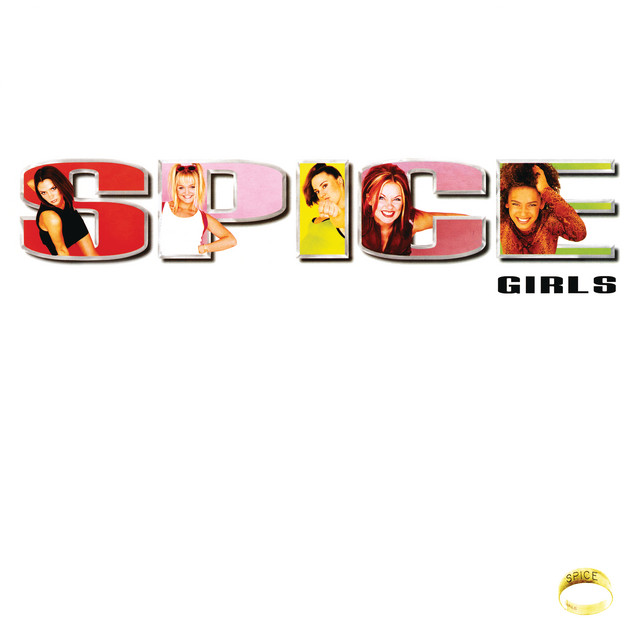
Spice
Spice Girls
2020
Nectar
Joji
Download our mobile app
Get the Melodigging app and start digging for new genres on the go
Download on the App Store
Get it on Google Play
© 2026 Melodigging
Give feedback
Legal
Melodding was created as a tribute to
Every Noise at Once
, which inspired us to help curious minds keep digging into music's ever-evolving genres.