Genres
Artists
Albums
Make Music
Sign in
Sign in
Artists
Avant-Garde
Artists
Avant-Garde
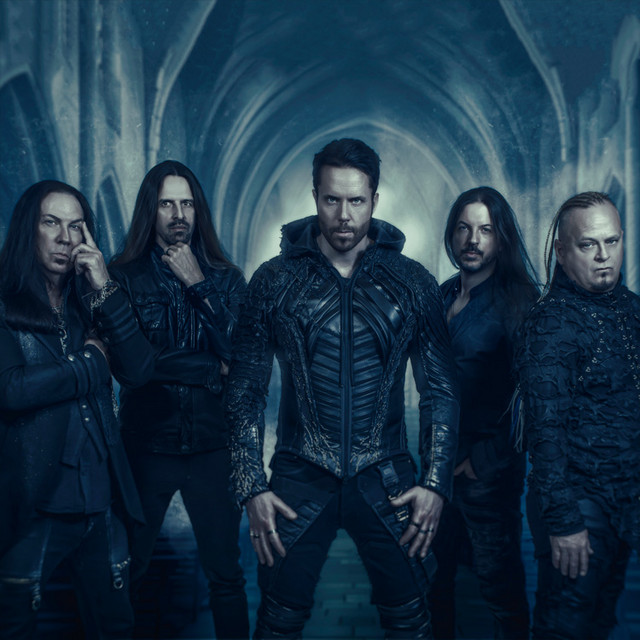
Diablo Swing Orchestra
Listen
2
/5
Genres
Electro Swing
Electro swing fuses the timbres and rhythms of 1920s–1940s swing and big band jazz with modern electronic dance production. Producers sample or recreate vintage horn sections, clarinets, crooner vocals, and walking bass lines, then place them over four‑on‑the‑floor house grooves, syncopated breakbeats, and punchy electronic bass. Typical tempos sit around 110–128 BPM, with swung/shuffle hi‑hats, call‑and‑response horn riffs, and jazz harmony (ii–V–I cadences, extended 7ths/9ths/13ths). Vocals range from retro scat and cabaret‑style singing to contemporary rap or chopped vocal hooks. The result is a playful, dance‑forward sound that feels both nostalgic and fresh: gramophone grit and brass flair meeting club‑ready drums, sidechain swells, and modern sound design.
Discover
Listen
Gothic Metal
Gothic metal is a fusion of the heaviness and slow, atmospheric pull of doom metal with the dark romanticism and melodrama of gothic rock. It emphasizes minor-key harmony, thick guitar textures, and prominent keyboards or orchestral pads to create a brooding, cinematic mood. Vocals range from deep baritone croons and clean female sopranos to harsh growls—sometimes used together in the "beauty-and-the-beast" style. Lyrical themes often explore love and loss, mortality, melancholy, myth, and the supernatural, presented with a sense of theatricality. While centered in metal, the style borrows from dark wave’s somber synths and gothic rock’s atmosphere, leading to variations that lean toward doom, symphonic, or even alternative-leaning approaches.
Discover
Listen
Symphonic Metal
Symphonic metal fuses the power and riff-driven weight of heavy metal with the grandeur of orchestral music, choral writing, and operatic vocals. It often features full-scale symphonic arrangements—either via live orchestras and choirs or through sophisticated sampling—alongside distorted guitars, bass, and double-kick drumming. Hallmarks include cinematic songwriting, classical harmony (minor keys, modal colors, counterpoint), sweeping string ostinati, brass fanfares, and layered choirs. Vocal approaches range from operatic soprano leads to melodic rock vocals and occasional harsh growls. Lyrically, the genre leans toward myth, fantasy, history, philosophy, and romantic or existential themes, delivering an epic, theatrical atmosphere.
Discover
Listen
Progressive Metal
Progressive metal blends the ambition and extended song forms of progressive rock with the heaviness, timbre, and energy of heavy metal. It is characterized by complex arrangements, frequent time‑signature changes, virtuosic instrumental passages, thematic or concept‑driven albums, and a wide dynamic range from delicate, atmospheric sections to aggressive, high‑gain climaxes. Harmonically it draws on modal interchange, chromatic voice‑leading, and jazz‑fusion colors, while rhythmically it favors polymeters, polyrhythms, and metric modulation. Keyboards and layered production often add orchestral or cinematic scope.
Discover
Listen
Avant-Garde Metal
Avant-garde metal is a branch of metal that embraces experimentation as a core principle. It extends the genre’s sonic vocabulary through unusual song forms, dissonant harmony, non-standard instrumentation, and an eagerness to fuse styles that traditionally sit outside heavy music. Where conventional metal often relies on riff-driven structures, avant-garde metal frequently employs through-composed forms, asymmetrical rhythms, and abrupt dynamic shifts. Its palette can include strings, woodwinds, brass, electronics, prepared instruments, and extended vocal techniques alongside distorted guitars and aggressive drums. Lyrically and conceptually, the style leans toward the surreal, the philosophical, and the theatrical. The result is a deliberately challenging, exploratory music that values atmosphere, texture, and surprise as much as impact and heaviness.
Discover
Listen
Metal
Metal (often used to mean heavy metal in its broad, umbrella sense) is a loud, guitar-driven style of rock defined by high-gain distortion, emphatic and often martial rhythms, and a dense, powerful low end. It foregrounds riff-based songwriting, dramatic dynamics, virtuosic guitar solos, and commanding vocals that range from melodic wails to aggressive snarls and growls. Harmonically, metal favors minor modes, modal color (Aeolian, Phrygian), chromaticism, and tritone-inflected tension, while thematically it explores power, mythology, the occult, social critique, fantasy, and existential subjects. While adjacent to hard rock, metal typically pushes amplification, distortion, precision, and thematic intensity further, forming a foundation for many specialized subgenres.
Discover
Listen
Swing
Swing is a jazz style centered on a buoyant, danceable groove created by a walking bass, four-to-the-bar rhythm guitar, a backbeat emphasis on 2 and 4, and a lilted “swung” eighth-note feel. Typically performed by big bands (saxes, trumpets, trombones, and a rhythm section) as well as small combos, it balances written arrangements with improvised solos. Hallmarks include call-and-response between horn sections, riff-based melodies, shout choruses that build intensity near the end of an arrangement, and rich sectional voicings grounded in blues language and ii–V–I harmonic motion. Tempos range from medium to brisk, serving social dances like the Lindy Hop and Jitterbug. Swing’s expressive phrasing, dance-floor focus, and sophisticated arranging made it the dominant popular music of the late 1930s and early 1940s.
Discover
Listen
Avant-Garde
Avant-garde music is an umbrella term for boundary-pushing practices that challenge prevailing norms of harmony, rhythm, timbre, form, and performance. It privileges experimentation, conceptual rigor, and a willingness to reframe what counts as music at all. Historically tied to early 20th‑century artistic modernism, avant-garde music introduced atonality, the emancipation of noise, and new forms of notation and process. It embraces indeterminacy, extended techniques, electronics, spatialization, and multimedia performance, treating sound as material to be sculpted, questioned, and reinvented.
Discover
Listen
Jazz
Jazz is an improvisation-centered music tradition that emerged from African American communities in the early 20th century. It blends blues feeling, ragtime syncopation, European harmonic practice, and brass band instrumentation into a flexible, conversational art. Defining features include swing rhythm (a triplet-based pulse), call-and-response phrasing, blue notes, and extended harmonies built on 7ths, 9ths, 11ths, and 13ths. Jazz is as much a way of making music—spontaneous interaction, variation, and personal sound—as it is a set of forms and tunes. Across its history, jazz has continually hybridized, from New Orleans ensembles and big-band swing to bebop, cool and hard bop, modal and free jazz, fusion, and contemporary cross-genre experiments. Its influence permeates global popular and art music.
Discover
Listen
Show all 9 genres
Similar artists
2
/5
Antimatter
Acoustic Rock
Doom Metal
Gothic Metal
1
/5
Various Artists
Soundtrack
Afro-Funk
Alternative Rock
4
/5
Postmodern Jukebox
Electro Swing
Jazz Pop
Swing
4
/5
Caravan Palace
Electro Swing
Digital Horror
Electronic
4
/5
Parov Stelar
Balkan Beats
Electro Swing
Nu Jazz
3
/5
Epica
Symphonic Metal
Opera Metal
Power Metal
3
/5
Caro Emerald
Electro Swing
Digital Horror
Jazz Blues
3
/5
Kamelot
Power Metal
Progressive Metal
Symphonic Metal
3
/5
Waldeck
Electro Swing
Downtempo
Melancholia
3
/5
Belleruche
Electro Swing
Jazz Blues
Melancholia
Download our mobile app
Get the Melodigging app and start digging for new genres on the go
Download on the App Store
Get it on Google Play
© 2026 Melodigging
Give feedback
Legal
Melodding was created as a tribute to
Every Noise at Once
, which inspired us to help curious minds keep digging into music's ever-evolving genres.