Genres
Artists
Albums
Make Music
Sign in
Sign in
Artists
Experimental Indie Rock
Artists
Experimental Indie Rock
Deerhoof
2003–2025
·
16 albums
Listen
2
/5
Genres
Liminal Space
Liminal space is an internet-borne microgenre/aesthetic of ambient and vaporwave-adjacent music that aims to evoke the uncanny feeling of being in empty transitional places—deserted school corridors, unlit parking structures, late-night office lobbies, or closed shopping malls. Sonically, it blends hushed drones, diffuse synth pads, tape hiss, and faraway environmental noises with fragments of public-address announcements or detuned muzak. The harmonic language is static, unresolved, and memory-like, with slow fades, extreme reverberation, and time-stretching that flatten the sense of motion. The result is a dreamlike, nostalgic, and often eerie atmosphere that feels suspended between past and present, presence and absence.
Discover
Listen
Math Pop
Math pop blends the brainy rhythmic intricacy of math rock with the accessibility and hooks of pop. It favors bright timbres, clean production, and earworm melodies while weaving in odd time signatures, polymeter, and angular, interlocking parts. Guitars, synths, and tightly arranged rhythm sections emphasize staccato figures, sudden turnarounds, and irregular phrase lengths, yet songs typically retain verse–chorus structures and memorable refrains. Vocals often lean toward agile, high-register lines (including falsetto), stacked harmonies, and lyrical themes that are literate or abstract, balancing heady construction with immediate, danceable energy.
Discover
Listen
Post-Rock
Post-rock is a style that uses traditional rock instrumentation—guitars, bass, drums, and often piano or strings—to create expansive textures, evolving soundscapes, and dynamic arcs rather than conventional verse–chorus songs. It emphasizes timbre, atmosphere, and gradual development: clean or lightly overdriven guitars drenched in delay and reverb, cyclical ostinatos, layered crescendos, and pronounced quiet–loud dynamics. Vocals, if present, are often sparse, wordless, or treated as another textural layer. The genre draws heavily from ambient, minimalism, krautrock, progressive and space rock, shoegaze, noise rock, and experimental practices, yielding music that can feel cinematic, contemplative, and emotionally cathartic.
Discover
Listen
Experimental Indie Rock
Experimental indie rock is a strain of indie/DIY rock that prioritizes sonic experimentation over commercial forms. It blends the independent ethos and songcraft of indie rock with the boundary‑pushing techniques of experimental and avant‑rock—embracing unconventional structures, noise textures, extended techniques, collage, and atypical tunings. Its aesthetics draw on post‑punk abrasion, no wave’s anti‑formalism, and the studio-as-instrument approach inherited from earlier experimental rock, but it is rooted in small labels, basement venues, and artist-led scenes typical of indie culture. In the 2000s, the style increasingly intersected with noise, improv, and electro‑acoustic processes while remaining recognizably “rock.”
Discover
Listen
Indie Rock
Indie rock is a subgenre of rock and a branch of alternative rock that coalesced in the early–mid 1980s around independent labels and DIY practices in the United Kingdom, the United States, and New Zealand. Defined less by a single sound than by an ethos, indie rock favors non‑mainstream approaches, self‑recording and small‑label distribution, and an interest in pop‑informed melody and eclectic experimentation. Hallmarks include jangly or fuzzed guitars, intimate or deadpan vocals, off‑kilter song structures, and production that often preserves a raw, “authentic” feel rather than glossy studio polish.
Discover
Listen
Noise Pop
Noise pop blends the tunefulness and hook-centric structures of pop with abrasive textures such as feedback, distortion, and tape hiss. It typically features bright, simple melodies buried beneath a dense, overdriven "wall of sound," with vocals often mixed low or coated in reverb. The aesthetic draws on 1960s girl-group and power-pop songwriting but delivers it through punk-informed energy and noise-rock sonics, creating music that is simultaneously sweet and scuffed.
Discover
Listen
Indie
Indie (short for “independent”) began as music made and released outside the major-label system, where a DIY ethos shaped everything from songwriting and recording to artwork and touring. As a sound, indie is eclectic but often features jangly or overdriven guitars, intimate or understated vocals, melodic basslines, and unvarnished production that foregrounds authenticity over gloss. It spans rock, pop, and folk while welcoming electronic textures and lo‑fi aesthetics. Lyrics typically focus on personal observation, small details, and wry self-awareness rather than overt virtuosity or spectacle. Beyond style, indie describes a culture: small labels and stores, college/alternative radio, fanzines/blogs, community venues, and scenes that value experimentation, individuality, and artistic control.
Discover
Listen
Math Rock
Math rock is a subgenre of indie and experimental rock defined by complex, irregular rhythms, sudden dynamic shifts, and angular, interlocking guitar lines. It frequently employs odd and mixed meters (such as 5/4, 7/8, 11/8), polyrhythms, start–stop figures, and intricate syncopation. Guitars often favor clean or lightly overdriven tones, tapping, and harmonically adventurous voicings over traditional power-chord riffing. Vocals, if present, are usually sparse, textural, or rhythmically coordinated with the ensemble rather than the primary focal point. Aesthetically, math rock draws from the precision and structural ambition of progressive rock, the urgency of post-hardcore, and the textural curiosity of indie and noise rock, resulting in music that feels both cerebral and visceral.
Discover
Listen
Lo-Fi
Lo-fi is a music aesthetic and genre defined by an embrace of audible imperfections—tape hiss, clipping, room noise, distorted transients, and uneven performance—that would be treated as errors in high-fidelity recording. Emerging from the DIY ethos of American indie and punk scenes, lo-fi turns budget constraints and home-recording limitations into a signature sound. Songs are often intimate, direct, and unvarnished, prioritizing immediacy and personality over polish. Typical lo-fi recordings use 4-track cassette or similarly modest setups, simple chord progressions, and understated vocals, spanning rock, folk, pop, and experimental approaches while retaining a homemade warmth and nostalgic patina.
Discover
Listen
Post-Punk
Post-punk is a broadly experimental strain of rock that emerged in the late 1970s as artists sought to push beyond the speed, simplicity, and orthodoxy of first-wave punk. It typically features angular, bass-forward grooves; jagged or minimal guitar lines; stark, spacious production; and an openness to dub, funk, electronic, and avant-garde ideas. Lyrics often examine alienation, urban decay, politics, and the inner life with artful or abstract delivery. A studio-as-instrument approach, emphasis on rhythm section interplay, and an appetite for non-rock textures (tape effects, drum machines, found sound, synths) distinguish the style. The result can be danceable yet tense, cerebral yet visceral, and emotionally restrained yet intensely expressive.
Discover
Listen
Neo-Psychedelia
Neo-psychedelia is a late-20th-century revival and reinvention of 1960s psychedelic music aesthetics, filtered through post-punk, indie, and experimental sensibilities. It emphasizes hypnotic textures, droning guitars, heavy use of effects (reverb, delay, phasing), analogue organs/synths, and dreamlike or surreal lyricism. Rhythms may draw from motorik and other steady, trance-inducing grooves, while harmony often favors modal colors and repetitive vamps. The style ranges from jangly, melodic songs to dense, feedback-laden soundscapes, and has been highly influential on dream pop, shoegaze, Britpop-adjacent scenes, and modern psych rock.
Discover
Listen
Experimental Rock
Experimental rock is a broad, exploratory branch of rock music that prioritizes innovation over convention. It stretches rock’s core instrumentation and song forms through unusual timbres, extended techniques, nonstandard tunings, chance procedures, and studio-as-instrument production. Drawing on avant-garde composition, free jazz, minimalism, and electronic/tape music, experimental rock often rejects verse–chorus structures in favor of drones, suites, collage, and improvisation. It embraces dissonance and noise as expressive tools, employs odd or fluid meters, and incorporates non-rock instruments, found sounds, and unconventional recording methods. The result is a lineage of music that treats rock not as a fixed style but as a laboratory for new sound worlds.
Discover
Listen
Art Rock
Art rock is a branch of rock music that treats the studio and the album as spaces for artistic experimentation, emphasizing conceptual ideas, ambitious arrangements, and cross-pollination with modernist and avant-garde traditions. It typically favors extended song forms, thematic or conceptual unity, and non-standard instrumentation (strings, woodwinds, synthesizers) alongside rock’s core band setup. Lyrically, it leans toward literary, surreal, or philosophical subjects and often adopts theatrical presentation. Where mainstream rock centers on immediacy and hooks, art rock embraces risk: unusual time signatures, timbral exploration, complex harmony, tape and electronic manipulation, and interludes that draw from classical, jazz, minimalism, and experimental music.
Discover
Listen
Rock
Rock is a broad family of popular music centered on amplified instruments, a strong backbeat, and song forms that foreground riffs, choruses, and anthemic hooks. Emerging from mid‑20th‑century American styles like rhythm & blues, country, and gospel-inflected rock and roll, rock quickly expanded in scope—absorbing folk, blues, and psychedelic ideas—while shaping global youth culture. Core sonic markers include electric guitar (often overdriven), electric bass, drum kit emphasizing beats 2 and 4, and emotive lead vocals. Rock songs commonly use verse–chorus structures, blues-derived harmony, and memorable melodic motifs, ranging from intimate ballads to high‑energy, stadium‑sized performances.
Discover
Listen
Pop
Pop is a broad, hook-driven style of popular music designed for wide appeal. It emphasizes memorable melodies, concise song structures, polished vocals, and production intended for radio, charts, and mass media. While pop continually absorbs elements from other styles, its core remains singable choruses, accessible harmonies, and rhythmic clarity. Typical forms include verse–pre-chorus–chorus, frequent use of bridges and middle-eights, and ear-catching intros and outros. Pop is not defined by a single instrumentation. It flexibly incorporates acoustic and electric instruments, drum machines, synthesizers, and increasingly digital production techniques, always in service of the song and the hook.
Discover
Listen
Nature Recordings
Nature recordings are unaccompanied, minimally edited captures of natural soundscapes such as birdsong, wind, rain, surf, rivers, amphibians, insects, and other environmental ambiences. The emphasis is on documentary fidelity, long-form listening, and preserving dynamic range rather than musical composition in the traditional sense. Releases often present extended, uninterrupted tracks from a single habitat or time window (e.g., dawn chorus, coastal storm, tropical rainforest at night), inviting listeners to experience place through sound. While closely related to field recording and soundscape composition, nature recordings typically avoid added instruments or overt sound design, privileging biophony and geophony with as little anthrophony (human-made noise) as possible.
Discover
Listen
Electronic
Electronic is a broad umbrella genre defined by the primary use of electronically generated or electronically processed sound. It encompasses music made with synthesizers, drum machines, samplers, computers, and studio/tape techniques, as well as electroacoustic manipulation of recorded or synthetic sources. The genre ranges from academic and experimental traditions to popular and dance-oriented forms. While its sonic palette is rooted in electricity and circuitry, its aesthetics span minimal and textural explorations, structured song forms, and beat-driven club permutations. Electronic emphasizes sound design, timbre, and studio-as-instrument practices as much as melody and harmony.
Discover
Listen
Show all 17 genres
Albums
2025
1
/5
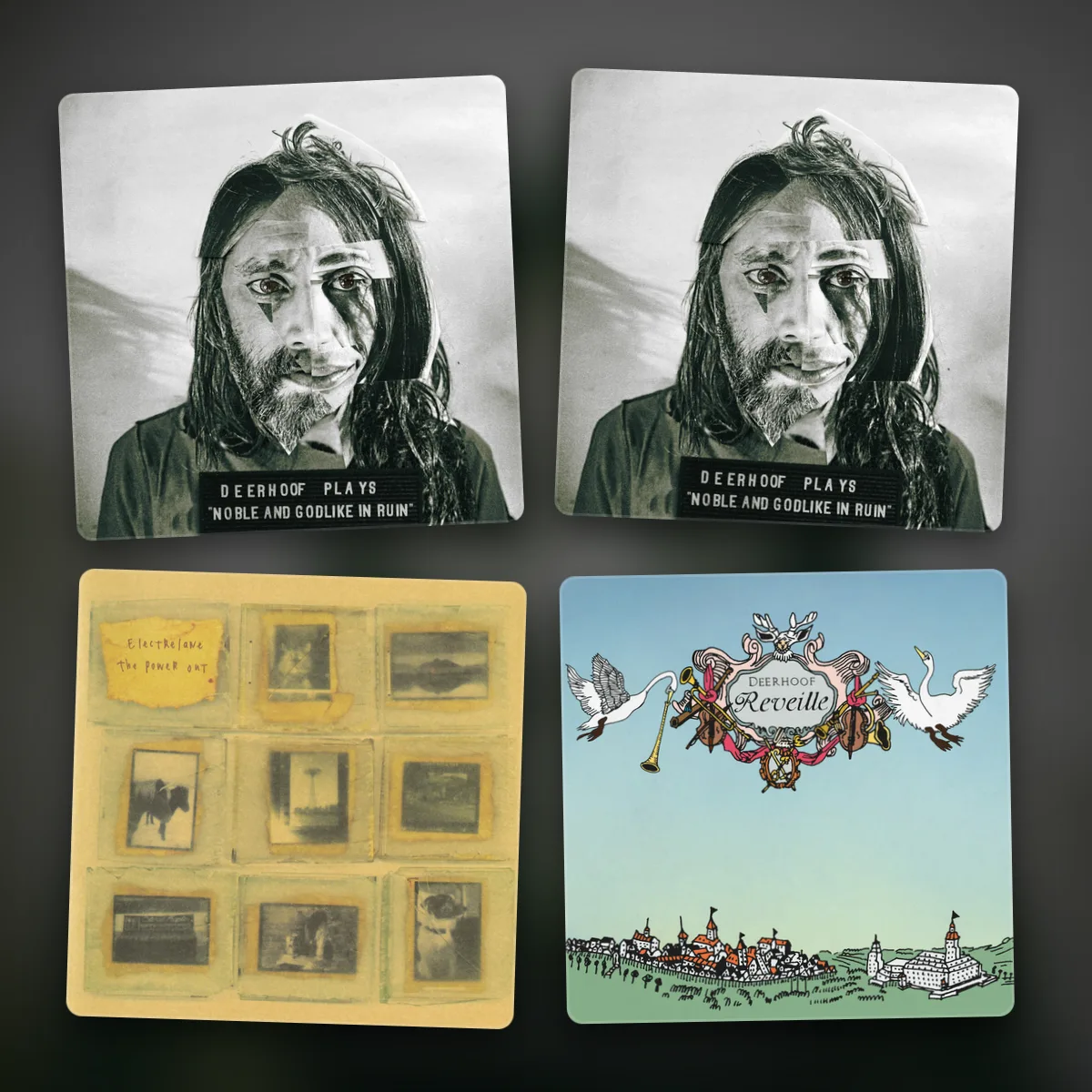
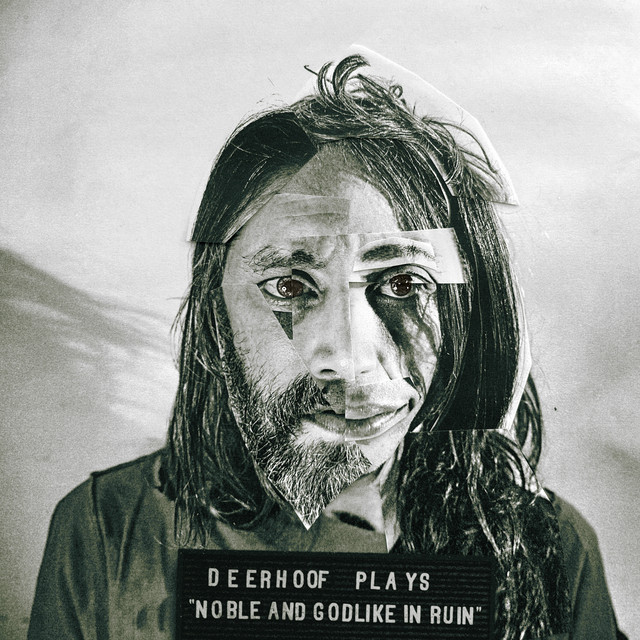
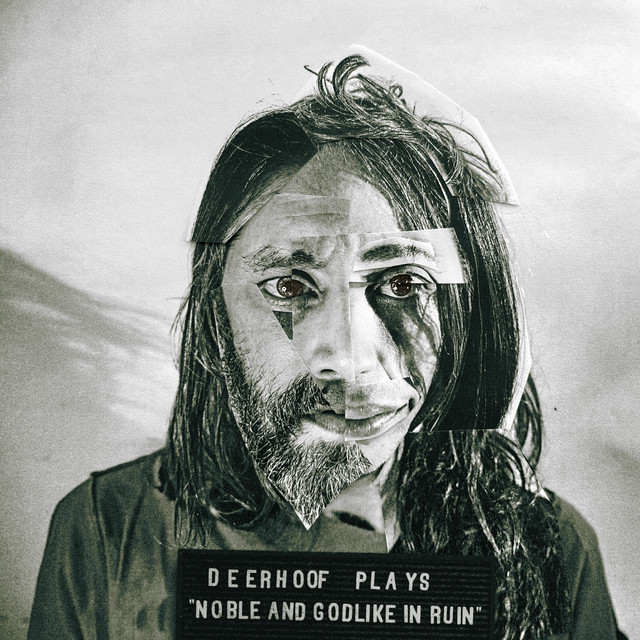
Noble and Godlike in Ruin
Deerhoof
Experimental Indie Rock
Experimental Rock
Post-Punk
2025
1
/5
Immigrant Songs
Deerhoof
Experimental Indie Rock
Experimental Rock
2025
1
/5
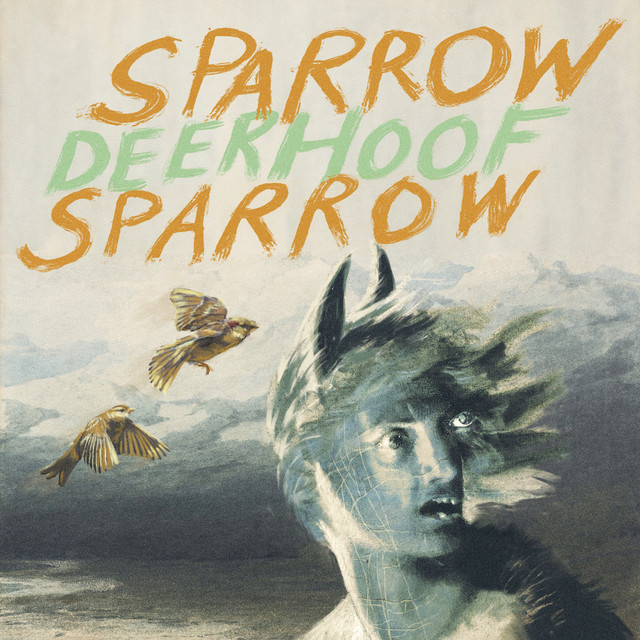
Sparrow Sparrow f/w Overrated Species Anyhow
Deerhoof
Experimental Indie Rock
Experimental Rock
Math Pop
2024
1
/5
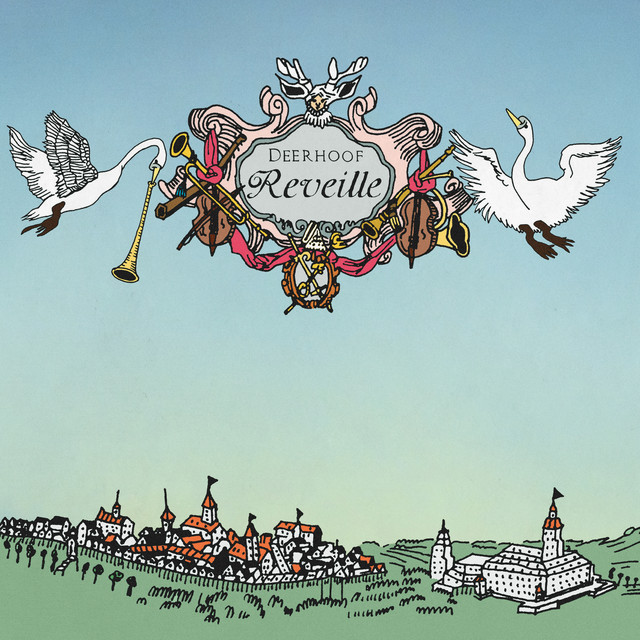
Almuatin
Deerhoof
Experimental Indie Rock
Experimental Rock
2022
1
/5
My Lovely Cat!
Deerhoof
Experimental Indie Rock
2021
1
/5
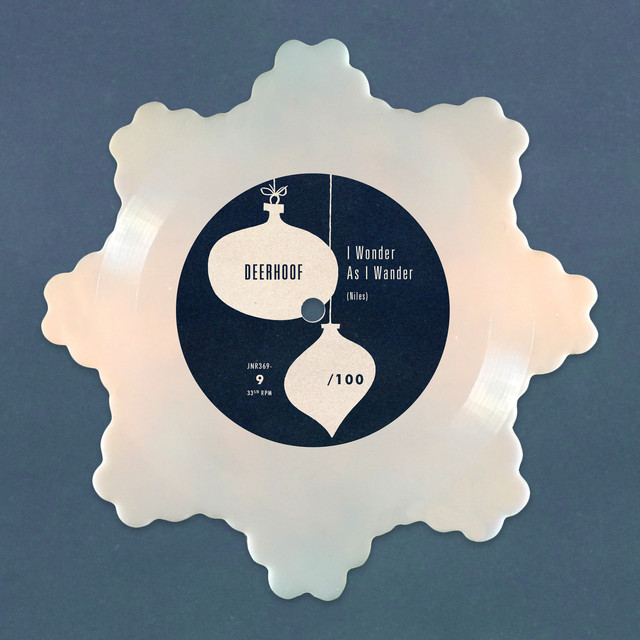
I Wonder As I Wander
Deerhoof
Experimental Indie Rock
2017
1
/5
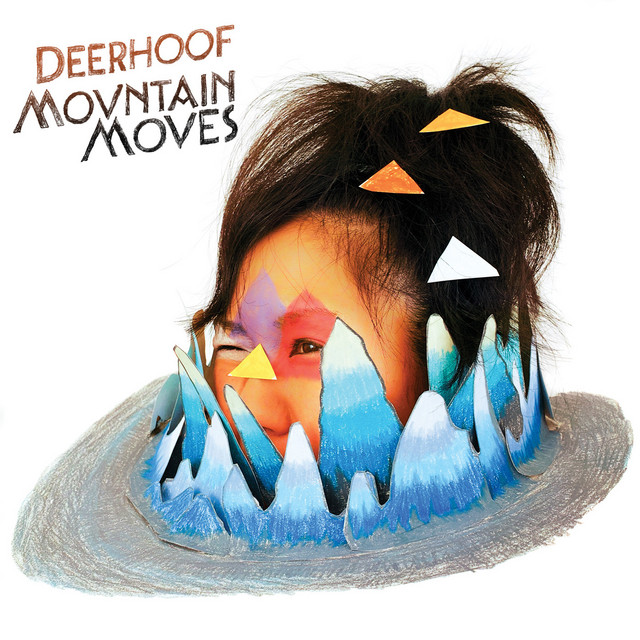
Mountain Moves
Deerhoof
Experimental Indie Rock
Art Rock
Indie Rock
2016
1
/5
The Magic
Deerhoof
Experimental Indie Rock
Experimental Rock
Indie Rock
2014
1
/5
La Isla Bonita
Deerhoof
Experimental Indie Rock
2012
1
/5
Breakup Song
Deerhoof
Experimental Indie Rock
Electronic
Noise Pop
2011
1
/5
Deerhoof vs. Evil (Deluxe Edition)
Deerhoof
Experimental Indie Rock
2009
1
/5
Offend Maggie
Deerhoof
Math Pop
Indie Rock
Pop
2007
1
/5
Friend Opportunity
Deerhoof
Experimental Indie Rock
Indie Rock
Pop
2005
1
/5
The Runners Four
Deerhoof
Experimental Indie Rock
Indie
Indie Rock
2004
1
/5
Milk Man
Deerhoof
Math Pop
Indie Rock
Math Rock
2003
1
/5
Apple O’
Deerhoof
Experimental Indie Rock
Similar artists
1
/5
Various Artists
Afro-Funk
Alternative Rock
Ambient
3
/5
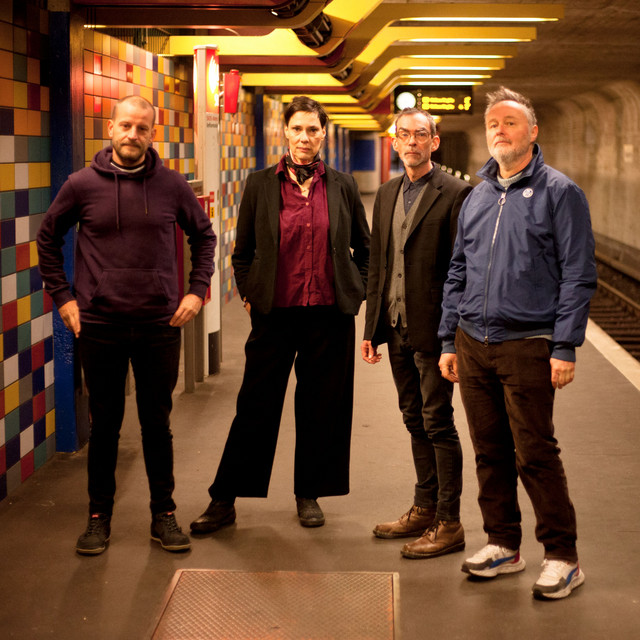
Electrelane
Experimental Indie Rock
Krautrock
Indie Rock
5
/5
Radiohead
Alternative Rock
Art Rock
Melancholia
3
/5
Stereolab
Experimental Rock
No Wave
Post-Rock
3
/5
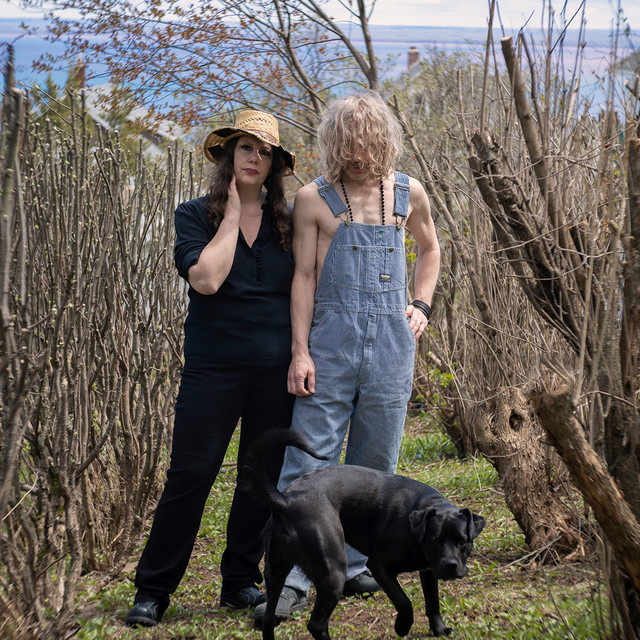
Low
Slowcore
Post-Rock
Rock
3
/5
The Modern Lovers
Experimental Rock
No Wave
Proto-Punk
3
/5
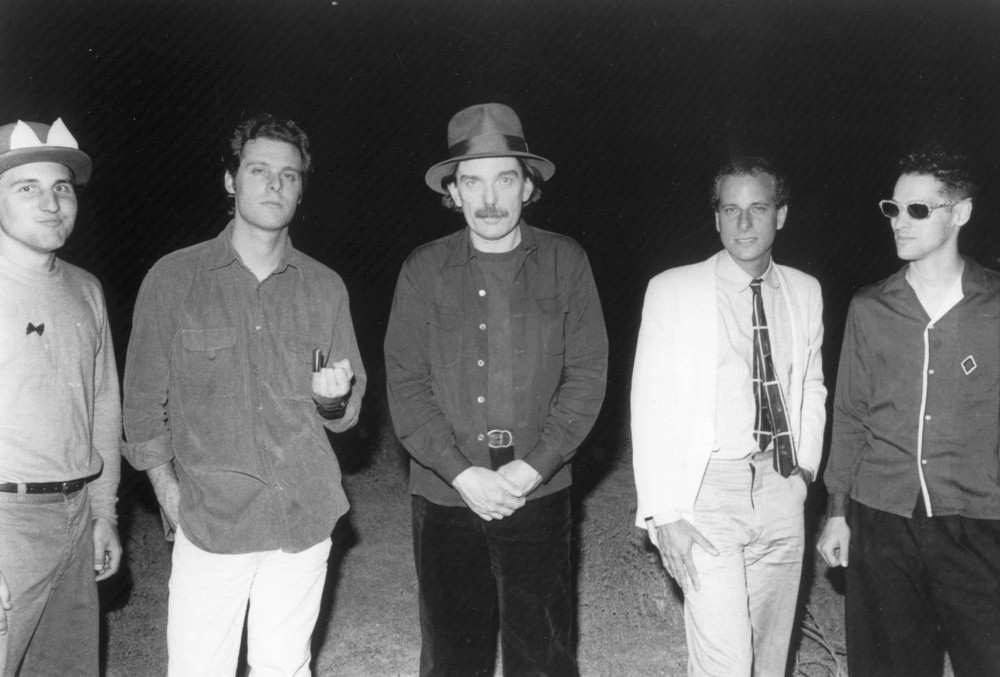
Captain Beefheart & His Magic Band
Outsider
Avant-Garde
Art Rock
3
/5
Minus the Bear
Math Pop
Math Rock
Rock
2
/5
Enon
Experimental Indie Rock
Rock
Alternative Rock
2
/5
Horse Lords
Totalism
Experimental
Experimental Indie Rock
Download our mobile app
Get the Melodigging app and start digging for new genres on the go
Download on the App Store
Get it on Google Play
© 2026 Melodigging
Give feedback
Legal
Melodding was created as a tribute to
Every Noise at Once
, which inspired us to help curious minds keep digging into music's ever-evolving genres.