Genres
Artists
Albums
Make Music
Sign in
Sign in
Artists
Totalism
Artists
Totalism
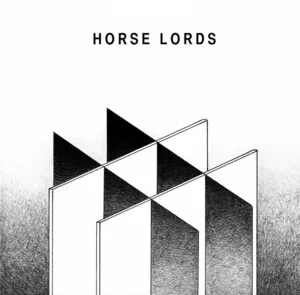
Horse Lords
2013–2023
·
9 albums
Listen
2
/5
Genres
Totalism
Totalism is a postminimalist current in American contemporary composition that emerged in New York City at the turn of the 1990s. It pairs minimalism’s driving repetition and clear harmonies with the simultaneous layering of contrasting tempos, meters, and rhythmic cycles. Where classic minimalism often favors a single steady pulse, totalism embraces multiple, coexisting pulses—often in rational tempo ratios (such as 3:2, 4:3, 5:4)—to create grooves that are both propulsive and metrically intricate. Its sound world frequently mixes amplified chamber ensembles with rock instrumentation (drum set, electric guitar and bass) and draws rhythmic inspiration from rock, funk, and global polyrhythms. Aesthetically, totalism sought a middle path between the austerity of modernist complexity and the smooth surfaces of early minimalism: music that is visceral and loud, yet intellectually and rhythmically detailed.
Discover
Listen
Post-Rock
Post-rock is a style that uses traditional rock instrumentation—guitars, bass, drums, and often piano or strings—to create expansive textures, evolving soundscapes, and dynamic arcs rather than conventional verse–chorus songs. It emphasizes timbre, atmosphere, and gradual development: clean or lightly overdriven guitars drenched in delay and reverb, cyclical ostinatos, layered crescendos, and pronounced quiet–loud dynamics. Vocals, if present, are often sparse, wordless, or treated as another textural layer. The genre draws heavily from ambient, minimalism, krautrock, progressive and space rock, shoegaze, noise rock, and experimental practices, yielding music that can feel cinematic, contemplative, and emotionally cathartic.
Discover
Listen
Experimental Indie Rock
Experimental indie rock is a strain of indie/DIY rock that prioritizes sonic experimentation over commercial forms. It blends the independent ethos and songcraft of indie rock with the boundary‑pushing techniques of experimental and avant‑rock—embracing unconventional structures, noise textures, extended techniques, collage, and atypical tunings. Its aesthetics draw on post‑punk abrasion, no wave’s anti‑formalism, and the studio-as-instrument approach inherited from earlier experimental rock, but it is rooted in small labels, basement venues, and artist-led scenes typical of indie culture. In the 2000s, the style increasingly intersected with noise, improv, and electro‑acoustic processes while remaining recognizably “rock.”
Discover
Listen
Math Rock
Math rock is a subgenre of indie and experimental rock defined by complex, irregular rhythms, sudden dynamic shifts, and angular, interlocking guitar lines. It frequently employs odd and mixed meters (such as 5/4, 7/8, 11/8), polyrhythms, start–stop figures, and intricate syncopation. Guitars often favor clean or lightly overdriven tones, tapping, and harmonically adventurous voicings over traditional power-chord riffing. Vocals, if present, are usually sparse, textural, or rhythmically coordinated with the ensemble rather than the primary focal point. Aesthetically, math rock draws from the precision and structural ambition of progressive rock, the urgency of post-hardcore, and the textural curiosity of indie and noise rock, resulting in music that feels both cerebral and visceral.
Discover
Listen
Krautrock
Krautrock is an experimental form of rock that emerged in late-1960s West Germany, characterized by hypnotic repetition, long-form structures, and a forward-looking embrace of electronics and studio experimentation. It typically features a steady, driving 4/4 “motorik” beat, circular bass ostinatos, sparse harmonic movement, and textural layering that draws from minimalism, free improvisation, and avant-garde composition. Rather than virtuosic solos, the emphasis is on collective groove, trance-inducing momentum, and timbral exploration. The sound ranges from raw, percussive jams to spacious, cosmic electronics, often eschewing conventional Anglo-American blues forms in favor of a distinctly European modernist aesthetic.
Discover
Listen
Experimental Rock
Experimental rock is a broad, exploratory branch of rock music that prioritizes innovation over convention. It stretches rock’s core instrumentation and song forms through unusual timbres, extended techniques, nonstandard tunings, chance procedures, and studio-as-instrument production. Drawing on avant-garde composition, free jazz, minimalism, and electronic/tape music, experimental rock often rejects verse–chorus structures in favor of drones, suites, collage, and improvisation. It embraces dissonance and noise as expressive tools, employs odd or fluid meters, and incorporates non-rock instruments, found sounds, and unconventional recording methods. The result is a lineage of music that treats rock not as a fixed style but as a laboratory for new sound worlds.
Discover
Listen
Experimental
Experimental music is an umbrella term for practices that prioritize exploration, process, and discovery over adherence to established genre norms. It embraces new sound sources, nonstandard tuning systems, indeterminacy and chance operations, graphic and open-form scores, extended techniques, and technology-led sound design (tape, electronics, computers, and live processing). Rather than a single style, it is a methodology and ethos: testing hypotheses about sound, structure, and performance, often blurring boundaries between composition, improvisation, sound art, and performance art. Listeners can expect unfamiliar timbres, unusual forms, and an emphasis on how music is made as much as the resulting sound.
Discover
Listen
Rock
Rock is a broad family of popular music centered on amplified instruments, a strong backbeat, and song forms that foreground riffs, choruses, and anthemic hooks. Emerging from mid‑20th‑century American styles like rhythm & blues, country, and gospel-inflected rock and roll, rock quickly expanded in scope—absorbing folk, blues, and psychedelic ideas—while shaping global youth culture. Core sonic markers include electric guitar (often overdriven), electric bass, drum kit emphasizing beats 2 and 4, and emotive lead vocals. Rock songs commonly use verse–chorus structures, blues-derived harmony, and memorable melodic motifs, ranging from intimate ballads to high‑energy, stadium‑sized performances.
Discover
Listen
Show all 8 genres
Albums
2023
1
/5
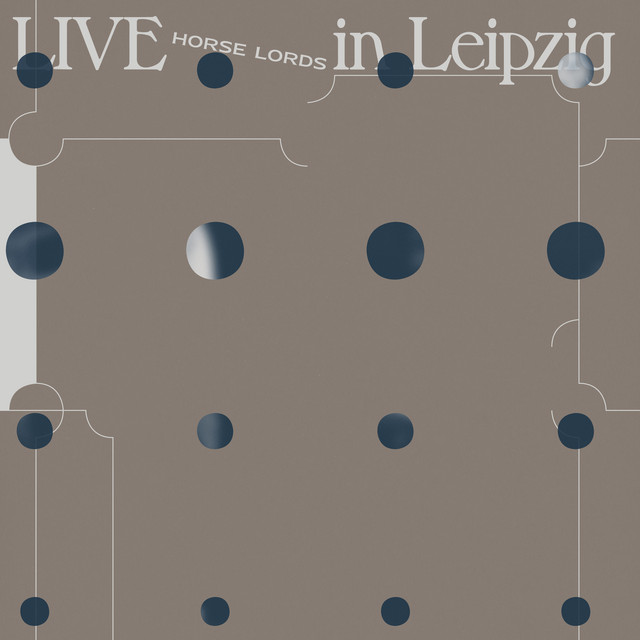
Live in Leipzig
Horse Lords
Totalism
2022
2
/5
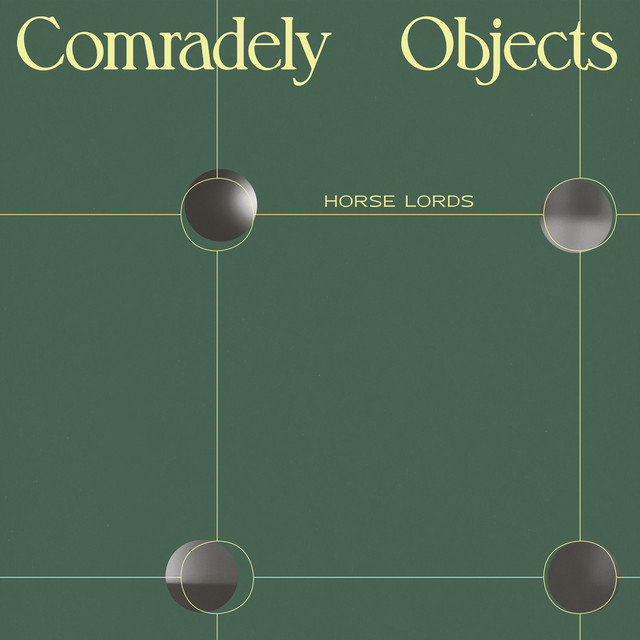
Comradely Objects
Horse Lords
Totalism
Experimental Indie Rock
Experimental
2020
1
/5
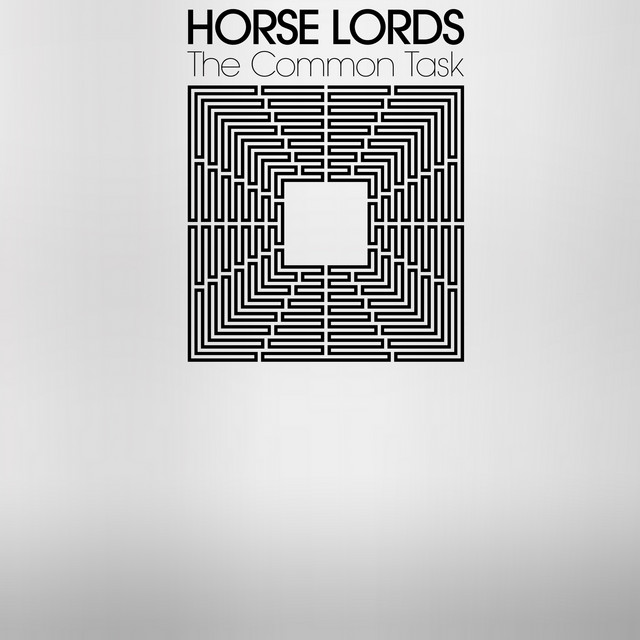
The Common Task
Horse Lords
Totalism
Experimental Indie Rock
Experimental
2020
2
/5
The Common Task
Horse Lords
Totalism
Experimental Indie Rock
2016
1
/5
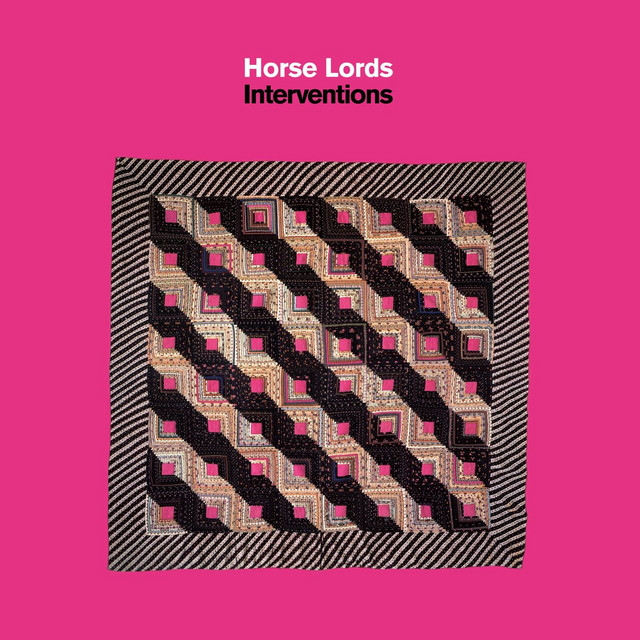
Interventions
Horse Lords
Totalism
Experimental
Post-Rock
2016
1
/5
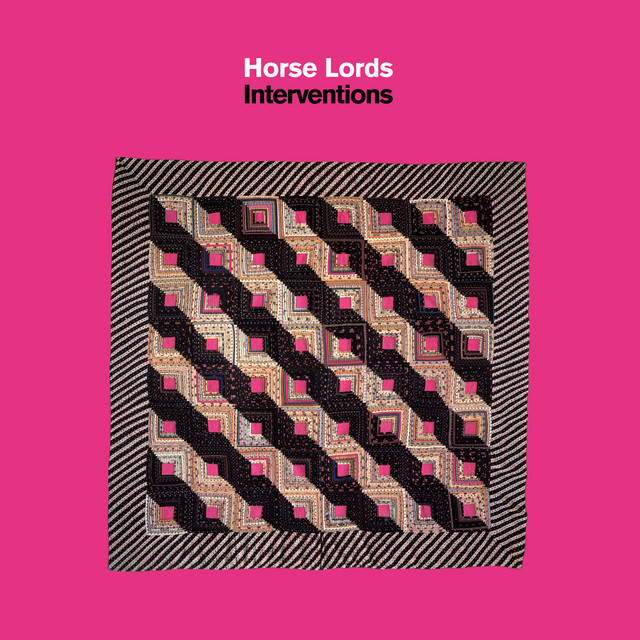
Interventions
Horse Lords
Totalism
Experimental Indie Rock
Experimental
2016
1
/5
Interventions
Horse Lords
Totalism
2014
1
/5
Hidden Cities
Horse Lords
Totalism
Experimental
Krautrock
2013
1
/5
Horse Lords
Horse Lords
Totalism
Similar artists
1
/5
Various Artists
Afro-Funk
Alternative Rock
Ambient
1
/5
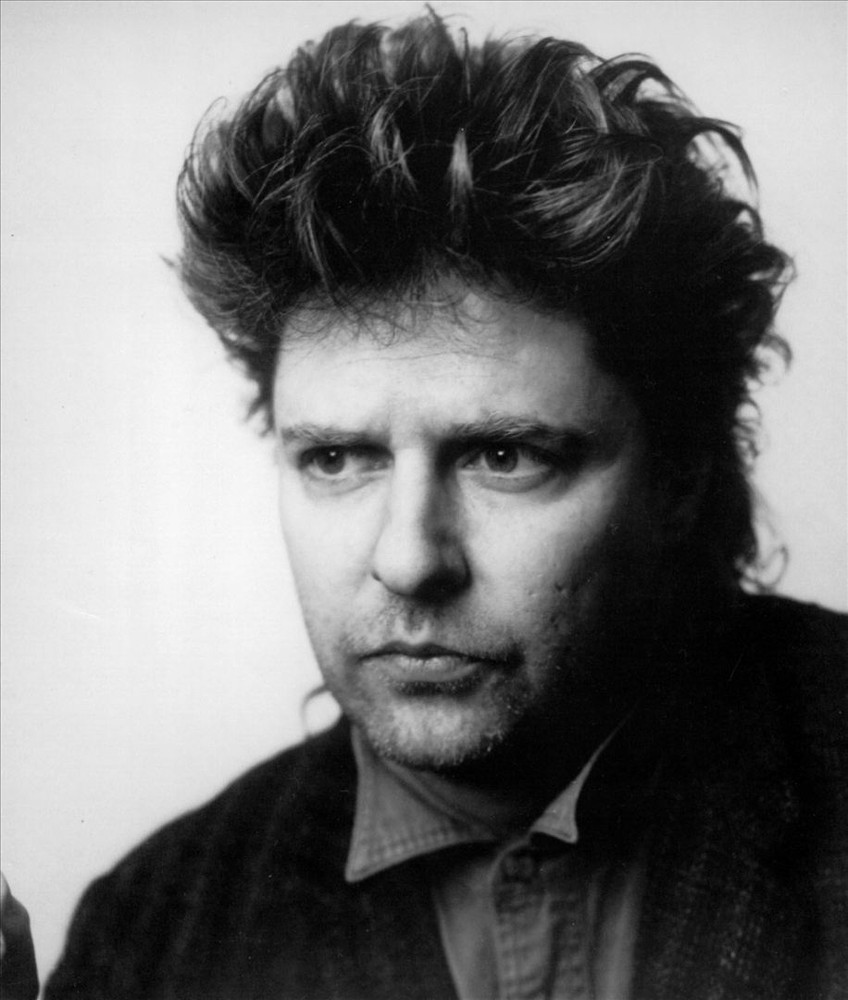
Glenn Branca
Totalism
Avant-Garde
Experimental
3
/5
Stereolab
Experimental Rock
No Wave
Post-Rock
3
/5
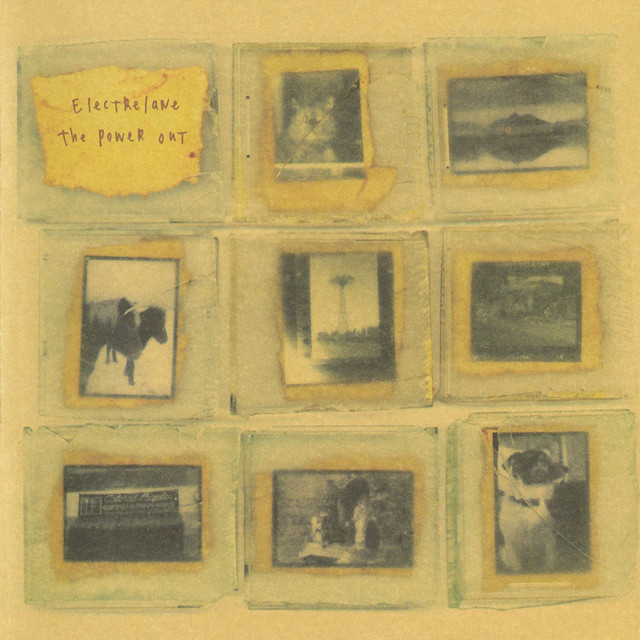
Electrelane
Experimental Indie Rock
Krautrock
Indie Rock
2
/5
Joan Of Arc
Emo
Post-Rock
Indie Rock
2
/5
OOIOO
Avant-Garde
Experimental
Krautrock
3
/5
Goat
Psychedelic Doom
Psychedelic Rock
Neo-Psychedelia
2
/5
Liturgy
Totalism
Experimental Black Metal
Black Metal
4
/5
Brian Eno
Ambient
Krautrock
Experimental
3
/5
Swans
Experimental Rock
Post-Rock
No Wave
Download our mobile app
Get the Melodigging app and start digging for new genres on the go
Download on the App Store
Get it on Google Play
© 2026 Melodigging
Give feedback
Legal
Melodding was created as a tribute to
Every Noise at Once
, which inspired us to help curious minds keep digging into music's ever-evolving genres.