Genres
Artists
Albums
Make Music
Sign in
Sign in
Artists
Otacore
Artists
Otacore
CreepP
2020
·
1 album
Listen
3
/5
Genres
Scenecore
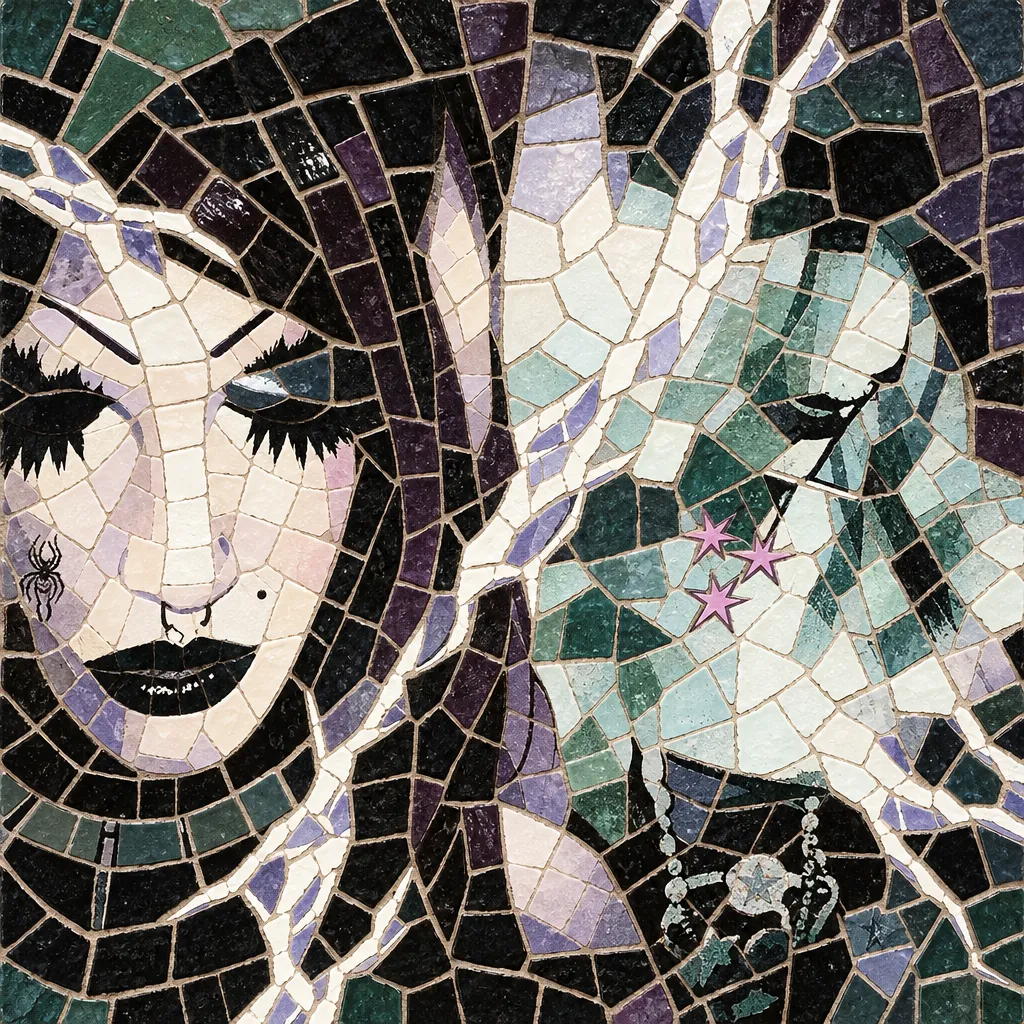
Scenecore is a net-native microgenre that revives mid‑2000s “scene kid” aesthetics—neon hair, slasher/gore imagery, and MySpace-era melodrama—inside a 2020s hyperpop/digicore production framework. Sonically it blends sped‑up, pitch‑shifted “kawaii” vocals with harsh, clipping drums and distorted 808s, breakcore-like edits, trancey supersaws, and nintendocore/Video‑game timbres. Hooks are chantable and meme-ready, lyrics swing between confessional emo and tongue‑in‑cheek horror, and the entire presentation is designed for short‑form virality on TikTok, SoundCloud, and Discord-driven micro‑communities. The result is an aggressive, glossy, and maximal style that feels simultaneously nostalgic and ultra‑online: part nightcore rush, part screamo‑rap catharsis, part cyber‑club euphoria.
Discover
Listen
Pumpcore
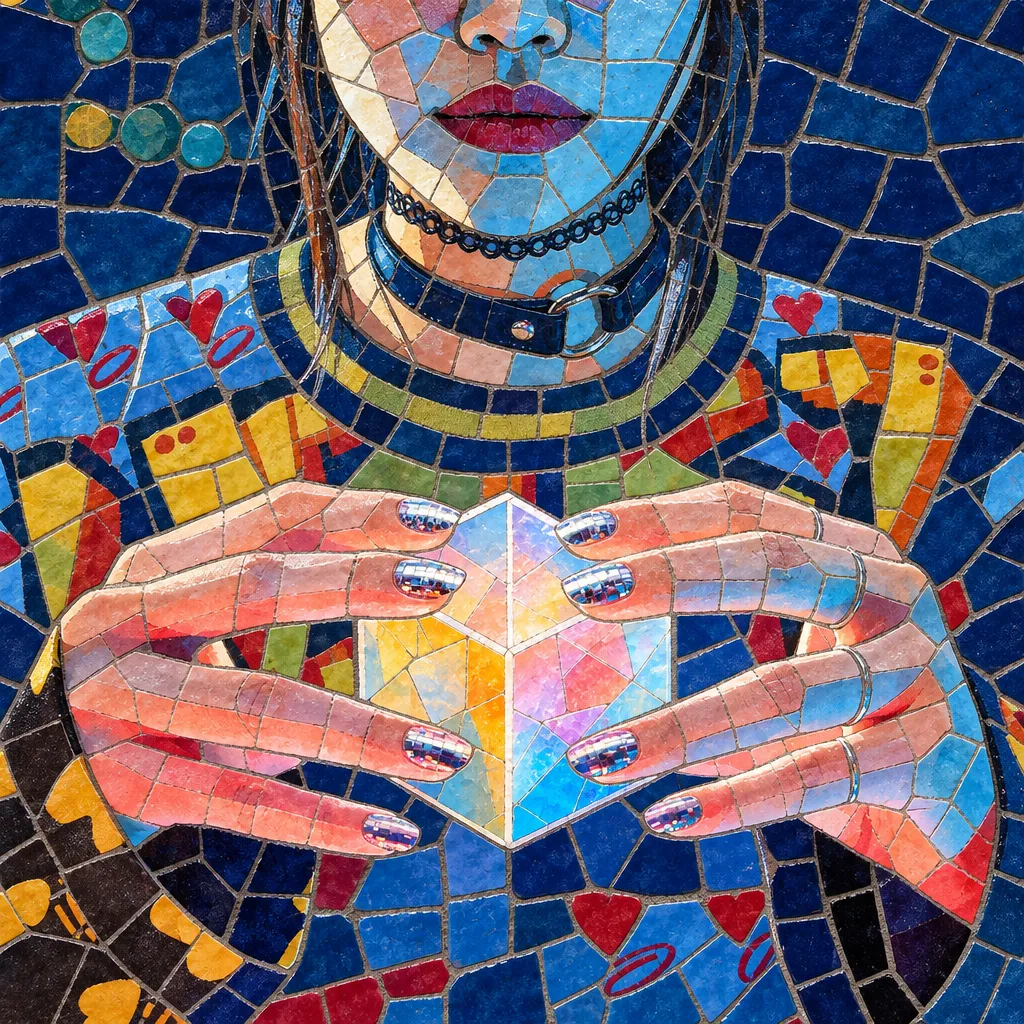
Pumpcore is a hyper-energetic, gym-oriented microgenre that blends blown-out bass, sped-up hooks, and hard-hitting drops tailored for workout intensity and short-form video edits. It borrows from trap (and EDM-trap), phonk’s gritty timbres, hardstyle’s festival-scale builds, and nightcore-style acceleration, then pushes everything through aggressive saturation and sidechain “pump” to create a relentless, motivational surge. Tracks typically revolve around a memorable vocal or lead riff that has been time-stretched, pitch-shifted, and looped to maximize adrenaline and impact.
Discover
Listen
Otacore
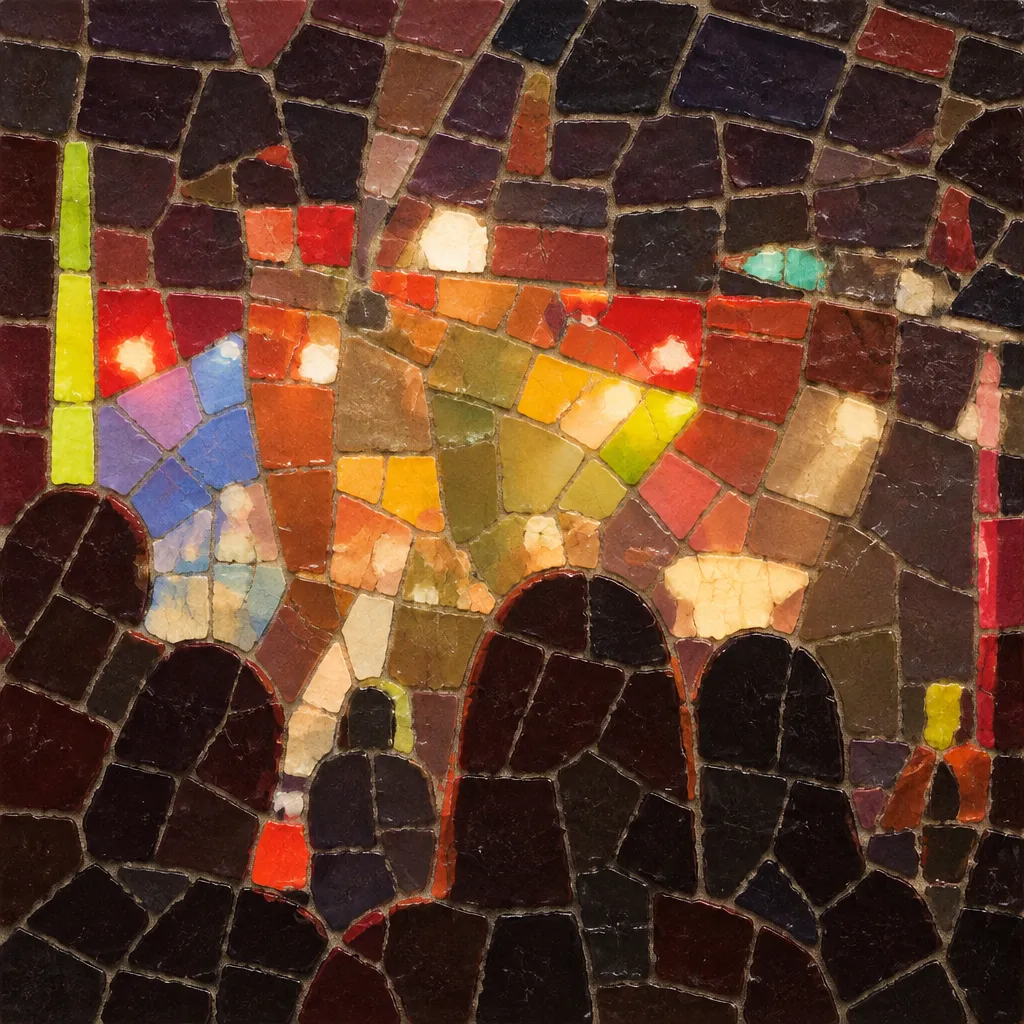
Otacore is a fan-driven, internet-native umbrella for music centered on anime, manga, gaming, and broader otaku culture. Rather than a single strict musical style, it describes a cluster of scenes where pop, electronic, rock, and rap intersect with anime aesthetics, story tropes, and character/fandom references. Typical otacore repertoires include Vocaloid productions, anisong-style pop/rock, high-energy EDM with kawaii sound design, nightcore-style edits, game-inspired chiptune flourishes, and cover cultures (English/Japanese) tied to anime and game franchises. Distribution and discovery are powered by platforms such as Nico Nico Douga, YouTube, SoundCloud, streaming playlists, and later TikTok, where memeability, fan videos (AMVs), and vtuber performances help songs spread globally.
Discover
Listen
Pixel
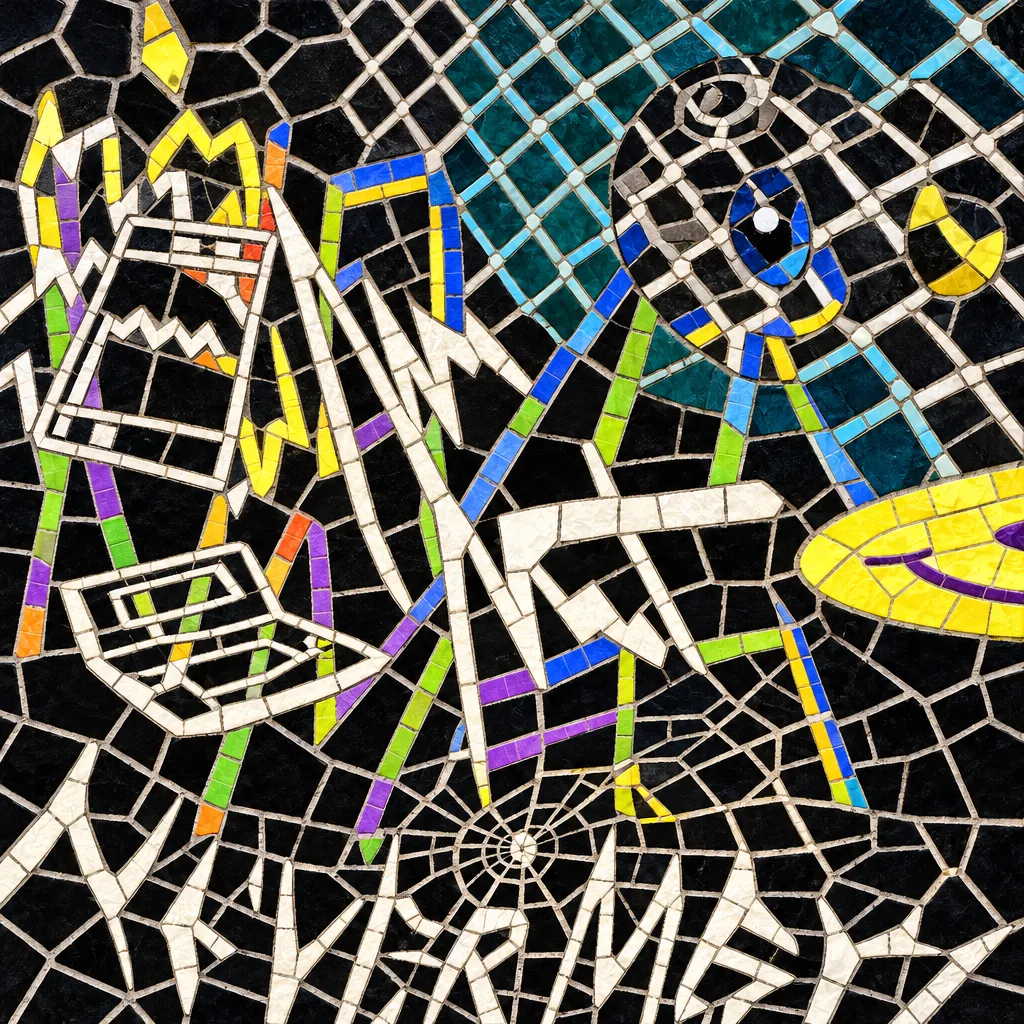
Pixel is an internet-born microgenre that blends chiptune’s 8‑ and 16‑bit timbres with glossy, high‑energy electropop and hyperpop production. You’ll hear pulse‑width‑modulated square leads, triangle basses, noise‑channel snares, rapid arpeggios that imply chords, and lots of game‑console sound design (NES/SNES/Genesis palettes). Melodies are bright and hooky, arrangements are tightly quantized and often very fast, and sound design leans “cute,” cartoonish, and ultra‑synthetic. Producers frequently add modern touches—side‑chain pumping, OTT compression, hard clip/bit‑crush distortion, and pitched/Auto‑Tuned vocals—so the result feels at once retro and contemporary. Aesthetically it signals retro‑gaming and net culture: UI bleeps, item‑pickup stingers, and level‑up flourishes sit alongside maximal, sugary pop writing. Typical tempos range from 120–170 BPM, with common detours into double‑time or halftime drops.
Discover
Listen
Digital Horror
Digital horror is a contemporary horror aesthetic that focuses on dread emerging from networked technologies, software, and always‑on media. Narratives and sound worlds revolve around screens, social platforms, livestreams, malware, deepfakes, and the uncanny presence of algorithmic systems. In music and sound design, the style translates this fear of the digital into glitching textures, corrupted audio artifacts, synthetic drones, and the weaponization of familiar interface sounds (alerts, keyboards, notification pings). It often blends dark ambient, industrial noise, and hauntological sampling to suggest threats that live inside code, clouds, and data centers—consistent with the wider definition that emphasizes anxiety and supernatural menace arising from the Internet and modern media.
Discover
Listen
Men Chika
Men chika (メン地下) is the Japanese underground male idol scene, made up of boy groups who perform high-energy J‑pop and dance-pop in small live houses, theaters, and idol events rather than on major mainstream stages. Musically it blends glossy J‑pop songwriting with club-ready EDM/electropop production, punchy hooks built for call-and-response, and chant breaks designed for wotagei/fan MIX participation. Songs commonly feature bright synths, four-on-the-floor or trap-inflected grooves, stacked gang shouts, and key‑change finales. Lyrically the focus is on youth, dreams, devotion, and intimacy with fans—reinforced by close-contact fan practices like cheki (instax photos) and meet-and-greets. Culturally, men chika parallels the long-running “chika idol” (underground idol) movement on the women’s side, but orients to a largely female fanbase and a circuit centered on Tokyo live houses and regional circuits. It is as much a participatory fan culture as it is a sound, shaping how songs are arranged, staged, and monetized.
Discover
Listen
Glitchcore
Glitchcore is an internet-born microgenre that fuses pop-forward songwriting with hyperactive, digitally mangled sound design. It is characterized by bitcrushed and over-distorted synths, stuttered edits, sudden beat-switches, and heavily pitch-shifted, Auto-Tuned vocals. Arrangements tend to be short, hook-centric, and maximalist, often compressing multiple sections and textures into tracks that last 90–150 seconds. The genre borrows the emotive directness of emo rap and bedroom pop, the rhythmic backbone of trap, and the candy-coated sheen of hyperpop and bubblegum bass, while leaning into deliberate digital artifacts—glitches, dropouts, resampling, and hard clip distortion—as expressive tools. Culturally, glitchcore is inseparable from online communities (Discord, SoundCloud, TikTok), where rapid iteration, meme literacy, and DIY production workflows shaped its sound and aesthetics.
Discover
Listen
Weirdcore
Weirdcore is an internet-native microgenre and aesthetic of experimental electronic music that leans into liminal nostalgia, eerie memory, and uncanny ambience. Its sound palette often combines misty pads, degraded samples, tape hiss, and bitcrushed percussion with disembodied voices, classroom and mall PA announcements, retro operating system chimes, and field recordings of empty or transitional spaces. Harmonically, weirdcore favors drones, slowly shifting modal clusters, and ambiguous, memory-warping intervals that feel familiar yet distorted. Rhythm ranges from beatless, foggy soundscapes to brittle, broken 2-step and slow, stumbling downtempo pulses. Heavy time-stretching, granular manipulation, wow-and-flutter, convolution reverbs, and spectral or cassette-style degradation are central to its texture. Although closely tied to a visual aesthetic (liminal spaces, late-night analog glow, low-resolution signage), weirdcore as a musical style is defined by its uncanny collage sensibility: sampling and warping everyday audio detritus until it becomes emotionally charged, melancholic, and faintly unsettling.
Discover
Listen
Jirai Kei
Jirai kei is a recent Japanese internet-born pop micro‑genre and aesthetic that blends cute, sugary sounds with darker, obsessive and self‑destructive themes. The term comes from a fashion/aesthetic scene associated with yamikawaii and menhera culture, and in music it describes songs that sound soft and adorable on the surface but conceal lyrics about toxic love, dependency, jealousy, and emotional volatility. Sonically, jirai kei draws from J‑pop and Vocaloid traditions (denpa/picopop brightness, catchy hooks) while adopting modern hyperpop gloss, trap/EDM percussion, and highly edited, youthful vocals. The contrast between childlike, pastel timbres and intense, confessional writing is central to the style, making it both immediately hooky and emotionally sharp—an audio embodiment of “cute but dangerous.”
Discover
Listen
Alternative Emo
Alternative emo is a 2010s evolution of emo that blends the confessional lyricism and guitar-driven dynamics of classic and midwest emo with the melodic immediacy of alternative rock and indie pop. It tends to favor warm, jangly or lightly overdriven guitars, twinkly riffing, and roomy drums, pairing them with intimate, conversational vocals. Hooks are often pop-leaning, but the songs retain emo’s narrative focus on vulnerability, mental health, friendships, and the everyday details of growing up and drifting apart. Production spans from lo‑fi, bedroom-made recordings to polished studio work, but even at its glossiest, alternative emo usually preserves a lived-in, DIY feel—favoring dynamics, clean tones, and lyrical specificity over spectacle.
Discover
Listen
Erotic Product
Erotic product is a functional, mood-driven umbrella for sensual background music curated for intimate ambience—think candle-lit lounge cues, velvety downtempo grooves, and slow, sultry instrumentals designed to stay out of the way while setting a seductive tone. Stylistically it blends the silkiness of smooth jazz and lounge with the atmospheric pulse of trip‑hop, chillout, and ambient. Tempos are slow to mid-slow, bass is round and tactile, keys are warm (Rhodes, pads), and leads often come from breathy vocals, saxophone, muted trumpet, or nylon‑string guitar. Production favors soft transients, tape‑like saturation, lush reverbs, and gentle filters. The tag emerged and proliferated in the streaming era as a descriptive label used by stock/catalog producers, DSP playlist editors, and background‑music libraries to signal music optimized for romance, intimacy, massage/spa environments, and late-night listening.
Discover
Listen
Psystyle
Psystyle is a hardstyle subgenre that blends the rolling, hypnotic basslines and acidic leads of psytrance with the punchy 150 BPM kicks, anthem-writing, and arrangement habits of modern hardstyle. Typically, a psystyle track opens with a DJ-friendly mid-intro driven by a psy-style rolling bass and syncopated percussive patterns, then pivots into hardstyle build-ups and drops powered by distorted kick-and-tail sound design. The result is high-energy, festival-ready music that feels both trancey and relentless, combining psychedelic timbres with big-room hard dance impact.
Discover
Listen
Transpop
Transpop is a contemporary pop micro-scene centered on transgender and gender‑expansive artists and narratives. It blends glossy pop songwriting with internet‑native production aesthetics drawn from hyperpop, electropop, and bedroom pop. Stylistically, it favors hook‑forward melodies, bright synths, pitched and processed vocals, and beat palettes that oscillate between four‑on‑the‑floor dance-pop and trap‑influenced rhythms. Lyrically it foregrounds identity, euphoria, dysphoria, love, self‑fashioning, and chosen family, often with a confessional, diaristic tone. While global and community‑driven, the sound coalesced online (SoundCloud/Discord/TikTok) and in indie queer club spaces, making it both danceable and emotionally candid.
Discover
Listen
Vocaloid
Vocaloid is a music genre and production culture centered on songs performed by synthesized singing voices, most famously the virtual singer Hatsune Miku. Producers compose and arrange tracks, then program lyrics and melodies into voicebanks to create lead vocals that sound like human singers. While the repertoire spans many styles, Vocaloid is strongly associated with Japanese pop, rock, and electronic dance music aesthetics. Songs are often released online with striking illustrated artwork and animated "PV" videos, and they are disseminated through platforms such as Nico Nico Douga and YouTube by independent creators and labels. The genre’s hallmark is the combination of catchy, hyper-bright melodies, energetic rhythm sections, and expressive vocal programming (tuning) that leverages timbral artifacts unique to synthesized voices. A vibrant fan community drives remixes, covers, live concerts with virtual avatars, and continual evolution of stylistic norms.
Discover
Listen
Show all 14 genres
Albums
2020
1
/5
She's Homeless
CreepP
Pixel
Otacore
Similar artists
3
/5
Lollia
Otacore
Pixel
Digital Horror
4
/5
The Living Tombstone
Otacore
Pixel
Pop
4
/5
CG5
Nerdcore
Rhythm Game
Pixel
4
/5
OR3O
Electro Swing
Otacore
Pixel
4
/5
Dagames
Speedrun
Nerdcore
Pixel
3
/5
Crusher-P
Otacore
Pixel
Gamecore
3
/5
Rockit Music
Nerdcore
Otacore
Pixel
3
/5
Griffinilla
Otacore
Pixel
Digital Horror
3
/5
Shadrow
Otacore
Pixel
Digital Horror
3
/5
Ck9c
Otacore
Pixel
Digital Horror
Download our mobile app
Get the Melodigging app and start digging for new genres on the go
Download on the App Store
Get it on Google Play
© 2026 Melodigging
Give feedback
Legal
Melodding was created as a tribute to
Every Noise at Once
, which inspired us to help curious minds keep digging into music's ever-evolving genres.