Genres
Artists
Albums
Make Music
Sign in
Sign in
Artists
Men Chika
Artists
Men Chika
cosMo@Bousou-P
2015
·
1 album
Listen
3
/5
Genres
Pumpcore
Pumpcore is a hyper-energetic, gym-oriented microgenre that blends blown-out bass, sped-up hooks, and hard-hitting drops tailored for workout intensity and short-form video edits. It borrows from trap (and EDM-trap), phonk’s gritty timbres, hardstyle’s festival-scale builds, and nightcore-style acceleration, then pushes everything through aggressive saturation and sidechain “pump” to create a relentless, motivational surge. Tracks typically revolve around a memorable vocal or lead riff that has been time-stretched, pitch-shifted, and looped to maximize adrenaline and impact.
Discover
Listen
Men Chika
Men chika (メン地下) is the Japanese underground male idol scene, made up of boy groups who perform high-energy J‑pop and dance-pop in small live houses, theaters, and idol events rather than on major mainstream stages. Musically it blends glossy J‑pop songwriting with club-ready EDM/electropop production, punchy hooks built for call-and-response, and chant breaks designed for wotagei/fan MIX participation. Songs commonly feature bright synths, four-on-the-floor or trap-inflected grooves, stacked gang shouts, and key‑change finales. Lyrically the focus is on youth, dreams, devotion, and intimacy with fans—reinforced by close-contact fan practices like cheki (instax photos) and meet-and-greets. Culturally, men chika parallels the long-running “chika idol” (underground idol) movement on the women’s side, but orients to a largely female fanbase and a circuit centered on Tokyo live houses and regional circuits. It is as much a participatory fan culture as it is a sound, shaping how songs are arranged, staged, and monetized.
Discover
Listen
Jirai Kei
Jirai kei is a recent Japanese internet-born pop micro‑genre and aesthetic that blends cute, sugary sounds with darker, obsessive and self‑destructive themes. The term comes from a fashion/aesthetic scene associated with yamikawaii and menhera culture, and in music it describes songs that sound soft and adorable on the surface but conceal lyrics about toxic love, dependency, jealousy, and emotional volatility. Sonically, jirai kei draws from J‑pop and Vocaloid traditions (denpa/picopop brightness, catchy hooks) while adopting modern hyperpop gloss, trap/EDM percussion, and highly edited, youthful vocals. The contrast between childlike, pastel timbres and intense, confessional writing is central to the style, making it both immediately hooky and emotionally sharp—an audio embodiment of “cute but dangerous.”
Discover
Listen
Artcore
Artcore is a subgenre of hardcore techno that fuses high-BPM club energy with the orchestral colors and dramatic writing of cinematic classical music. Producers combine pounding four-on-the-floor kicks, breakbeats, and modern EDM sound design with strings, piano, choirs, and sweeping harmonic progressions. The result is a maximalist, emotive style: towering builds, through-composed sections, key changes, and leitmotifs are common, while supersaw leads, reese basses, and intricate percussion keep the dancefloor intensity. The sound took shape in Japan’s doujin and rhythm-game circles, but it has since spread globally among electronic musicians who favor epic, narrative arrangements.
Discover
Listen
Otacore
Otacore is a fan-driven, internet-native umbrella for music centered on anime, manga, gaming, and broader otaku culture. Rather than a single strict musical style, it describes a cluster of scenes where pop, electronic, rock, and rap intersect with anime aesthetics, story tropes, and character/fandom references. Typical otacore repertoires include Vocaloid productions, anisong-style pop/rock, high-energy EDM with kawaii sound design, nightcore-style edits, game-inspired chiptune flourishes, and cover cultures (English/Japanese) tied to anime and game franchises. Distribution and discovery are powered by platforms such as Nico Nico Douga, YouTube, SoundCloud, streaming playlists, and later TikTok, where memeability, fan videos (AMVs), and vtuber performances help songs spread globally.
Discover
Listen
Chamber Psych
Chamber psych blends the intimate, acoustic instrumentation and careful arrangements of chamber pop with the hazy textures, tape-warm production, and surreal harmonies of psychedelic pop. Expect strings, woodwinds, vibraphone, Mellotron, and harpsichord to sit alongside vintage keyboards, gently motorik drums, and fluttering tape delays. Vocals are often close‑mic’d and breathy, melodies skew wistful or otherworldly, and songs privilege mood and arrangement craft over volume. The result feels simultaneously handcrafted and dreamlike: miniature orchestras scoring psychedelic reveries.
Discover
Listen
Diy Emo
DIY emo is a grassroots, home-recorded and community-driven branch of contemporary emo that blends twinkly Midwest-emo guitar work, confessional lyricism, and pop-punk urgency with a distinctly lo‑fi, self-produced aesthetic. It foregrounds the ethics of the do‑it‑yourself underground: basement shows, tape or Bandcamp releases, collective touring, and a preference for intimacy over polish. Sonically, it leans on clean, chiming guitars, melodic basslines, dynamic drumming, and unvarnished vocals that veer from soft-spoken to cathartic sing-alongs. Rather than chasing radio gloss, DIY emo embraces rawness and vulnerability—often capturing the feel of a crowded living room show—while channeling themes of friendship, mental health, hometowns, and the bittersweet transitions of early adulthood.
Discover
Listen
Vocaloid
Vocaloid is a music genre and production culture centered on songs performed by synthesized singing voices, most famously the virtual singer Hatsune Miku. Producers compose and arrange tracks, then program lyrics and melodies into voicebanks to create lead vocals that sound like human singers. While the repertoire spans many styles, Vocaloid is strongly associated with Japanese pop, rock, and electronic dance music aesthetics. Songs are often released online with striking illustrated artwork and animated "PV" videos, and they are disseminated through platforms such as Nico Nico Douga and YouTube by independent creators and labels. The genre’s hallmark is the combination of catchy, hyper-bright melodies, energetic rhythm sections, and expressive vocal programming (tuning) that leverages timbral artifacts unique to synthesized voices. A vibrant fan community drives remixes, covers, live concerts with virtual avatars, and continual evolution of stylistic norms.
Discover
Listen
Akishibu-Kei
Akishibu-kei is a Japanese pop-oriented trend in anime-related music that blends the chic, retro-pop collage of Shibuya-kei with Akiba-kei’s otaku-centric sensibilities. Typically, it marries breezy bossa/jazz-inflected harmonies, cut-and-paste sampling, and French-pop nostalgia with bright, idol-like vocals and anime tie-in songwriting. The result is an approachable, stylish sound that feels both metropolitan and fandom-focused—equally at home in a Shibuya boutique and an Akihabara record shop. While not a rigid genre, the label highlights a 2000s moment when Shibuya-kei aesthetics noticeably permeated anime openings/endings and character songs.
Discover
Listen
Show all 9 genres
Albums
2015
2
/5
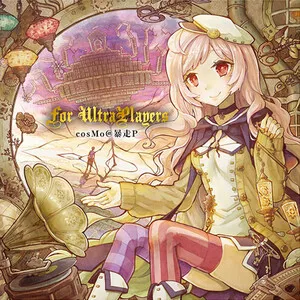
For UltraPlayers
cosMo@暴走P
Akishibu-Kei
Similar artists
4
/5
Ado
Vocaloid
J-Pop
J-Rock
4
/5
Hatsune Miku
Vocaloid
Yakousei
Digital Horror
4
/5
Eve
Yakousei
J-Pop
Utaite
4
/5
DECO*27
J-Pixie
Vocaloid
J-Pop
4
/5
Kikuo
Doujin Music
Electronic
Pop
4
/5
FLAVOR FOLEY
Vocaloid
Pop
Electronic
4
/5
9Lana
Vocaloid
Gamecore
J-Pop
4
/5
Maretu
Vocaloid
Digital Horror
Gamecore
4
/5
重音テト
Men Chika
Neru
Vocaloid
3
/5
Kanaria
Vocaloid
J-Pop
Men Chika
Download our mobile app
Get the Melodigging app and start digging for new genres on the go
Download on the App Store
Get it on Google Play
© 2026 Melodigging
Give feedback
Legal
Melodding was created as a tribute to
Every Noise at Once
, which inspired us to help curious minds keep digging into music's ever-evolving genres.