Genres
Artists
Albums
Make Music
Sign in
Sign in
Artists
Folk Black Metal
Artists
Folk Black Metal
CHTHONIC
2011–2025
·
7 albums
Listen
2
/5
Genres
Folk Black Metal
Folk black metal is a fusion style that combines the harsh, fast, and atmospheric characteristics of black metal with folk music elements drawn from regional and traditional sources. It typically retains black metal’s core traits—tremolo-picked guitar riffs, blast beats, shrieked vocals, and dark or epic atmospheres—while adding folk instrumentation (such as flutes, fiddles, bagpipes, hurdy-gurdy, or mouth harps), folk-derived melodies, and lyrical themes rooted in mythology, paganism, nature, history, or cultural identity. The result can range from raw and aggressive music with subtle folk scales to grand, melodic, and “anthemic” material where folk themes dominate the hooks and arrangements.
Discover
Listen
Oriental Metal
Oriental metal is a subgenre of heavy metal that fuses the intensity of metal with modal systems, rhythms, instruments, and storytelling traditions from West Asia and North Africa. Instead of Western major/minor harmony, it foregrounds maqam-based melody (e.g., Hijaz, Rast, Nahawand, Kurd, Bayati), microtonal ornamentation, and cyclical iqa’at grooves alongside distorted guitars and double‑kick drumming. Typical timbres include electric guitars and bass locked to down‑tuned, palm‑muted riffs, blended with oud, saz/bağlama, qanun, ney, kamancheh, and darbuka/riq/bendir. Vocals may alternate between harsh growls and melismatic clean lines, and lyrics often draw on regional history, mythology, and spiritual themes. The result is a dramatic, “epic” sound that remains rhythmically danceable while sounding dark, exotic (to Western ears), and emotionally charged.
Discover
Listen
Melodic Death Metal
Melodic death metal (often shortened to melodeath) blends the speed, aggression, and harsh vocals of death metal with the harmonized guitar leads, memorable melodies, and songcraft of traditional heavy metal and thrash. It is characterized by twin‑guitar harmonies, fast tremolo riffs, punchy palm‑muted rhythms, and growled or screamed vocals, often contrasted with catchy, clearly articulated lead lines. Compared to traditional death metal, the genre favors stronger tonal centers, consonant interval harmonies (thirds and sixths), and more accessible structures, while retaining double‑kick intensity and occasional blast beats. Production tends to be tighter and clearer than early death metal, and many bands incorporate keyboards for texture. The style is strongly associated with the early–mid 1990s Gothenburg scene in Sweden, though parallel strains also emerged in the UK and Finland.
Discover
Listen
Folk Metal
Folk metal blends the power and riff-driven intensity of heavy metal with melodies, instruments, scales, and storytelling traditions from regional folk music. Typical arrangements combine distorted guitars, bass, and drums with fiddles, flutes, whistles, bagpipes, accordions, hurdy-gurdies, bouzoukis, and other traditional instruments. Bands often draw on myth, history, and local folklore for lyrical themes, ranging from epic sagas and battle hymns to drinking songs and pastoral ballads. The style spans a spectrum from aggressive and blackened approaches to upbeat, danceable, and festive moods, making it one of metal’s most diverse and regionally distinctive subgenres.
Discover
Listen
Melodic Black Metal
Melodic black metal blends the cold, tremolo-picked fury of second‑wave black metal with the twin‑guitar harmonies, lead motifs, and songcraft associated with melodic death metal. It retains rasped vocals, blast beats, and a bleak atmosphere, but favors clearer production, memorable guitar themes, and dramatic minor‑key progressions over lo‑fi abrasion. The result is a sound that is simultaneously aggressive and epic, often evoking wintery landscapes, nihilism, myth, and existential grandeur.
Discover
Listen
Black Metal
Black metal is a form of extreme metal defined by fast tempos, tremolo‑picked guitar lines, blast‑beat drumming, shrieked or rasped vocals, and a deliberately raw, icy production aesthetic. Harmonically, it favors minor and modal collections (especially Aeolian and Phrygian), open-string drones, parallel fifths and fourths, tritones, and sparse or suspended chord voicings over blues-derived harmony. Arrangements often employ layered guitars, long-form song structures, and enveloping reverb to create a bleak, otherworldly atmosphere. The genre’s visual and thematic language is equally distinctive: corpse paint, monochrome artwork, and lyrics exploring anti-dogma, nature, pagan myth, cosmic nihilism, and misanthropy. While some scenes have been associated with controversy and extremism, the musical identity centers on sound, atmosphere, and aesthetics rather than any single ideology.
Discover
Listen
Death Metal
Death metal is an extreme subgenre of heavy metal defined by heavily distorted, low‑tuned guitars, rapid and complex riffing, blast beat drumming, and harsh guttural vocals. Its harmonic language favors chromaticism, dissonance, and tremolo-picked lines that create an ominous, abrasive atmosphere. Lyrically, death metal often explores dark or transgressive themes—mortality, mythology, anti-religion, psychological horror, and the macabre—sometimes with philosophical or social commentary. Production ranges from raw and cavernous to hyper-precise and technical, reflecting the genre’s many regional scenes and substyles. From the mid‑1980s Florida scene (Tampa) and parallel developments in the US, UK, and Sweden, death metal evolved into numerous branches including brutal death metal, technical death metal, melodic death metal, and death‑doom, each emphasizing different aspects of speed, complexity, melody, or heaviness.
Discover
Listen
Rock
Rock is a broad family of popular music centered on amplified instruments, a strong backbeat, and song forms that foreground riffs, choruses, and anthemic hooks. Emerging from mid‑20th‑century American styles like rhythm & blues, country, and gospel-inflected rock and roll, rock quickly expanded in scope—absorbing folk, blues, and psychedelic ideas—while shaping global youth culture. Core sonic markers include electric guitar (often overdriven), electric bass, drum kit emphasizing beats 2 and 4, and emotive lead vocals. Rock songs commonly use verse–chorus structures, blues-derived harmony, and memorable melodic motifs, ranging from intimate ballads to high‑energy, stadium‑sized performances.
Discover
Listen
Show all 8 genres
Albums
2025
1
/5
百萬遍 Endless Aeons
CHTHONIC
Folk Black Metal
Oriental Metal
2023
2
/5
護國山
CHTHONIC
Folk Black Metal
Oriental Metal
2014
2
/5
失竊千年
CHTHONIC
Folk Black Metal
2013
2
/5
Bù-Tik
CHTHONIC
Folk Black Metal
Black Metal
Melodic Death Metal
2011
2
/5
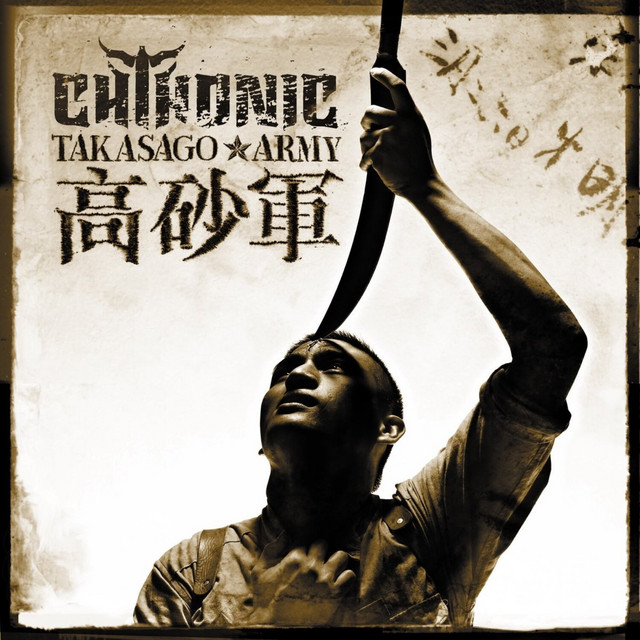
Takasago Army
CHTHONIC
Folk Black Metal
2011
1
/5
Takao
CHTHONIC
Folk Black Metal
Oriental Metal
2011
1
/5
Takasago Army (Taiwanese Version)
CHTHONIC
Folk Black Metal
Similar artists
2
/5
Månegarm
Folk Black Metal
Viking Black Metal
Viking Metal
2
/5
Moonsorrow
Folk Black Metal
Folk Metal
Black Metal
2
/5
Saor
Forest Black Metal
Folk Black Metal
Black Metal
1
/5
Panopticon
Forest Black Metal
Usbm
Appalachian Black Metal
3
/5
Dimmu Borgir
Symphonic Black Metal
Black Metal
Metal
2
/5
Borknagar
Black Metal
Folk Metal
Progressive Metal
2
/5
Whispered
Symphonic Melodic Death Metal
Melodic Death Metal
Death Metal
2
/5
Graveworm
Gothic Black Metal
Black Metal
Death Metal
2
/5
Necrophobic
Black Metal
Death Metal
Brutal Death Metal
2
/5
Gates of Ishtar
Death Metal
Melodic Death Metal
Black Metal
Download our mobile app
Get the Melodigging app and start digging for new genres on the go
Download on the App Store
Get it on Google Play
© 2026 Melodigging
Give feedback
Legal
Melodding was created as a tribute to
Every Noise at Once
, which inspired us to help curious minds keep digging into music's ever-evolving genres.