Genres
Artists
Albums
Make Music
Sign in
Sign in
Artists
Brazilian Jazz
Artists
Brazilian Jazz
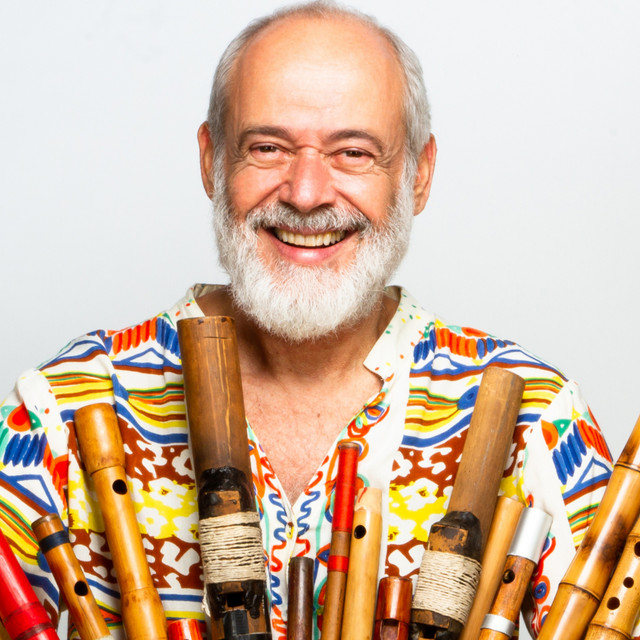
Carlos Malta
2004
·
1 album
Listen
2
/5
Genres
Brazilian Jazz
Brazilian jazz is the meeting point of Brazilian popular music and North American jazz, blending samba and bossa nova rhythms with jazz harmony, improvisation, and ensemble interaction. The style typically features syncopated Brazilian grooves (samba, bossa, partido‑alto) under extended jazz chord voicings and lyrical melodies. Acoustic guitar or piano often supplies a gently propulsive, off‑beat rhythmic bed, while bass and drums translate samba’s surdo and pandeiro patterns to the jazz rhythm section. Timbres range from intimate (nylon‑string guitar, brushed drum kit, flute) to expansive (full percussion batteries, horns, and electric keys). The overall feel can be both laid‑back and danceable—romantic yet harmonically sophisticated.
Discover
Listen
Forró
Forró is a popular dance-music tradition from Brazil’s Northeast, centered on the trio of accordion (sanfona), zabumba (bass/tenor drum), and triangle. It encompasses a family of rhythms—most notably baião, xote, arrasta-pé, and xaxado—and is performed for partner dancing at parties and the June festivals (Festas Juninas). The style balances infectious, syncopated grooves with singable melodies and simple, diatonic harmony. Lyrically, forró often celebrates rural life, love, longing (saudade), and the culture of the sertão. Over time, it has branched into substyles ranging from the acoustic, rootsy pé-de-serra to modern, amplified and electronic variants.
Discover
Listen
Traditional Forró
Traditional forró (forró pé-de-serra) is the acoustic, roots form of Northeastern Brazilian dance music built around the trio of accordion (sanfona), zabumba (flat bass drum), and triangle. It brings together several regional rhythms—chiefly baião, xote, xaxado, and arrasta-pé—under one dance-floor–oriented practice. Melodies are led by the accordion, the zabumba drives a distinctive two-voice groove (low thump plus high rim-click), and the triangle provides a bright, continuous shimmer. Lyrics often celebrate the sertão (semi-arid backlands), festas juninas (June festivals), love, migration, and daily life, mixing humor with saudade. The feel is earthy and communal, meant for partner dance and social gatherings.
Discover
Listen
Banda De Pífano
Banda de pífano (also called banda de pífanos or orquestra de pífanos) is a traditional small fife-and-drum ensemble from Brazil’s Northeast, especially Pernambuco, Alagoas, Paraíba, and Ceará. It typically features two or more transverse bamboo flutes (pífanos) accompanied by zabumba (bass drum), caixa (snare), prato (cymbals), and sometimes triângulo. The music blends processional marches and rural dance rhythms such as baião, xote, coco, and forró into bright, melodic, and percussive soundscapes. Rooted in street processions, religious festivities, and open-air fairs, the style is characterized by diatonic, ornamented pífano melodies in lively heterophony over driving, syncopated drum patterns. Its rustic timbre and portable instrumentation make it ideal for parades and outdoor celebrations, and it has become an emblem of Northeastern Brazilian popular tradition.
Discover
Listen
Albums
2004
2
/5
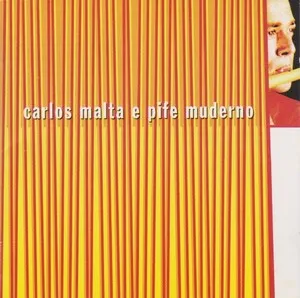
Carlos Malta e Pife Muderno
Carlos Malta e Pife Muderno
Banda De Pífano
Similar artists
3
/5
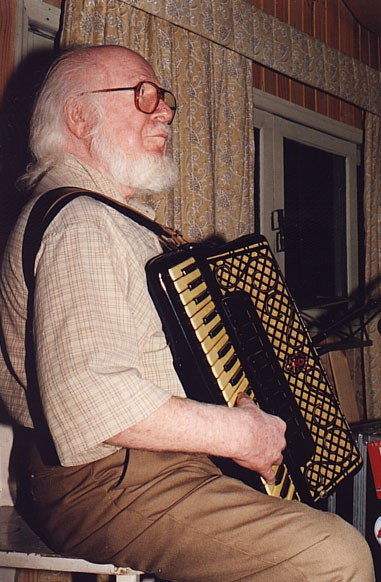
Sivuca
Samba-Jazz
Frevo
Brazilian Jazz
1
/5
Carlos Malta e Pife Muderno
Brazilian Jazz
Forró
Banda De Pífano
4
/5
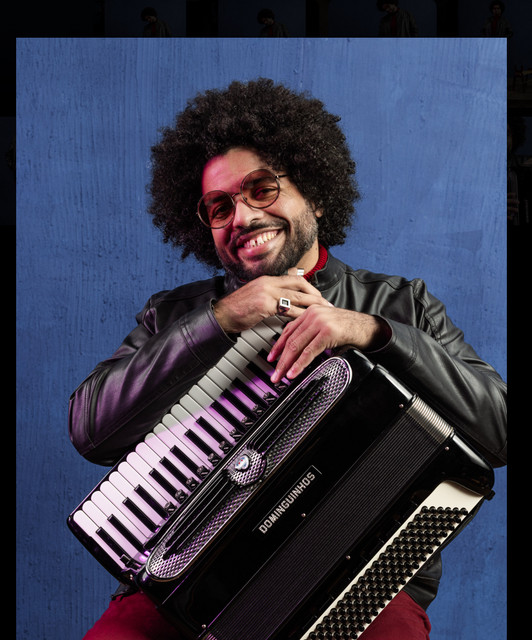
Mestrinho
Nova Mpb
Forró
Talentos Brasileiros
4
/5
Jota.pê
Forró
Mpb
Traditional Forró
4
/5
Calcinha Preta
Calypso
Forró Eletrônico
Arrocha
4
/5
Alceu Valença
Forró
Mpb
Northeastern Brazilian Music
4
/5
Zé Ramalho
Sertanejo Tradicional
Northeastern Brazilian Music
Brazilian Folk Music
4
/5
Gilberto Gil
Tropicália
Mpb
Brazilian Jazz
4
/5
Desejo De Menina
Forró De Favela
Arrocha
Brega
4
/5
Zezo
Arrocha
Brega
Forró
Download our mobile app
Get the Melodigging app and start digging for new genres on the go
Download on the App Store
Get it on Google Play
© 2026 Melodigging
Give feedback
Legal
Melodding was created as a tribute to
Every Noise at Once
, which inspired us to help curious minds keep digging into music's ever-evolving genres.