Your digging level
Description
Banda de pífano (also called banda de pífanos or orquestra de pífanos) is a traditional small fife-and-drum ensemble from Brazil’s Northeast, especially Pernambuco, Alagoas, Paraíba, and Ceará.
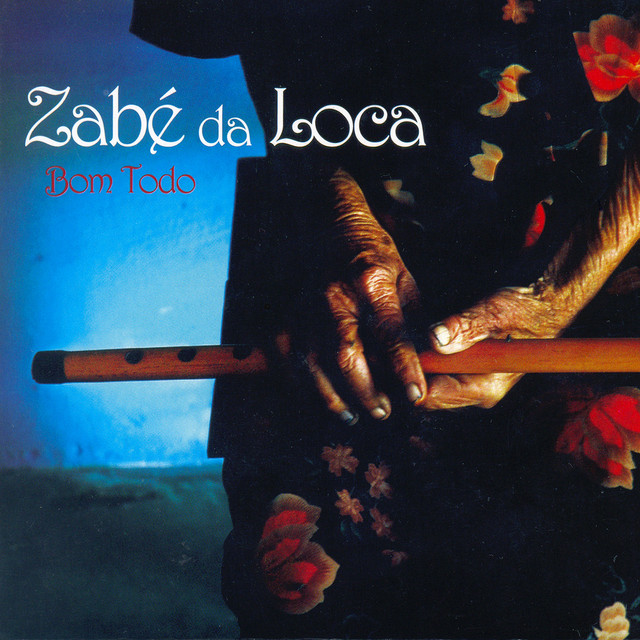
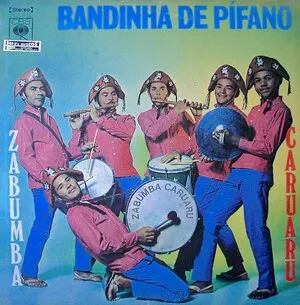
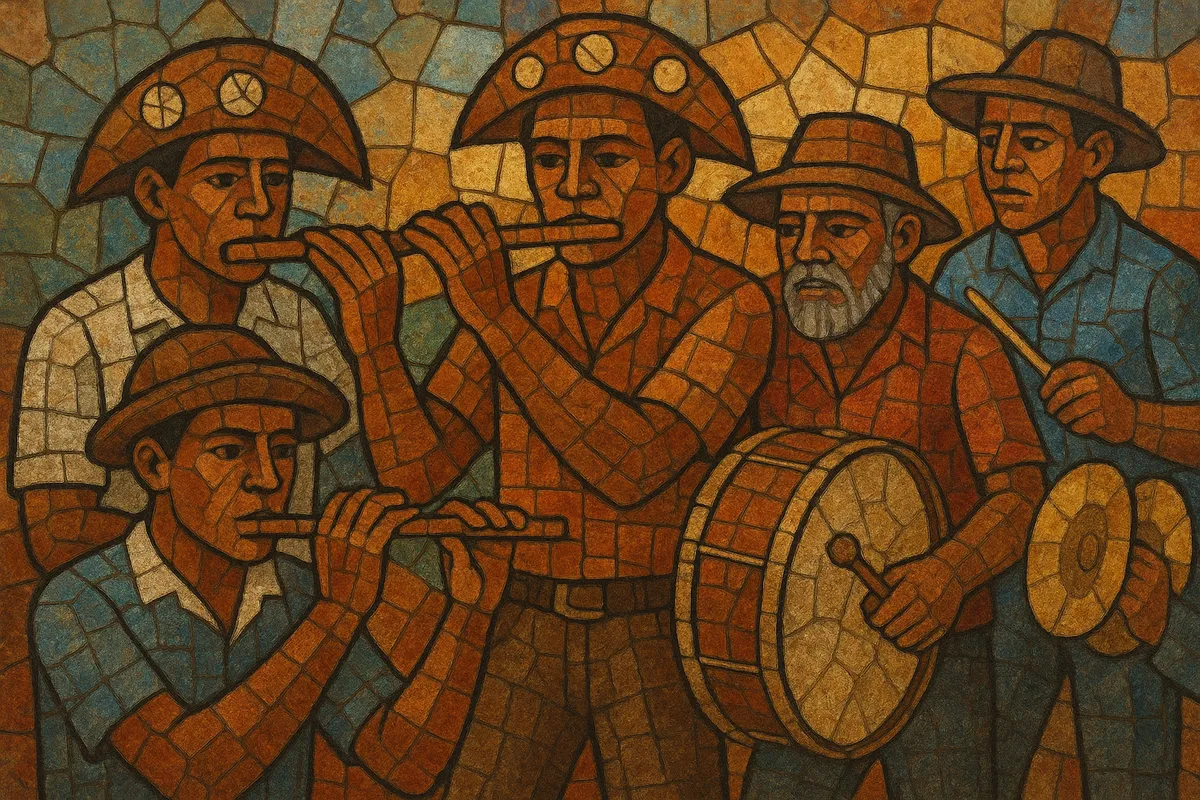
It typically features two or more transverse bamboo flutes (pífanos) accompanied by zabumba (bass drum), caixa (snare), prato (cymbals), and sometimes triângulo. The music blends processional marches and rural dance rhythms such as baião, xote, coco, and forró into bright, melodic, and percussive soundscapes.
Rooted in street processions, religious festivities, and open-air fairs, the style is characterized by diatonic, ornamented pífano melodies in lively heterophony over driving, syncopated drum patterns. Its rustic timbre and portable instrumentation make it ideal for parades and outdoor celebrations, and it has become an emblem of Northeastern Brazilian popular tradition.
History
Banda de pífano emerged in Brazil’s Northeast from the convergence of Portuguese fife-and-drum traditions with Afro-Indigenous rhythmic practices. By the late 19th and early 20th centuries, rural communities fashioned transverse flutes from bamboo and paired them with portable percussion to accompany religious processions, markets, and community festivities. The groups were sometimes called “bandas cabaçais” in the Cariri region of Ceará, reflecting local naming customs for fife-and-drum ensembles.
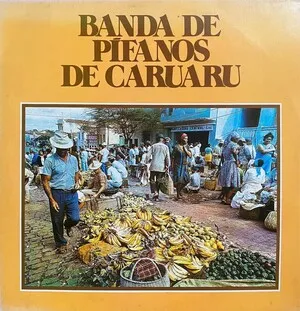
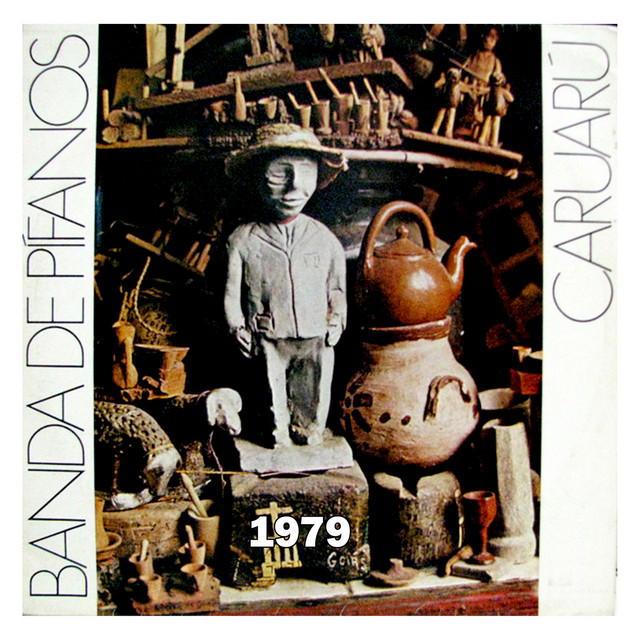
The style coalesced publicly in the 1920s, when ensembles such as the Banda de Pífanos de Caruaru began performing regularly at fairs and festas. Radio, records, and later television helped popularize the sound beyond its rural context. In the 1960s–1970s, folkloric documentation and label releases brought the music to national attention, while composers and improvisers (notably Hermeto Pascoal) highlighted the pífano’s melodic possibilities and rustic timbre.
From the late 20th century onward, cultural policies, festivals, and heritage projects supported the preservation of banda de pífano. Younger musicians learned instrument-making and repertory directly from masters, and urban audiences encountered the style in concert halls and cultural centers. Contemporary artists and bands have recontextualized the tradition in fusion settings, and the pífano’s sound has informed Northeastern hybrids, influencing scenes like mangue beat while remaining a living, community-based practice at religious and civic celebrations.