Your digging level
Description
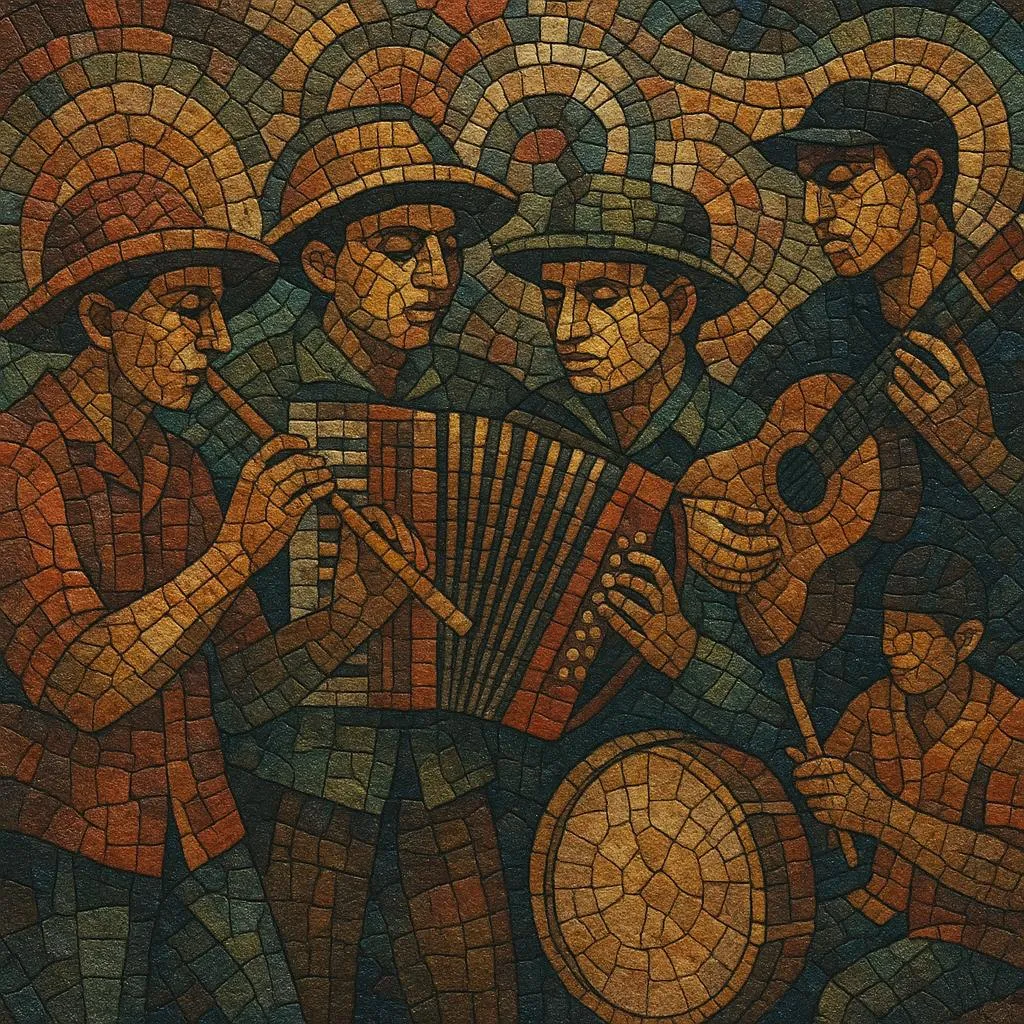
Musica caririense refers to the contemporary and traditional music ecosystem rooted in the Cariri region of the southern state of Ceará, Brazil (cities such as Juazeiro do Norte, Crato, and Barbalha). It weaves ancestral popular traditions—banda cabaçal (fife-and-drum bands), reisado, coco, embolada, aboio, forró pé de serra—with modern strands of MPB, indie/rock, hip‑hop, and electronic production.
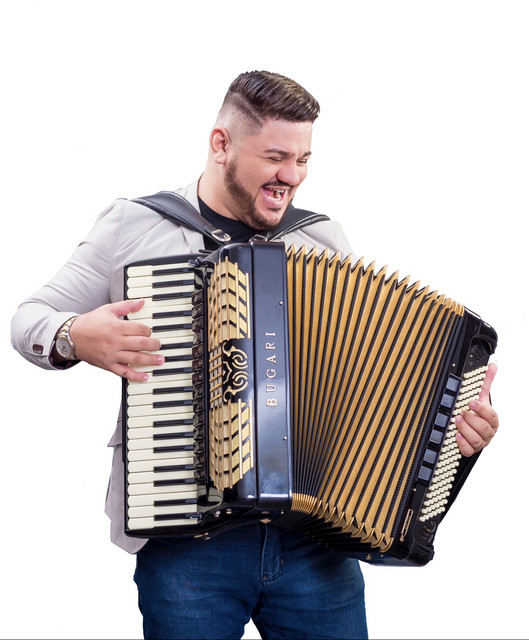
While the region’s musical identity is centuries old, a recognizably named scene took shape from the late 1990s, catalyzed by local festivals and cultural circuits, independent studios, and community media. Typical timbres (sanfona/accordion, zabumba, triângulo, pífanos/fifes, rabeca) coexist with guitars, bass, drum kits, synths, samplers, and spoken‑word, creating a hybrid sound that feels both regional and cosmopolitan.
History
Cariri’s musical identity grows out of popular Catholic pilgrimages to Juazeiro do Norte (linked to Padre Cícero), and long‑standing folk practices in Crato and Barbalha. Fife‑and‑drum ensembles (banda cabaçal), reisado processions, coco and embolada verse duels, aboio cattle calls, and forró/baião dance forms provided a shared rhythmic and melodic vocabulary that defined the region’s sound.
With the national expansion of forró and baião through radio and touring bands, Cariri traditions traveled and cross‑pollinated with urban MPB and rock idioms. Masters and groups from the interior began recording, teaching, and performing beyond the region, carrying Cariri’s pífano and zabumba timbres into broader Brazilian listening.
From the late 1990s, festivals and cultural initiatives in the region (notably large multi‑arts showcases) helped consolidate a named “musica caririense” scene. Independent labels and home studios proliferated, artists collaborated with folk masters, and a regional indie/MPB/rock current took shape alongside a revitalized pé‑de‑serra forró circuit.
A new generation absorbs hip‑hop, trap, lo‑fi, and electronic textures without abandoning local grooves and storytelling. You will hear baião and xote under sampled pífanos, spoken‑word in Cariri vernacular, and chord‑rich MPB songwriting over zabumba and triângulo. The result is a living continuum where tradition and innovation are mutually reinforcing, and where the Cariri identity is carried by both heritage ensembles and digital‑native creators.