Genres
Artists
Albums
Make Music
Sign in
Sign in
Artists
Electronic
Artists
Electronic
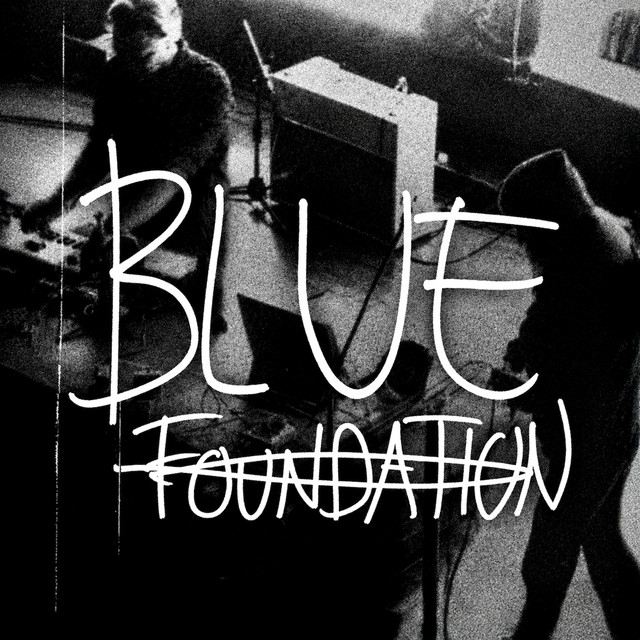
Blue Foundation
2000–2025
·
10 albums
Listen
3
/5
Genres
Latin Tech
Latin tech (often labeled Latin Tech on Beatport) is a modern, dance‑floor‑focused offshoot of tech house that foregrounds Latin American rhythmic vocabulary and timbres while keeping the sleek, driving 4/4 engine of tech house. Expect tight, minimal arrangements built around punchy kicks, syncopated percussion (congas, bongos, rimshots, güira), tumbao‑inspired bass motion and short, chant‑like Spanish or Portuguese vocal hooks. Compared with classic Latin house, Latin tech leans on the sound design, loop discipline and DJ‑friendly structure associated with tech house, prioritizing hypnotic grooves over harmonic complexity. Producers and DJs from across Latin America helped consolidate the sound, and in the early‑to‑mid‑2020s Beatport formalized the tag as a dedicated subgenre within Tech House.
Discover
Listen
Doomshop Phonk
Doomshop phonk is a darker, grittier branch of phonk rooted in 1990s Memphis underground hip hop aesthetics and horrorcore imagery. It emphasizes slowed, pitched‑down rap vocals, eerie melodic loops, blown‑out 808 subs, and lo‑fi textures (tape hiss, vinyl crackle) to evoke a sinister, nocturnal atmosphere. The style was popularized online in the mid‑2010s through the Doom Shop/Doomshop collective, YouTube mixtapes, and SoundCloud communities. Compared with mainstream or drift phonk, doomshop phonk keeps tempos slower, mixes dirtier, and samples and programming closer to chopped‑and‑screwed and early Memphis traditions.
Discover
Listen
Deep Tech
Deep tech (often shorthand for deep tech house) is a stripped‑back, groove‑led branch of house/tech house that emphasizes hypnotic repetition, swing, and sound design over big hooks. Typical tracks sit around 124–128 BPM, use tight, shuffling drum programming, and rely on deep sub‑bass, crisp hi‑hats, and minimal, percussive motifs. Harmony tends to be sparse—dubby chords, single‑note stabs, or short pads—leaving space for long DJ‑friendly arrangements. Vocals, if present, are usually snippets or whispered phrases processed with delay and reverb to blend into the texture rather than sit on top. The result is functional and heady: music optimized for long, seamless mixes, late‑night dancefloors, and a rolling, understated energy rather than explosive drops.
Discover
Listen
Heaven Trap
Heaven trap is a melodic, emotive branch of festival trap that blends half‑time 808 drum programming with euphoric, trance‑ and progressive‑house‑style chord stacks and leads. It emphasizes soaring supersaws, lush pads, cinematic builds, and cathartic drops while retaining the snap and swing of trap hi‑hats, snares, and sub‑bass. Emerging in the mid‑2010s, the sound was popularized by artists who sought to fuse bass‑music impact with heartfelt, uplifting songwriting and pop‑leaning vocals. The result is a style equally at home on big stages and in headphones: sparkling, reverberant, and emotionally climactic, yet grounded by modern trap rhythm and sound design.
Discover
Listen
Solo Wave
Solo wave is an internet-era microgenre that blends the intimate, DIY sensibility of bedroom pop with vaporwave- and chillwave-tinged atmospheres and soft indie pop songwriting. Typically produced by solo artists working from home studios, it favors gentle synth pads, chorus-washed guitars, understated trap- or pop-leaning drums, and confessional vocals framed by nostalgic reverb and tape-like warmth. The result is dreamy, sentimental, and highly shareable songs that circulate on streaming platforms and social media. Lyric themes often center on young adult relationships, self-reflection, mental health, and digital-age loneliness—delivered in a direct, diaristic tone that reinforces the genre’s solitary, “one-person project” ethos.
Discover
Listen
Lilith
Lilith is a mood-driven, internet-native microgenre that blends dark, feminine alternative pop with elements of trip hop, dream pop, witch house, and ethereal wave. It favors breathy or intimate vocals drenched in reverb, slow to mid-tempo grooves, spectral pads, and cinematic, minor-key harmonies that evoke occult, gothic, or mythic imagery. The overall sound is bass-forward yet gauzy: sub-heavy 808s or dusty breakbeats sit under shimmering guitars, distant choirs, and textural synths. Lyrically, Lilith leans into vulnerability, power, hauntings, and desire—frequently framed through confessional writing and ritual or nocturnal symbolism. It’s less a scene tied to a single city than a streaming-era aesthetic, cohering through playlists and social media communities.
Discover
Listen
Downtempo Bass
Downtempo bass is a modern electronic style that fuses the relaxed pacing and texture-first focus of downtempo with the sound‑design intensity and low‑frequency weight of contemporary bass music. Typically sitting around 70–100 BPM (or 140–200 BPM felt in halftime), it features sub‑heavy, sculpted bass lines, crisp but unhurried drums, and spacious, cinematic atmospheres. Producers draw from ambient pads, world/organic instrumentation, and field recordings, then anchor these timbres with dubstep‑informed subs, glitchy ear‑candy, and hip‑hop/halftime grooves. The result is music that can be both meditative and body‑moving: intimate in texture yet powerful on a sound system, equally at home in headphones, yoga/downtempo gatherings, and late‑night bass stages.
Discover
Listen
Midtempo Bass
Midtempo bass is an electronic music genre centered around slower, heavy grooves—typically 90–110 BPM—with a half‑time feel that makes the drums hit like bass music while retaining the drive of club styles. Its sound palette favors harsh, sawtooth or FM‑based leads, distorted reese basses, gritty textures, and tightly side‑chained low end. The mood is often dark, cinematic, and cyberpunk‑tinged, echoing the bite of EBM and new beat while borrowing modern sound‑design from dubstep and electro house. Producers use spacious breakdowns, ominous pads, and stuttering bass stabs to create tension, then release it with chunky, syncopated drops that stay dance‑floor friendly without resorting to high tempos.
Discover
Listen
Experimental Indie
Experimental indie is a broad, exploratory wing of independent rock and pop that prioritizes curiosity over convention. It blends DIY recording practices with off‑kilter song forms, unusual timbres, and a willingness to fold in ideas from avant‑pop, noise, electronic music, and psych. Rather than a fixed sound, it is a method and attitude: use the tools at hand (bedroom rigs, pedals, samplers, tape, software) to push past genre borders, while keeping the immediacy and intimacy of indie. Expect jagged rhythms, warped hooks, collage‑like arrangements, and production choices that foreground texture as much as melody.
Discover
Listen
Drift Phonk
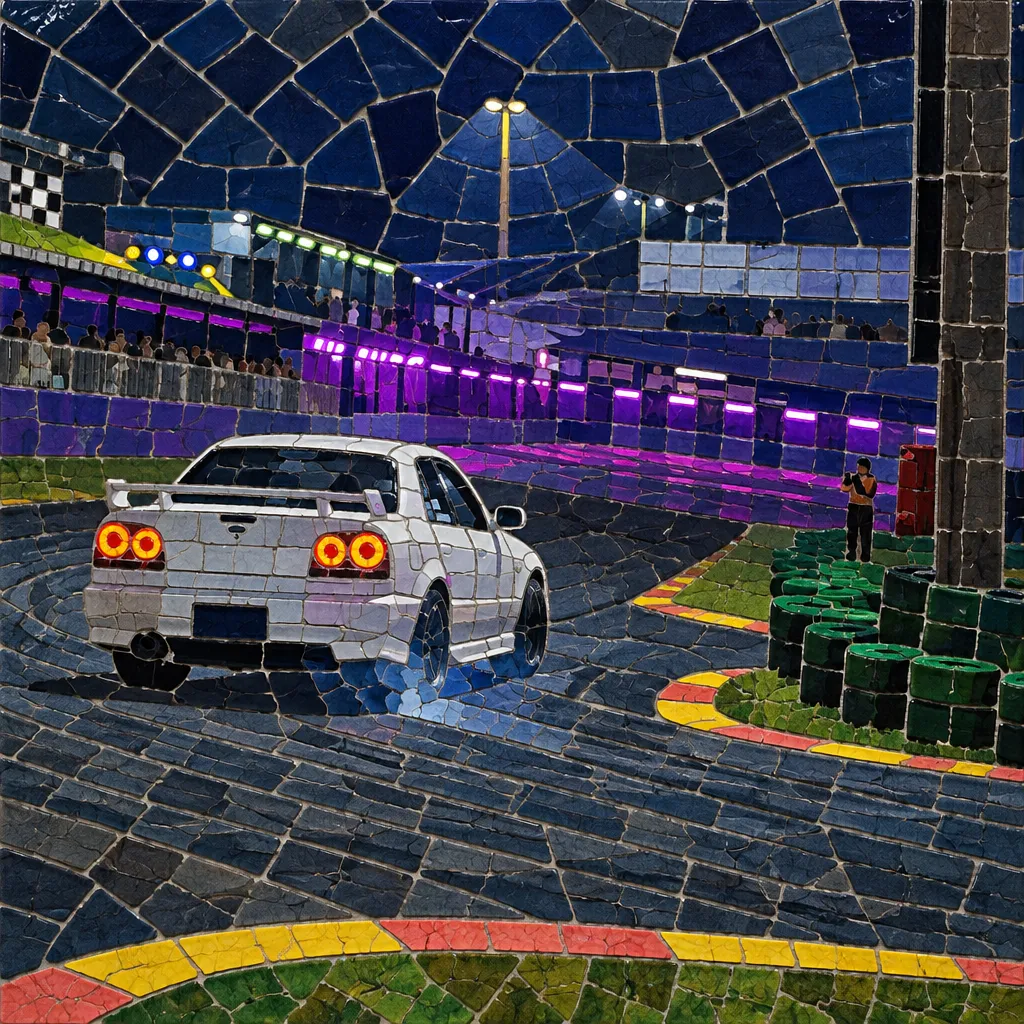
Drift phonk is a high-energy, house-tempo offshoot of phonk that crystallized in the late 2010s and surged globally in the early 2020s. It blends the dark, Memphis-rap sampling ethos of classic phonk with four-on-the-floor club rhythms, hard-hitting 808 sub-bass glides, and a signature syncopated cowbell lead. The result is a tense, cinematic sound tailored to fast motion—especially car drifting edits on TikTok, YouTube, and Instagram. Compared to lo-fi, boom-bap-oriented phonk, drift phonk is cleaner, louder, and faster (often around 160 BPM), leaning on modern dance production techniques (sidechain, saturation, precise limiting) while keeping chopped, pitched, or re-recorded vocal chops as a core aesthetic. Its visual identity often features neon-lit street racing, VHS/tape grit, and cyberpunk color palettes.
Discover
Listen
Vapor Soul
Vapor soul is a vaporwave-adjacent microgenre that blends the chopped-and-screwed, sample-forward aesthetics of vaporwave with the smooth, sensual palette of R&B and soul. It typically repurposes fragments of 1980s–2000s slow jams, quiet storm, and adult contemporary R&B—slowing them down, pitching them, looping short motifs, and bathing them in reverb, chorus, and tape-like saturation. Compared with more ironic or corporate-sounding vaporwave, vapor soul usually emphasizes warmth, intimacy, and emotional “late-night” ambience, often preserving the original song’s romantic affect while abstracting it into hazy, dreamlike repetition.
Discover
Listen
Focus Trance
Focus trance is a modern, low‑drama branch of trance tailored for concentration, study, coding, and deep work. It borrows trance’s hypnotic pulse and long-form structure, but softens the edges: fewer big drops, restrained builds, minimal vocals, and a narrow dynamic range that lets listeners sink into a steady flow state. Sonically, it tends to sit between ambient trance and progressive trance: warm pads, subtly modulated arps, muted kicks and basslines that groove without dominating, and gently evolving textures. Most tracks avoid abrupt transitions, extreme high‑frequency content, or dense mid‑range clutter, making them ideal as a musical backdrop that sustains attention over long sessions.
Discover
Listen
Classify
Classify is a streaming-era microgenre that blends light classical technique with contemporary pop repertoire, typically presented as unobtrusive instrumental covers. It prioritizes soft dynamics, gentle tempos, and intimate recording to create a calm, elegant backdrop suitable for studying, working, or events. Most arrangements are for solo piano, string quartet, cello/piano duos, or small chamber ensembles. Harmonies remain diatonic and consonant, melodies are clearly voiced, and textures favor arpeggios, ostinati, and sustained legato lines. The overall aesthetic borrows from modern classical and new age moods while retaining the familiarity of pop song forms.
Discover
Listen
Future House
Future house is a mid‑2010s strain of house music known for rubbery, plucked bass leads, clean and punchy drums, and streamlined, drop‑focused arrangements. It bridges the groove and warmth of deep/UK house with the sheen and impact of big‑room/electro‑house, often featuring metallic or organ‑like bass timbres that “speak” melodically. Typical tracks sit around 124–128 BPM, use tight sidechain compression for a pumping feel, and contrast sparse, atmospheric breakdowns with hooky, syncopated bass drops. Vocals, when present, are concise—often chopped or pitched—and the sound design emphasizes clarity, swing, and a modern, club‑ready polish.
Discover
Listen
Hybrid Trap
Hybrid trap is an EDM subgenre that fuses Southern hip hop–derived trap rhythms and 808 low end with the sound-design intensity and drop-centric structure of dubstep and electro house. It typically runs at 75/150 BPM in a halftime feel, features skittering hi-hats and snare/clap hits on beat three, and pairs punchy 808 kick–sub combos with midrange growls, reese basses, screeches, and cinematic brass stabs. Producers lean heavily on modern synthesis, resampling, and aggressive processing (distortion, multiband compression, OTT) to craft dynamic, call-and-response drops suited to festival stages. Compared with “classic” EDM trap, hybrid trap places greater emphasis on dubstep-like bass design, complex fills, and theatrical builds, while retaining trap’s swaggering grooves and minimalistic, percussive motifs.
Discover
Listen
Post-Dubstep
Post-dubstep is a loosely defined wave of UK-born electronic music that grew out of dubstep but moved away from its rigid 140 BPM wobble-bass formula. It keeps the bass-weight, sound-system focus, and rhythmic syncopation of dubstep and UK garage, but folds in house and techno tempos, R&B vocal chops, ambient space, and experimental production. Typical tracks explore 120–135 BPM (not fixed at 140), use broken 2‑step/garage swing instead of 4/4, and favor detailed sound design over maximal drops. You’ll often hear hushed, intimate vocals (sampled or original), neo-soul/jazz-influenced chords, and micro-edited percussion with lots of negative space. The mood is frequently introspective, melancholic, and textural—more headphone-oriented than festival-leaning—yet still rooted in club culture.
Discover
Listen
The Wave
The Wave is a loosely defined cluster of American post-hardcore/emo bands that surged in the early 2010s as emo-pop’s mainstream moment faded. The name was a tongue‑in‑cheek scene tag that stuck in press coverage, but it points to a real overlap in sound, ethos, and touring networks. Musically, The Wave fuses the urgency of 1990s post‑hardcore and screamo with confessional, literate lyric writing associated with emo. Expect shouted or half‑sung/half‑spoken vocals, dynamic quiet‑loud builds, intricate but driving drums, and guitar textures that shift between glassy clean arpeggios and overdriven, emotive climaxes. The songs often emphasize catharsis, narrative detail, and community-minded DIY presentation.
Discover
Listen
Nordic Shoegaze
Nordic shoegaze is a regional strain of shoegaze and dream‑pop that took root across Scandinavia, marked by glacial atmospheres, high‑gain yet carefully sculpted guitar wash, and vocals that blur into the mix like distant breath in cold air. Compared with its UK forebears, the Nordic sound leans toward cleaner transients and expansive, wintery reverb tails, often drawing on post‑rock pacing, minimalist motifs, and an austere melodic sensibility. The result is music that can be both thunderous and airy—melancholic but radiant—evoking coastlines, forests, and long polar nights.
Discover
Listen
Chill Groove
Chill groove is a laid‑back, mid‑tempo blend of downtempo, lounge, and smooth jazz aesthetics designed for relaxed listening without losing a sense of rhythmic movement. It favors warm, rounded bass lines, syncopated but unhurried drum patterns, and silky textures from Rhodes pianos, jazz guitars, flutes, or saxophones. Typical tracks sit in the 80–110 BPM range and use jazzy extended chords, gentle percussion (shakers, congas, brushes), and understated melodic hooks. Production emphasizes atmosphere—reverbs, delays, subtle vinyl/tape coloration—while keeping the groove tight and steady. The result works equally well as elegant background music (cafés, lounges, creative work) and intimate, headphone‑focused listening.
Discover
Listen
Trip Hop
Trip hop is a downtempo, atmospheric fusion of hip hop rhythm and sampling techniques with the textures of dub, soul, jazz, and ambient music. Emerging from the Bristol scene in the early 1990s, it favors slow, head‑nodding breakbeats, deep bass, and cinematic sound design. The style is characterized by moody harmonies (often in minor keys), woozy tape- and vinyl-derived timbres, and liberal use of delay and reverb. Vocals frequently alternate between intimate, breathy singing and spoken word/rap, and lyrical themes tend toward noir, introspective, and melancholic subjects. Strings, Rhodes pianos, turntable scratches, and field recordings are common, creating a shadowy, filmic vibe.
Discover
Listen
Downtempo
Downtempo is a mellow, groove-oriented branch of electronic music characterized by slower tempos, plush textures, and a focus on atmosphere over dancefloor intensity. Typical tempos range from about 60–110 BPM, with swung or laid-back rhythms, dub-informed basslines, and warm, jazz-tinged harmonies. Stylistically, it blends the spaciousness of ambient, the head-nodding rhythms of hip hop and breakbeat, and the cosmopolitan smoothness of lounge and acid jazz. Producers often use sampled drums, Rhodes or Wurlitzer electric pianos, guitar licks with delay, and field recordings to create intimate, cinematic soundscapes. The mood spans from soulful and romantic to introspective and dusk-lit, making it a staple of after-hours listening, cafes, and relaxed club back rooms.
Discover
Listen
Dream Pop
Dream pop is a subgenre of alternative and indie rock that emphasizes atmosphere, texture, and mood over traditional rock dynamics. It is characterized by shimmering, reverb-laden guitars, soft and often breathy vocals, steady but subdued rhythms, and lush harmonic beds created with chorus, delay, and ambient-style processing. Rather than building around riffs or virtuosity, dream pop prioritizes hypnotic repetition, impressionistic lyrics, and a sense of weightless drift, frequently drawing on neo-psychedelia and ambient aesthetics. Its canonical sound coalesced in the mid-1980s (especially around the 4AD label), and later intersected with and helped seed shoegaze and many subsequent bedroom- and internet-era pop styles.
Discover
Listen
Rock
Rock is a broad family of popular music centered on amplified instruments, a strong backbeat, and song forms that foreground riffs, choruses, and anthemic hooks. Emerging from mid‑20th‑century American styles like rhythm & blues, country, and gospel-inflected rock and roll, rock quickly expanded in scope—absorbing folk, blues, and psychedelic ideas—while shaping global youth culture. Core sonic markers include electric guitar (often overdriven), electric bass, drum kit emphasizing beats 2 and 4, and emotive lead vocals. Rock songs commonly use verse–chorus structures, blues-derived harmony, and memorable melodic motifs, ranging from intimate ballads to high‑energy, stadium‑sized performances.
Discover
Listen
Electronic
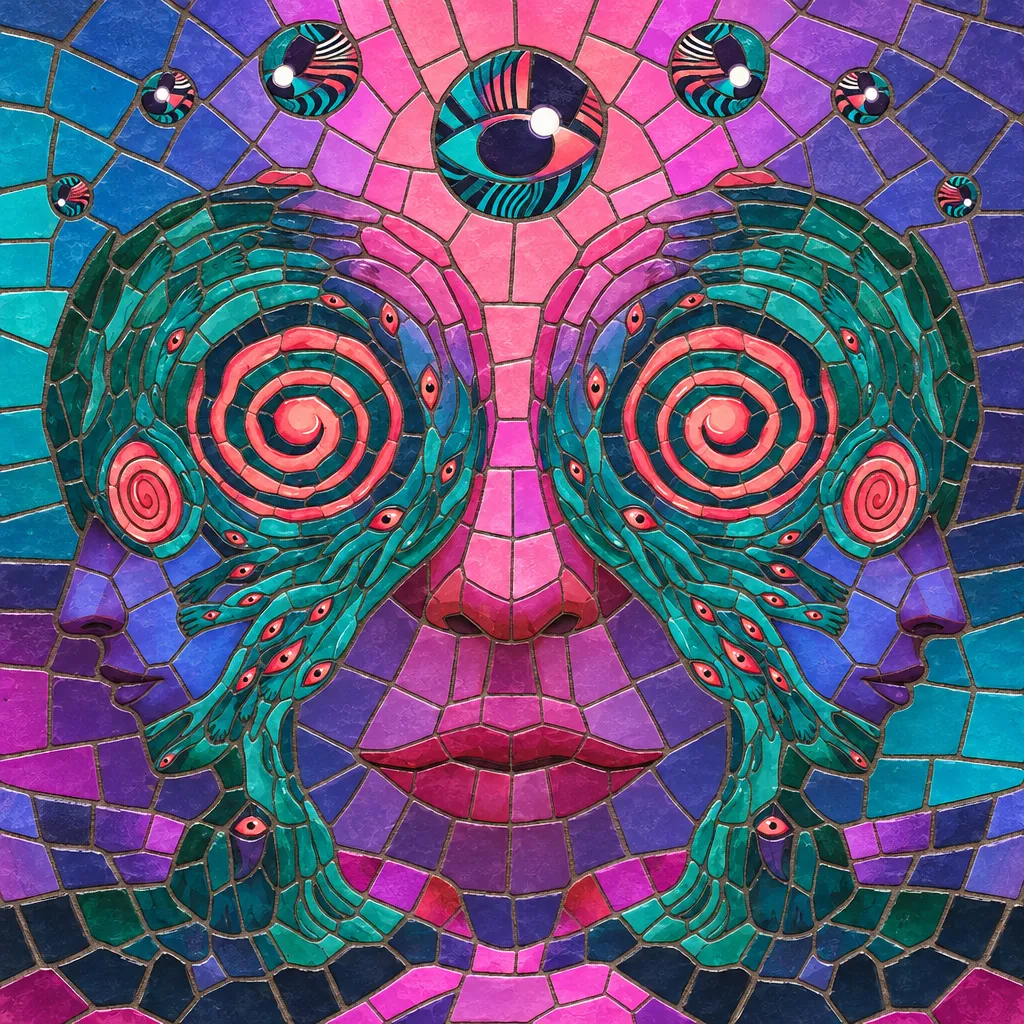
Electronic is a broad umbrella genre defined by the primary use of electronically generated or electronically processed sound. It encompasses music made with synthesizers, drum machines, samplers, computers, and studio/tape techniques, as well as electroacoustic manipulation of recorded or synthetic sources. The genre ranges from academic and experimental traditions to popular and dance-oriented forms. While its sonic palette is rooted in electricity and circuitry, its aesthetics span minimal and textural explorations, structured song forms, and beat-driven club permutations. Electronic emphasizes sound design, timbre, and studio-as-instrument practices as much as melody and harmony.
Discover
Listen
Show all 24 genres
Albums
2025
Close to the Knife
Blue Foundation
Doomshop Phonk
Dream Pop
Electronic
2019
Silent Dream (Beats & Instrumentals)
Blue Foundation
Downtempo
Electronic
2016
Blood Moon
Blue Foundation
Downtempo
Electronic
Trip Hop
2012
In My Mind I Am Free
Blue Foundation
Downtempo
Electronic
Trip Hop
2011
Tankograd Soundtrack
Blue Foundation, Sara Savery & Ghost Society
Doomshop Phonk
Dream Pop
Electronic
2007
Life of a Ghost
Blue Foundation
Downtempo
Electronic
Rock
2006
Dead People's Choice
Blue Foundation
Electronic
Trip Hop
2004
Sweep of Days
Blue Foundation
Downtempo
Electronic
Trip Hop
2001
Blue Foundation
Blue Foundation
Downtempo
Electronic
Trip Hop
2000
Wiseguy & Hollywoord
Blue Foundation
Electronic
Trip Hop
Similar artists
Hide discovered
1
/5
Various Artists
Soundtrack
Afro-Funk
Alternative Rock
3
/5
Bowery Electric
Trip Hop
Downtempo
Shoegaze
4
/5
Dido
Pop
Downtempo
Europop
3
/5
Hooverphonic
Downtempo
Trip Hop
Electronic
4
/5
Gustavo Cerati
Argentine Rock
Rock
Alternative Dance
3
/5
Catching Flies
Downtempo
Electronic
Indie Dream Pop
3
/5
Love Spirals Downwards
Dark Wave
Ethereal Wave
Dream Pop
2
/5
Halou
Downtempo
Trip Hop
Dream Pop
2
/5
Single Gun Theory
Trip Hop
Downtempo
Dream Pop
4
/5
Faithless
Electronic
Big Beat
Downtempo
Download our mobile app
Get the Melodigging app and start digging for new genres on the go
Download on the App Store
Get it on Google Play
© 2026 Melodigging
Give feedback
About & FAQ
Legal
Melodding was created as a tribute to
Every Noise at Once
, which inspired us to help curious minds keep digging into music's ever-evolving genres.