Genres
Artists
Albums
Make Music
Sign in
Sign in
Artists
Kawaii Metal
Artists
Kawaii Metal
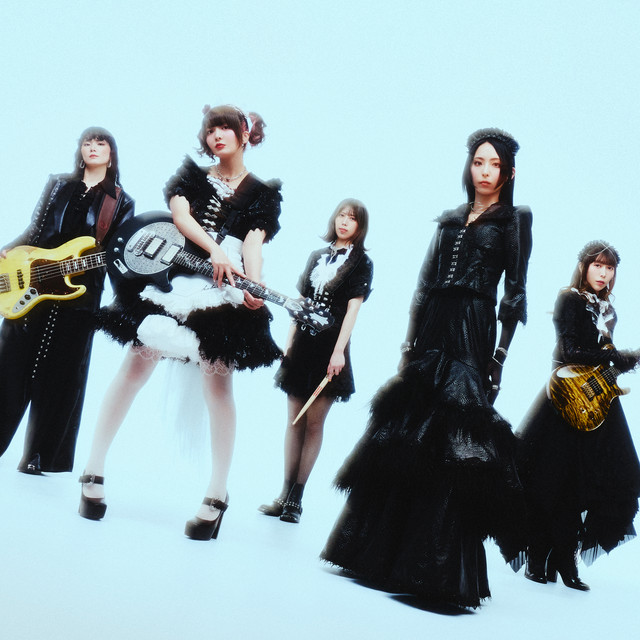
BAND-MAID
2017–2025
·
14 albums
Listen
3
/5
Genres
Asian Rock
Asian Rock (in the contemporary online-rap sense) is a pluggnb-derived microstyle that fuses the dense, bouncy percussion of pluggnb with bright, anime/Asian-rock-tinged melodic cues. Production typically layers airy bells, mallet or synth plucks, and shimmering pads with soaring synthetic guitar leads that nod to Japanese rock and anime-score aesthetics. Vocals lean melodic—half-sung, half-rapped—with light autotune and emotive hooks, riding swung hi-hats, skipping rimshots, and rubbery 808 slides. Rather than a geographic tag, this style labels a sonic palette: internet-native trap built on pluggnb drums and glossy, nostalgic melodies that evoke anime openings and J-rock guitar heroics.
Discover
Listen
Kawaii Metal
Kawaii metal (often called "cute metal") fuses the bright, bubbly melodies and idol aesthetics of J‑pop with the high-gain guitars, double‑kick drumming, and riff‑driven power of heavy metal. It pairs sugar‑sweet group vocals, chants, and call‑and‑response hooks with thrash and power‑metal riffing, metalcore breakdowns, and occasional electronic flourishes. Beyond sound, the genre is defined by its striking visual presentation: colorful costumes, choreographed dance routines, and a playful, high‑energy stage presence that contrasts with traditionally aggressive metal sonics. This juxtaposition—cuteness meeting heaviness—is the core of its appeal.
Discover
Listen
J-Pixie
J‑pixie is a sparkle‑bright corner of contemporary Japanese pop/rock that blends anison (anime song) bombast with idol polish and indie‑rock drive. The “pixie” label hints at the sound’s effervescent, twinkling timbres: high, agile female vocals; glittering synth arpeggios; and punchy guitars that sprint toward cathartic, sky‑punching choruses. Arrangements tend to be compact and cinematic—verse/pre‑chorus/chorus structures with dramatic lifts, halftime-to-double‑time switches, precision drum fills, and frequent late‑song key changes. The overall aesthetic is optimistic and youthful, with lyrics about resolve, friendship, and wonder, often peppered with catchy English hooks. It sits between mainstream J‑Pop, anison, seiyū (voice‑actor) pop, and female‑fronted alt‑rock, making it both playlist‑friendly and tailor‑made for anime tie‑ins and live band settings.
Discover
Listen
Nu-Metalcore
Nu‑metalcore (often nicknamed "nu‑core") blends the bounce, hip‑hop inflections, and downtuned groove of late‑1990s nu metal with the breakdown‑heavy aggression and precise syncopation of 2000s metalcore. Expect sharply gated, low‑tuned riffs, halftime drops, and elastic grooves that swing between punchy chugs and percussive, djent‑like accents. Vocals typically jump from harsh screams and pitched‑down growls to rap‑leaning cadences and hooky, melodic choruses. Electronic textures—turntable cuts, glitch edits, sub‑drops, and 808 layers—are common, supporting a glossy yet crushing modern production aesthetic. Lyrically, the style carries nu metal’s confessional angst and social frustration while adopting metalcore’s cathartic intensity and mosh‑centric energy. The result is a contemporary, club‑ready heaviness that feels both nostalgic and forward‑looking.
Discover
Listen
Workout Product
Workout product is a functional, production-oriented music micro-genre built for high-energy exercise contexts—HIIT, cardio, strength circuits, spin, and bootcamps. Rather than being artist-led, it is library- and catalog-driven: concise, loop-friendly tracks emphasize a steady, powerful four-on-the-floor pulse, simple hyping hooks, and drop-focused structures that sustain intensity. Typical tempos fall in the 120–150 BPM range (often synced to rep cadence or interval timers), with bright, compressed sonics, sidechained bass, and clear transitional cues for work/rest blocks. It draws from mainstream EDM and dance-pop (big-room builds, future-bass lift, electro-house grit) and modern pop/rap percussion. The result is highly motivational, durable background music that helps pace workouts and energize group classes, digital fitness content, and gym environments.
Discover
Listen
Alternative Idol
Alternative idol (often shortened to alt-idol) is a Japanese offshoot of the idol scene that fuses conventional pop-idol vocal formats and choreography with underground and left-field music aesthetics. Instead of polished, uniformly cheerful arrangements, alternative idol projects lean into punk, post-punk, noise, metal, industrial, and experimental electronics, often embracing darker themes, abrasive timbres, and performance-art sensibilities. The result preserves the immediacy, hooks, and audience participation of idols while introducing unpredictable song structures, heavier guitars, club-ready drops, screams or harsh vocals, and conceptual imagery. Visually and lyrically, alt‑idol cultivates a self-aware, sometimes subversive response to mainstream idol culture—playing with vulnerability, catharsis, and satire—yet still prioritizing big choruses, chantable hooks, and high-energy live shows.
Discover
Listen
Diy Emo
DIY emo is a grassroots, home-recorded and community-driven branch of contemporary emo that blends twinkly Midwest-emo guitar work, confessional lyricism, and pop-punk urgency with a distinctly lo‑fi, self-produced aesthetic. It foregrounds the ethics of the do‑it‑yourself underground: basement shows, tape or Bandcamp releases, collective touring, and a preference for intimacy over polish. Sonically, it leans on clean, chiming guitars, melodic basslines, dynamic drumming, and unvarnished vocals that veer from soft-spoken to cathartic sing-alongs. Rather than chasing radio gloss, DIY emo embraces rawness and vulnerability—often capturing the feel of a crowded living room show—while channeling themes of friendship, mental health, hometowns, and the bittersweet transitions of early adulthood.
Discover
Listen
Idol Rock
Idol rock is a Japanese pop-idol–centered style where the visual and fan-culture “idol” framework is paired with rock band or rock-derived arrangements. Compared to mainstream J-pop idol music, idol rock typically emphasizes louder guitars, live-band energy, punchier drums, and song structures borrowed from pop-rock, punk, emo, or alternative rock, while keeping idol pop’s bright hooks, chant-friendly choruses, and character-driven presentation. Performances often blend concert-style rock staging (bands, mosh/hand gestures, call-and-response) with idol choreography and audience participation traditions.
Discover
Listen
Visual Kei
Visual kei is a Japanese rock/metal-centered movement defined as much by its theatrical, gender-fluid visual presentation as by its sound. Bands employ elaborate makeup, dramatic hairstyles, flamboyant or gothic costumes, and stylized stagecraft to create a total art experience that fuses music and spectacle. Musically, visual kei spans hard rock, heavy/speed metal, punk/post-punk, new wave, and gothic influences, often blending melodic hooks with virtuosic guitar work, dynamic arrangements, and emotionally charged vocals. Lyrical themes commonly explore romance, decadence, existential angst, fantasy, and nostalgic longing, while arrangements may incorporate strings, synths, or piano for cinematic effect. Substyles like kote kei (early, heavier), Nagoya kei (darker, post-punk/goth-leaning), and later softer or pop-inflected variants illustrate its breadth and evolution.
Discover
Listen
Heavy Metal
Heavy metal is a loud, guitar-driven style of rock defined by heavily distorted riffs, thunderous drums, and powerful vocals. Its musical language emphasizes minor modes, modal (Aeolian, Phrygian) riffing, and energy over groove, often featuring virtuosic guitar solos and dramatic dynamic contrasts. Emerging from late-1960s blues rock and psychedelic experimentation, heavy metal codified a darker, heavier sound with bands like Black Sabbath, Deep Purple, and Led Zeppelin. The genre values weight, intensity, and grandeur—whether through plodding, doom-laden tempos or galloping, high-energy rhythms—paired with themes that range from personal struggle and social critique to fantasy, mythology, and the occult.
Discover
Listen
Power Pop
Power pop is a guitar-driven style that distills the melodic immediacy of 1960s British Invasion pop into concise, high-energy rock songs. It emphasizes big hooks, ringing guitars (often Rickenbacker-style jangle), tight vocal harmonies, and punchy, economical arrangements that typically run around three minutes. Lyrically, it leans toward youthful longing, romance, and bittersweet nostalgia, delivered with bright major-key progressions, chiming arpeggios, and sing-along choruses. Though Pete Townshend used the term in the late 1960s, the genre cohered in the early 1970s with bands like Badfinger, Big Star, and the Raspberries, and it has resurfaced repeatedly in waves through new wave, indie, and modern pop-punk contexts.
Discover
Listen
Hard Rock
Hard rock is a loud, riff-driven style of rock music built around heavily amplified electric guitars, a powerful rhythm section, and assertive vocals. Songs typically center on memorable, blues-based guitar riffs, strong backbeats, and energetic, often shouted or belted choruses. The genre emphasizes power, groove, and visceral impact over intricate harmony or extended improvisation. Distortion, power chords, pentatonic melodies, and call‑and‑response between vocals and guitar are core traits, while lyrical themes often explore rebellion, lust, swagger, escape, and cathartic release.
Discover
Listen
J-Rock
J-rock (Japanese rock) is the umbrella term for rock music created in Japan, spanning everything from classic rock, punk, and metal to alternative, indie, and progressive strains. It blends Western rock instrumentation and songcraft with Japanese melodic sensibilities, crisp production, and lyrics primarily in Japanese (often mixed with some English phrases). Typical features include hook-forward choruses, expressive guitar leads, tight rhythm sections, and dynamic arrangements that can pivot from delicate verses to big, anthemic refrains. Because of Japan’s media ecosystem, J-rock frequently intersects with anime, TV dramas, and video games, which helps bands reach mainstream audiences while retaining a band-centric, live-performance identity. Although stylistically diverse, J-rock commonly emphasizes memorable melodies, emotional catharsis, and precise musicianship, with influences ranging from British Invasion and classic rock to punk/new wave, progressive rock, and heavy metal.
Discover
Listen
K-Rock
K-rock (Korean rock) is the umbrella term for rock music made in South Korea, spanning classic beat and garage, psychedelic and folk rock, hard rock and metal, punk, alternative, and modern indie and pop-rock. It typically blends guitar-driven textures and Western rock songcraft with Korean melodic sensibilities, clear vocal delivery, and lyrics that oscillate between youthful catharsis, social observation, and intimate storytelling. Production ranges from raw live-club energy to polished studio sheen, and some artists occasionally fold in traditional instruments or pentatonic turns that nod to Korean musical heritage. The scene is closely tied to live culture—especially the Hongdae club circuit—and to major rock festivals, with periodic crossovers into K-pop via idol bands and OST-friendly pop-rock.
Discover
Listen
Rock
Rock is a broad family of popular music centered on amplified instruments, a strong backbeat, and song forms that foreground riffs, choruses, and anthemic hooks. Emerging from mid‑20th‑century American styles like rhythm & blues, country, and gospel-inflected rock and roll, rock quickly expanded in scope—absorbing folk, blues, and psychedelic ideas—while shaping global youth culture. Core sonic markers include electric guitar (often overdriven), electric bass, drum kit emphasizing beats 2 and 4, and emotive lead vocals. Rock songs commonly use verse–chorus structures, blues-derived harmony, and memorable melodic motifs, ranging from intimate ballads to high‑energy, stadium‑sized performances.
Discover
Listen
Show all 15 genres
Albums
2025
3
/5
SCOOOOOP
BAND-MAID
Kawaii Metal
Idol Rock
Hard Rock
2025
2
/5
What is justice?
BAND-MAID
Kawaii Metal
Idol Rock
2025
2
/5
Ready to Rock
BAND-MAID
Kawaii Metal
Idol Rock
J-Pixie
2025
2
/5
Zen
BAND-MAID
Kawaii Metal
Idol Rock
2024
3
/5
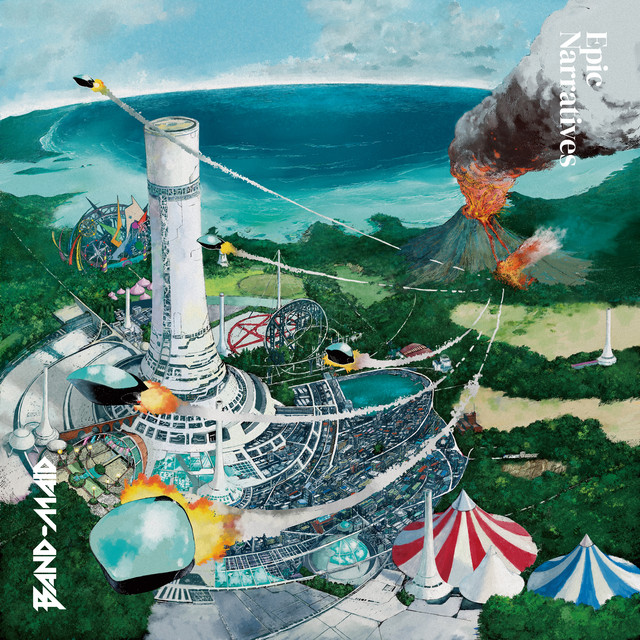
Epic Narratives
BAND-MAID
Kawaii Metal
2024
2
/5
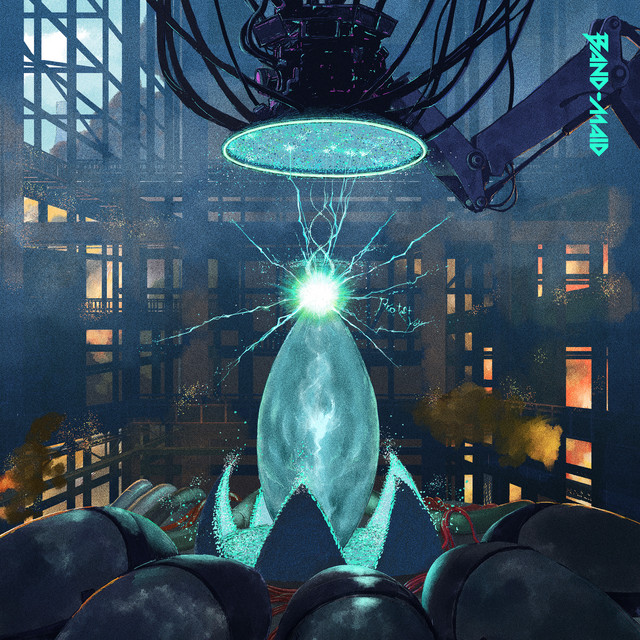
Protect You
BAND-MAID
Kawaii Metal
Idol Rock
2023
2
/5
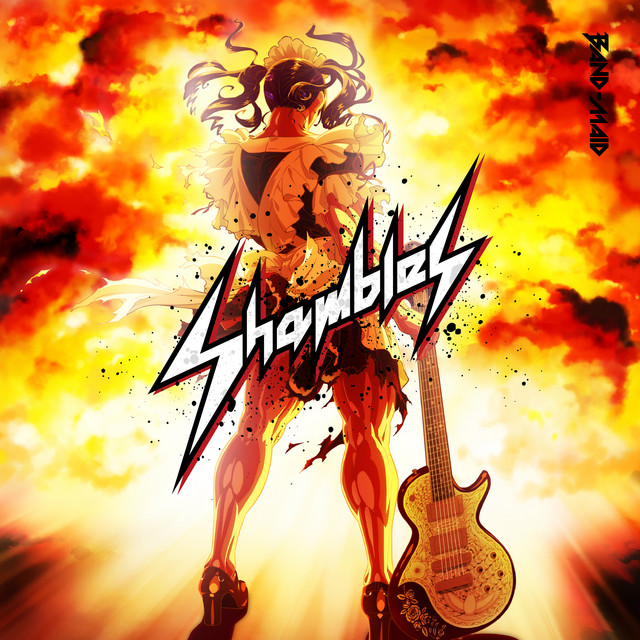
Shambles
BAND-MAID
Kawaii Metal
2023
3
/5
10th Anniversary Best Vol.1
BAND-MAID
Kawaii Metal
2022
2
/5
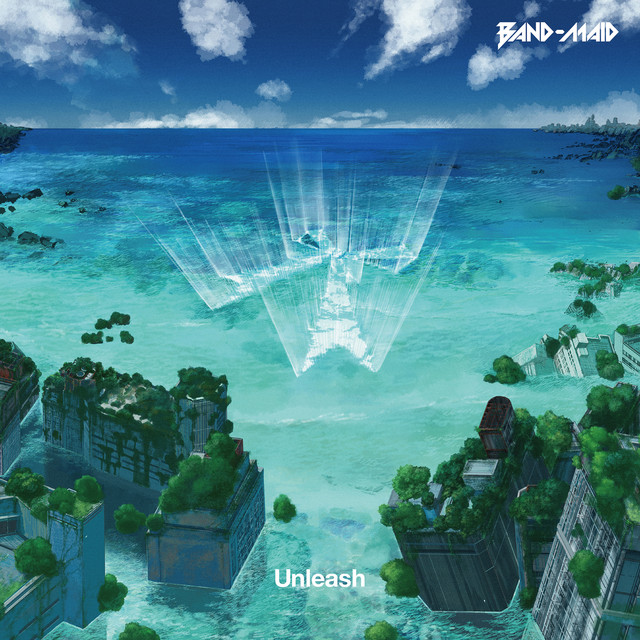
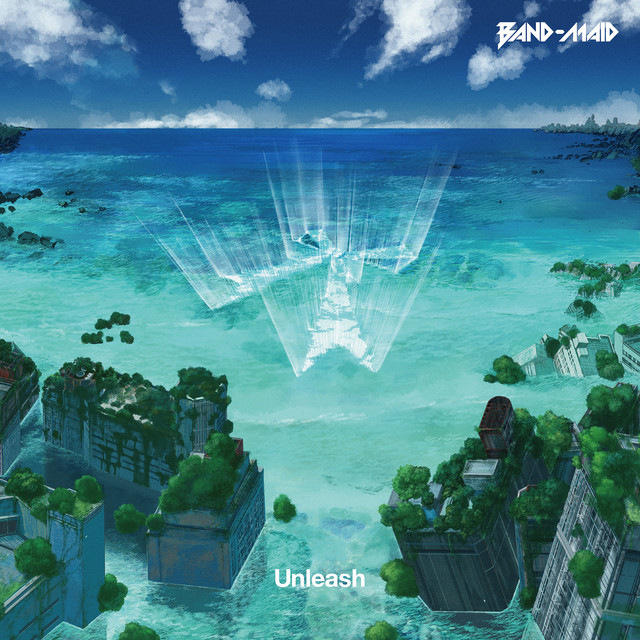
Unleash
BAND-MAID
Kawaii Metal
Hard Rock
Rock
2022
3
/5
Unleash
BAND-MAID
Kawaii Metal
Hard Rock
Rock
2021
2
/5
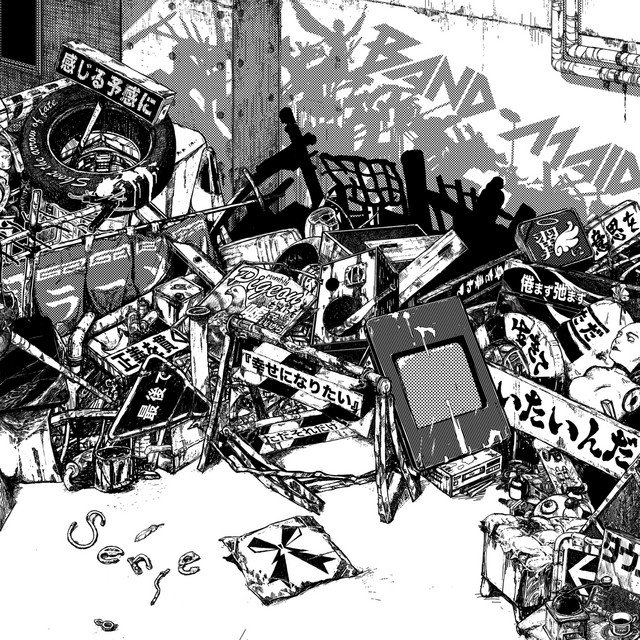
Sense
BAND-MAID
Kawaii Metal
Hard Rock
2021
1
/5
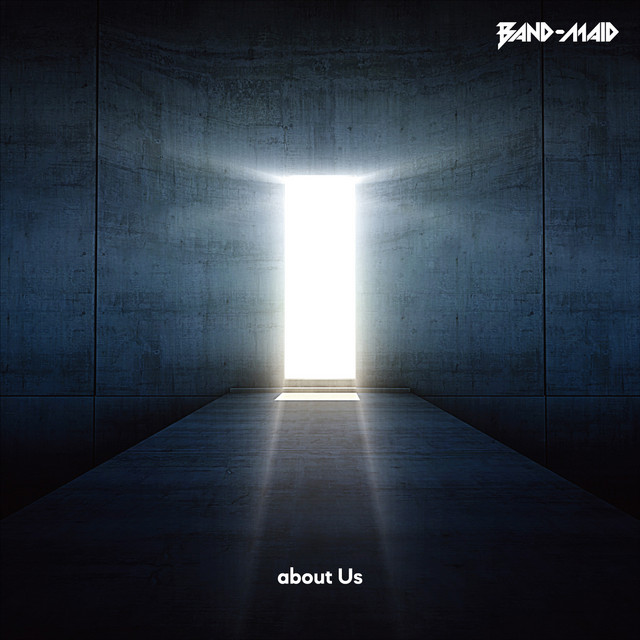
About Us
BAND-MAID
Kawaii Metal
2018
3
/5
WORLD DOMINATION
BAND-MAID
Kawaii Metal
Hard Rock
Rock
2017
2
/5
Daydreaming/Choose me
BAND-MAID
Kawaii Metal
Idol Rock
Rock
Similar artists
4
/5
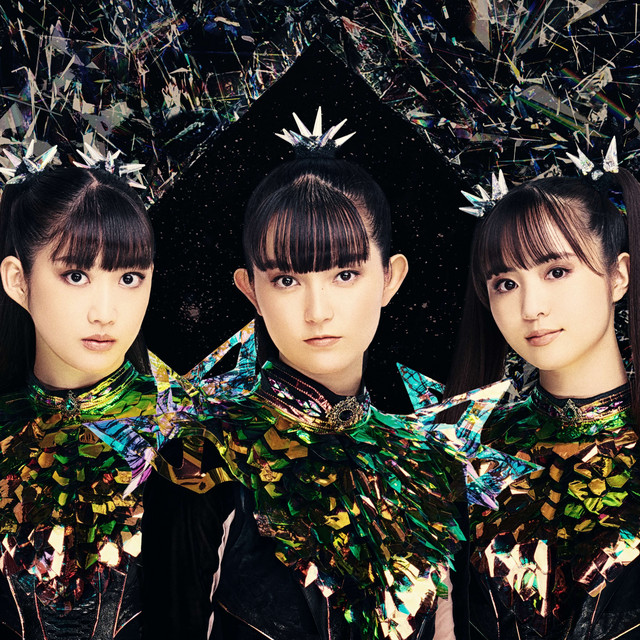
BABYMETAL
Idol Rock
Kawaii Metal
Alternative Metal
2
/5
LADYBABY
Kawaii Metal
Idol Rock
J-Rock
2
/5
Broken By The Scream
Kawaii Metal
Alternative Idol
Metalcore
3
/5
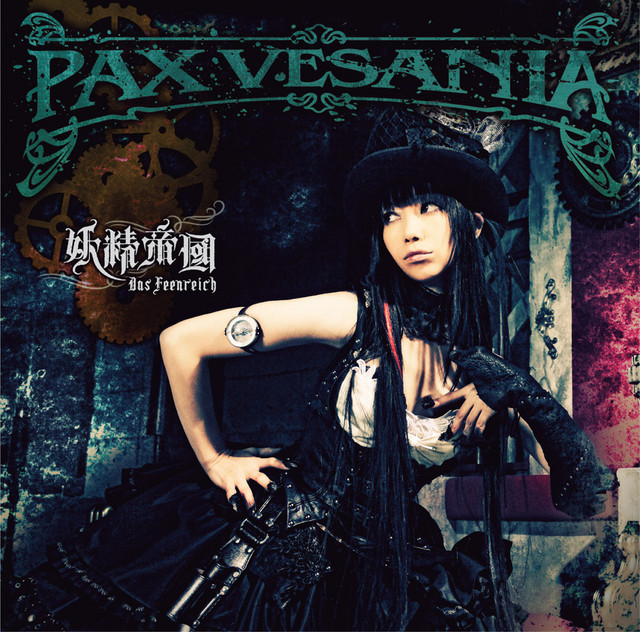
Yousei Teikoku
Anime
Idol Rock
J-Rock
3
/5
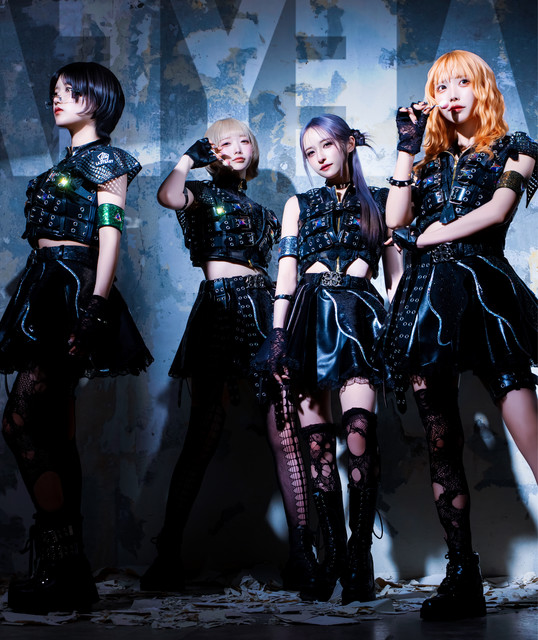
花冷え。
Visual Kei
Emo Revival
J-Rock
2
/5
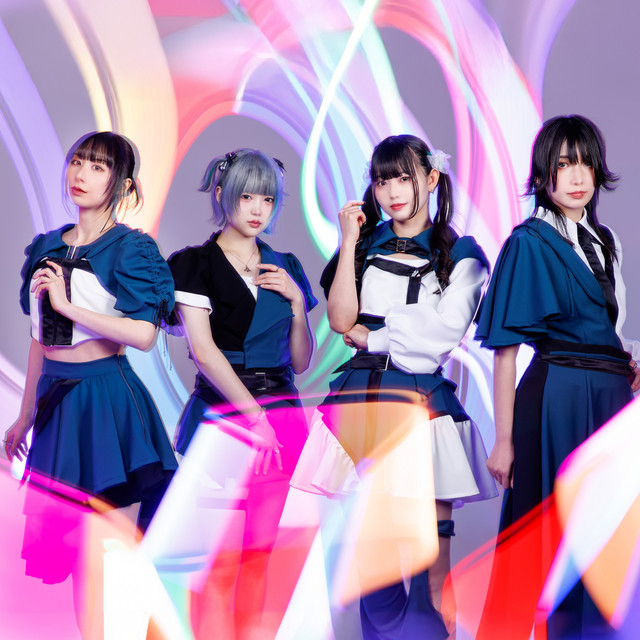
PassCode
Kawaii Metal
Idol Rock
Trance Metal
2
/5
NECRONOMIDOL
Kawaii Metal
Alternative Idol
J-Rock
5
/5
Mrs. GREEN APPLE
J-Rock
J-Pop
Anime
3
/5
MUCC
Oshare Kei
Visual Kei
Alternative Metal
2
/5
zenbukiminoseida.
Idol Rock
J-Rock
Kawaii Metal
Download our mobile app
Get the Melodigging app and start digging for new genres on the go
Download on the App Store
Get it on Google Play
© 2026 Melodigging
Give feedback
Legal
Melodding was created as a tribute to
Every Noise at Once
, which inspired us to help curious minds keep digging into music's ever-evolving genres.