Genres
Artists
Albums
Make Music
Sign in
Sign in
Artists
Alternative Rock
Artists
Alternative Rock
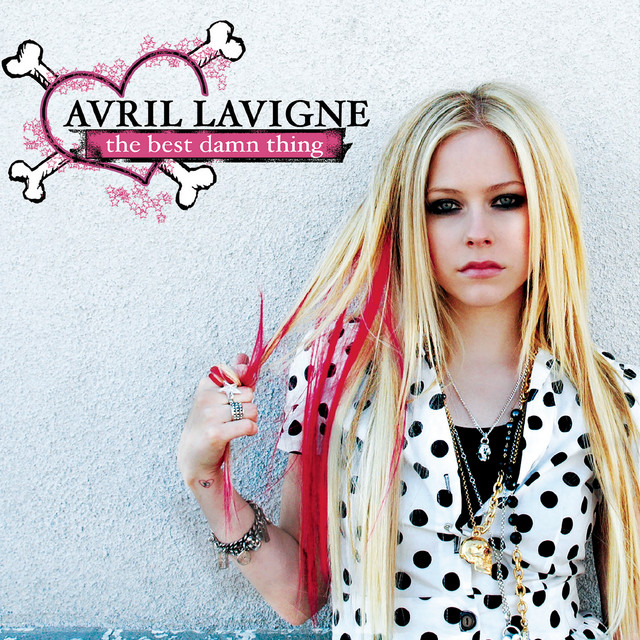
Avril Lavigne
2002–2022
·
8 albums
Listen
5
/5
Genres
Scenecore
Scenecore is a net-native microgenre that revives mid‑2000s “scene kid” aesthetics—neon hair, slasher/gore imagery, and MySpace-era melodrama—inside a 2020s hyperpop/digicore production framework. Sonically it blends sped‑up, pitch‑shifted “kawaii” vocals with harsh, clipping drums and distorted 808s, breakcore-like edits, trancey supersaws, and nintendocore/Video‑game timbres. Hooks are chantable and meme-ready, lyrics swing between confessional emo and tongue‑in‑cheek horror, and the entire presentation is designed for short‑form virality on TikTok, SoundCloud, and Discord-driven micro‑communities. The result is an aggressive, glossy, and maximal style that feels simultaneously nostalgic and ultra‑online: part nightcore rush, part screamo‑rap catharsis, part cyber‑club euphoria.
Discover
Listen
Candy Pop
Candy pop is a super-bright, hook-forward branch of contemporary pop that emphasizes sweetness in both sound and theme. It blends bubblegum-style melodies with modern, glossy production, favoring catchy toplines, clean harmonies, and playful textures. Arrangements lean on glittery synths, claps, hand-percussion, and buoyant four-on-the-floor or bouncy half-time beats. Lyrics typically revolve around crushes, friendship, first love, and carefree fun, delivered with enthusiastic, youthful vocals. Compared with classic bubblegum pop, candy pop adopts current pop techniques (EDM builds, post-chorus hooks, subtle trap-lite percussion) and borrows visual and melodic cues from J-pop and K-pop’s “kawaii” aesthetics.
Discover
Listen
Cinematic Dubstep
Cinematic dubstep is a hybrid of dubstep’s half‑time bass music and the sweep of film score writing. It layers colossal, trailer‑style sound design (impacts, risers, braaams) over orchestral textures—strings, brass, choirs, and big percussion—then delivers 140 BPM drops with growling basses and wide, atmospheric pads. Compared to standard brostep, it leans more narrative and emotive: introductions unfold like a cue from a movie, builds feel like a trailer climax, and breakdowns often return to piano, strings, or ambient soundscapes before a final, ‘act‑three’ drop. The result is music equally at home in esports intros, game/trailer sync, and festival stages.
Discover
Listen
Emo Revival
Emo revival is a 2010s resurgence of the melodic, introspective strain of 1990s and early-2000s emo, updated with indie-rock and math-rock sensibilities. It emphasizes twinkly, interlocking clean guitars, confessional and diaristic lyrics, dynamic quiet‑loud arrangements, and a DIY ethos rooted in house shows, small labels, and online communities. Compared with 2000s mainstream emo-pop, the revival leans closer to Midwest emo and indie aesthetics—often cleaner in tone, more rhythmically intricate, and less polished, while remaining hooky and emotionally direct.
Discover
Listen
Indie Pop Rap
Indie pop rap blends the melodic hooks and DIY aesthetic of indie pop with conversational, often introspective rap delivery. The production favors warm, guitar- or synth-led beats, understated drums, and lo‑fi textures over bombastic trap maximalism. Lyrically, it leans personal and relatable—relationships, coming of age, mental health, and day-to-day vignettes—delivered in a half-sung, half-rapped style. The sound was shaped by bedroom producers and the streaming era, where low-stakes, catchy songs with intimate vocals thrive on playlists and social media.
Discover
Listen
Neo Metal
Neo metal is a contemporary, hybrid branch of heavy music that fuses modern metal riffing and breakdown power with glossy, pop-aware songwriting and electronic production. It borrows the bounce and hip‑hop sensibility of late‑1990s/early‑2000s nu metal, the precision of metalcore and djent, and the synthetic textures of EDM, trap, and industrial. Hallmarks include down‑tuned 7–8‑string guitars, half‑time, groove‑led drums, sub‑heavy 808s, and an emotive vocal palette that shifts between screams, rap‑cadenced phrasing, and soaring pop choruses. Studio craft is central: sound design, side‑chained synths, layered vocals, and punchy, wide masters aim for festival‑scale impact while remaining radio/playlist friendly.
Discover
Listen
Beats
Beats is a loose, producer-driven category for rhythm-forward instrumentals built around hip‑hop drum patterns without necessarily being rap songs or featuring vocals. It functions as an umbrella for stock, "type," and backing tracks used by rappers, singers, streamers, and content creators, spanning boom‑bap swing to trap hi‑hat grids and R&B‑leaning grooves. On streaming platforms it often appears as standalone instrumentals packaged by tempo, mood, or artist style (e.g., “trap type beat,” “R&B instrumental,” “club beat”), prioritizing portability and utility over artist identity. While rooted in hip‑hop production aesthetics—kicks, snares, 808s, chopped samples—Beats blends downtempo, electronic, and contemporary R&B sensibilities, aiming for clarity, loopability, and immediate vibe.
Discover
Listen
Shush
Shush is a functional microgenre of sleep-oriented audio built around continuous “shh/sshhh”‑like broadband noise and closely related soothing textures (white, pink, or brown noise; soft rain; waves). Producers design long, loopable tracks with minimal dynamics and no melody so the sound masks environmental noise and promotes infant and adult sleep. As a name, “shush” reflects the centuries‑old caregiving practice of calming babies by sustained shushing, which modern sleep science popularized through white‑noise devices and smart soothers. Contemporary catalogs typically offer multiple “shush” timbres (fast/slow shush, hair‑dryer, train, brown/white noise) and publish them on streaming services in multi‑hour formats.
Discover
Listen
Acoustic Guitar Cover
Acoustic guitar cover is a contemporary practice of reinterpreting well‑known songs on a solo or prominently featured acoustic guitar, often as fully arranged instrumentals and sometimes with intimate, unplugged vocals. Built on fingerstyle and modern percussive techniques, performers weave a song’s melody, bass, and harmony into a single guitar part. The sound skews warm, spacious, and close‑mic’d—optimized for streaming, playlists, and social video. While rooted in older guitar traditions, its identity solidified in the streaming era as a calm, portable format for pop, rock, and film/TV themes. Today it serves multiple listening contexts—study, focus, weddings, coffeehouse ambience—and acts as a bridge between mainstream hits and guitar artistry.
Discover
Listen
Classify
Classify is a streaming-era microgenre that blends light classical technique with contemporary pop repertoire, typically presented as unobtrusive instrumental covers. It prioritizes soft dynamics, gentle tempos, and intimate recording to create a calm, elegant backdrop suitable for studying, working, or events. Most arrangements are for solo piano, string quartet, cello/piano duos, or small chamber ensembles. Harmonies remain diatonic and consonant, melodies are clearly voiced, and textures favor arpeggios, ostinati, and sustained legato lines. The overall aesthetic borrows from modern classical and new age moods while retaining the familiarity of pop song forms.
Discover
Listen
Drikkelek
Drikkelek is a Scandinavian micro‑genre of high‑energy party music built around drinking games. The word itself means "drinking game" in Norwegian/Danish, and the tracks function as soundtracks that give simple, shouted instructions to a crowd (drink, swap seats, point people out, count‑downs) while riding big, festival‑style drops. Musically it blends Eurodance and big‑room/electro‑house sonics—four‑on‑the‑floor kicks, supersaw leads, risers and air‑horn FX—with ultra‑catchy chant hooks and easy rhymes. The tone is playful and rowdy; lyrics favor commands and call‑and‑response over storytelling so the party can follow along instantly. The result is music optimized for pre‑games, party buses/boats, student events and cabin trips across Norway (and neighboring Nordic scenes).
Discover
Listen
Flint Sound
Flint sound is a contemporary Michigan rap style centered in Flint, United States. It is characterized by fast, minimal, piano- or organ-led beats, dry and upfront vocals, and bar-by-bar “punch‑in” delivery that often rides slightly ahead of or behind the grid for a conversational, off‑kilter feel. The production typically favors bright piano loops, staccato 808 slides, crisp claps or rimshots, and sparse percussion, leaving plenty of space for relentless punchlines, gritty street reportage, and mischievous humor. While hard-edged and streetwise, the style frequently leans into charismatic personality and wit, making it both aggressive and infectious for dancing.
Discover
Listen
Jirai Kei
Jirai kei is a recent Japanese internet-born pop micro‑genre and aesthetic that blends cute, sugary sounds with darker, obsessive and self‑destructive themes. The term comes from a fashion/aesthetic scene associated with yamikawaii and menhera culture, and in music it describes songs that sound soft and adorable on the surface but conceal lyrics about toxic love, dependency, jealousy, and emotional volatility. Sonically, jirai kei draws from J‑pop and Vocaloid traditions (denpa/picopop brightness, catchy hooks) while adopting modern hyperpop gloss, trap/EDM percussion, and highly edited, youthful vocals. The contrast between childlike, pastel timbres and intense, confessional writing is central to the style, making it both immediately hooky and emotionally sharp—an audio embodiment of “cute but dangerous.”
Discover
Listen
Modern Ska Punk
Modern ska punk is a 2010s–2020s reboot of ska’s off‑beat guitar “skank” and brass arrangements fused with pop‑punk hooks, hardcore energy, and contemporary indie/DIY production. It keeps Jamaican ska’s upstroke rhythm and walking bass feel, but toggles to double‑time punk beats and distortion for choruses, foregrounding big gang vocals and tightly voiced horn stabs. Culturally, the scene coalesced around inclusive, explicitly anti‑racist/anti‑sexist, queer‑affirming DIY communities (e.g., Bad Time Records), and a new crop of bands that treat ska not as nostalgia but as a flexible songwriting language. High‑profile signals of the revival included Jeff Rosenstock’s 2021 full‑album ska rework SKA DREAM, and We Are the Union’s Ordinary Life, a trans‑affirming, hook‑forward ska‑punk LP. The term “New Tone,” popularized by members of Bad Operation, captures a cleaner, roots‑aware but forward‑looking branch of the sound.
Discover
Listen
Shimmer Pop
Shimmer pop is a glossy, hook-forward offshoot of indie pop that emphasizes bright, “glassy” textures and dreamy atmospheres. Its sound is defined by clean, chorus‑drenched guitars or twinkling synth arpeggios, lush pads, and wide, sparkling high‑end detail that gives the music a literal sense of shimmer. Production often merges retro new‑wave and synth‑pop colors with modern indietronica polish, pairing side‑chained synths and gated reverbs with crisp, contemporary drum programming. Melodies are unabashedly pop, while the lyrics frequently explore romantic longing, youthful nostalgia, and late‑night introspection. Tempos typically sit in the mid‑tempo range, with steady 4/4 grooves or lightly syncopated patterns that keep the music buoyant and danceable without becoming aggressive. The overall mood balances optimism and wistfulness, creating a sound that feels both neon‑bright and emotionally tender.
Discover
Listen
Retro Pop
Retro pop is contemporary pop music that deliberately evokes the sound, songwriting, and studio aesthetics of earlier eras—most commonly the late 1970s and 1980s, but also the 1960s girl‑group era, 1970s disco, soft rock, and early 1990s pop-R&B. Hallmarks include analog-leaning synth textures, danceable four-on-the-floor or funky backbeats, prominent basslines, glossy chorus-heavy guitars, gated-reverb drums, stacked background vocals, and big, unforgettable hooks. While its palette looks backward, retro pop uses modern production workflows—tight low-end, streaming-friendly loudness, and contemporary vocal processing—so it feels nostalgic yet current. Lyrically, retro pop often pairs timeless pop themes (romance, yearning, nightlife, bittersweet memories) with sleek, neon-tinged imagery and cinematic nostalgia, bridging classic pop sensibilities with today’s chart expectations.
Discover
Listen
Post-Grunge
Post-grunge is a radio-friendly evolution of grunge that retains distorted guitars and introspective themes while streamlining song structures, smoothing rough edges, and emphasizing big, anthemic choruses. It shifts the raw abrasion and anti-commercial stance of early-1990s grunge toward a more polished, hook-driven sound suited to mainstream rock and adult-alternative formats. The style typically features mid-tempo grooves, muscular yet clean production, vowel-forward baritone or tenor vocals, and lyrics that universalize angst, resilience, and everyday struggle. Where grunge leaned noisy and cathartic, post-grunge prioritizes clarity, melody, and arena-scale dynamics.
Discover
Listen
Alternative Rock
Alternative rock is a broad umbrella for guitar-based rock that emerged from the independent and college-radio scenes as a counterpoint to mainstream, commercial rock. It blends the energy and ethos of punk with the textural and songwriting experiments of post-punk, new wave, jangle pop, and noise rock, often foregrounding introspective or socially aware lyrics. Across its many strains—from the melodic minimalism of college rock to the loud-quiet-loud dynamics of grunge and the artful experimentation of Radiohead-era modernism—alternative rock prioritizes authenticity, sonic individuality, and a do-it-yourself approach. Its sound ranges from chiming, chorus-laden clean guitars to abrasive distortion and feedback, supported by straightforward rock rhythms or off-kilter grooves, and production that can be either raw and live-sounding or polished yet unconventional.
Discover
Listen
Alternative
Alternative is an umbrella term for non-mainstream popular music that grew out of independent and college-radio scenes. It emphasizes artistic autonomy, eclectic influences, and a willingness to subvert commercial formulas. Sonically, alternative often blends the raw immediacy of punk with the mood and texture of post-punk and new wave, adding elements from folk, noise, garage, and experimental rock. While guitars, bass, and drums are typical, production ranges from lo-fi to stadium-ready, and lyrics tend toward introspection, social critique, or surreal storytelling. Over time, “alternative” became both a cultural stance and a market category, spawning numerous substyles (alternative rock, alternative hip hop, alternative pop, etc.) and moving from underground circuits to mainstream prominence in the 1990s.
Discover
Listen
Pop Punk
Pop punk blends the speed and attitude of punk rock with the melody, hooks, and songcraft of pop. It features bright, concise songs driven by crunchy power-chord guitars, punchy drums, and catchy vocal lines that often favor gang shouts and harmonies. Lyrically, pop punk tends to focus on adolescence, relationships, boredom, suburbia, and self-deprecating humor, delivered with a mix of earnestness and wit. Production ranges from raw and DIY to radio-ready polish, but the core is always immediacy: big choruses, tight structures, and energetic performances.
Discover
Listen
Pop Rock
Pop rock blends the hook-focused immediacy of pop with the instrumentation and drive of rock. It prioritizes catchy melodies, concise song structures, and polished production while retaining guitars, bass, and drums as core elements. Typical pop rock tracks use verse–pre-chorus–chorus forms, strong vocal harmonies, and memorable riffs. The sound ranges from jangly and bright to mildly overdriven and arena-ready, aiming for radio-friendly appeal without abandoning rock’s rhythmic punch.
Discover
Listen
Acoustic Rock
Acoustic rock is a style of rock music built primarily around acoustic instruments—especially steel‑string acoustic guitars—while retaining rock’s song forms, rhythmic drive, and hook‑oriented choruses. Compared with folk or traditional singer‑songwriter material, acoustic rock tends to use stronger backbeats (often played with light drums or hand percussion), more prominent bass movement, and dynamic, chorus‑centric arrangements. The result is a warm, wood‑toned timbre with the energy and structures of rock, but without the distortion and heaviness typical of electric guitar‑led styles. The genre spans intimate solo performances to full‑band “unplugged” settings, often featuring strummed open chords, fingerstyle passages, vocal harmonies, and occasional alternate tunings or capo use to shape color and register.
Discover
Listen
Pop
Pop is a broad, hook-driven style of popular music designed for wide appeal. It emphasizes memorable melodies, concise song structures, polished vocals, and production intended for radio, charts, and mass media. While pop continually absorbs elements from other styles, its core remains singable choruses, accessible harmonies, and rhythmic clarity. Typical forms include verse–pre-chorus–chorus, frequent use of bridges and middle-eights, and ear-catching intros and outros. Pop is not defined by a single instrumentation. It flexibly incorporates acoustic and electric instruments, drum machines, synthesizers, and increasingly digital production techniques, always in service of the song and the hook.
Discover
Listen
Rock
Rock is a broad family of popular music centered on amplified instruments, a strong backbeat, and song forms that foreground riffs, choruses, and anthemic hooks. Emerging from mid‑20th‑century American styles like rhythm & blues, country, and gospel-inflected rock and roll, rock quickly expanded in scope—absorbing folk, blues, and psychedelic ideas—while shaping global youth culture. Core sonic markers include electric guitar (often overdriven), electric bass, drum kit emphasizing beats 2 and 4, and emotive lead vocals. Rock songs commonly use verse–chorus structures, blues-derived harmony, and memorable melodic motifs, ranging from intimate ballads to high‑energy, stadium‑sized performances.
Discover
Listen
Show all 24 genres
Albums
2022
Love Sux
Avril Lavigne
Alternative Rock
Pop Punk
Rock
2019
Head Above Water
Avril Lavigne
Alternative Rock
Pop
Pop Rock
2013
Avril Lavigne
Avril Lavigne
Alternative
Pop Rock
Rock
2011
Goodbye Lullaby
Avril Lavigne
Acoustic Rock
Alternative
Alternative Rock
2007
4
/5
The Best Damn Thing (Expanded Edition)
Avril Lavigne
Candy Pop
Alternative Rock
Pop
2004
3
/5
Nobody's Home
Avril Lavigne
Candy Pop
Alternative Rock
Pop
2004
4
/5
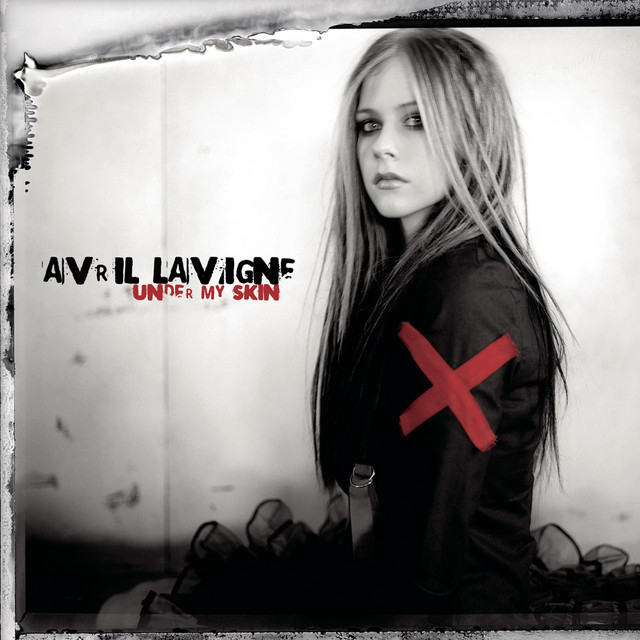
Under My Skin
Avril Lavigne
Candy Pop
Alternative Rock
Pop
2002
5
/5
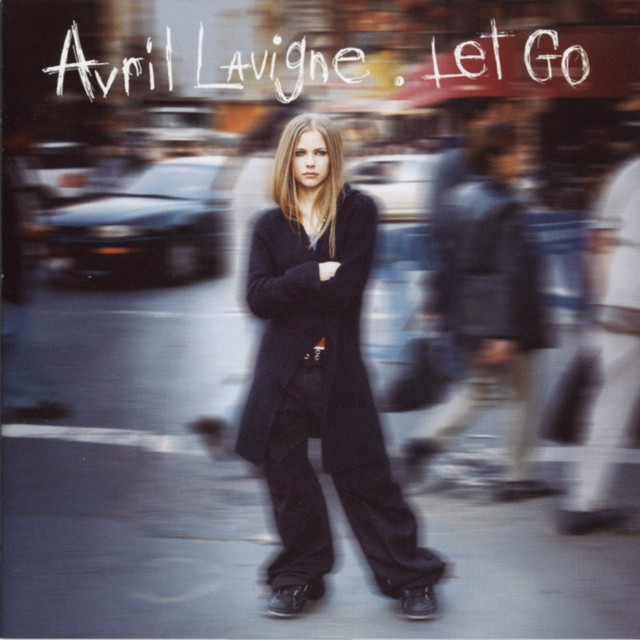
Let Go
Avril Lavigne
Candy Pop
Alternative Rock
Pop
Similar artists
1
/5
Various Artists
Afro-Funk
Alternative Rock
Ambient
5
/5
Paramore
Emo Pop
Candy Pop
Pixie
5
/5
Coldplay
Rock
Permanent Wave
Alternative Rock
5
/5
Linkin Park
Alternative Metal
Nu Metal
Rap Metal
5
/5
David Bowie
Art Rock
Rock
Glam Rock
5
/5
U2
Rock
Alternative Rock
Pop Rock
5
/5
OneRepublic
Piano Rock
Pop
Soft Pop
5
/5
The Cranberries
Alternative Rock
Rock
Pop Rock
5
/5
Maroon 5
Pop
Pop Rock
Alternative Rock
5
/5
Red Hot Chili Peppers
Alternative Rock
Funk Metal
Funk Rock
Download our mobile app
Get the Melodigging app and start digging for new genres on the go
Download on the App Store
Get it on Google Play
© 2026 Melodigging
Give feedback
Legal
Melodding was created as a tribute to
Every Noise at Once
, which inspired us to help curious minds keep digging into music's ever-evolving genres.