Your digging level
Description
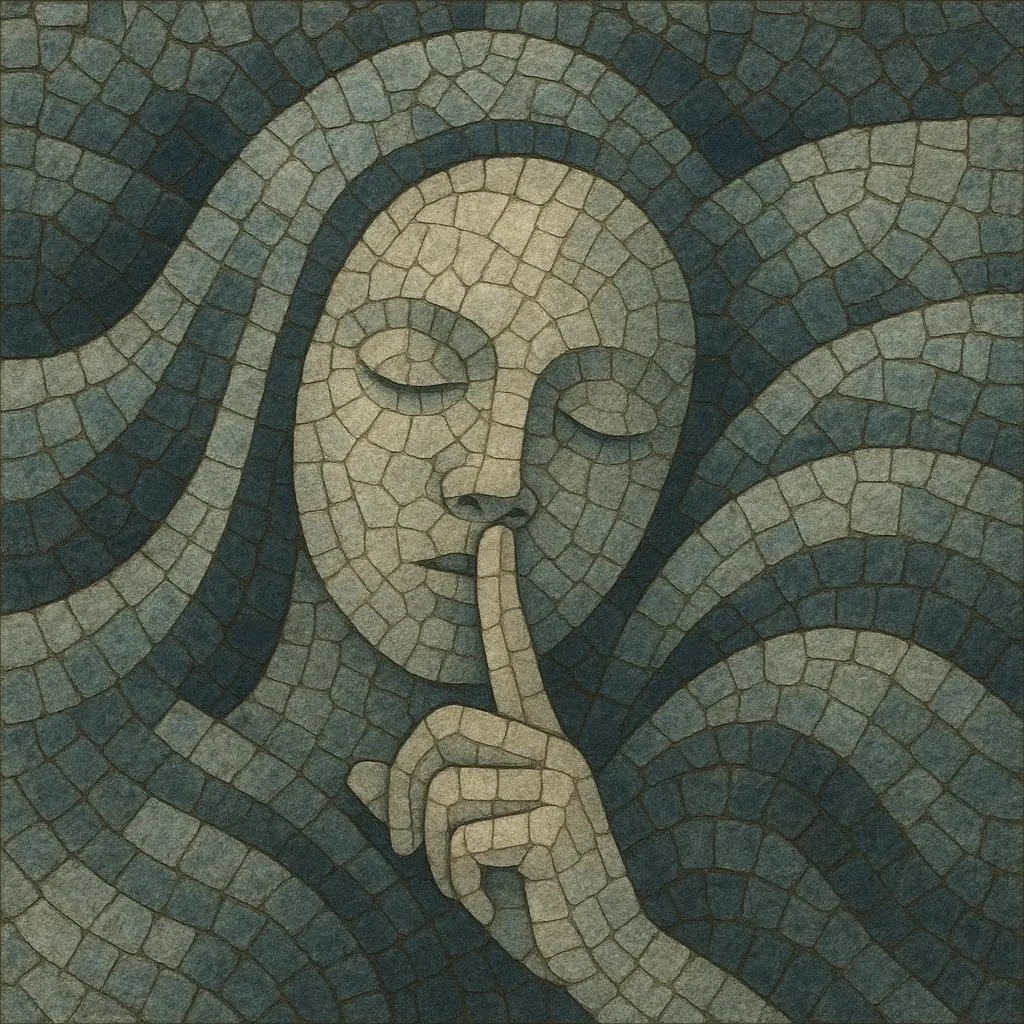
Shush is a functional microgenre of sleep-oriented audio built around continuous “shh/sshhh”‑like broadband noise and closely related soothing textures (white, pink, or brown noise; soft rain; waves). Producers design long, loopable tracks with minimal dynamics and no melody so the sound masks environmental noise and promotes infant and adult sleep.
As a name, “shush” reflects the centuries‑old caregiving practice of calming babies by sustained shushing, which modern sleep science popularized through white‑noise devices and smart soothers. Contemporary catalogs typically offer multiple “shush” timbres (fast/slow shush, hair‑dryer, train, brown/white noise) and publish them on streaming services in multi‑hour formats.
History
Shushing to soothe infants is a long‑standing caretaking behavior. In the 2000s–2010s, pediatric advice and consumer devices reframed the practice as continuous broadband “womb‑like” sound—white noise played at safe levels and distances—to calm crying and help sleep. This codified the “shush” idea in modern parenting culture.
Mid‑2010s smart sleepers and soothers (e.g., SNOO, SNOObie) bundled several engineered sound profiles—including “Slow Shush,” “Fast Shush,” brown/white noise, rain, and train—making shush an explicit preset category. As streaming platforms embraced long‑form functional audio, independent creators and brands uploaded hours‑long shush tracks, often alongside rain and ocean variants, turning “shush” into a recognizable microgenre tag.
By the late 2010s and 2020s, large sleep‑audio catalogs and channels targeted newborn soothing, naps, tinnitus masking, and general sleep hygiene with multi‑hour shush/white‑noise programs. These releases emphasize constant spectra and gentle amplitude to avoid arousal while masking environmental sounds.