Genres
Artists
Albums
Make Music
Sign in
Sign in
Artists
Escape Room
Artists
Escape Room
Ashnikko
2019–2025
·
9 albums
Listen
4
/5
Genres
Escape Room
Escape room is a data-driven label popularized by Spotify to cluster artists who blur lines between alternative R&B, experimental pop, left-field hip hop, and cutting‑edge club/electronic production. Rather than a strict set of musical rules, it signals a sound defined by textural minimalism, sub‑heavy and off‑kilter rhythms, intimate vocal delivery (often breathy or ASMR-adjacent), and a strong emphasis on sound design and negative space. Songs frequently juxtapose glossy melodies with abrasive or deconstructed percussive layers, creating a stylish, future‑leaning mood that resists easy categorization. The name is unrelated to physical puzzle rooms; instead, it marks music that “escapes” legacy genre boxes while remaining pop‑adjacent and internet‑native in aesthetics and distribution.
Discover
Listen
Trap Edm
Trap EDM (often called EDM trap) is a fusion of Southern U.S. hip hop trap rhythms with the build–up/drop architecture and sound design of electronic dance music. It typically runs at 140 BPM with a halftime feel (or 70–75 BPM), featuring 808 sub‑bass, crisp snare/clap on the third beat, rapid 1/16 to 1/32 hi‑hat rolls, brass or synth stabs, and big festival‑style drops. Unlike rap-oriented trap, Trap EDM is primarily instrumental and designed for large dance floors and festivals, emphasizing dramatic risers, tension–release dynamics, and heavy low‑end impact.
Discover
Listen
Dark Pop
Dark pop is a moody, minor‑key strain of pop that blends the hooks and structure of mainstream pop with the shadowy timbres of dark wave, trip hop, and alternative electronic music. It favors intimate, close‑mic vocals, cinematic ambience, and lyrics that explore vulnerability, power, and the unsettling edges of modern life. Production often leans on sub‑bass, sparse trap‑influenced drums, and glossy yet ominous synths, creating a high‑contrast sound that feels both confessional and theatrical. While radio‑friendly in form, dark pop emphasizes tension over euphoria: melodies linger in lower registers, harmonies use modal mixture, and textures deploy reverb, distortion, and sound‑design flourishes to evoke unease and melancholy.
Discover
Listen
Digital Horror
Digital horror is a contemporary horror aesthetic that focuses on dread emerging from networked technologies, software, and always‑on media. Narratives and sound worlds revolve around screens, social platforms, livestreams, malware, deepfakes, and the uncanny presence of algorithmic systems. In music and sound design, the style translates this fear of the digital into glitching textures, corrupted audio artifacts, synthetic drones, and the weaponization of familiar interface sounds (alerts, keyboards, notification pings). It often blends dark ambient, industrial noise, and hauntological sampling to suggest threats that live inside code, clouds, and data centers—consistent with the wider definition that emphasizes anxiety and supernatural menace arising from the Internet and modern media.
Discover
Listen
Gamecore
Gamecore is an internet-native electronic microgenre that fuses the timbres, melodies, and narrative tropes of classic and modern video game music with contemporary EDM songcraft. Its palette leans heavily on chiptune waveforms (square, triangle, noise), retro console/arcade sound effects, and leitmotif-style hooks, but frames them within club-forward rhythms and sound design drawn from electro house, future bass, glitch hop, dubstep, and drum & bass. The result is a bright, kinetic, and often nostalgic sound that feels like a “boss battle” drop or a euphoric level clear. Scenes and labels tied to VGM remix culture, doujin circles, and demoscene aesthetics helped codify the style, while streamers, esports content, and indie game culture amplified its reach.
Discover
Listen
Indie Soul
Indie soul is a contemporary, independently minded offshoot of soul that blends the warmth and emotional directness of classic and neo-soul with the intimate production values and DIY ethos of indie scenes. It favors organic grooves, jazz-tinged harmony, and understated, confessional vocals over radio-driven polish, often embracing lo-fi textures, bedroom recording techniques, and subtle electronic touches. The style typically features roomy drums, buttery electric bass, Rhodes or Wurlitzer keyboards, and clean, chorus- or tremolo-kissed guitars, alongside layered harmonies and tasteful sampling. While it borrows the sophistication of jazz and the pocket of funk, indie soul foregrounds personal storytelling, sonic space, and mood—balancing lush chord progressions with hushed, close-mic’d performances.
Discover
Listen
Neo R&b
Neo R&B is a modern evolution of contemporary R&B that blends classic soul vocal traditions with current hip-hop sensibilities and forward-looking electronic production. It typically features intimate, close-mic singing (often with melisma and layered harmonies), spacious mixes, and experimental textures drawn from electronic music, alternative pop, and modern hip-hop beat-making. Compared with earlier mainstream R&B, neo R&B often favors subtler hooks, mood-driven songwriting, and a “late-night” sonic palette built on deep bass, soft drums, and minimalist chord movement.
Discover
Listen
Nu-Metalcore
Nu‑metalcore (often nicknamed "nu‑core") blends the bounce, hip‑hop inflections, and downtuned groove of late‑1990s nu metal with the breakdown‑heavy aggression and precise syncopation of 2000s metalcore. Expect sharply gated, low‑tuned riffs, halftime drops, and elastic grooves that swing between punchy chugs and percussive, djent‑like accents. Vocals typically jump from harsh screams and pitched‑down growls to rap‑leaning cadences and hooky, melodic choruses. Electronic textures—turntable cuts, glitch edits, sub‑drops, and 808 layers—are common, supporting a glossy yet crushing modern production aesthetic. Lyrically, the style carries nu metal’s confessional angst and social frustration while adopting metalcore’s cathartic intensity and mosh‑centric energy. The result is a contemporary, club‑ready heaviness that feels both nostalgic and forward‑looking.
Discover
Listen
Nyc Pop
NYC pop is a contemporary, hook-forward strain of alternative pop centered on artists living and working in New York City. It blends the sheen of electropop and dance-pop with the songwriting sensibilities of indie pop and indie rock, often pairing bright synths, rhythmic guitars, and punchy drums with large, chantable choruses. Lyrically, it frequently references urban life, ambition, relationships, and self-discovery, capturing the speed, romance, and pressure-cooker energy of the city. Production is glossy but retains an indie edge: live instruments sit beside modern electronic textures, with crisp vocal stacking and ear-catching toplines designed for both radio and festival stages.
Discover
Listen
Rap Metalcore
Rap metalcore is a hybrid style that fuses the rhythmic, lyrical flow of hip hop with the high-gain guitars, breakdowns, and screamed/sung hooks of metalcore. Compared to 1990s rap metal and nu metal, it keeps metalcore’s tighter, modern low-tuned riffing, double-time drumming, and cathartic breakdown structures, while foregrounding MC-style verses, rhyme schemes, and hip‑hop cadences. Production often blends live drums with programmed elements (808 subs, trap hats) and layers percussive, djent-leaning guitar chugs under rapped verses, then explodes into screamed or anthemic sung choruses. Lyrical themes span personal struggle, social commentary, resilience, and identity, delivered with a mix of rap’s directness and metalcore’s emotive intensity.
Discover
Listen
Re:techno
Re:techno is a contemporary, internet-native tag within the techno ecosystem that signals a return to early‑2000s loop/hardgroove aesthetics, updated with modern punch, loudness, and precision. Typically in the 130–138 BPM range, tracks emphasize driving 4/4 kicks, rolling off‑beat bass patterns, swung hi‑hats, toms, shakers, and tribal/Latin‑coded percussive riffs. The harmony is sparse—often limited to filtered stabs or drones—so that rhythm and texture carry the dance floor. Long DJ‑friendly intros/outros, incremental filtering, quick fills, and micro‑arrangement changes give the music an endlessly propulsive feel. Rather than inventing a new sound from scratch, re:techno reframes an existing lineage (Swedish/Iberian loop techno, hardgroove, acid/tribal currents) for today’s clubs and digital marketplaces, delivering highly mixable “tool” tracks that are functional, funky, and relentlessly dance‑floor oriented.
Discover
Listen
Bubblegum Bass
Bubblegum bass is a hyper-sweet, high-gloss strain of experimental pop that exaggerates mainstream chart tropes until they feel surreal. It blends candy-coated melodies, plastic synth timbres, and pitch-shifted vocals with club-ready drums and maximalist sound design. Emerging around the London-based PC Music collective, the style often juxtaposes childlike hooks with abrasive textures, sudden drops, and tongue-in-cheek, consumerist imagery. The production is meticulous and synthetic—supersaws, metallic hits, hard sidechaining, and formant-shifted toplines—yet it retains an earworm pop sensibility. The result is music that feels both satirical and sincere: an ecstatic, futuristic twist on electropop and dance-pop that helped set the stage for the wider hyperpop movement.
Discover
Listen
Hyphy
Hyphy is a high‑energy, party‑centric branch of Bay Area hip hop that emphasizes thumping 808s, chantable hooks, and a rowdy, participatory club atmosphere. Emerging primarily from Oakland, Vallejo, and surrounding Northern California cities, it is as much a dance and street culture as it is a sound. Tracks tend to be fast and percussive, built around heavy sub‑bass, crisp claps/snares, simple synth stabs, and call‑and‑response vocals designed to get crowds “going dumb.” The culture is closely tied to sideshows (informal car gatherings), “ghost riding the whip,” and distinctive Bay slang popularized by local icons.
Discover
Listen
Baltimore Club
Baltimore club (often shortened to Bmore club) is a high‑energy, loop‑driven dance music that fuses the drum programming and four‑on‑the‑floor insistence of house with the chopped breaks, vocal call‑and‑response, and swagger of hip hop. Typically hovering around 125–135 BPM (most commonly ~130), it relies on hard, syncopated kick patterns, snappy snares and claps, and rapid‑fire sample edits. Iconic breaks like Lyn Collins’ "Think (About It)" and Gaz’s "Sing Sing" are frequently chopped into chant‑like hooks, while sirens, stabs, and party shouts drive its rowdy, club‑ready feel. Born in Baltimore’s DJ culture and perfected on local radio and dance floors, the style prioritizes movement and repetition—short phrases, big drums, and unforgettable vocal loops designed for instantaneous crowd response.
Discover
Listen
Tech House
Tech house is a dancefloor-focused fusion of techno’s precision and house music’s groove. It emphasizes stripped‑back, percussive rhythms, rolling basslines, and clean, punchy drums, typically in the 120–130 BPM range. Compared to straight techno, tech house is funkier and more shuffle-oriented; compared to classic or deep house, it is darker, more minimal, and more machine-driven. Tracks often feature long DJ‑friendly intros/outros, subtle automation, sparse vocals or chopped one‑shots, and a strong emphasis on groove continuity over big melodic moments. Sound design favors tight 909/808-style drums, crisp open hats, snappy claps, subby or mid‑bass riffs, and understated stabs or chords. Modern tech house has broadened from its 1990s underground UK roots to global festival and club contexts, retaining its core identity of percussive drive and streamlined arrangements.
Discover
Listen
Pop Rap
Pop rap blends the rhythmic vocal delivery and beat-centric production of hip hop with the catchy hooks, polished structures, and radio-friendly sensibilities of pop music. It typically features melodic choruses (often sung), accessible themes, and mid-tempo grooves designed for mass appeal. Production prioritizes clean, bright sonics, simple harmonic progressions, and memorable top-line melodies, while verses keep to clear, punchy flows that are easy for broad audiences to follow. Because it sits between two commercial powerhouses—pop and hip hop—pop rap has frequently served as a gateway for mainstream listeners to explore rap, while giving hip hop artists a framework to cross over to pop charts.
Discover
Listen
Dance-Pop
Dance-pop is a mainstream-oriented pop style built for both radio and the dancefloor. It blends hook-driven songwriting with club-ready rhythms, typically using a steady four-on-the-floor kick, bright synthesizers, and punchy, polished production. Tempos usually sit in the 110–128 BPM range, and arrangements emphasize memorable choruses, clear verses and pre-choruses, and concise structures suitable for radio edits. Compared with club genres like house or techno, dance-pop prioritizes song form, vocal presence, and accessible harmonies, while still retaining an energetic groove. The sound palette often includes layered synths, sampled or electronic drums, tight bass lines, ear-catching toplines, and modern production techniques such as sidechain compression and stacked vocal harmonies.
Discover
Listen
Hip House
Hip house is a hybrid dance style that fuses the four-on-the-floor pulse and synthesizer-driven textures of house music with the rhythmic vocal delivery and party-centric lyricism of hip hop. Emerging in the late 1980s, especially in Chicago and quickly spreading to New York and the UK, hip house pairs drum machine grooves, piano/organ stabs, and catchy house hooks with MC-led verses and crowd-rousing chants. The result is music that is relentlessly club-focused, upbeat, and designed for rap-led call-and-response over pumping house beats. While often minimal in harmony, hip house is maximal in energy—characterized by brisk tempos, prominent kicks on every beat, and charismatic, sometimes humorous lyrics that celebrate the dancefloor and DJ culture.
Discover
Listen
Electropop
Electropop is a branch of pop music that foregrounds electronic instruments—especially synthesizers, drum machines, and sequencers—to deliver catchy, hook-driven songs. It preserves the verse–pre-chorus–chorus architecture and melodic immediacy of pop while replacing most traditional band instrumentation with programmed rhythms, synthetic bass lines, and glossy textures. The style emphasizes earworm toplines, precise rhythmic grids, and tightly produced arrangements that often highlight contrast between minimal, punchy verses and expansive, anthemic choruses. Timbres range from warm analog pads and arpeggiators reminiscent of the late 1970s/early 1980s to ultra-modern, hyper-detailed sound design, making electropop both retro-leaning and future-facing depending on the artist.
Discover
Listen
Hip Hop
Hip hop is a cultural and musical movement that emerged from Black, Latino, and Caribbean communities, centering around rapping (MCing), DJing/turntablism, sampling-based production, and rhythmic speech over beats. It prioritizes groove, wordplay, and storytelling, often reflecting the social realities of urban life. Musically, hip hop is built on drum-centric rhythms (from breakbeats to 808 patterns), looped samples, and bass-forward mixes. Lyrically, it ranges from party anthems and braggadocio to political commentary and intricate poetic forms, with flow, cadence, and rhyme density as core expressive tools. Beyond music, hip hop encompasses a broader culture, historically intertwined with graffiti, b-boying/b-girling (breakdance), fashion, and street entrepreneurship, making it both an art form and a global social language.
Discover
Listen
Contemporary R&b
Contemporary R&B is a popular music genre that evolved from rhythm and blues and soul in the late 1970s, largely among African‑American musicians. It blends traditional R&B vocal stylings with elements of pop, funk, hip hop, and electronic music. The style is marked by soulful, passionate and often melismatic lead vocals; lush, smooth, frequently synthesized production; and a groove-first sensibility that can range from slow jams to club‑ready mid‑tempos. Since the 2010s, the incorporation of pop and electronic textures and production techniques has driven strands like electro‑R&B and helped expand the sound on global charts.
Discover
Listen
Halloween Music
Halloween music is a cross-genre repertoire defined less by a single stylistic syntax and more by its association with the secular holiday of Halloween and its themes of horror, the uncanny, and the supernatural. It spans novelty hit singles, haunted-house sound‑effects albums, spooky children’s songs, horror-film cues, and goth/industrial and dark electronic tracks that surge in popularity every October. Common sonic markers include minor keys, tritones and diminished harmony, pipe or theater organs, eerie strings, theremin- or synth-like glides, creaks, howls, and thunderclaps. Lyrically and iconographically it references monsters, ghosts, witches, vampires, skeletons, and trick‑or‑treat imagery. Because it is tied to a season and a cultural ritual, Halloween music functions as a flexible umbrella that can encompass vintage novelty rock (e.g., Monster Mash), cinematic horror scores, and danceable pop suitable for parties, provided it evokes a spooky, playful, or theatrically macabre mood.
Discover
Listen
Pop
Pop is a broad, hook-driven style of popular music designed for wide appeal. It emphasizes memorable melodies, concise song structures, polished vocals, and production intended for radio, charts, and mass media. While pop continually absorbs elements from other styles, its core remains singable choruses, accessible harmonies, and rhythmic clarity. Typical forms include verse–pre-chorus–chorus, frequent use of bridges and middle-eights, and ear-catching intros and outros. Pop is not defined by a single instrumentation. It flexibly incorporates acoustic and electric instruments, drum machines, synthesizers, and increasingly digital production techniques, always in service of the song and the hook.
Discover
Listen
Electronic
Electronic is a broad umbrella genre defined by the primary use of electronically generated or electronically processed sound. It encompasses music made with synthesizers, drum machines, samplers, computers, and studio/tape techniques, as well as electroacoustic manipulation of recorded or synthetic sources. The genre ranges from academic and experimental traditions to popular and dance-oriented forms. While its sonic palette is rooted in electricity and circuitry, its aesthetics span minimal and textural explorations, structured song forms, and beat-driven club permutations. Electronic emphasizes sound design, timbre, and studio-as-instrument practices as much as melody and harmony.
Discover
Listen
Show all 24 genres
Albums
2025
4
/5
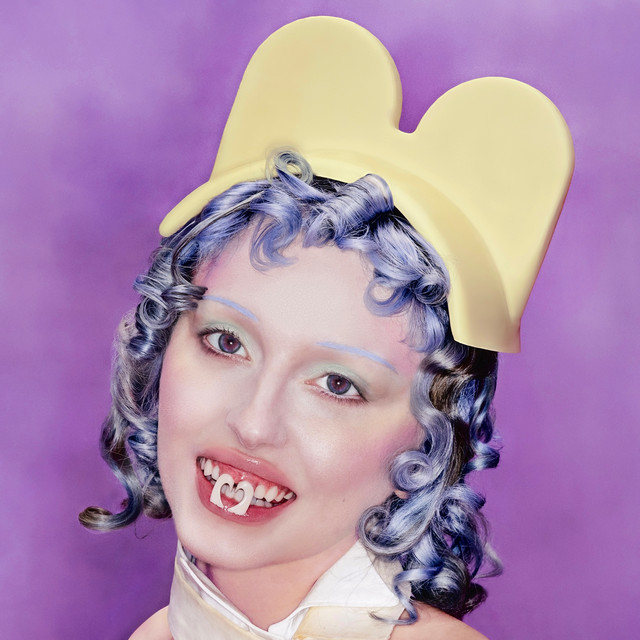
Smoochies
Ashnikko
Escape Room
Electropop
Hip Hop
2025
2
/5
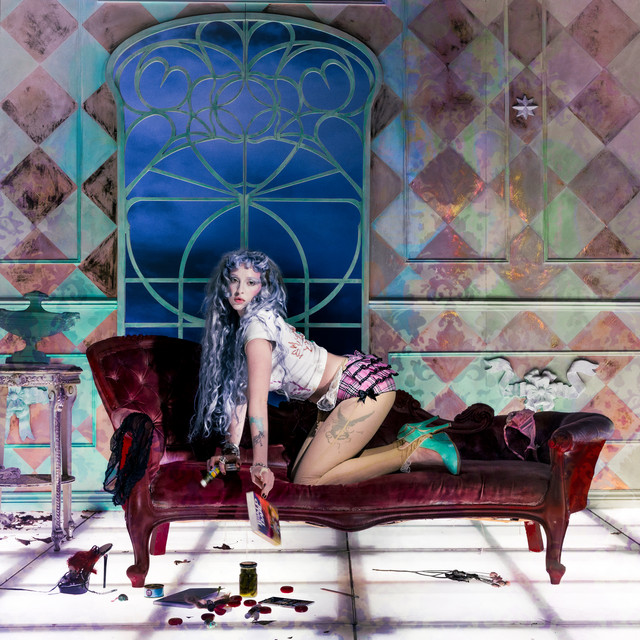
Smoochie Girl
Ashnikko
Escape Room
Electropop
Hyphy
2025
3
/5
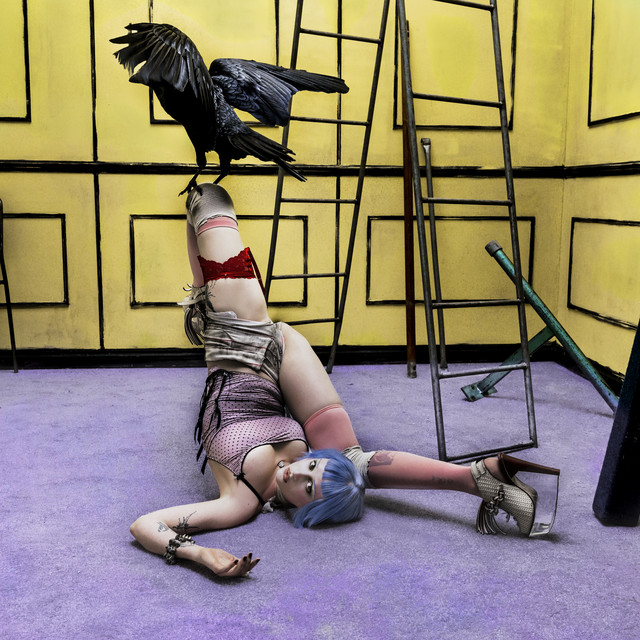
Sticky Fingers
Ashnikko
Escape Room
Contemporary R&b
Dance-Pop
2025
3
/5
Trinkets
Ashnikko
Escape Room
Baltimore Club
Bubblegum Bass
2025
3
/5
Itty Bitty
Ashnikko
Escape Room
Hip House
Pop Rap
2021
3
/5
Halloweenie IV: Innards
Ashnikko
Escape Room
Halloween Music
Pop
2020
3
/5
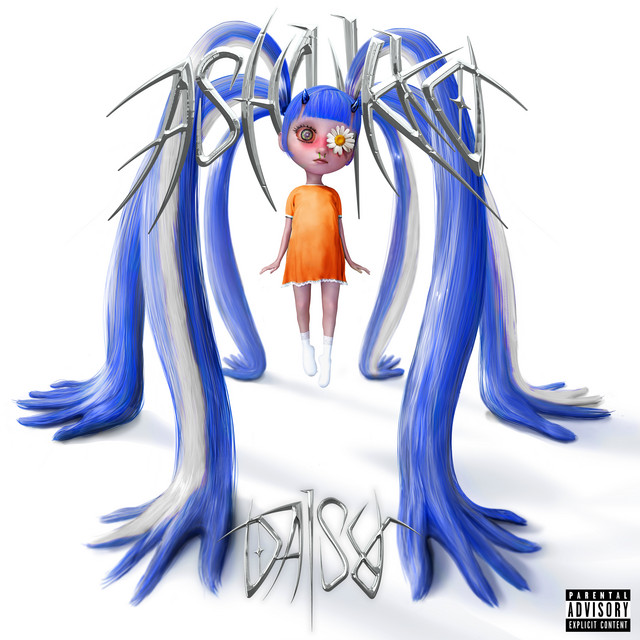
Daisy
Ashnikko
Escape Room
Electropop
Hip Hop
2020
3
/5
Tantrum
Ashnikko
Escape Room
Electropop
Pop Rap
2019
4
/5
Hi, It's Me
Ashnikko
Escape Room
Hip Hop
Pop
Similar artists
1
/5
Various Artists
Afro-Funk
Alternative Rock
Ambient
5
/5
Doja Cat
Dance-Pop
Pop
Pop Rap
5
/5
Flo Rida
Miami Hip Hop
Hip Hop
Pop Rap
5
/5
Kanye West
Hip Hop
Pop Rap
Rap
5
/5
Chris Brown
R&b
Contemporary R&b
Hip Hop
5
/5
Christina Aguilera
Pop
Dance-Pop
The Wave
3
/5
m-flo
J-Rap
Shibuya-Kei
Electro Hop
5
/5
Pitbull
Hip Hop
Electro Hop
Pop Rap
5
/5
Black Eyed Peas
Pop Rap
Dance-Pop
Hip Hop
5
/5
Halsey
Etherpop
Electropop
Indie Poptimism
Download our mobile app
Get the Melodigging app and start digging for new genres on the go
Download on the App Store
Get it on Google Play
© 2026 Melodigging
Give feedback
Legal
Melodding was created as a tribute to
Every Noise at Once
, which inspired us to help curious minds keep digging into music's ever-evolving genres.