Genres
Artists
Albums
Make Music
Sign in
Sign in
Artists
Classical
Artists
Classical
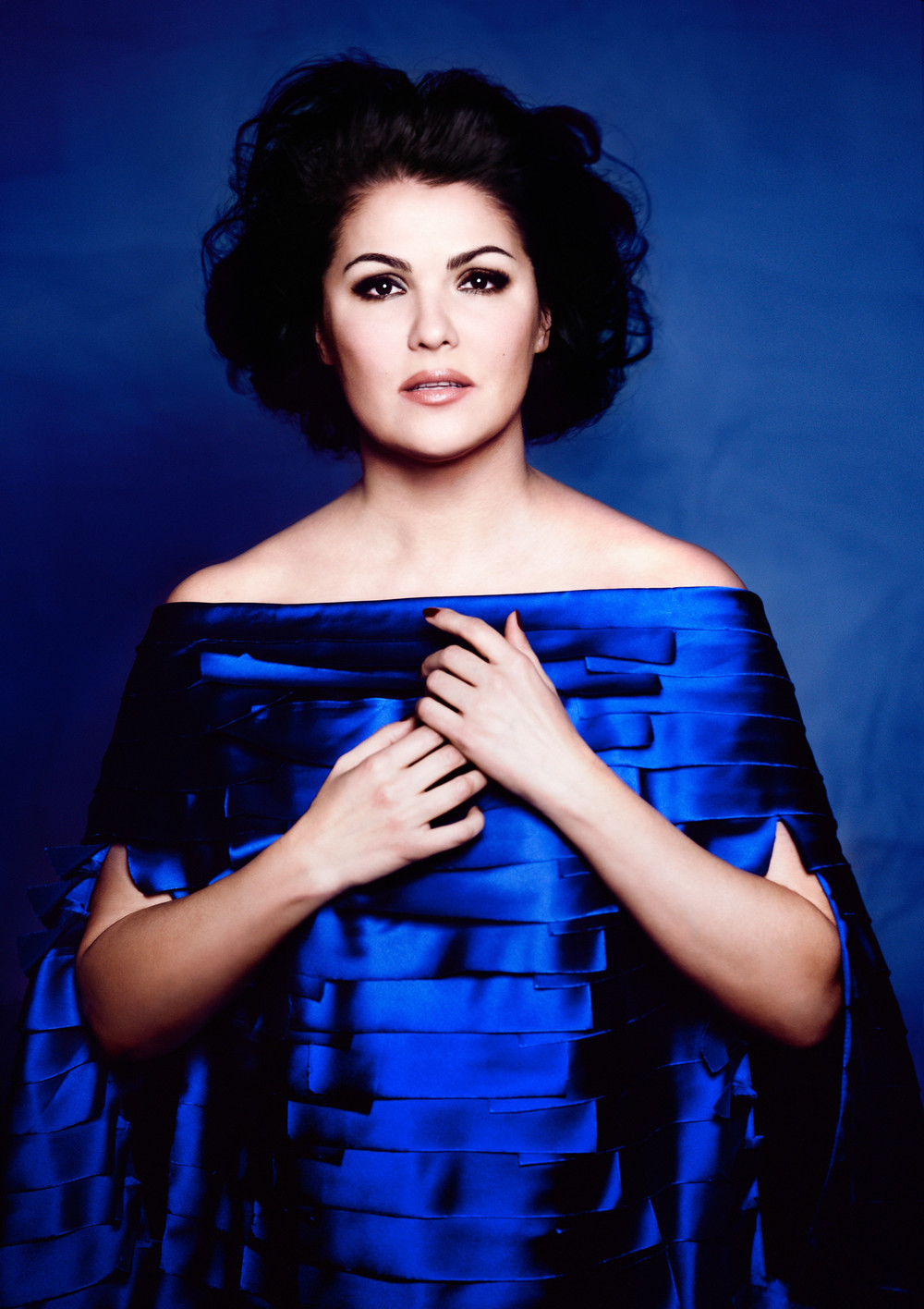
Anna Netrebko
2005–2016
·
2 albums
Listen
3
/5
Genres
Post-Romantic Era
Post-Romantic era refers to late-19th- and early-20th-century classical music that extends the lush harmonies, expansive forms, and emotive rhetoric of High Romanticism while pushing tonality and orchestration to their limits. It is characterized by chromatic saturation, extended tonal relationships, large orchestras (often with auxiliary instruments such as celesta, harps, and organ), and grand, often programmatic designs (tone poems, multi-movement symphonies, and large-scale operas). Composers frequently adopt leitmotivic writing, extreme dynamic ranges, and deeply personal, sometimes metaphysical subject matter. Historically it overlaps with the early stirrings of musical Modernism: while remaining fundamentally tonal, it explores ambiguous tonal centers, altered/chromatic mediants, and advanced chordal extensions (9ths, 11ths, 13ths), thereby creating a bridge between Romantic idioms and the innovations of the 20th century.
Discover
Listen
Classical Baritone
Classical baritone refers to the tradition of composing for and performing with the baritone male voice in Western classical music, spanning opera, art song (Lied), oratorio, and sacred repertoire. The baritone sits between tenor and bass, typically ranging from A2 to F4 (with role- and singer-dependent extensions). Its timbre is prized for warmth, nobility, and dramatic weight, making it ideal for heroes, anti-heroes, fathers, kings, and complex psychological roles in opera, as well as for intimate poetic expression in recital. The category solidified in the early 19th century with bel canto and Romantic opera, and has since developed into subtypes (lyric, Kavalierbariton, Verdi baritone, dramatic, and bass-baritone), each with distinct tessitura, color, and technical demands.
Discover
Listen
Classical Tenor
Classical tenor refers to the Western classical tradition of tenor singing across opera, oratorio, and art song. It centers on a high male voice type whose typical written range spans roughly C3 to B4/C5, with the core tessitura sitting around the passaggio between E4–G4. The style is defined by legato phrasing, precise diction in multiple languages (especially Italian, German, French, and Latin), balanced chiaroscuro tone, and secure breath management (appoggio) that enables both long lyrical lines and brilliant climaxes. Subtypes include leggiero, lyric, spinto, dramatic, and heldentenor, each suited to different repertoire weights and orchestral demands. Accompaniments are commonly full orchestra (opera/oratorio) or piano (Lied/mélodie), sometimes organ or chamber ensembles. Repertoire ranges from Baroque da capo arias to Romantic grand opera scenes, Wagnerian music dramas, sacred works, and recital songs.
Discover
Listen
Opera
Opera is a large-scale theatrical genre that combines music, drama, and visual spectacle, in which the story is primarily conveyed through singing accompanied by an orchestra. It unites solo voices, ensembles, and chorus with staging, costumes, and often dance to create a total artwork. Emerging in late Renaissance Italy and flourishing in the Baroque era, opera developed signature forms such as recitative (speech-like singing that advances the plot) and aria (lyrical numbers that explore character and emotion). Over the centuries it evolved diverse national styles—Italian bel canto, French grand opéra, German music drama—while continually experimenting with orchestration, harmony, narrative structure, and stagecraft.
Discover
Listen
Classical
Classical music is the notated art-music tradition of Europe and its global descendants, characterized by durable forms, carefully codified harmony and counterpoint, and a literate score-based practice. The term “classical” can refer broadly to the entire Western art-music lineage from the Medieval era to today, not just the Classical period (c. 1750s–1820s). It privileges long-form structures (such as symphonies, sonatas, concertos, masses, and operas), functional or modal harmony, thematic development, and timbral nuance across ensembles ranging from solo instruments to full orchestras and choirs. Across centuries, the style evolved from chant and modal polyphony to tonal harmony, and later to post-tonal idioms, while maintaining a shared emphasis on written notation, performance practice, and craft.
Discover
Listen
Albums
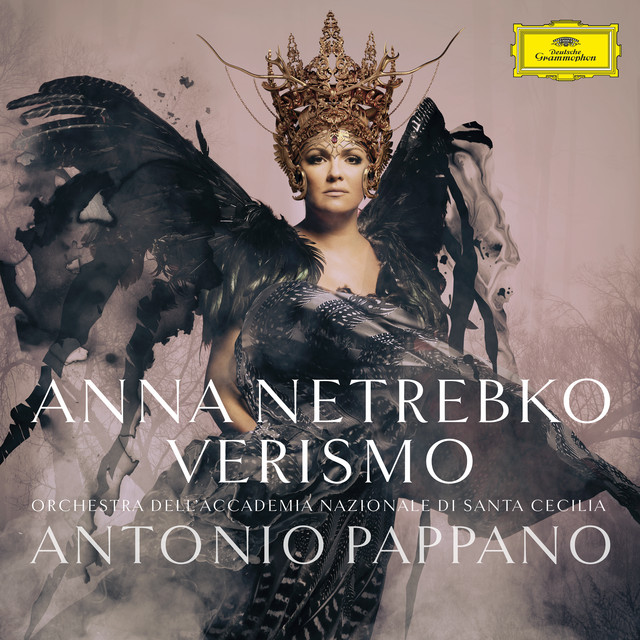
2016
Verismo
Anna Netrebko, Orchestra dell'Accademia Nazionale di Santa Cecilia, Antonio Pap…
Post-Romantic Era
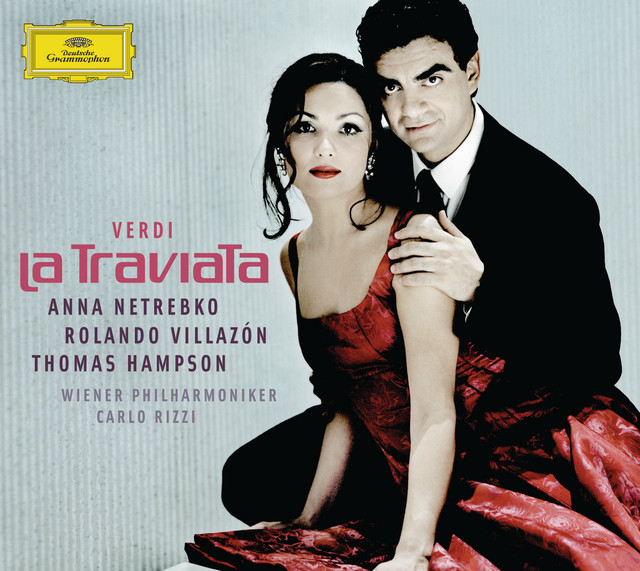
2005
Verdi: La Traviata
Giuseppe Verdi, Anna Netrebko, Rolando Villazón, Wiener Philharmoniker
Classical Baritone
Classical Tenor
Similar artists
4
/5
Berliner Philharmoniker
Classical
Symphony
Romantic Classical
4
/5
Herbert von Karajan
Classical
Symphonic Poem
Symphony
4
/5
Wolfgang Amadeus Mozart
Classical
Requiem
Classical Period
4
/5
London Symphony Orchestra
Classical
Ballet
American Classical Piano
4
/5
Wiener Philharmoniker
Classical
Romantic Classical
Romanticism
4
/5
Claudio Abbado
Classical
Concerto
Expressionism
4
/5
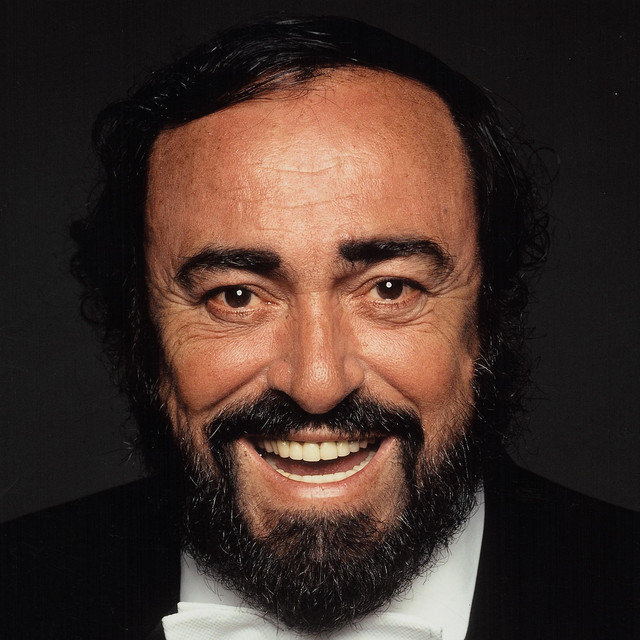
Luciano Pavarotti
Canzone Napoletana
Classical
Opera
4
/5
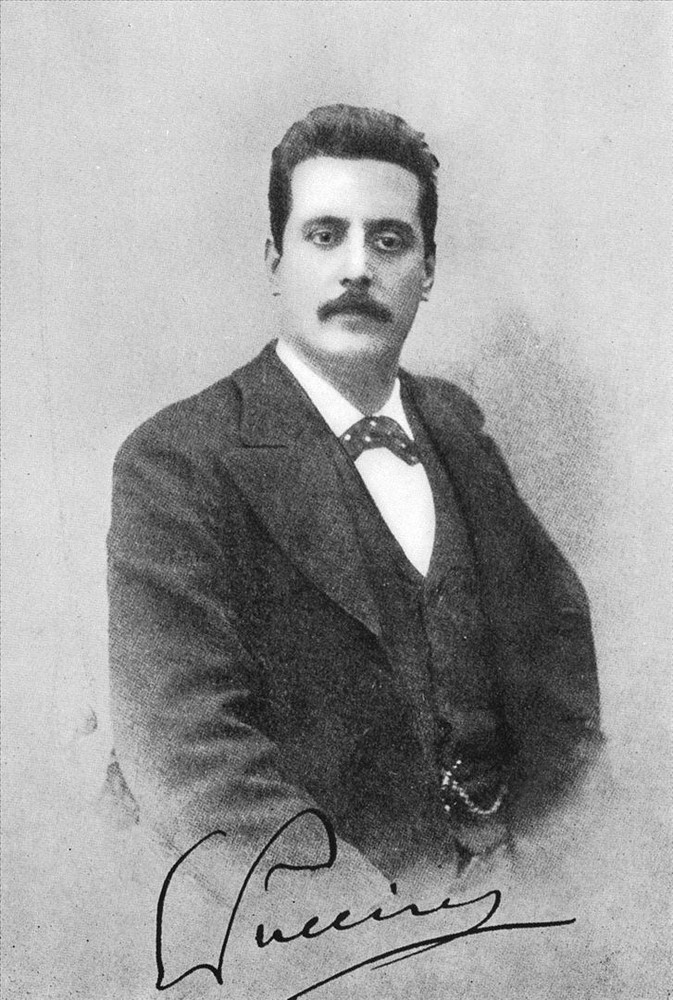
Giacomo Puccini
Verismo
Classical Baritone
Classical Soprano
4
/5
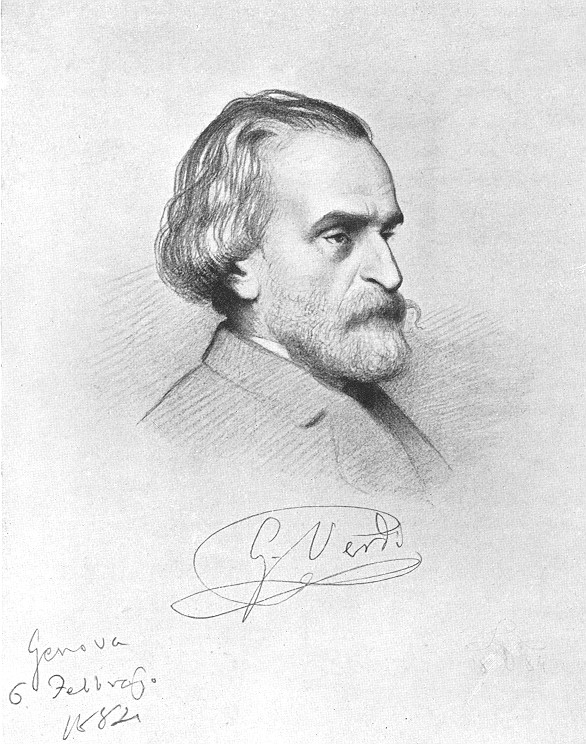
Giuseppe Verdi
Classical Baritone
Classical Mezzo-Soprano
Requiem
3
/5
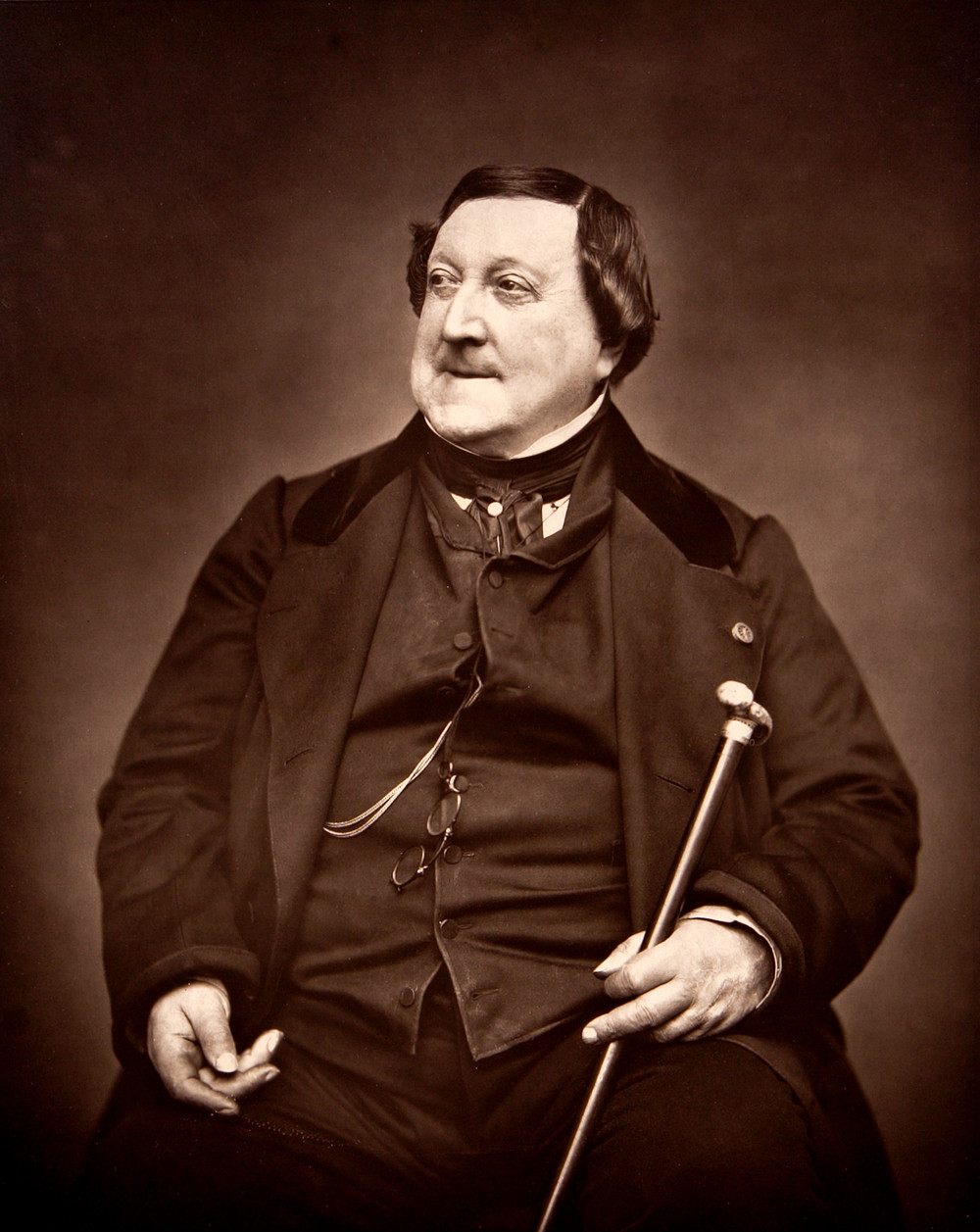
Gioachino Rossini
Opera Buffa
Classical
Opera
Download our mobile app
Get the Melodigging app and start digging for new genres on the go
Download on the App Store
Get it on Google Play
© 2026 Melodigging
Give feedback
Legal
Melodding was created as a tribute to
Every Noise at Once
, which inspired us to help curious minds keep digging into music's ever-evolving genres.