Genres
Artists
Albums
Make Music
Sign in
Sign in
Artists
J-Rap
Artists
J-Rap
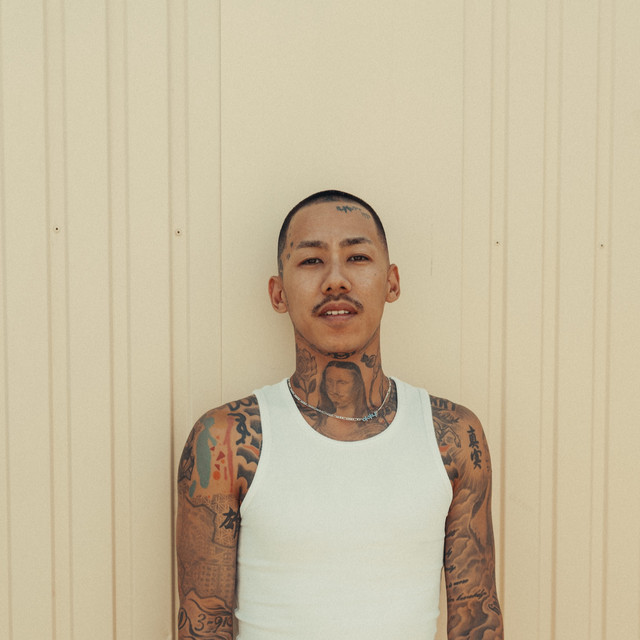
千葉雄喜
Listen
4
/5
Genres
Afropiano
Afropiano is a contemporary fusion that marries the songwriting, vocal phrasing, and rhythmic sensibilities of West African Afrobeats with the deep, percussive textures of South Africa’s Amapiano. It retains Amapiano’s signature log drum bass, shaker-led swing, and soulful pads, while adopting Afrobeats’ catchy hooks, call-and-response choruses, and concise, radio-friendly structures. The result is a warm, dance-floor-oriented sound with mid-tempo grooves, plush jazz/house harmonies, and lyrics that often blend English, Nigerian Pidgin, and local languages.
Discover
Listen
Dembow Belico
Dembow bélico is a recent crossover of the Dominican dembow rhythm with the lyrical aesthetics and sonic signifiers of Mexico’s corridos bélicos and broader regional mexicano. It keeps dembow’s relentless, syncopated, club-ready percussion, but injects “bélico” (warlike) storytelling, slang, and iconography drawn from the corridos world. Producers typically fuse fast dembow drums, sirens, and chopped vocal shots with Mexican regional elements like tuba stabs, sierreño/12‑string guitar riffs, and banda-style brass hits. The result is a high-energy, gritty, and party-oriented sound that also carries the bravado and conflict-laced narratives characteristic of corridos bélicos.
Discover
Listen
Men Chika
Men chika (メン地下) is the Japanese underground male idol scene, made up of boy groups who perform high-energy J‑pop and dance-pop in small live houses, theaters, and idol events rather than on major mainstream stages. Musically it blends glossy J‑pop songwriting with club-ready EDM/electropop production, punchy hooks built for call-and-response, and chant breaks designed for wotagei/fan MIX participation. Songs commonly feature bright synths, four-on-the-floor or trap-inflected grooves, stacked gang shouts, and key‑change finales. Lyrically the focus is on youth, dreams, devotion, and intimacy with fans—reinforced by close-contact fan practices like cheki (instax photos) and meet-and-greets. Culturally, men chika parallels the long-running “chika idol” (underground idol) movement on the women’s side, but orients to a largely female fanbase and a circuit centered on Tokyo live houses and regional circuits. It is as much a participatory fan culture as it is a sound, shaping how songs are arranged, staged, and monetized.
Discover
Listen
Ratchet Music
Ratchet music is a minimalist, club-focused strain of West Coast hip hop that coalesced in the early 2010s, most closely associated with Los Angeles producer DJ Mustard. It emphasizes sparse drum programming built from 808 kicks, handclaps, crisp hi‑hats, and simple percussive fills; bouncy tempos around 95–105 BPM; short, catchy synth or piano stabs; and a weighty sub‑bass that leaves ample space for vocals. Culturally and lyrically, it channels “ratchet” party culture and slang—rooted in Louisiana (notably Shreveport’s nickname “Ratchet City”) and amplified by the L.A. party scene—favoring braggadocio, nightlife, flirtation, and chant‑able hooks over dense lyricism. The result is a stripped‑down, hook‑driven sound engineered for dance floors and radio rotation.
Discover
Listen
Classify
Classify is a streaming-era microgenre that blends light classical technique with contemporary pop repertoire, typically presented as unobtrusive instrumental covers. It prioritizes soft dynamics, gentle tempos, and intimate recording to create a calm, elegant backdrop suitable for studying, working, or events. Most arrangements are for solo piano, string quartet, cello/piano duos, or small chamber ensembles. Harmonies remain diatonic and consonant, melodies are clearly voiced, and textures favor arpeggios, ostinati, and sustained legato lines. The overall aesthetic borrows from modern classical and new age moods while retaining the familiarity of pop song forms.
Discover
Listen
Fake
“Fake” is an informal, streaming-era genre tag used for sound‑alike covers, karaoke takes, tribute recordings, and generic instrumental remakes that closely mimic current or classic hits. Rather than foregrounding the original songwriter’s concept, these recordings prioritize recognizability, search optimization, and fast turnaround. Session singers and studio players reproduce the hook, tempo, and arrangement with minimal reinterpretation; track and artist names often echo the original title or lyrical catchphrase to capture search traffic.
Discover
Listen
Soundclown
Soundclown is an internet-born remix and mashup style that thrives on comedic juxtaposition, bait‑and‑switch reveals, and hyper-referential sample collage. It blends pop hits, game and cartoon music, ad jingles, meme sounds, and viral speech into quick-cut audio gags. The genre developed across YouTube and SoundCloud, favoring shock humor, nostalgia, and absurdity over traditional song form. Hallmarks include sudden key/tempo whiplash, exaggerated pitch-shifts, ear‑rending “earrape” peaks, and punchline drops that transform a familiar source into something hilariously incongruent. Because it is fundamentally platform-native, soundclown is as much a memetic editing culture as a musical style. Its tracks often function like sonic shitposts: fast, punchy, and built for instant recognition and shareability.
Discover
Listen
Trap Queen
“Trap queen” is a micro-genre/playlist tag that sits inside mainstream trap and pop-trap, centered on glossy, hook-forward trap production paired with lyrics that celebrate a charismatic, street-smart, loyal female partner (the “trap queen”) and the lifestyle around hustle, fashion, nightlife, and couple loyalty. Musically it tends to use modern trap drum programming (808 sub-bass, fast hi-hats, snare/clap on the backbeat), melodic minor-key synths or plucked leads, and a strong emphasis on catchy toplines that can cross over to pop radio. In practice, “trap queen” is more of a cultural/memeable descriptor that grew from a defining hit and then expanded into a recognizable sound/lyrical framing within 2010s trap-pop.
Discover
Listen
J-Rap
J-rap (Japanese rap) is Japan’s interpretation of hip hop culture and MCing, performed primarily in Japanese and shaped by local sensibilities. It blends the rhythmic delivery and beat aesthetics of American hip hop with Japanese language prosody, pop sensibility, and occasional traditional or city-pop sampling. Since the early 1990s, J-rap has spanned boom-bap, jazz-rap, pop-rap crossovers, and modern trap, while sustaining a strong DJ and club culture alongside lyrical scenes focused on social commentary and wordplay.
Discover
Listen
Show all 9 genres
Similar artists
4
/5
Creepy Nuts
J-Rap
Anime
Jersey Club Rap
4
/5
Kvi Baba
J-Rap
Men Chika
Lo-Fi Emo
4
/5
HALCALI
Shibuya-Kei
J-Pop
J-Rap
3
/5
たかやん
J-Pop
J-Rap
Japanese Indie
3
/5
FAKE TYPE.
Electro Swing
J-Rap
Men Chika
3
/5
TOPHAMHAT-KYO
Gamecore
J-Rap
Men Chika
3
/5
Reol
J-Pop
J-Rock
Men Chika
5
/5
Imagine Dragons
Rock
Pop
Alternative Rock
5
/5
Lil Uzi Vert
Hip Hop
Trap
Melodic Rap
5
/5
Megan Thee Stallion
Trap Queen
Dirty South
Hardcore Hip Hop
Download our mobile app
Get the Melodigging app and start digging for new genres on the go
Download on the App Store
Get it on Google Play
© 2026 Melodigging
Give feedback
Legal
Melodding was created as a tribute to
Every Noise at Once
, which inspired us to help curious minds keep digging into music's ever-evolving genres.