Genres
Artists
Albums
Make Music
Sign in
Sign in
Artists
Chinese Indie
Artists
Chinese Indie
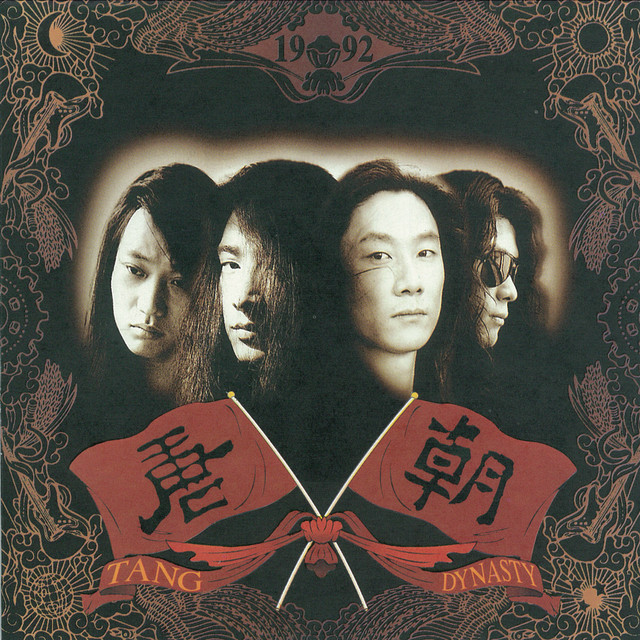
唐朝
Listen
2
/5
Genres
Chinese Indie
Chinese indie is a broad umbrella for independent rock and pop made in Mainland China outside the mainstream Mandopop industry. It ranges from jangly guitar pop and lo‑fi singer‑songwriter to post‑punk, shoegaze, and experimental rock. Formed around DIY venues, small labels, and online communities, the scene emphasizes artistic autonomy, local identity, and lyrics in Mandarin (and regional languages) that reflect urban life, youth alienation, social change, and tender nostalgia. Sonic markers include guitar-driven textures (from clean jangle to fuzz walls), steady post‑punk grooves, dreamy reverb, and occasional use of Chinese modal inflections within Western song forms. Beijing and later Shanghai, Chengdu, Wuhan, and Xi’an became hubs, with labels like Modern Sky and Maybe Mars, and livehouses such as D‑22 and School Bar anchoring a culture of self‑released records, zines, and festivals.
Discover
Listen
Folk Metal
Folk metal blends the power and riff-driven intensity of heavy metal with melodies, instruments, scales, and storytelling traditions from regional folk music. Typical arrangements combine distorted guitars, bass, and drums with fiddles, flutes, whistles, bagpipes, accordions, hurdy-gurdies, bouzoukis, and other traditional instruments. Bands often draw on myth, history, and local folklore for lyrical themes, ranging from epic sagas and battle hymns to drinking songs and pastoral ballads. The style spans a spectrum from aggressive and blackened approaches to upbeat, danceable, and festive moods, making it one of metal’s most diverse and regionally distinctive subgenres.
Discover
Listen
Chinese Rock
Chinese rock is the umbrella term for rock music created by bands and solo artists from Mainland China. It emerged in the 1980s during the era often called the New Enlightenment, when intellectual and cultural life reopened after the Cultural Revolution. Defined by an anti-traditional, dissenting stance, Chinese rock has long been associated with challenging mainstream ideology, the commercial establishment, and cultural hegemony. Musically, it fuses Western rock idioms (from classic rock to punk, new wave, and post-punk) with Chinese melodic sensibilities, language, and—at times—traditional instruments and pentatonic inflections.
Discover
Listen
Heavy Metal
Heavy metal is a loud, guitar-driven style of rock defined by heavily distorted riffs, thunderous drums, and powerful vocals. Its musical language emphasizes minor modes, modal (Aeolian, Phrygian) riffing, and energy over groove, often featuring virtuosic guitar solos and dramatic dynamic contrasts. Emerging from late-1960s blues rock and psychedelic experimentation, heavy metal codified a darker, heavier sound with bands like Black Sabbath, Deep Purple, and Led Zeppelin. The genre values weight, intensity, and grandeur—whether through plodding, doom-laden tempos or galloping, high-energy rhythms—paired with themes that range from personal struggle and social critique to fantasy, mythology, and the occult.
Discover
Listen
Metal
Metal (often used to mean heavy metal in its broad, umbrella sense) is a loud, guitar-driven style of rock defined by high-gain distortion, emphatic and often martial rhythms, and a dense, powerful low end. It foregrounds riff-based songwriting, dramatic dynamics, virtuosic guitar solos, and commanding vocals that range from melodic wails to aggressive snarls and growls. Harmonically, metal favors minor modes, modal color (Aeolian, Phrygian), chromaticism, and tritone-inflected tension, while thematically it explores power, mythology, the occult, social critique, fantasy, and existential subjects. While adjacent to hard rock, metal typically pushes amplification, distortion, precision, and thematic intensity further, forming a foundation for many specialized subgenres.
Discover
Listen
Rock
Rock is a broad family of popular music centered on amplified instruments, a strong backbeat, and song forms that foreground riffs, choruses, and anthemic hooks. Emerging from mid‑20th‑century American styles like rhythm & blues, country, and gospel-inflected rock and roll, rock quickly expanded in scope—absorbing folk, blues, and psychedelic ideas—while shaping global youth culture. Core sonic markers include electric guitar (often overdriven), electric bass, drum kit emphasizing beats 2 and 4, and emotive lead vocals. Rock songs commonly use verse–chorus structures, blues-derived harmony, and memorable melodic motifs, ranging from intimate ballads to high‑energy, stadium‑sized performances.
Discover
Listen
Similar artists
1
/5
Various Artists
Soundtrack
Afro-Funk
Alternative Rock
2
/5
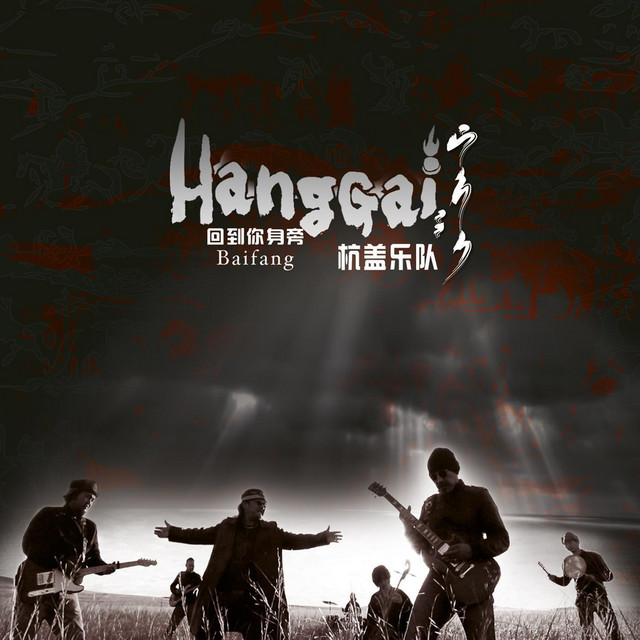
Hanggai
Mongolian Throat Singing
Chinese Indie
Chinese Rock
2
/5
Nine Treasures
Oriental Metal
Chinese Rock
Folk Metal
4
/5
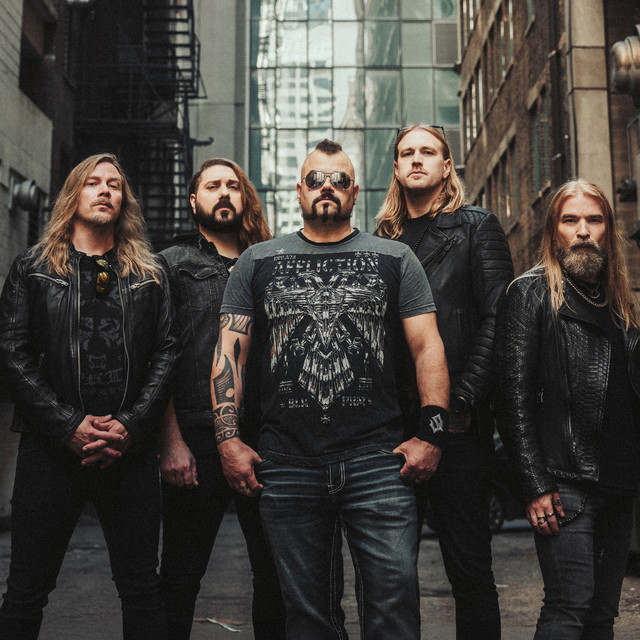
Sabaton
Folk Metal
Heavy Metal
Power Metal
4
/5
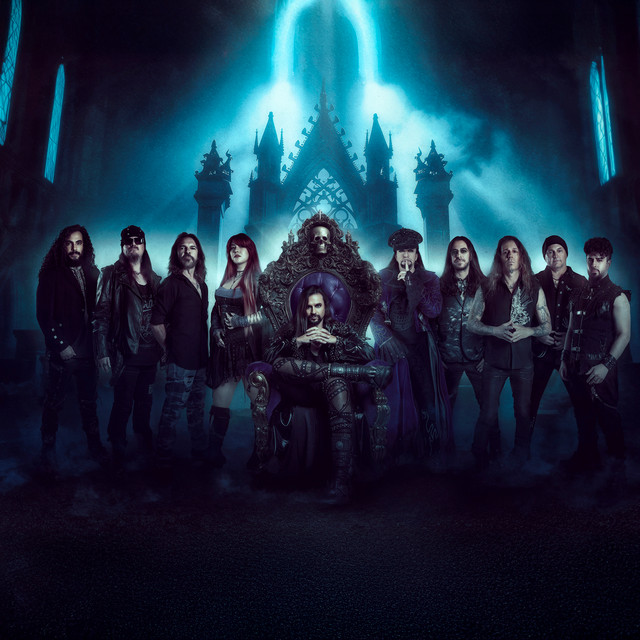
Mägo de Oz
Celtic Metal
Celtic Rock
Medieval Rock
4
/5
Nightwish
Fantasy Metal
Opera Metal
Power Metal
4
/5
Amon Amarth
Death Metal
Melodic Death Metal
Tolkien Metal
4
/5
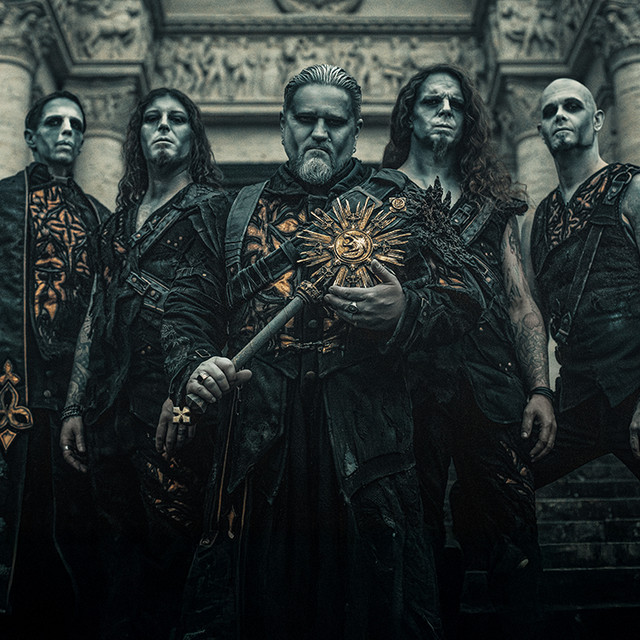
Powerwolf
Heavy Metal
Pirate Metal
Power Metal
3
/5
The HU
Oriental Metal
Folk Metal
Rock
3
/5
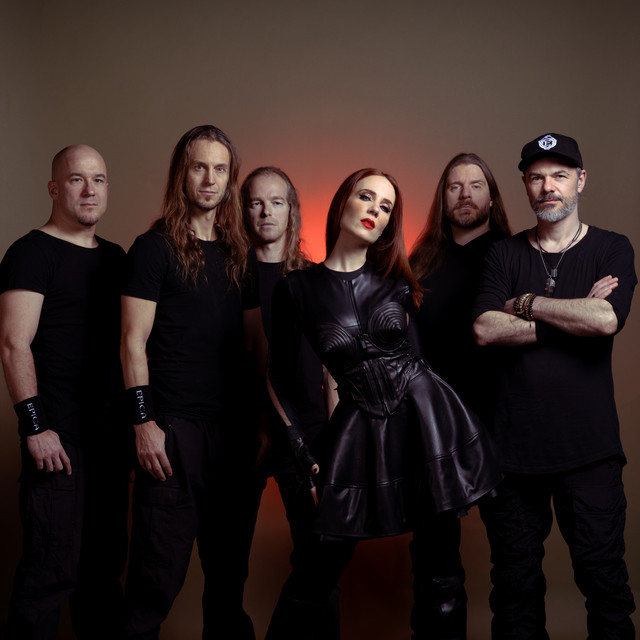
Epica
Symphonic Metal
Opera Metal
Power Metal
Download our mobile app
Get the Melodigging app and start digging for new genres on the go
Download on the App Store
Get it on Google Play
© 2026 Melodigging
Give feedback
Legal
Melodding was created as a tribute to
Every Noise at Once
, which inspired us to help curious minds keep digging into music's ever-evolving genres.