Your digging level
Description
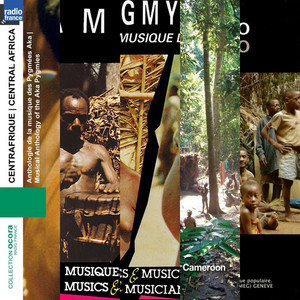
Pygmy music refers to the vocal-centered, polyrhythmic and polyphonic music traditions of Central African forager communities—especially the Aka (BaAka/Bayaka), Baka, Mbuti (including Efé and Asua), Twa and related groups—who inhabit the equatorial rainforest across today’s Central African Republic, the Democratic Republic of the Congo, the Republic of the Congo, Cameroon, and neighboring regions.
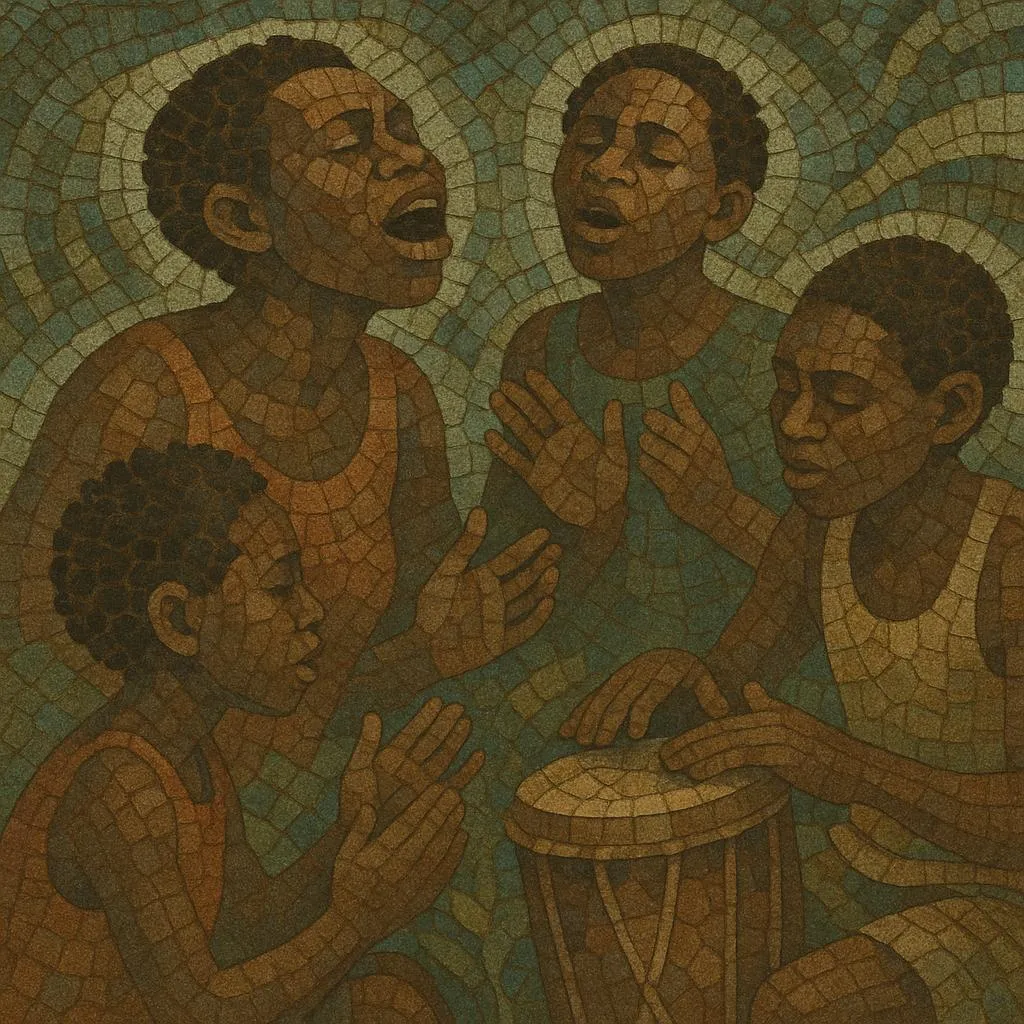
It is renowned for its dense interlocking vocal parts (hocketing), yodel techniques that alternate chest and head registers, ostinatos that cycle in complex meters, and communal participation in ceremonies connected to hunting, honey-gathering, initiation, healing, and daily life. Texts often mix meaningful words with vocables, and percussion is typically body-based (handclaps, stomps) or uses simple idiophones, with the forest itself treated as a sonic partner.
History
Pygmy music is as old as the societies that practice it, emerging from the lifeways of Central African hunter‑gatherers who have inhabited the equatorial rainforest for millennia. Its aesthetics—interlocking parts, flexible cyclic rhythm, and yodel timbres—are tied to forest acoustics, collective labor, and ritual.
Although the traditions are ancient, sustained documentation dates to the late 19th and 20th centuries via explorers and, later, ethnographers and ethnomusicologists. In the mid‑to‑late 20th century, detailed analyses and field recordings by researchers (notably on Aka and Mbuti repertoires) brought international attention to the music’s sophisticated polyphony, rhythmic cycles, and social functions. Polyphonic singing of Aka communities was proclaimed a UNESCO Masterpiece of the Oral and Intangible Heritage of Humanity (2003) and later inscribed on the Representative List (2008), further elevating its global profile.
Music is inseparable from social life: communal hunting songs coordinate effort; honey-gathering songs manage risk and celebrate abundance; initiation rites (e.g., girls’ societies) feature genre‑specific repertoires; and nighttime ceremonies can invoke healing or communicate with forest spirits. Repertoires are learned orally through immersion, participation, and playful imitation, with leadership rotating fluidly.
From the late 20th century onward, commercial releases of field recordings circulated internationally. Producers of worldbeat, ambient, and electronic “ethnic” fusions drew on these recordings, sometimes raising ethical debates around sampling, credit, and consent. At the same time, collaborations and heritage initiatives have supported local ensembles, documentation, and transmission.
Contemporary practice continues in forest and village contexts amid pressures from deforestation, displacement, and sociopolitical marginalization. Cultural organizations and community projects foster teaching, performance, and recording, while scholars highlight the music’s complexity and its central role in cultural resilience.