Musique Traditionnelle Congolaise
Your digging level
Description
Musique traditionnelle congolaise refers to the rich, precolonial and community-based musical practices of the Congo Basin, especially in today’s Democratic Republic of the Congo. It is grounded in polyrhythmic percussion (ngoma drums, lokole slit drums), interlocking ostinatos, and call-and-response vocals.
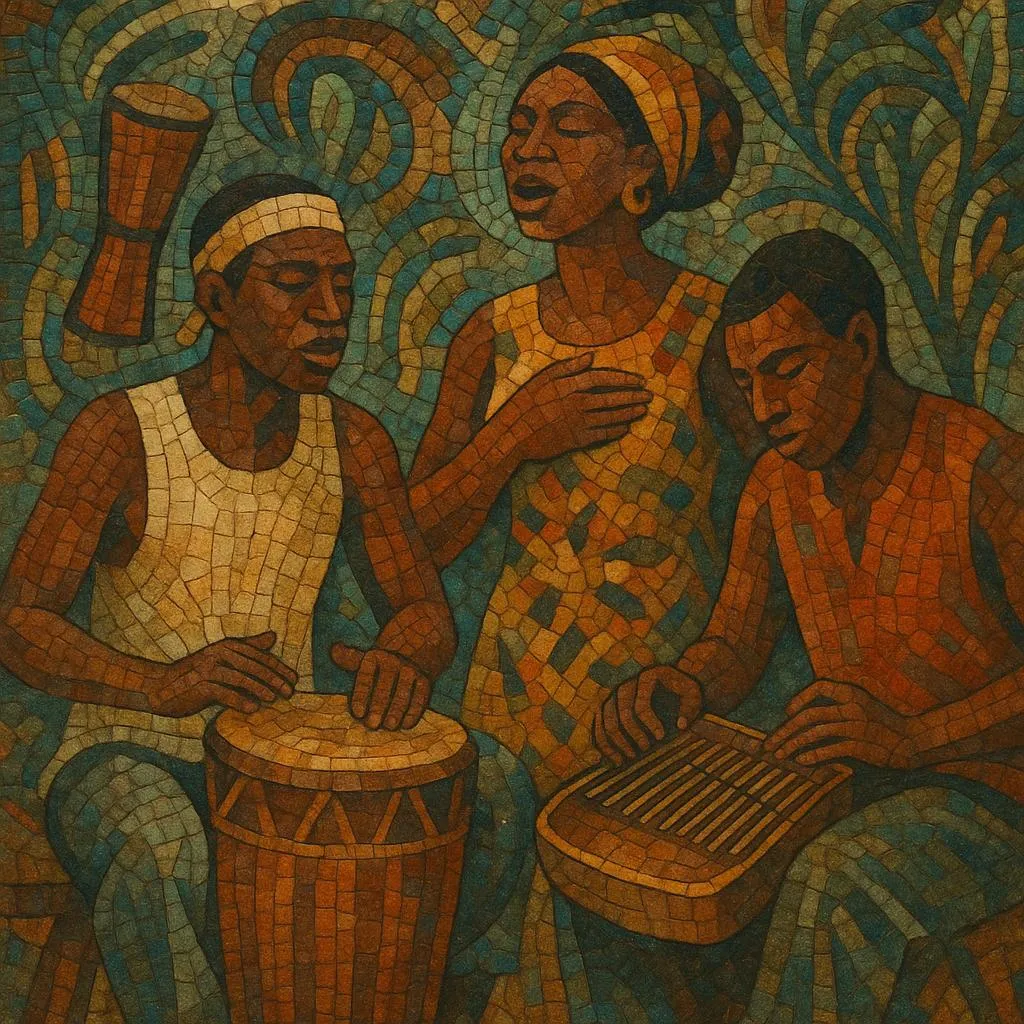
Across regions and peoples (Luba, Mongo, Kongo, Lokele, Zande, plus forest communities such as the Mbuti and Aka), performances fuse dance and song for rituals, work, initiation, weddings, healing, and storytelling. Idiophones such as the likembe/sanza (lamellophone), wooden slit drums (lokole), xylophones, rattles, and bells create cyclic timelines, while arched harps, mouth bows, and flutes color melodic textures. Scales are often pentatonic or hexatonic, and polyphonic techniques—especially pygmy-style hocketing, yodeling, and dense vocal counterpoint—produce shimmering, trance-like textures.
Rather than a fixed repertoire, the style is a living practice: flexible, participatory, and functional. Its rhythmic logic (12/8 grooves, 3:2 cross-rhythms), responsorial structure, and dance-led form shaped later popular Congolese styles.
History
Music in the Congo Basin long predates written history. Court ensembles, village dance societies, and forest communities developed sophisticated performance systems: polyrhythmic drum choirs, slit-drum signaling (lokole), and lamellophone traditions (likembe/sanza). Among the Mbuti and Aka, distinctive polyphonic singing with hocketed, yodeled lines created one of the world’s most intricate oral vocal traditions.
Missionaries, administrators, and early ethnographers began recording and describing these practices, while urbanization and labor migration moved musicians and instruments into cities such as Léopoldville/Kinshasa and Brazzaville. Traditional rhythmic cycles, responsorial singing, and likembe/xylophone patterns were adapted to guitars and early urban ensembles, seeding the rhythmic vocabulary of future popular genres.
Even as Congolese rumba and, later, soukous and ndombolo dominated dance floors, village ceremonies, initiation rites, and community festivals sustained traditional ensembles. Field recordings and national ensembles helped safeguard repertoires, while artisan luthiers kept idiophones and slit drums central to community music-making. Forest polyphony, lokole drumming, and likembe traditions remained vital reference points.
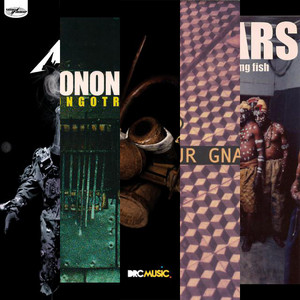
Amplified likembe groups (e.g., Konono Nº1) and multi-ethnic collectives (e.g., Kasai Allstars) brought traditional trance grooves to international stages, inspiring rock, electronic, and experimental musicians. Contemporary practitioners continue to teach, perform, and innovate within ritual, social, and staged contexts, reaffirming musique traditionnelle congolaise as both heritage and living art.