Your digging level
Description
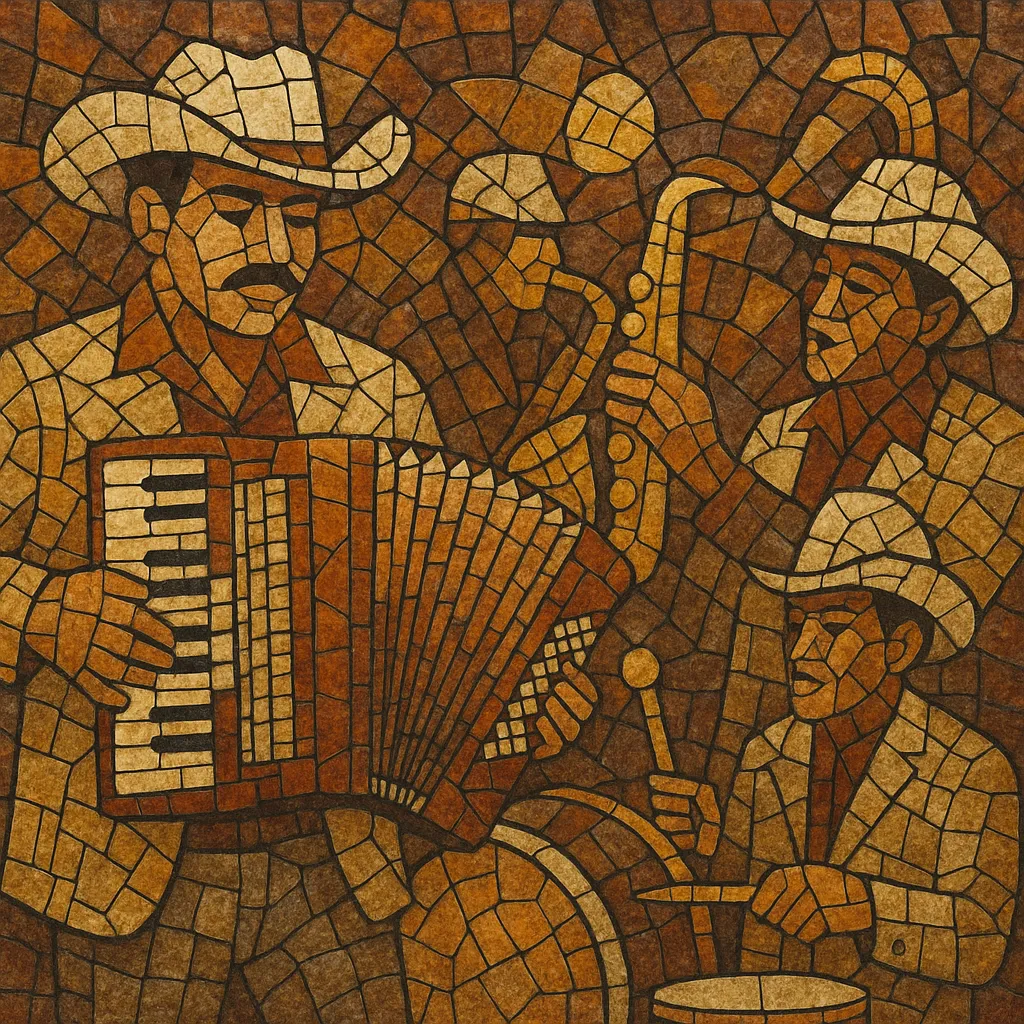
Duranguense is a high-energy, dance-oriented branch of regional Mexican music that emerged in the early 2000s among Mexican communities in the U.S. Midwest, especially Chicago. It adapts the brass-driven sound of banda and technobanda into a leaner ensemble where synthesizers emulate tubas and horns, paired with saxophones, tambora-style drum patterns, and bright, fast tempos.
The style is known for its exuberant party atmosphere, romantic and sentimental lyrics, and the signature pasito duranguense dance. Songs often feature catchy keyboard leads, tight offbeat percussion with cowbell accents, and an "oom-pah" bass feel derived from polka. While rooted in traditions from the state of Durango, the sound reflects bicultural life, blending classic Mexican forms with modern, electronic timbres.
History
Duranguense took shape within the Mexican diaspora in Chicago and surrounding Midwestern cities, where migrants from Durango and neighboring states adapted the brass-heavy banda/technobanda format to smaller, more affordable lineups. Bands replaced full horn sections with keyboards, which doubled as tuba and trumpet surrogates, while saxophones, drum kit/tambora patterns, timbales, and cowbell delivered a punchy, dance-floor drive. Early pioneers fused polka and ranchera foundations with grupera balladry and the electronic sheen of technobanda.
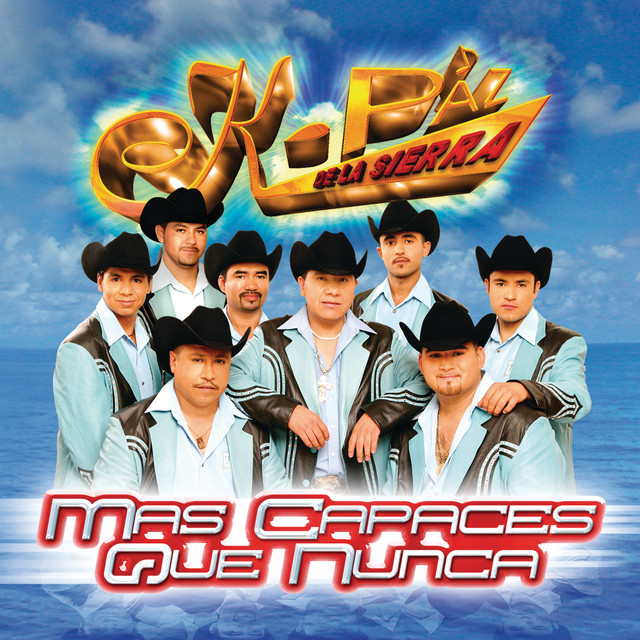
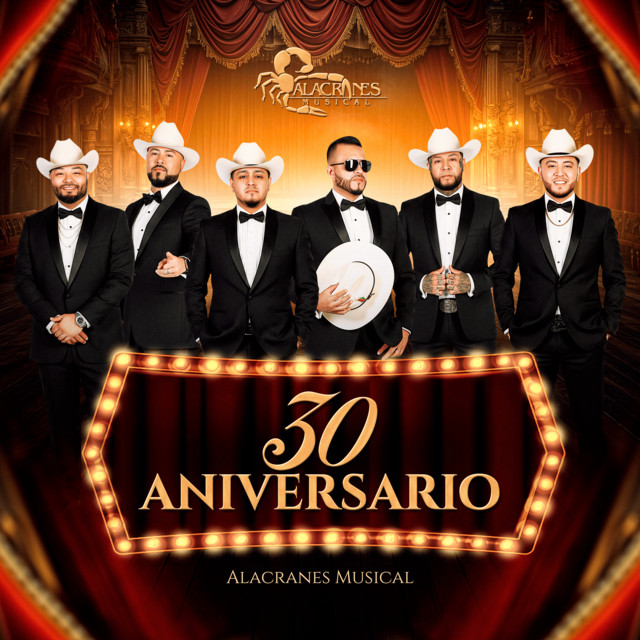
Around 2003–2008, groups such as Grupo Montéz de Durango, K-Paz de la Sierra, and Alacranes Musical popularized the sound across Mexican and U.S. Latin markets. Radio hits, televised performances, and packed bailes pushed the pasito duranguense dance craze, as acts recorded romantic cumbias, fast polkas, and heartfelt ballads with gleaming synth hooks. Labels and promoters in Chicago and Los Angeles helped standardize the aesthetic—up-tempo beats, bright keyboard leads, and emotive vocals—making duranguense a defining strand of regional mexicano during the decade.
As tastes shifted toward other regional styles (banda sinaloense pop, sierreño, and later corridos tumbados), duranguense’s mainstream presence cooled. Some bands pivoted toward hybrid sounds or ballads, and members formed new projects that retained the dance-forward spirit while modernizing production. Nonetheless, the genre left a mark on how electronic timbres could coexist with traditional Mexican rhythmic vocabularies.
Duranguense helped normalize synthesizers and smaller, portable ensembles within regional mexicano, especially in U.S.-based scenes. Its repertoire—romantic cumbias, sped-up polkas, and ranchera-inflected songs—remains a staple at social gatherings, and the pasito duranguense dance endures as a symbol of the genre’s joyful, communal energy.