Genres
Artists
Albums
Make Music
Sign in
Sign in
Artists
Nouvelle Chanson Française
Artists
Nouvelle Chanson Française
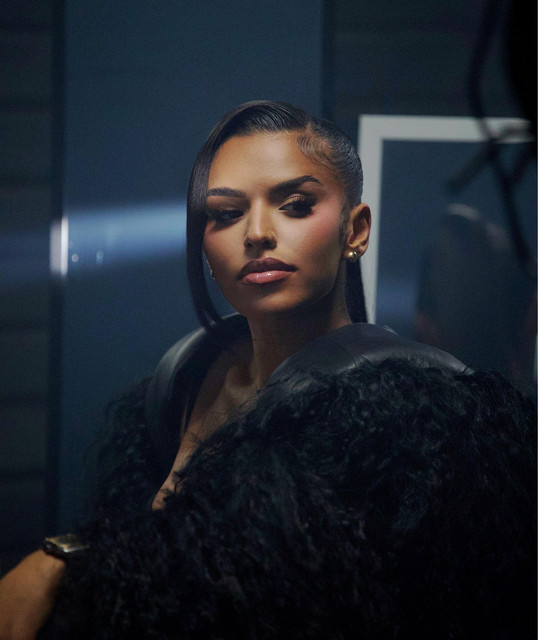
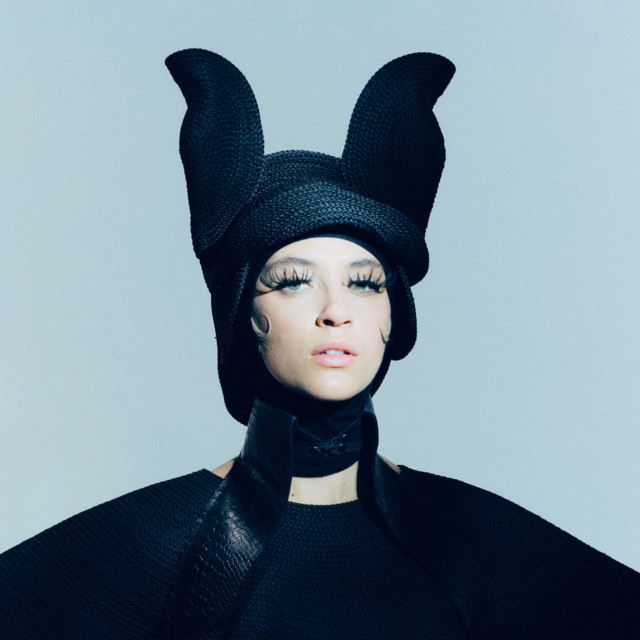
Yseult
2019–2020
·
3 albums
Listen
4
/5
Genres
Afropiano
Afropiano is a contemporary fusion that marries the songwriting, vocal phrasing, and rhythmic sensibilities of West African Afrobeats with the deep, percussive textures of South Africa’s Amapiano. It retains Amapiano’s signature log drum bass, shaker-led swing, and soulful pads, while adopting Afrobeats’ catchy hooks, call-and-response choruses, and concise, radio-friendly structures. The result is a warm, dance-floor-oriented sound with mid-tempo grooves, plush jazz/house harmonies, and lyrics that often blend English, Nigerian Pidgin, and local languages.
Discover
Listen
Afrobeats
Afrobeats (plural) is a contemporary West African pop umbrella that blends indigenous Nigerian and Ghanaian rhythms with global Black music—especially dancehall, hip hop, R&B, and highlife. Typical tracks sit in the mid‑tempo 95–115 BPM range and feature syncopated, polyrhythmic drum programming (shakers, rimshots, congas, talking drum), rubbery sub‑bass lines, bright synths, and guitar licks that recall highlife. Vocals are melodic and hook‑driven, often delivered in a fluid mix of English, Nigerian Pidgin, Yoruba, Twi, or other local languages, with call‑and‑response refrains tailored for dance floors. Distinct from Fela Kuti’s Afrobeat (singular), Afrobeats prioritizes songcraft, club‑ready grooves, and pop structures. It travels easily across diasporas, seamlessly absorbing UK club influences and Caribbean cadence while maintaining unmistakably West African rhythmic DNA.
Discover
Listen
Basshall
Basshall is a club-focused fusion of modern dancehall riddims with the sound design and drops of bass-heavy EDM. It keeps the dembow-derived, off‑beat swing of Jamaican dancehall while layering sub‑driven 808s, aggressive synths, and festival‑ready builds and drops borrowed from trap, electro house, and UK bass. Typical tempos sit around 95–110 BPM (or 130–140 BPM with a halftime feel). Vocals often draw on Jamaican patois toasting or catchy pop hooks, and arrangements alternate between groove-led verses and explosive, sound‑system drops. Emerging from European (especially Dutch) club culture and the global‑bass scene, Basshall spreads dancehall’s energy into big‑room contexts without losing its Caribbean rhythmic DNA.
Discover
Listen
Digital Horror
Digital horror is a contemporary horror aesthetic that focuses on dread emerging from networked technologies, software, and always‑on media. Narratives and sound worlds revolve around screens, social platforms, livestreams, malware, deepfakes, and the uncanny presence of algorithmic systems. In music and sound design, the style translates this fear of the digital into glitching textures, corrupted audio artifacts, synthetic drones, and the weaponization of familiar interface sounds (alerts, keyboards, notification pings). It often blends dark ambient, industrial noise, and hauntological sampling to suggest threats that live inside code, clouds, and data centers—consistent with the wider definition that emphasizes anxiety and supernatural menace arising from the Internet and modern media.
Discover
Listen
Experimental Club Music
Experimental club music (often called post-club or deconstructed club) is a hybrid, avant‑garde approach to club production and performance that treats the dancefloor as a laboratory. It uses the grammar of contemporary club forms—heavy sub‑bass, kick patterns, samples, MC or chopped vocals—as raw material to be cut apart, collaged, and reassembled. Instead of four‑to‑the‑floor regularity, it favors asymmetry, abrupt contrasts, negative space, and extreme sound design drawn from noise, industrial, grime, ballroom/vogue, reggaeton, and internet culture. The result ranges from skeletal, percussive workouts to dense, cinematic soundscapes that can be as confrontational as they are cathartic. Just as importantly, the scene has been a site of diasporic, queer, and trans expression, where identity and politics are embedded in sonic choices and performance practice.
Discover
Listen
Game Mood
Game mood is a contemporary, internet-native style that blends chill, loop-friendly electronic production with the melodic signifiers of video game music. It is crafted to sit comfortably behind gameplay, streaming, studying, or casual listening. The palette typically includes soft synth pads, gentle sidechained chords, arpeggiated leads, and light, clicky drum programming. Subtle chiptune timbres, sparkling bell or mallet tones, retro console textures, and synthwave-adjacent pads are common, while arrangements avoid intrusive vocals and sharp transients so the music remains non-distracting. Tempos are usually mid-slow (often 70–100 BPM or 120–140 BPM in half-time), harmonies are diatonic and consonant, and tracks are structured in seamless loops or gradual layer builds. The overall feel is soothing, nostalgic, and lightly propulsive—ideal for maintaining focus while preserving a sense of playful immersion.
Discover
Listen
Thall
Thall is a hyper-percussive, ultra–low-tuned offshoot of djent and progressive metal popularized by Sweden’s Vildhjarta. The style emphasizes tightly gated, staccato down‑picking; dissonant chord voicings; and lurching, polymetric grooves that drop into sudden rests and accents. Characteristic techniques include rapid release bends, stark contrasts between pitch‑shifted highs and subterranean lows, and the use of lush, reverb‑heavy ambient interludes to heighten tension and reset the ear before the next rhythmic assault. The result is a sound that feels both mechanical and cinematic—aggressive yet spacious.
Discover
Listen
Alternative R&b
Alternative R&B (often shortened to alt‑R&B or dubbed PBR&B) is a stylistic offshoot of contemporary R&B that fuses soul and hip hop vocal traditions with experimental electronic production and indie aesthetics. It is characterized by atmospheric, nocturnal sound design; sparse, half‑time or trap‑leaning drum patterns; deep sub‑bass; and intimate, often falsetto‑based vocals. Song forms frequently deviate from standard verse–chorus structures, favoring gradual builds, textural contrasts, and negative space. Harmonically, it leans toward minor modes and lush extensions (7ths, 9ths, add9s), while production favors reverb‑drenched pads, filtered synths, delicate guitar lines, and creative use of silence. Lyrically, the genre tends to be introspective and confessional—exploring themes of desire, vulnerability, alienation, and late‑night urban life—delivered with a cinematic, moody sensibility that bridges the underground and the mainstream.
Discover
Listen
Pop Urbaine
Pop urbaine is a French mainstream pop style that blends contemporary R&B, hip hop, Afrobeats, dancehall, zouk, raï, and reggaeton with chart‑friendly songwriting. It emphasizes melodic hooks, mid‑tempo grooves, and sleek vocal production (often with Auto‑Tune) while foregrounding everyday, romantic, and nightlife themes in colloquial French. Rhythmically it favors syncopated Afro‑Caribbean patterns, sparse but bouncy 808 drums, and light guitar or synth plucks, creating a buoyant, danceable feel without the aggressiveness of club music. Vocals typically alternate between sung refrains and rap‑influenced verses, with catchy refrains designed for streaming and social media virality. The genre became a defining sound of French popular culture in the late 2010s, driven by a new generation of Francophone artists with diasporic roots who globalized French pop while keeping its language and local slang at the center.
Discover
Listen
Rap Calme
Rap calme (literally “calm rap”) is a French-speaking micro‑style of hip hop that prioritizes softness, intimacy, and melodic delivery over bravado and high energy. It blends contemporary R&B textures, cloud‑rap atmospheres, and pop‑rap hooks with understated trap rhythms, creating a mellow, often romantic or introspective mood. Lyrics typically center on relationships, self‑doubt, everyday life, and late‑night reflections, delivered in half‑sung flows with light Auto‑Tune, airy pads, gentle guitars or piano, and round, unobtrusive 808s. The result is music that sits comfortably between bedroom R&B and French hip hop, crafted for headphones and night drives rather than the club.
Discover
Listen
Fake
“Fake” is an informal, streaming-era genre tag used for sound‑alike covers, karaoke takes, tribute recordings, and generic instrumental remakes that closely mimic current or classic hits. Rather than foregrounding the original songwriter’s concept, these recordings prioritize recognizability, search optimization, and fast turnaround. Session singers and studio players reproduce the hook, tempo, and arrangement with minimal reinterpretation; track and artist names often echo the original title or lyrical catchphrase to capture search traffic.
Discover
Listen
Sad Rap
Sad rap is a style of hip hop defined by emotionally vulnerable lyrics and a melancholic musical backdrop. It commonly pairs confessional themes—heartbreak, depression, loneliness, self-doubt, addiction, grief, and numbness—with sparse, minor-key production. Vocals often alternate between rapped verses and melodic or half-sung hooks, with an intimate delivery that emphasizes personal storytelling over bravado. The sound frequently overlaps with emo rap and trap, using slow-to-mid tempos, heavy 808s, soft synth pads, piano or guitar loops, and reverbed textures that create a downcast atmosphere.
Discover
Listen
Lo Star
Lo star is a streaming-era umbrella tag used to group under-the-radar, low-profile artists who sit on the fringes of indie, alternative, DIY pop, and related scenes. Rather than denoting a single, tightly defined musical vocabulary, it marks a discovery space of self-produced or small-label projects with modest audiences, genre-fluid aesthetics, and a distinctly DIY approach to recording and release. Expect intimate vocals, inexpensive or home-studio production, hybrid acoustic/electronic textures, and songwriting that favors personal storytelling and immediacy over polish. Because it functions as a curatorial category for emerging or niche acts, the sonic palette spans indie rock and folk-pop to bedroom pop and lo-fi electronic, unified by scale, ethos, and distribution more than by strict musical rules.
Discover
Listen
Bossbeat
Bossbeat is an internet‑born, high‑octane branch of EDM tailored to evoke the intensity of a video‑game “boss fight.” Producers fuse modern dubstep and trap sound design with melodic, leitmotif‑driven writing borrowed from video game music and film scoring, aiming for cinematic build‑ups and explosive, riff‑like drops. Characteristic features include minor‑key motifs, fast and syncopated percussion, halftime switch‑ups, aggressive bass design (growls, reeses, metallic FM), and hybrid orchestral layers (brass stabs, choirs, epic drums). The result is music that feels both dance‑floor ready and narratively dramatic—perfect for action montages, game content, and creator culture.
Discover
Listen
Draga
Draga is a Spanish‑language drag‑pop scene centered in Mexican queer nightlife and online culture. It blends high‑camp theatrics, witty and often satirical lyrics, and club‑ready production informed by electropop, reggaeton/dembow, moombahton, and ballroom vogue aesthetics. Tracks are typically hook‑driven and performance‑oriented—designed to work both as standalone pop singles and as lip‑sync or live show centerpieces. Vocals often mix melodic choruses with spoken attitude, ad‑libs, and punchline‑style one‑liners. The sound palette favors glossy synths, bouncy low‑end, clap‑heavy reggaeton grooves, and big, glittering drops, while visuals and persona are inseparable from the music’s meaning and impact.
Discover
Listen
Funk Evangelico
Funk evangélico is a Brazilian Christian take on funk carioca that keeps the style’s hard-hitting, dance‑floor energy while replacing secular or explicit themes with evangelical Christian messages. Built on the classic tamborzão beat, booming sub‑bass, and call‑and‑response hooks, it uses the language of the baile to preach testimony, “vitória,” and spiritual warfare. The result is music that feels at once street‑level and devotional—meant for dancing, collective chanting, and faith‑based outreach in the same neighborhoods where funk originally flourished.
Discover
Listen
Motivation
Motivation is a functional, cross-genre style designed to inspire action, confidence, and perseverance. It blends modern pop and EDM energy with cinematic/orchestral builds and post-rock textures to create an uplifting, triumphant arc. Arrangements typically move from a sparse, contemplative opening (piano, pads, delayed guitars) into steadily layered drums, rhythmic ostinatos, and wide, anthemic choruses. Major keys, bright synths, claps, stomps, and chantable hooks are common, while harmonic progressions favor familiar, optimistic cycles (e.g., I–V–vi–IV) that signal resolve and forward motion. Originally tied to production and library music for promos, sports, tech launches, and YouTube storytelling, Motivation has become a recognizable aesthetic across advertising, fitness culture, and personal development media.
Discover
Listen
Organic Ambient
Organic ambient is a strain of ambient music that emphasizes natural, acoustic, and tactile timbres over purely synthetic ones. Its sound world is built from softly mic’d pianos and guitars, mallet percussion, strings, voice layers, and environmental field recordings (wind, water, birds, room tone), then gently processed with spacious reverbs, tape warmth, and subtle granular or delay treatments. Compared with classic electronic ambient, the adjective “organic” points to breath, touch, and the audible presence of rooms and spaces: creaking pedals, bow noise, finger sounds on strings, and a bed of environmental sound. Harmony tends toward consonant, slowly evolving chords; rhythm is minimal or absent; and dynamics are restrained, inviting calm, contemplation, and connection with place.
Discover
Listen
Pop Lgbtq+ Brasileira
Pop lgbtq+ brasileira is contemporary Brazilian pop created by openly LGBTQIA+ artists and rooted in the country’s club culture, internet-native scenes, and mainstream pop industry. Sonically, it blends glossy electropop and dance-pop with distinctly Brazilian rhythms and textures—most notably funk carioca’s tamborzão, brega/tecno-brega melodrama, axé’s carnival exuberance, and MPB’s lyrical sensibility. Productions often pull from reggaeton, house, trap-funk, and ballroom-vogue percussion, yielding high-energy tracks designed for both radio and dance floors. The genre is as much about voice and visibility as it is about hooks: lyrics commonly foreground queer love, pride, self-fashioning, resilience, and nightlife. Vocals range from diva belting to rap/sung hybrids, with campy, theatrical performance aesthetics that translate strongly to video and stage. The scene’s rise is tightly linked to streaming-era dynamics, YouTube/Instagram/TikTok virality, and collaborations with DJs and funk producers.
Discover
Listen
Pov: Indie
"pov: indie" is a social-media-native microstyle built around short, cinematic indie-pop/indie-rock snippets designed to accompany a first-person (POV) narrative. Instead of being defined by a single new musical technique, it is defined by context: the music is chosen or written to feel like the soundtrack to a specific moment (a crush, a late-night walk, moving to a new city, seasonal nostalgia). Sonically it typically uses bright but soft guitars or synths, intimate vocals, simple memorable hooks, and production that reads clearly on phone speakers. The emotional tone is often wistful, tender, and “coming-of-age,” with lyrics that can be understood quickly in a 10–30 second clip.
Discover
Listen
Nouvelle Chanson Française
Nouvelle chanson française is the late‑1990s/2000s renewal of French chanson that places finely crafted French‑language lyrics at the center while adopting contemporary pop, indie, folk, and light electronic aesthetics. It retains the poetic intimacy and narrative focus of classic chanson but updates the sound with understated production, acoustic guitar and piano cores, tasteful string/brass colors, and subtle drum programming. The result is a literate, voice‑forward style that ranges from tender and melancholic to wry and conversational, often reflecting urban life, relationships, and everyday detail through modern, minimalist arrangements.
Discover
Listen
French R&b
French R&B (R&B français) is a francophone take on contemporary R&B that blends sleek, groove‑driven production with French pop sensibilities and urban slang. It typically features smooth, melismatic vocals, mid‑tempo rhythms, and lush harmonies, while drawing on hip‑hop’s drum programming and featured rap verses. Shaped by France’s multicultural scene, the style often integrates influences from raï and zouk as well as US new jack swing and neo‑soul. Lyrics commonly explore love, vulnerability, empowerment, and everyday city life, delivered in conversational French (sometimes with verlan, Arabic, Lingala, or English code‑switching). Since the 2010s, the sound has increasingly absorbed Afrobeats/afropop grooves and trap‑era textures, widening its appeal across the francophone world.
Discover
Listen
French Pop
French pop is the mainstream, melody-forward popular music sung primarily in French that blends the lyrical sophistication of chanson with the hooks, structures, and production of international pop. Its core is songcraft: memorable choruses, clear vocal presence, and arrangements that balance acoustic warmth with electronic gloss. Evolving from the 1960s yé-yé wave, the style absorbed elements of disco, new wave, synth-pop, and later electronic and hip hop production, while retaining a distinctly French sensibility in storytelling, wordplay, and romantic themes. Modern French pop ranges from intimate, soft-pop ballads to sleek electro-pop, but it remains anchored by expressive vocals and concise, radio-ready forms.
Discover
Listen
Pop
Pop is a broad, hook-driven style of popular music designed for wide appeal. It emphasizes memorable melodies, concise song structures, polished vocals, and production intended for radio, charts, and mass media. While pop continually absorbs elements from other styles, its core remains singable choruses, accessible harmonies, and rhythmic clarity. Typical forms include verse–pre-chorus–chorus, frequent use of bridges and middle-eights, and ear-catching intros and outros. Pop is not defined by a single instrumentation. It flexibly incorporates acoustic and electric instruments, drum machines, synthesizers, and increasingly digital production techniques, always in service of the song and the hook.
Discover
Listen
Show all 24 genres
Albums
2020
3
/5
INDÉLÉBILE
Yseult
Nouvelle Chanson Française
French Pop
2020
3
/5
BAD BOY
Yseult
Nouvelle Chanson Française
2019
3
/5
Noir
Yseult
Nouvelle Chanson Française
Similar artists
5
/5
Selena Gomez
Pop
Post-Teen Pop
Country Dawn
4
/5
KeBlack
Afro Drill
Afrobeats
French R&b
4
/5
Franglish
Afro Drill
Afrobeats
Basshall
4
/5
Alonzo
Afro Drill
Afrobeats
French R&b
4
/5
Jungeli
Afro Drill
Afrobeats
Basshall
4
/5
Imen Es
Afro Drill
Afrobeats
French Pop
3
/5
Abou Debeing
Afro Drill
Afrobeats
French R&b
4
/5
Pomme
Nouvelle Chanson Française
French Indie Pop
Chanson Française
3
/5
Benjamin Biolay
French Pop
Nouvelle Chanson Française
Chanson Française
3
/5
Iliona
Nouvelle Chanson Française
French Indie Pop
French Pop
Download our mobile app
Get the Melodigging app and start digging for new genres on the go
Download on the App Store
Get it on Google Play
© 2026 Melodigging
Give feedback
Legal
Melodding was created as a tribute to
Every Noise at Once
, which inspired us to help curious minds keep digging into music's ever-evolving genres.