Genres
Artists
Albums
Make Music
Sign in
Sign in
Artists
Neo-Classical
Artists
Neo-Classical
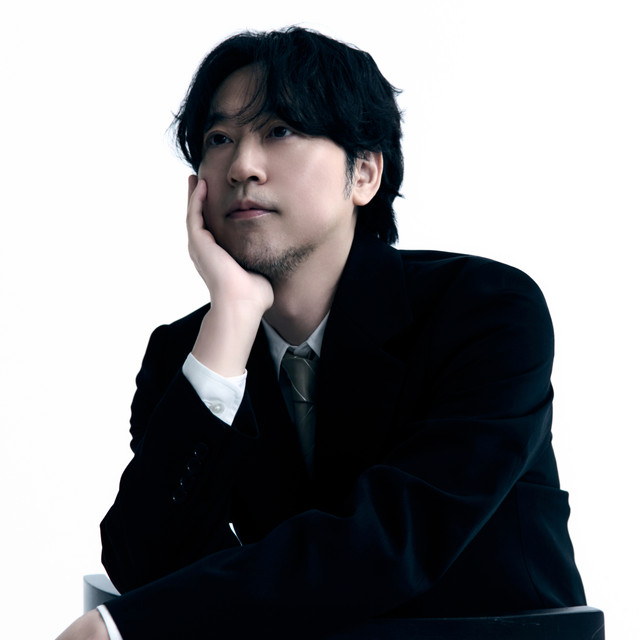
Yiruma
2014–2020
·
2 albums
Listen
4
/5
Genres
Deep Soundtrack
Deep soundtrack is a modern, cinematic substyle that emphasizes low, immersive textures, slow-moving harmony, and spacious ambience over bombast. It sits at the intersection of ambient music, post-classical scoring, and contemporary film/TV/game underscore, favoring drones, soft pulses, and intimate instruments (piano, strings, analog synths) treated with generous space and subtle sound design. Rather than foregrounding memorable themes or trailer-scale crescendos, deep soundtrack cultivates mood: tense, melancholic, or quietly hopeful. It is designed to sit under narrative, visuals, or concentration—music that breathes, evolves slowly, and suggests emotion without overwhelming it.
Discover
Listen
Regalia
Regalia is a cinematic, orchestral-trap hybrid built around lush string sections, dreamy piano motifs, and other symphonic colors layered over modern trap percussion. The core contrast is between “regal” orchestration (wide, sweeping harmony and melodic scoring techniques) and hard-edged rhythmic programming (808 sub-bass, crisp snares/claps, rapid hi-hats, and impactful transitions). It is typically instrumental and soundtrack-adjacent, often designed for dramatic builds, trailers, highlight reels, or emotionally charged beats rather than verse–chorus pop structures.
Discover
Listen
Indie Triste
Indie triste ("sad indie") is a Spanish‑language micro‑scene of indie pop/folk that foregrounds intimate, melancholic songwriting and understated, bedroom‑made production. Its core sound blends soft acoustic guitars, gently pulsing rhythms, close‑mic’d vocals, and lo‑fi textures, often wrapped in reverb and tape‑like warmth. Thematically, the songs dwell on heartache, small‑town longing, fleeting youth, and late‑night introspection. While rooted in indie folk and singer‑songwriter traditions, the style embraces contemporary bedroom pop aesthetics and dream‑pop atmospheres, prioritizing mood and storytelling over virtuoso display.
Discover
Listen
Neo-Classical
Neo-classical (often called post-classical in the streaming era) is a contemporary branch of classical-adjacent music that blends salon- and chamber-style writing with minimalist repetition, ambient textures, and cinematic production. It typically centres on intimate, close-miked piano and small string ensembles, augmented by subtle electronics (synth pads, tape hiss, granular textures) and restrained percussion. Pieces tend to favour consonant harmony, slow harmonic rhythm, and memorable ostinati over extended development, and are commonly crafted as short vignettes suitable for both active listening and background use. A key aesthetic is warmth and proximity: felted pianos, bow noise, room tone, and soft tape saturation underline a human, handcrafted atmosphere. While rooted in classical craft, the genre is oriented toward 21st‑century listening contexts (film/TV sync, playlists, and focused work).
Discover
Listen
Modern Classical
Modern classical is a contemporary strand of instrumental music that applies classical composition techniques to intimate, cinematic settings. It typically foregrounds piano and strings, is sparsely orchestrated, and embraces ambience, repetition, and timbral detail. Rather than the academic modernism of the early 20th century, modern classical as used today refers to accessible, mood-driven works that sit between classical, ambient, and film music. Felt pianos, close‑miked string quartets, tape hiss, drones, soft electronics, and minimal harmonic movement are common, producing a contemplative, emotionally direct sound that translates well to headphones, streaming playlists, and screen media.
Discover
Listen
Classical Crossover
Classical crossover blends elements of Western classical music with popular styles to create accessible, cinematic, and vocally forward repertoire. It typically keeps classical vocal technique or orchestral timbres while adopting pop song structures, contemporary production, and ear‑catching hooks. Arrangements often feature lush strings, piano, and choir, with dramatic dynamic arcs and key changes. Repertoire may include pop-influenced originals, classical themes with new lyrics, and reinterpretations of opera arias or film melodies, frequently sung in English, Italian, or Latin. The genre is designed for broad appeal without abandoning the polish and gravitas of classical performance, bridging concert hall aesthetics and mainstream listening contexts.
Discover
Listen
Contemporary Classical
Contemporary classical is the broad field of Western art music created after World War II. It embraces an array of aesthetics—from serialism and indeterminacy to minimalism, spectralism, electroacoustic practices, and post‑tonal lyricism—while retaining a concern for notated composition and timbral innovation. Unlike the unified styles of earlier eras, contemporary classical is pluralistic. Composers freely mix acoustic and electronic sound, expand instrumental techniques, adopt non‑Western tuning and rhythm, and explore new forms, from process-based structures to open and graphic scores. The result is a music that can be rigorously complex or radically simple, technologically experimental or intimately acoustic, yet consistently focused on extending how musical time, timbre, and form can be shaped.
Discover
Listen
Soundtrack
Soundtrack is music created to accompany and enhance visual media such as film, television, and video games. It includes original scores (instrumental or vocal music composed specifically for the picture) and, at times, curated compilations of pre-existing songs. Stylistically, soundtrack is a meta-genre that can encompass orchestral symphonic writing, jazz, electronic and synth-driven textures, choral forces, popular song, and experimental sound design. Its defining trait is functional storytelling: themes, motifs, harmony, rhythm, and timbre are shaped by narrative needs, character psychology, pacing, and editing. Common features include leitmotifs for characters or ideas, modular cues that can be edited to picture, dynamic orchestration for dramatic range, and production approaches that sit well under dialogue and sound effects. Because it must synchronize to picture, soundtrack often uses clear dramatic arcs, tempo maps, and hit points.
Discover
Listen
Neoclassicism
Neoclassicism in music is a 20th‑century movement that revived forms, genres, and aesthetics from the Baroque and Classical eras, but reframed them with modern harmony, rhythm, and orchestration. It emphasizes clarity, balance, objectivity, and contrapuntal craft, often rejecting late‑Romantic excess while retaining a tonal or modal center enriched by dissonance, bitonality, and crisp rhythmic drive. Typical hallmarks include neobaroque dance suites, neoclassical sonatas and concerti, chamber‑oriented scoring, clean textures, and a dry, anti‑rhetorical performance style.
Discover
Listen
Impressionism
Impressionism in music is a late-19th- and early-20th-century style that prioritizes color, atmosphere, and suggestion over overt drama and functional harmonic progressions. Originating in France, it parallels the visual arts movement in its fascination with light, timbre, and fleeting impressions. Musically, the style favors modal, pentatonic, and whole‑tone materials; parallel (planed) chords; unresolved dissonances; and ambiguous tonal centers. Rhythms are flexible and often blur a sense of strong meter, while textures shimmer through delicate orchestration, pedal tones, and arpeggiated figures. Rather than strict sonata designs, impressionist works tend to be episodic, evocative, and programmatic, conjuring landscapes, water, night, and dreamlike states.
Discover
Listen
Show all 10 genres
Albums
2020
3
/5
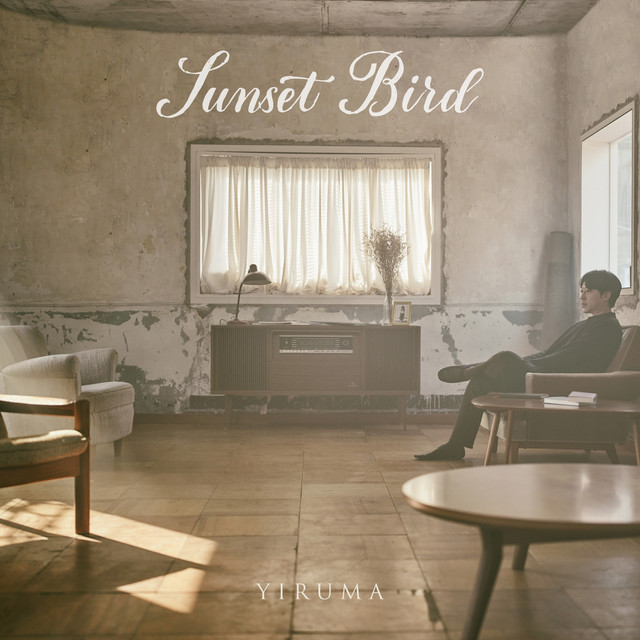
Sunset Bird
Yiruma
Neo-Classical
2014
3
/5
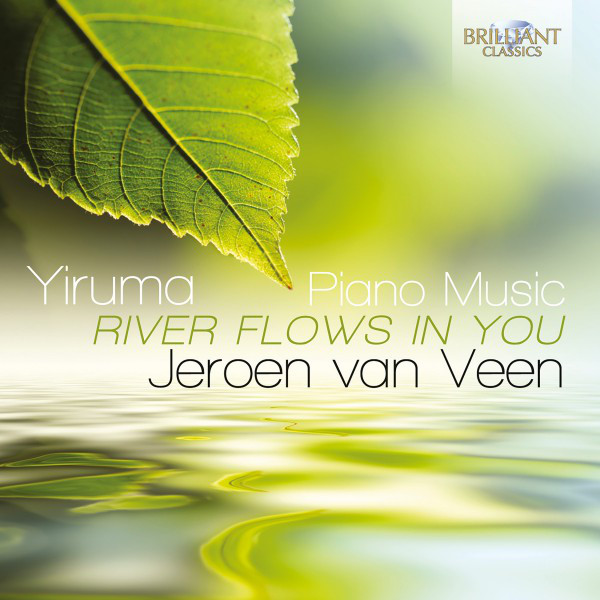
Yiruma: Piano Music "River Flows in You"
Jeroen van Veen
Impressionism
Similar artists
4
/5
Ludovico Einaudi
Classical
Contemporary Classical
Compositional Ambient
3
/5
Joep Beving
Compositional Ambient
Deep Soundtrack
Isekai
3
/5
RIOPY
Deep Soundtrack
Neo-Classical
Neoclassicism
4
/5
Berliner Philharmoniker
Classical
Romantic Classical
Romanticism
4
/5
Erik Satie
Impressionism
Classical
Neoclassicism
4
/5
Claude Debussy
Impressionism
Classical
Classical Piano
4
/5
Gabriel Fauré
Requiem
Classical
Deep Soundtrack
1
/5
Various Artists
Afro-Funk
Alternative Rock
Ambient
4
/5
Alexis Ffrench
Neo-Classical
Modern Downshift
Neoclassicism
5
/5
Coldplay
Rock
Permanent Wave
Alternative Rock
Download our mobile app
Get the Melodigging app and start digging for new genres on the go
Download on the App Store
Get it on Google Play
© 2026 Melodigging
Give feedback
Legal
Melodding was created as a tribute to
Every Noise at Once
, which inspired us to help curious minds keep digging into music's ever-evolving genres.