Genres
Artists
Albums
Make Music
Sign in
Sign in
Artists
Tango
Artists
Tango
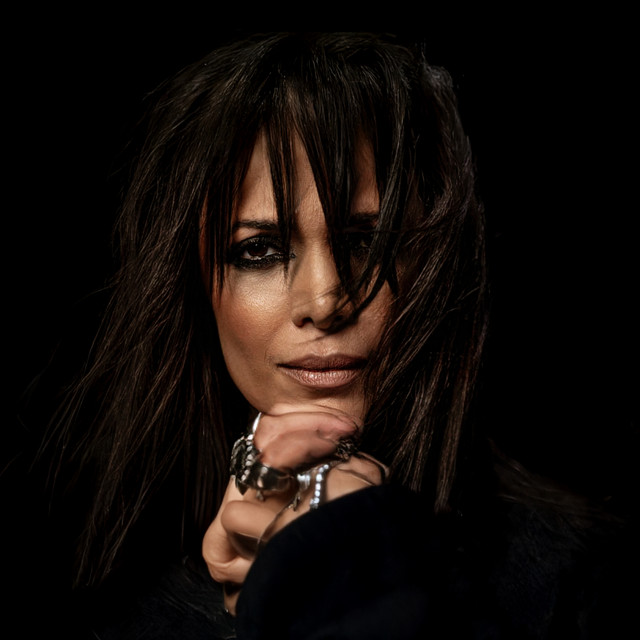
Yasmin Levy
2004–2009
·
5 albums
Listen
3
/5
Genres
Afro Tech
Afro tech is a club-focused hybrid of Afro house and techno that blends four-on-the-floor drum programming with African polyrhythms, deep sub-bass, and hypnotic, minor-key synth work. It favors driving grooves, atmospheric pads, chant-like vocals, and long, DJ-friendly arrangements that build patiently toward cathartic drops. Compared with soulful Afro house, Afro tech tends to be darker, more streamlined, and more mechanical, while retaining the swing, percussion density, and call-and-response sensibilities of Southern African dance music.
Discover
Listen
Covertronica
Covertronica is a microgenre centered on electronically produced cover versions of well‑known songs. Artists retain the recognizability of the original melodies and hooks, but reimagine them with contemporary electronic palettes—glossy synths, side‑chained pads, drum machines, 808s, and modern pop/EDM production. The style thrives on clever reharmonization (e.g., minor/major flips), tempo shifts, and textural redesign, often translating rock, soul, or classic pop into sleek electropop/indietronica frameworks. Vocals are typically polished and upfront, with stacked harmonies, tight autotune as a color (when desired), and arrangement tricks such as filtered intros, half‑time drops, and breakdowns that mirror club and synth‑pop dynamics. Because the repertoire comes from existing songs, covertronica is as much about curatorial taste and arrangement craft as it is about sound design, making it a meeting point between DJ culture’s recontextualization and the singer‑producer era of the internet.
Discover
Listen
Hi-Tech Full-On
Hi‑Tech Full‑On is a modern, largely Japanese mutation of full‑on psytrance that injects the rapid timbral switching and glitchy, stuttered edits of complextro into the classic rolling psy bass and 4/4 drive. Typically sitting around 145–155 BPM, it keeps the euphoric brightness and supersaw leads of full‑on while adopting hyper-detailed sound design: bar‑to‑bar bass patch changes, abrupt mute/unmute fills, micro‑edits, and videogame/anime‑influenced FX. The result is intensely energetic, highly technical party music that feels both maximal and cleanly engineered.
Discover
Listen
Huzunlu Sarkilar
Hüzünlü şarkılar (literally “melancholy/sorrowful songs”) is a contemporary Turkish micro‑scene and streaming tag that gathers slow to mid‑tempo, emotive songs spanning indie, alternative rock, pop ballads, and modern echoes of arabesk. The style is unified less by strict form than by feeling: minor or modal harmony (often with Turkish makam color), intimate vocals, and lyrics steeped in longing (gurbet), heartbreak, and the culturally resonant idea of hüzün. Arrangements typically blend acoustic guitars, piano, soft synth pads, string lines, and occasionally bağlama, with restrained percussion and reverberant spaces. The result is a wistful, atmospheric sound that sits between classic Turkish balladry and modern indie aesthetics.
Discover
Listen
World
World music is a broad, industry-coined umbrella for traditional, folk, and contemporary popular styles from around the globe that fall outside the Anglo-American pop mainstream. The label emerged in the 1980s as a retail and marketing category to group diverse regional musics for international distribution. Musically, it spans acoustic and electric instrumentation; modal, pentatonic, and microtonal pitch systems; and rhythms ranging from cyclical grooves and polyrhythms to asymmetrical meters. While the term can obscure local specificity, it also facilitated cross-cultural collaboration, festivals, and recordings that brought regional genres to wider audiences.
Discover
Listen
Latin
Latin (as a genre label) is a broad umbrella used by the recording industry to categorize popular music rooted in Latin America, the Caribbean, and the Iberian world, often characterized by syncopated Afro-diasporic rhythms, dance-forward grooves, and lyrics primarily in Spanish or Portuguese. As a marketplace category that took shape in the mid-20th century United States, it gathers diverse traditions—Afro-Cuban, Brazilian, Mexican, and Caribbean styles—into a shared space. In practice, "Latin" spans everything from big-band mambo and bolero ballads to contemporary pop, rock, hip hop, and dance fusions produced by artists of Latin American heritage.
Discover
Listen
Tango
Tango is a song-and-dance music from the Río de la Plata region, crystallizing in Buenos Aires (Argentina) and Montevideo (Uruguay) in the late 19th century. It is characterized by a melancholic, dramatic tone; richly expressive melodies; and a distinctive rhythmic feel rooted in the habanera and milonga. Core ensembles feature bandoneón, violin(s), piano, double bass, and sometimes guitar, forming the famed orquesta típica. Across the 1920s–1950s it became a worldwide craze, moving from rough immigrant bars to grand salons and radio, developing highly sophisticated arranging and performance practices. Lyrics often employ lunfardo (Buenos Aires slang) and dwell on urban nostalgia, love, betrayal, and the neighborhood (el barrio). Note on terminology: in flamenco, “tangos” is a distinct palo (song form) with a lively 4/4 compás, often in A Phrygian, closely related in feeling to rumba flamenca. Although it shares the name and a spirited character, flamenco tangos is a different tradition from the Río de la Plata tango described above.
Discover
Listen
Fado
Fado is an urban Portuguese song tradition centered on the feeling of saudade—an untranslatable mix of longing, nostalgia, and bittersweet melancholy. It emerged in 19th‑century Lisbon’s working-class neighborhoods and port districts and later developed a distinct academic strain in Coimbra. Typically performed by a solo singer (fadista) with accompaniment from the 12‑string guitarra portuguesa (Portuguese guitar) and a 6‑string viola (classical/steel‑string guitar), fado favors minor keys, expressive rubato, and ornate melodic embellishment. Its poetry (often in quatrains) contemplates love, fate, the sea, and everyday hardship. Two principal styles dominate: Fado de Lisboa, intimate and dramatic, and Fado de Coimbra, associated with student serenades and a more classical, restrained delivery. Recognized by UNESCO in 2011 as Intangible Cultural Heritage, fado remains a living tradition continually renewed by contemporary interpreters.
Discover
Listen
Flamenco
Flamenco is a highly expressive musical and dance tradition from Andalusia that combines cante (song), toque (guitar), baile (dance), palmas (handclaps), and jaleo (shouts of encouragement). It is characterized by intricate rhythmic cycles called compás, intense vocal melismas with ornamental micro-inflections, and guitar techniques such as rasgueado, picado, alzapúa, golpe, and tremolo. Harmonically it often centers on the Phrygian mode and the Andalusian cadence (iv–III–II–I), creating a dramatic tension that complements the emotional depth of the lyrics, which frequently explore themes of love, loss, pride, and fate. Flamenco is organized into palos (forms) such as soleá, bulería, alegrías, seguiriyas, tientos/tangos, fandangos, tarantas, and rumba, each defined by its compás, mood, and traditional melodic/harmonic vocabulary.
Discover
Listen
Sephardic Music
Sephardic music is the song and liturgical tradition of the Sephardic Jews—descendants of the Jewish communities of medieval Iberia—carried and reshaped across the Mediterranean after the 1492 expulsion from Spain. It encompasses both secular Judeo‑Spanish (Ladino) repertories of romances, kantikas, and life‑cycle songs, and sacred Hebrew piyyutim set to modal melodies. Musically it blends medieval Iberian balladry with the modal systems and rhythmic cycles of the Ottoman, Maghrebi, and Balkan worlds. Melodies often use maqam-like modes (e.g., Hijaz/Phrygian dominant, Bayat, Nahawand), asymmetrical “aksak” meters (7/8, 9/8, 10/8), and ornamented, melismatic vocal lines. Typical instruments include oud, qanun, violin, guitar, clarinet, and frame drums such as riq, bendir, and daf, with textures that are primarily monophonic or heterophonic rather than harmonically driven.
Discover
Listen
Show all 10 genres
Albums
2009
3
/5
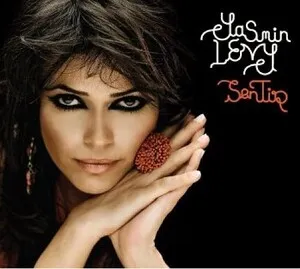
Sentir
Yasmin Levy יסמין לוי
Sephardic Music
Flamenco
Latin
2008
2
/5
Naci En Alamo
Yasmin Levy
Tango
2007
3
/5
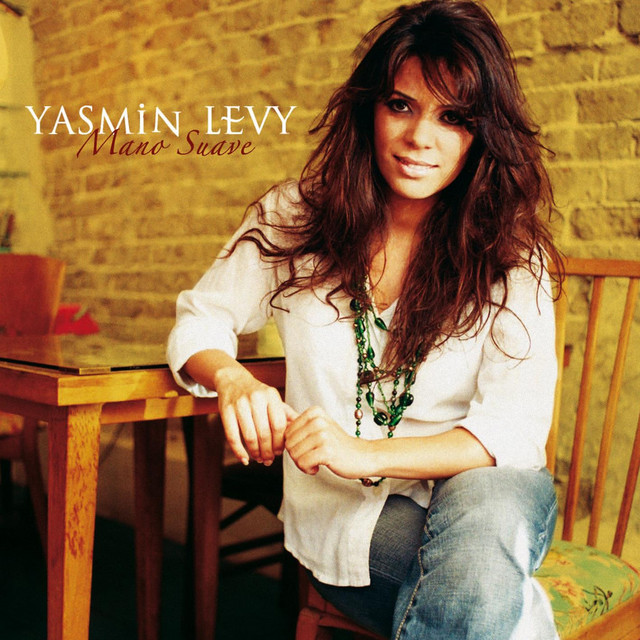
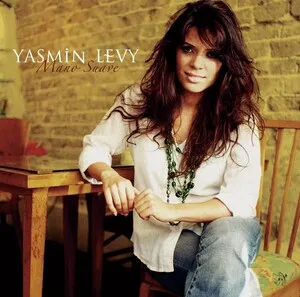
Mano Suave
Yasmin Levy
Tango
Fado
2007
1
/5
Mano suave
Yasmin Levy יסמין לוי
Sephardic Music
2004
1
/5
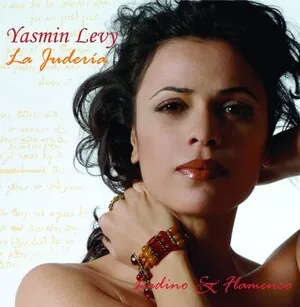
La judería
Yasmin Levy יסמין לוי
Sephardic Music
Similar artists
3
/5
Diego El Cigala
Flamenco
Tango
Bolero
2
/5
Rodolfo Mederos
Tango
Flamenco
Rioplatense Music
2
/5
Raül Refree
Fado
Flamenco
Folk
1
/5
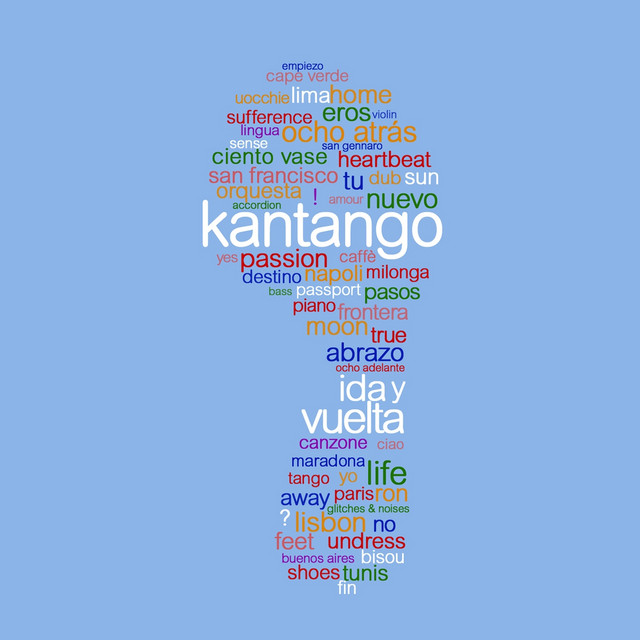
Kantango
Tango
Fado
Electronic
3
/5
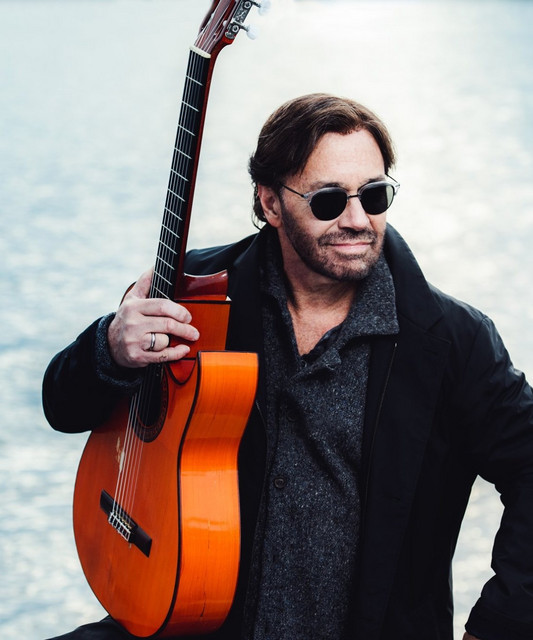
Al Di Meola
Flamenco Jazz
Flamenco
Jazz
3
/5
Rodrigo y Gabriela
Acoustic Rock
Nuevo Flamenco
Flamenco
3
/5
Miguel Poveda
Copla
Fado
Flamenco
3
/5
Buika
Fado
Flamenco
Latin Jazz
2
/5
Carlos Cano
Copla
Fado
Flamenco
2
/5
Javier Limón
Fado
Flamenco
Download our mobile app
Get the Melodigging app and start digging for new genres on the go
Download on the App Store
Get it on Google Play
© 2026 Melodigging
Give feedback
Legal
Melodding was created as a tribute to
Every Noise at Once
, which inspired us to help curious minds keep digging into music's ever-evolving genres.