Genres
Artists
Albums
Make Music
Sign in
Sign in
Artists
Copla
Artists
Copla
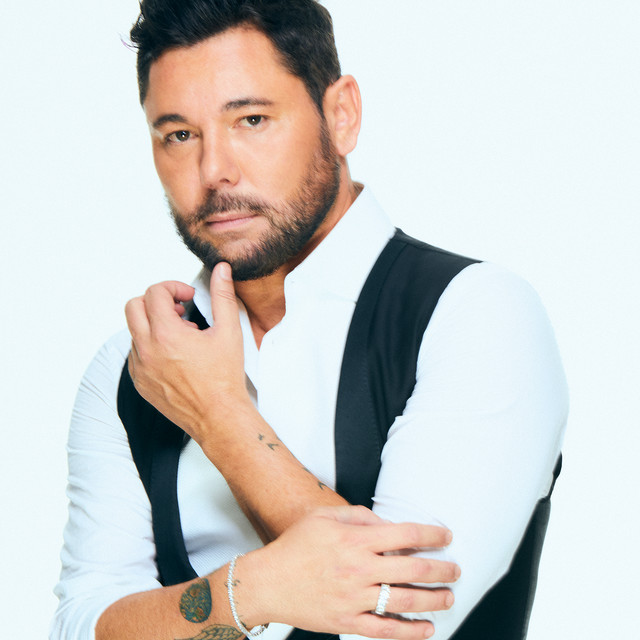
Miguel Poveda
2015
·
2 albums
Listen
3
/5
Genres
Flamenco Pop
Flamenco pop is a Spanish popular music style that blends the vocal melismas, guitar techniques, and rhythmic clapping (palmas) of flamenco with the song forms, hooks, and studio polish of mainstream pop. It keeps the emotive core of flamenco—often drawing on the Andalusian cadence and Phrygian color—while adopting verse–chorus structures, drum kits, bass guitar, keyboards, and radio-friendly arrangements. Groove-wise it frequently favors 4/4 feels (rumba/tangos-derived) over the traditional 12-beat palos to fit contemporary pop sensibilities. The result is an accessible, danceable sound that can be tender or intense, equally at home on festival stages and commercial airwaves.
Discover
Listen
Copla
Copla (often called copla andaluza or canción española) is a dramatic Spanish popular song style characterized by narrative lyrics, big emotions, and theatrical performance. It typically tells compact, melodramatic stories of love, jealousy, honor, betrayal, social stigma, or fate, delivered by a solo singer with highly expressive phrasing. Musically, copla favors clear tonal harmony (often minor-key), memorable melodies, and accompaniment that ranges from guitar or piano to full orchestra or band. Rhythms frequently draw on pasodoble and bolero feels, with touches of flamenco color and the Andalusian cadence that imbue the songs with a distinctly Iberian character. Historically linked to stage and cinema, copla thrives on performance: commanding vocals, precise diction, and emotional acting are as central as the music itself.
Discover
Listen
Rumba
Rumba is an Afro‑Cuban, percussion‑driven song‑and‑dance genre that arose in the port neighborhoods and solares of Havana and Matanzas. It features complex interlocking rhythms played on congas (tumbadora, segundo, quinto), claves, and palitos, with the quinto drum improvising over cyclical patterns. The music is built around the rumba clave (in 3‑2 or 2‑3 orientation), call‑and‑response vocals, and a lead singer who declaims verses followed by catchy coros. Three principal styles exist: yambú (slow, playful), guaguancó (medium, flirtatious, with the iconic "vacunao" gesture in the dance), and columbia (fast, virtuosic, traditionally for solo male dancers). Historically performed with cajones (wooden boxes) when drums were restricted, rumba is a secular, community practice whose poetry, dance, and rhythm encode Afro‑Cuban history and identity. It is distinct from ballroom "rhumba" and from Congolese rumba, both of which were influenced by Cuban music rather than being the same style.
Discover
Listen
Fado
Fado is an urban Portuguese song tradition centered on the feeling of saudade—an untranslatable mix of longing, nostalgia, and bittersweet melancholy. It emerged in 19th‑century Lisbon’s working-class neighborhoods and port districts and later developed a distinct academic strain in Coimbra. Typically performed by a solo singer (fadista) with accompaniment from the 12‑string guitarra portuguesa (Portuguese guitar) and a 6‑string viola (classical/steel‑string guitar), fado favors minor keys, expressive rubato, and ornate melodic embellishment. Its poetry (often in quatrains) contemplates love, fate, the sea, and everyday hardship. Two principal styles dominate: Fado de Lisboa, intimate and dramatic, and Fado de Coimbra, associated with student serenades and a more classical, restrained delivery. Recognized by UNESCO in 2011 as Intangible Cultural Heritage, fado remains a living tradition continually renewed by contemporary interpreters.
Discover
Listen
Flamenco
Flamenco is a highly expressive musical and dance tradition from Andalusia that combines cante (song), toque (guitar), baile (dance), palmas (handclaps), and jaleo (shouts of encouragement). It is characterized by intricate rhythmic cycles called compás, intense vocal melismas with ornamental micro-inflections, and guitar techniques such as rasgueado, picado, alzapúa, golpe, and tremolo. Harmonically it often centers on the Phrygian mode and the Andalusian cadence (iv–III–II–I), creating a dramatic tension that complements the emotional depth of the lyrics, which frequently explore themes of love, loss, pride, and fate. Flamenco is organized into palos (forms) such as soleá, bulería, alegrías, seguiriyas, tientos/tangos, fandangos, tarantas, and rumba, each defined by its compás, mood, and traditional melodic/harmonic vocabulary.
Discover
Listen
Albums
2015
2
/5
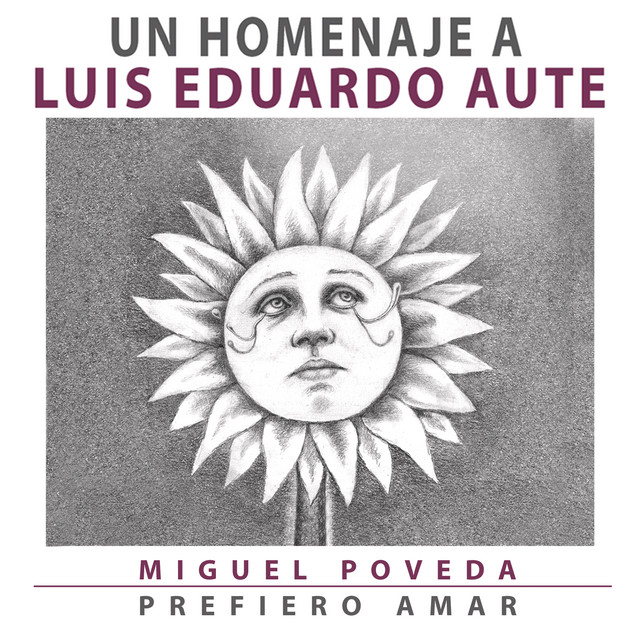
Prefiero Amar
Miguel Poveda
Copla
Coplas del querer
Miguel Poveda
Copla
Similar artists
3
/5
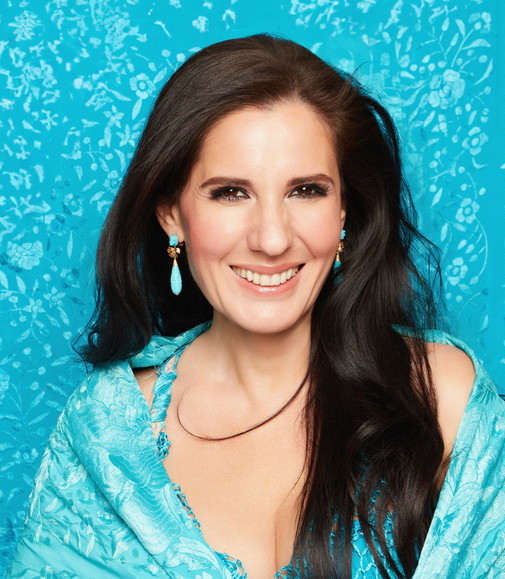
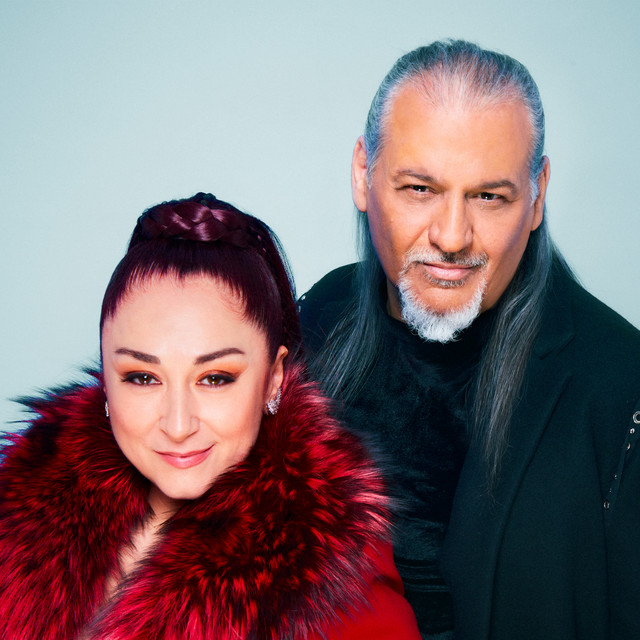
Diana Navarro
Copla
Flamenco
Flamenco Pop
2
/5
Carlos Cano
Copla
Fado
Flamenco
3
/5
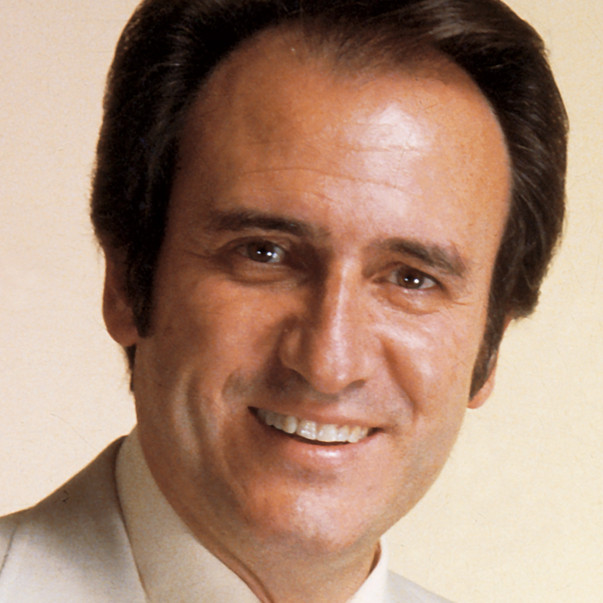
Manolo Escobar
Copla
Villancico
Flamenco
4
/5
Estopa
Rumba
Flamenco Pop
Pop Rock
4
/5
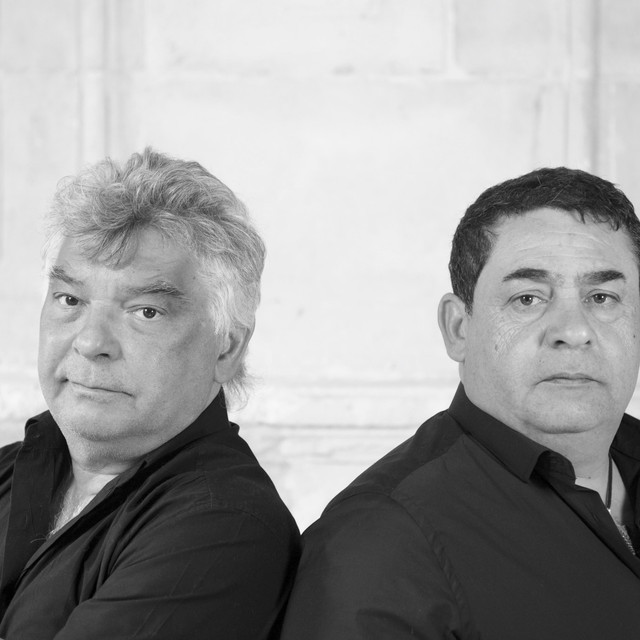
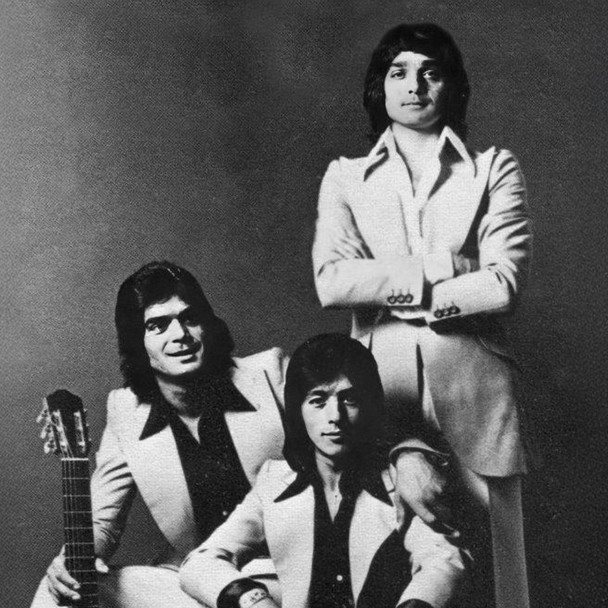
Gipsy Kings
Rumba Catalana
Flamenco
Rumba Flamenca
4
/5
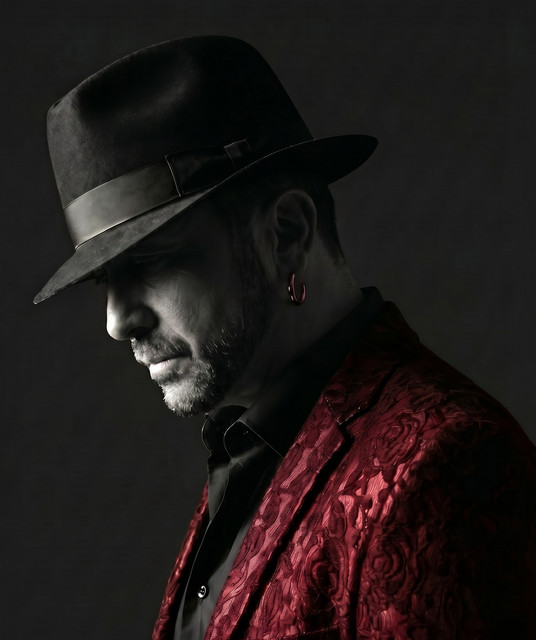
El Barrio
Rock Andaluz
Rumba
Flamenco
4
/5
Camela
Tecnorumba
Rumba
Flamenco
4
/5
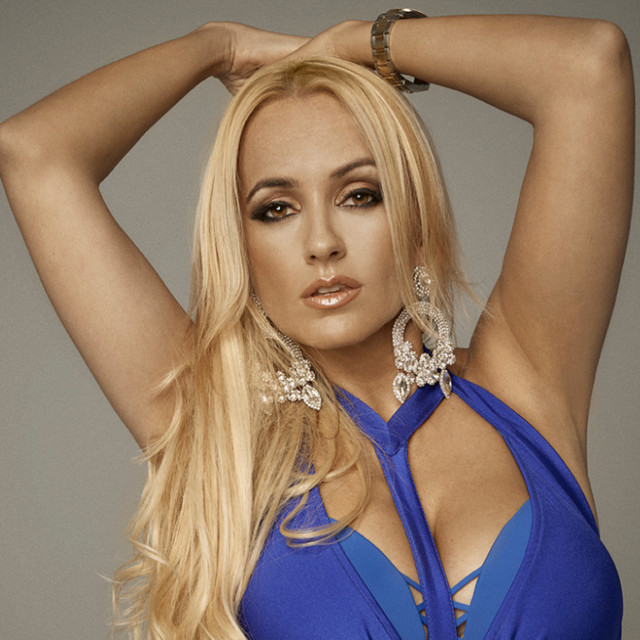
La Húngara
Rumba
Flamenco
Flamenco Pop
3
/5
Los Chichos
Flamenco
Flamenco Pop
Flamenco Urbano
3
/5
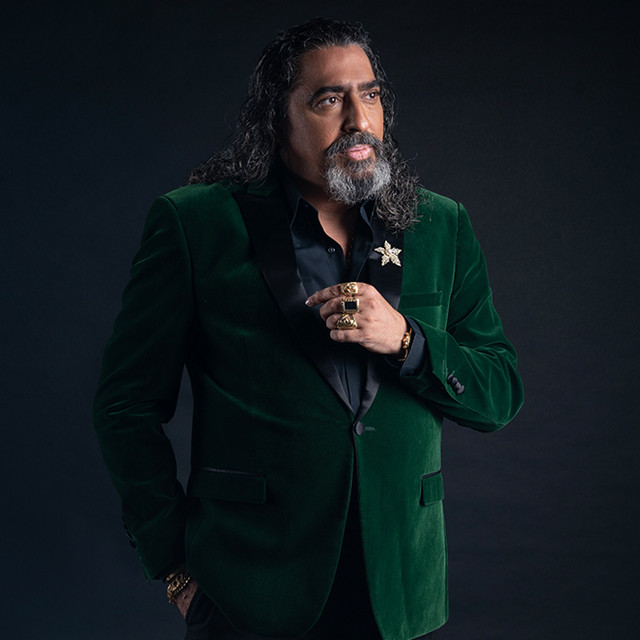
Diego El Cigala
Flamenco
Tango
Bolero
Download our mobile app
Get the Melodigging app and start digging for new genres on the go
Download on the App Store
Get it on Google Play
© 2026 Melodigging
Give feedback
Legal
Melodding was created as a tribute to
Every Noise at Once
, which inspired us to help curious minds keep digging into music's ever-evolving genres.