Genres
Artists
Albums
Make Music
Sign in
Sign in
Artists
Copla
Artists
Copla
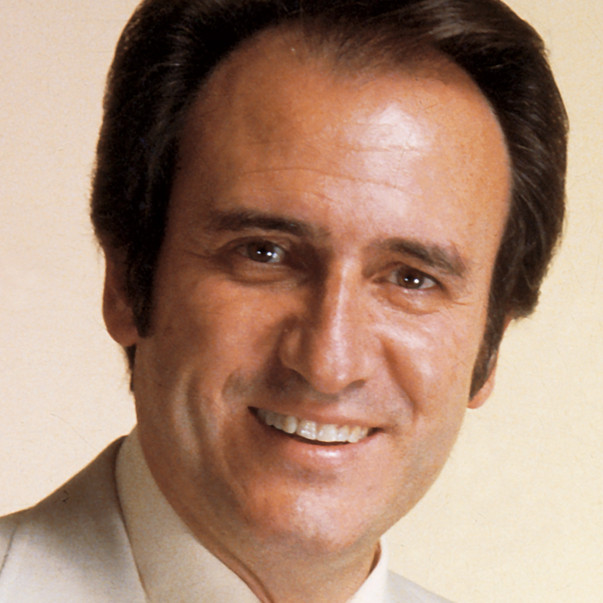
Manolo Escobar
1973–2022
·
18 albums
Listen
3
/5
Genres
Electro Latino
Electro latino (often stylized as electrolatino) is a club-oriented fusion that blends the four-on-the-floor energy of European EDM and electro house with Spanish/Latin pop songwriting and Caribbean rhythmic accents. It typically features bright supersaw or pluck synth leads, sidechained pads, and festival-style drops, combined with Latin percussion (congas, güira, timbales) and chantable Spanish hooks. Lyrical themes favor summer romance, parties, and coastal imagery, mirroring the genre’s warm, feel-good sonic identity. The style crystallized in Spain in the early 2010s and rapidly spread across European and Latin markets through high-rotation radio singles and compilation series, normalizing Spanish-language vocals and Latin rhythms on mainstream EDM platforms.
Discover
Listen
Latin
Latin (as a genre label) is a broad umbrella used by the recording industry to categorize popular music rooted in Latin America, the Caribbean, and the Iberian world, often characterized by syncopated Afro-diasporic rhythms, dance-forward grooves, and lyrics primarily in Spanish or Portuguese. As a marketplace category that took shape in the mid-20th century United States, it gathers diverse traditions—Afro-Cuban, Brazilian, Mexican, and Caribbean styles—into a shared space. In practice, "Latin" spans everything from big-band mambo and bolero ballads to contemporary pop, rock, hip hop, and dance fusions produced by artists of Latin American heritage.
Discover
Listen
Copla
Copla (often called copla andaluza or canción española) is a dramatic Spanish popular song style characterized by narrative lyrics, big emotions, and theatrical performance. It typically tells compact, melodramatic stories of love, jealousy, honor, betrayal, social stigma, or fate, delivered by a solo singer with highly expressive phrasing. Musically, copla favors clear tonal harmony (often minor-key), memorable melodies, and accompaniment that ranges from guitar or piano to full orchestra or band. Rhythms frequently draw on pasodoble and bolero feels, with touches of flamenco color and the Andalusian cadence that imbue the songs with a distinctly Iberian character. Historically linked to stage and cinema, copla thrives on performance: commanding vocals, precise diction, and emotional acting are as central as the music itself.
Discover
Listen
Rumba
Rumba is an Afro‑Cuban, percussion‑driven song‑and‑dance genre that arose in the port neighborhoods and solares of Havana and Matanzas. It features complex interlocking rhythms played on congas (tumbadora, segundo, quinto), claves, and palitos, with the quinto drum improvising over cyclical patterns. The music is built around the rumba clave (in 3‑2 or 2‑3 orientation), call‑and‑response vocals, and a lead singer who declaims verses followed by catchy coros. Three principal styles exist: yambú (slow, playful), guaguancó (medium, flirtatious, with the iconic "vacunao" gesture in the dance), and columbia (fast, virtuosic, traditionally for solo male dancers). Historically performed with cajones (wooden boxes) when drums were restricted, rumba is a secular, community practice whose poetry, dance, and rhythm encode Afro‑Cuban history and identity. It is distinct from ballroom "rhumba" and from Congolese rumba, both of which were influenced by Cuban music rather than being the same style.
Discover
Listen
Sevillanas
Sevillanas is a lively Andalusian song-and-dance genre closely associated with Seville’s spring fair (Feria de Abril) and the pilgrimage to El Rocío. Although often performed within the broader flamenco ecosystem, sevillanas is fundamentally a festive folk style derived from the Castilian seguidilla and shaped in Andalusia. A typical sevillanas performance consists of four short sung-and-danced sections (coplas), each with its own choreography. The music is upbeat, commonly in 3/4 with occasional hemiola feels between 3/4 and 6/8, and is accompanied by Spanish guitar, palmas (handclaps), and dancers’ castanets. Lyrics celebrate everyday life, romance, regional pride, and religious devotion, making the genre both communal and highly singable.
Discover
Listen
Flamenco
Flamenco is a highly expressive musical and dance tradition from Andalusia that combines cante (song), toque (guitar), baile (dance), palmas (handclaps), and jaleo (shouts of encouragement). It is characterized by intricate rhythmic cycles called compás, intense vocal melismas with ornamental micro-inflections, and guitar techniques such as rasgueado, picado, alzapúa, golpe, and tremolo. Harmonically it often centers on the Phrygian mode and the Andalusian cadence (iv–III–II–I), creating a dramatic tension that complements the emotional depth of the lyrics, which frequently explore themes of love, loss, pride, and fate. Flamenco is organized into palos (forms) such as soleá, bulería, alegrías, seguiriyas, tientos/tangos, fandangos, tarantas, and rumba, each defined by its compás, mood, and traditional melodic/harmonic vocabulary.
Discover
Listen
Andalusian Folk Music
Andalusian folk music is the traditional music of Andalusia in southern Spain, closely associated with regional song, dance, and especially the cultural world that gave rise to flamenco. It draws on a long historical mix of Iberian, Romani, Moorish-Andalusi, Sephardic Jewish, and broader Mediterranean influences, but in its better-known modern form it is most strongly identified with music and dance traditions developed from the 18th century onward in Andalusia. The genre is marked by expressive singing, modal melodic language, rich ornamentation, flexible rhythm, handclaps, guitar accompaniment, and strong links to dance. In many contexts, "Andalusian folk music" refers to the wider traditional musical environment of Andalusia from which flamenco emerged and within which forms such as fandangos, seguidillas, saetas, sevillanas, and other regional styles have circulated. As reflected in the supplied external description, it is especially connected with the flamenco traditions of Andalusia and with the Romani communities of the region, known locally as gitanos, who played a major role in shaping its post-18th-century development.
Discover
Listen
Pasodoble
Pasodoble is a fast, duple‑meter (2/4) march‑like music and its corresponding two‑step couple dance. It originated as a double‑time military march and later became a distinct Spanish popular genre. Typically performed by brass and wind bands with crisp snare drum patterns, pasodobles move at about 120–132 beats per minute (historically aligning with 120 infantry steps per minute). Over the 19th and early 20th centuries it separated from purely military use and became strongly associated with bullfighting, where it accompanies ceremonial entries and dramatic moments in the ring. Musically, pasodobles favor clear, fanfare‑like melodies, major keys with Iberian modal color (occasional Phrygian cadences), dotted rhythms, and sharply accented downbeats. In dance and festival contexts, phrases are structured to cue dramatic poses and crowd responses.
Discover
Listen
Villancico
Villancico is an Iberian song form that emerged in late medieval Spain and flourished during the Renaissance and Baroque eras. Originally a secular, vernacular song associated with rural or popular themes, it evolved into a predominantly sacred genre performed in churches and cathedrals—especially around Christmas. Structurally, a villancico typically alternates a recurring refrain (estribillo) with one or more stanzas (coplas), often in lively, dance-like meters. Texts may be in Spanish or Portuguese and sometimes incorporate dialects and topical characters (for example, negrillos, pastorcillos), while the music ranges from simple strophic tunes to richly scored polychoral works with instrumental accompaniment.
Discover
Listen
Show all 9 genres
Albums
2022
1
/5
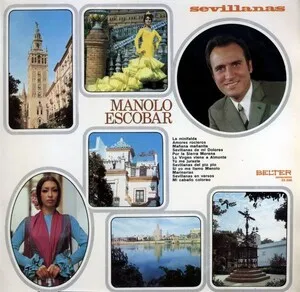
Sevillanas
Manolo Escobar
Sevillanas
Andalusian Folk Music
2017
1
/5
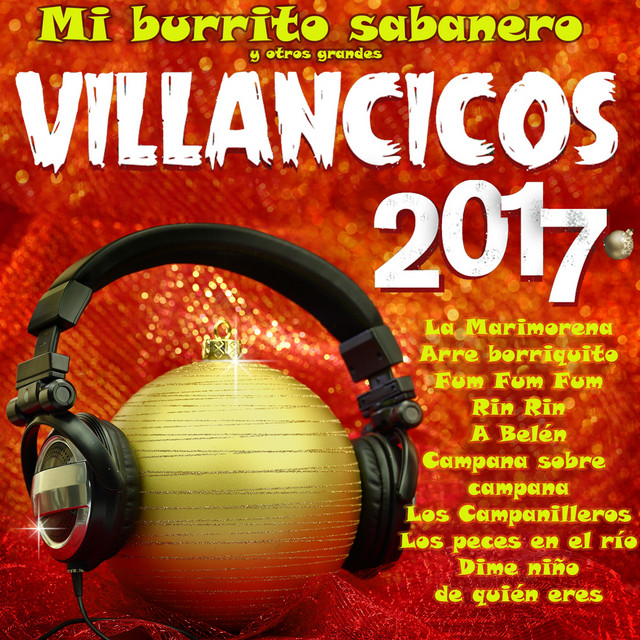
Villancicos 2017 (Mi Burrito Sabanero y Otros Grandes Villancicos)
Manolo Escobar
Copla
2015
2
/5
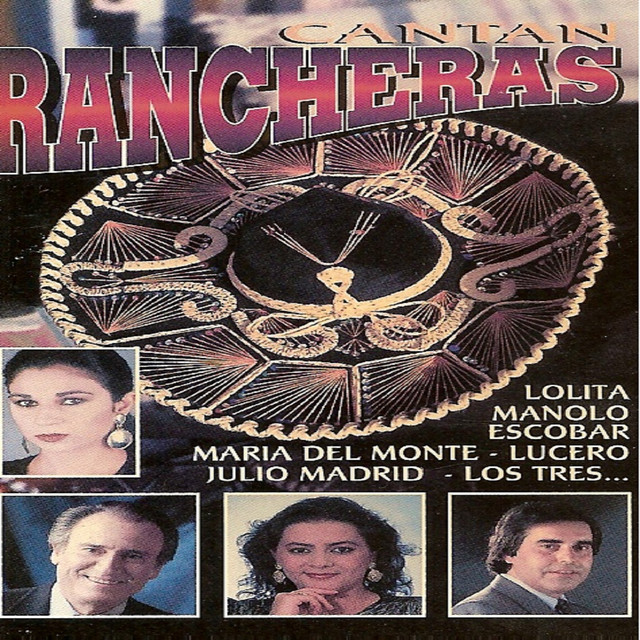
Cantan Rancheras
Manolo Escobar
Copla
2006
1
/5
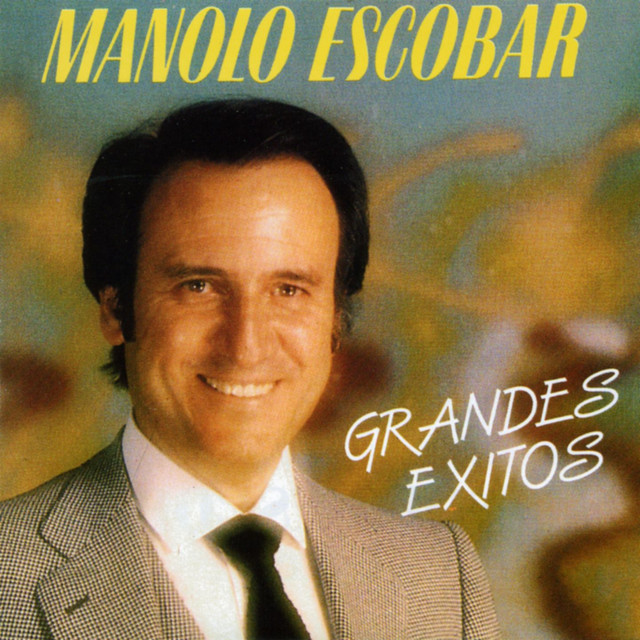
Manolo Escobar: Grandes Exitos
Manolo Escobar
Copla
2005
1
/5
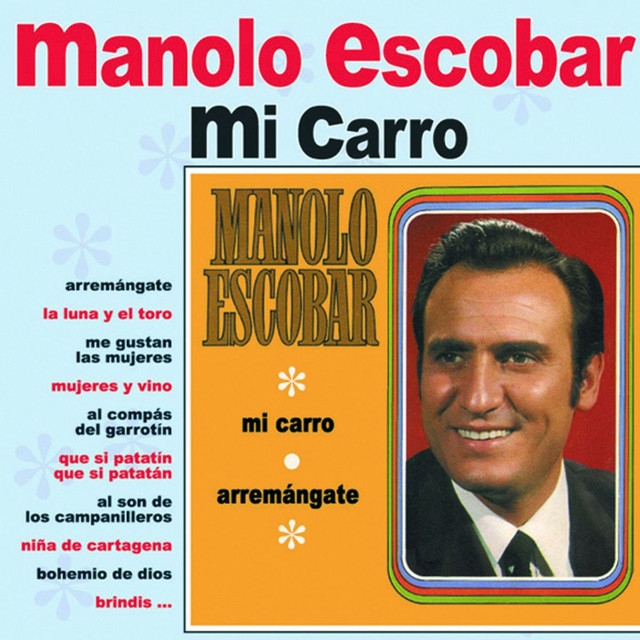
Mi Carro
Manolo Escobar
Copla
1996
2
/5
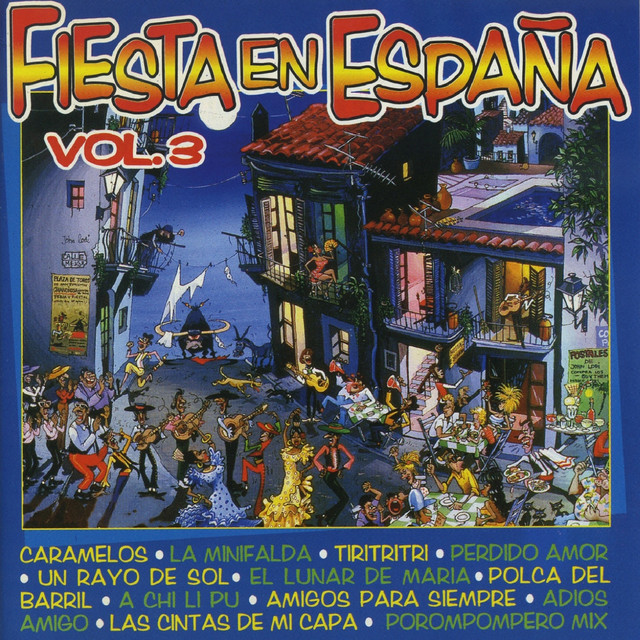
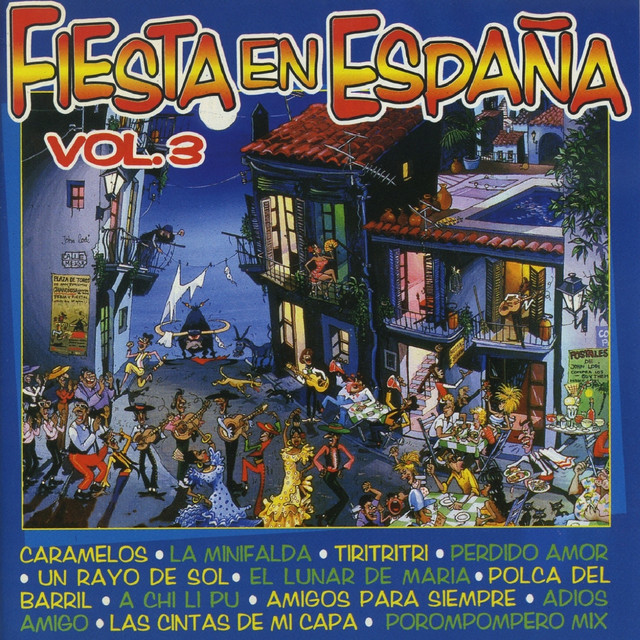
Fiesta en España, Vol. 3
Manolo Escobar
Copla
1996
1
/5
Fiesta en España, Vol. 3
Manolo Escobar
Copla
1996
1
/5
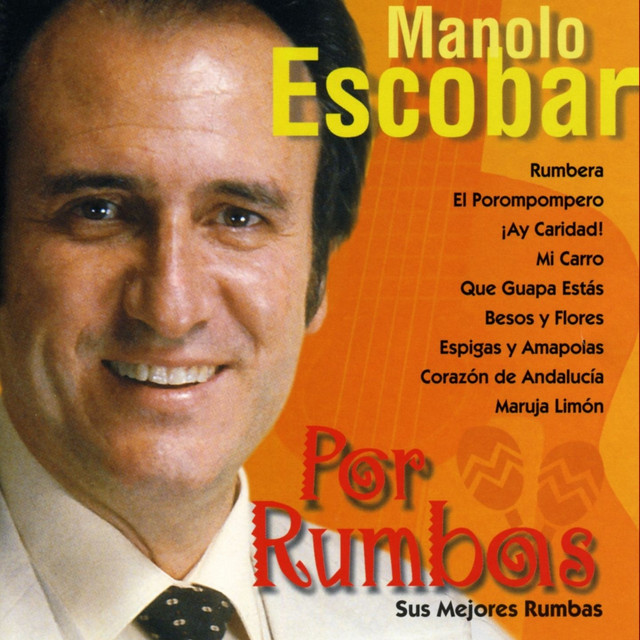
Por Rumbas : Sus Mejores Rumbas
Manolo Escobar
Copla
1996
1
/5
Los grandes pasodobles...cantados
Manolo Escobar
Pasodoble
1991
1
/5
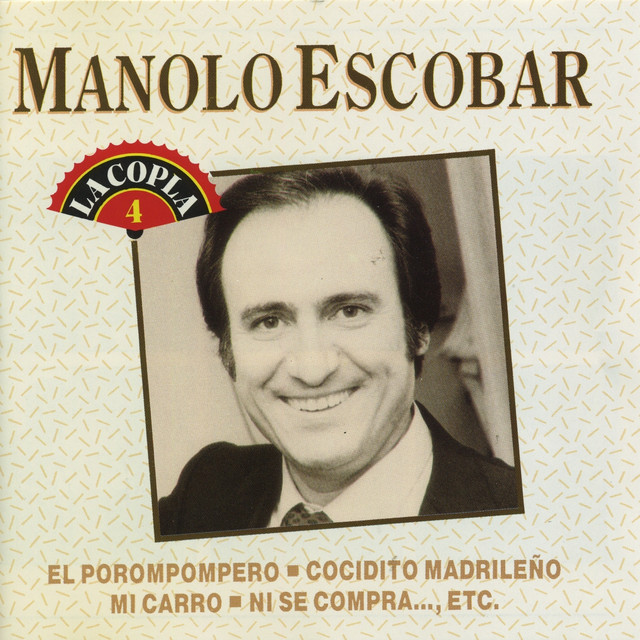
La Copla, Vol.4
Manolo Escobar
Copla
1990
2
/5
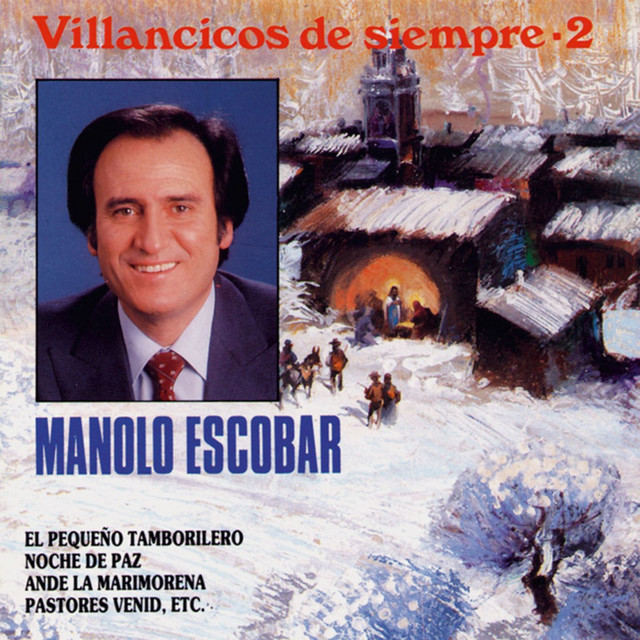
Villancicos de Siempre, Vol. 2
Manolo Escobar
Copla
Rumba
1989
2
/5
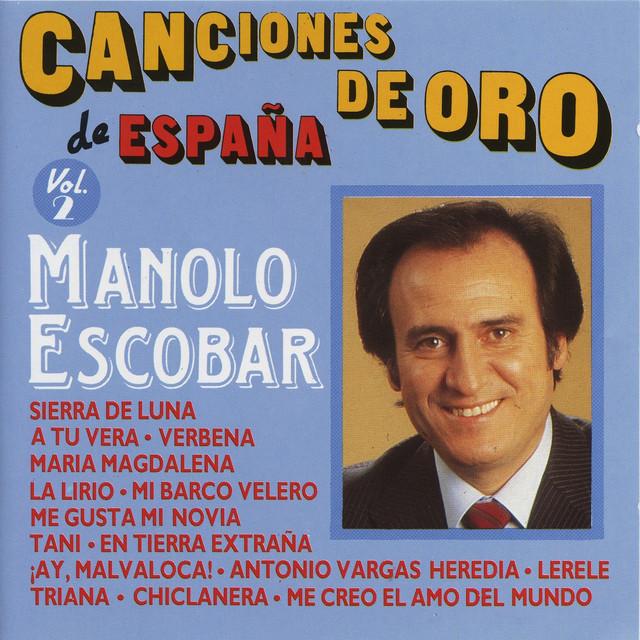
Canciones de Oro de España, Vol. 2
Manolo Escobar
Copla
1989
1
/5
Canciones de Oro de España, Vol. 2
Manolo Escobar
Copla
1989
3
/5
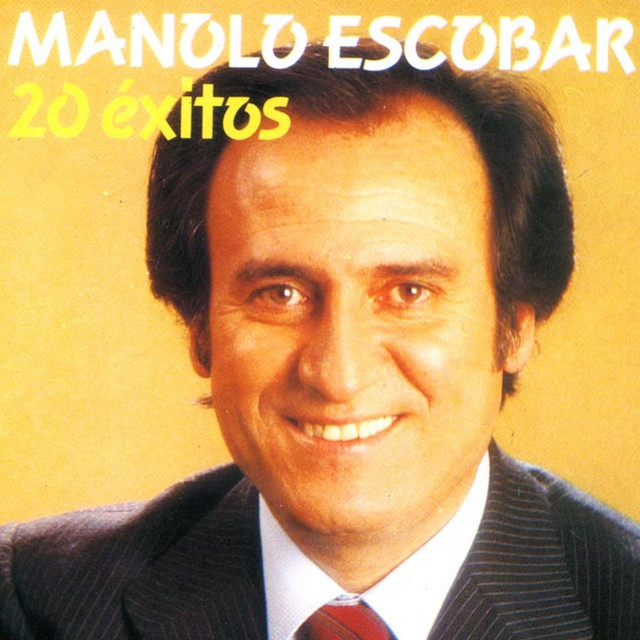
20 Éxitos
Manolo Escobar
Copla
1989
1
/5
Mano a Mano
Manolo Escobar
Copla
1975
1
/5
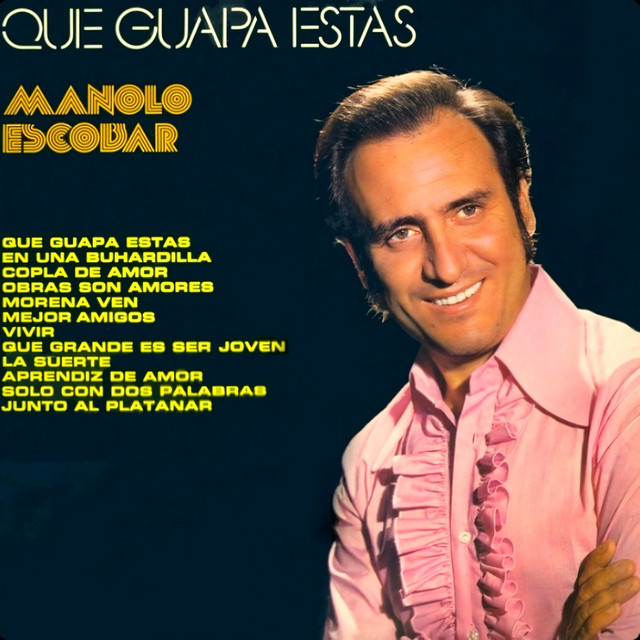
Que Guapa Estás
Manolo Escobar
Copla
1973
1
/5
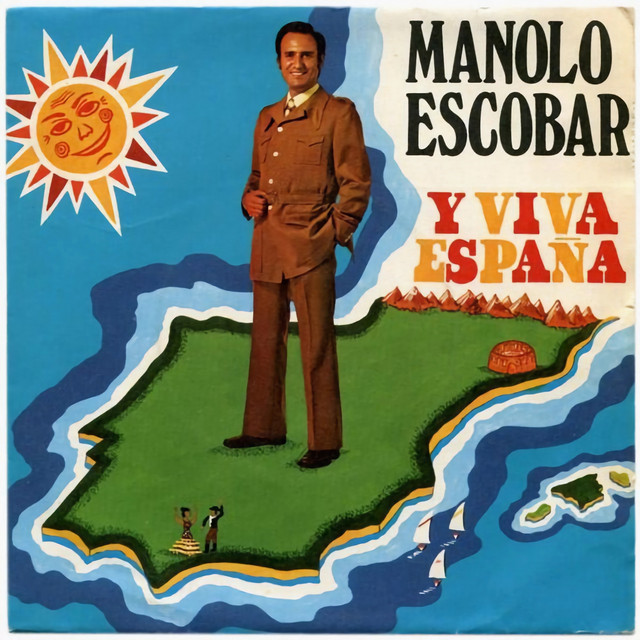
Y Viva España
Manolo Escobar
Copla
Villancicos
Manolo Escobar
Villancico
Similar artists
3
/5
Isabel Pantoja
Copla
Canción Melódica
Flamenco
3
/5
Paco Candela
Sevillanas
Flamenco
Flamenco Pop
3
/5
Ecos del Rocío
Sevillanas
Flamenco
Flamenco Pop
2
/5
Cantores De Hispalis
Sevillanas
Flamenco
Flamenco Pop
2
/5
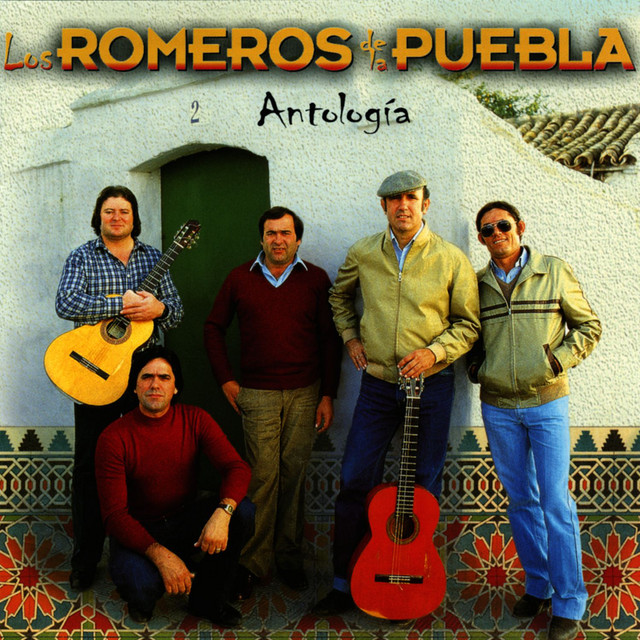
Los Romeros De La Puebla
Sevillanas
Flamenco
Villancico
2
/5
Amigos De Gines
Sevillanas
Flamenco
Villancico
2
/5
Las Carlotas
Sevillanas
Flamenco
Flamenco Pop
2
/5
Jose Manuel El Mani
Andalusian Folk Music
Sevillanas
Flamenco
3
/5
Siempre Asi
Flamenco
Flamenco Pop
Flamenco Urbano
2
/5
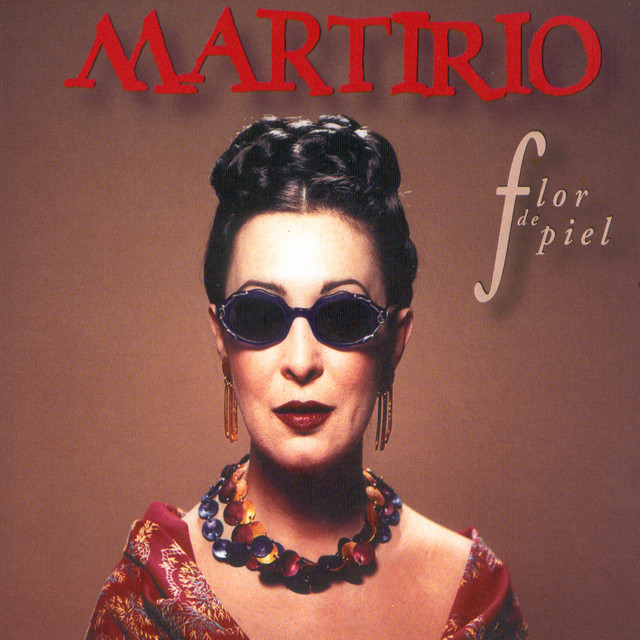
Martirio
Copla
Bolero
Flamenco
Download our mobile app
Get the Melodigging app and start digging for new genres on the go
Download on the App Store
Get it on Google Play
© 2026 Melodigging
Give feedback
Legal
Melodding was created as a tribute to
Every Noise at Once
, which inspired us to help curious minds keep digging into music's ever-evolving genres.