Genres
Artists
Albums
Make Music
Sign in
Sign in
Artists
Tango
Artists
Tango
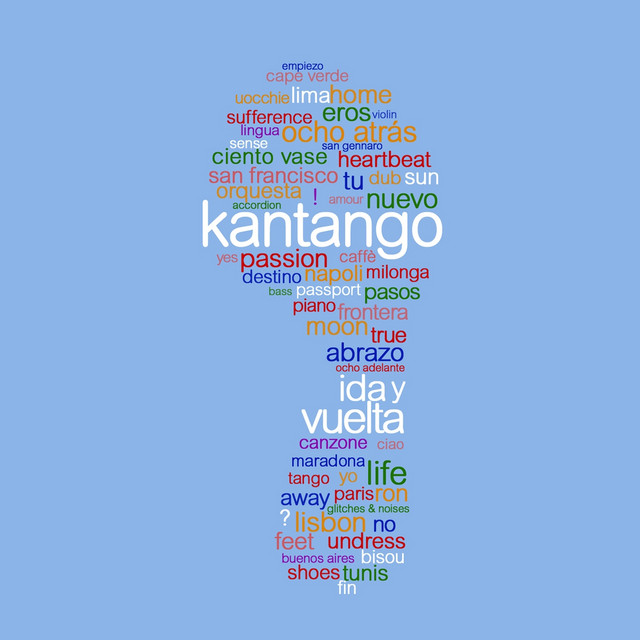
Kantango
2009
·
1 album
Listen
1
/5
Genres
Electrotango
Electrotango (often called tango electrónico) fuses the melodic drama, syncopated phrasing, and emblematic bandoneon timbre of Argentine tango with contemporary electronic production. Producers blend sampled or newly recorded tango ensembles (bandoneon, violin, piano, double bass, guitar) with downtempo, trip-hop, and house beats, warm analog-style bass lines, and ambient textures. Tempos commonly range from 90–120 BPM for lounge/downtempo contexts and up to 120–128 BPM for club-focused remixes. Core rhythmic cells include the tango’s 3–3–2 syncopation, habanera-derived grooves, and marcato patterns, while harmonies favor minor keys, chromatic lines, and bittersweet cadences that accentuate tango’s nostalgic and urban character.
Discover
Listen
Latin
Latin (as a genre label) is a broad umbrella used by the recording industry to categorize popular music rooted in Latin America, the Caribbean, and the Iberian world, often characterized by syncopated Afro-diasporic rhythms, dance-forward grooves, and lyrics primarily in Spanish or Portuguese. As a marketplace category that took shape in the mid-20th century United States, it gathers diverse traditions—Afro-Cuban, Brazilian, Mexican, and Caribbean styles—into a shared space. In practice, "Latin" spans everything from big-band mambo and bolero ballads to contemporary pop, rock, hip hop, and dance fusions produced by artists of Latin American heritage.
Discover
Listen
Electronic
Electronic is a broad umbrella genre defined by the primary use of electronically generated or electronically processed sound. It encompasses music made with synthesizers, drum machines, samplers, computers, and studio/tape techniques, as well as electroacoustic manipulation of recorded or synthetic sources. The genre ranges from academic and experimental traditions to popular and dance-oriented forms. While its sonic palette is rooted in electricity and circuitry, its aesthetics span minimal and textural explorations, structured song forms, and beat-driven club permutations. Electronic emphasizes sound design, timbre, and studio-as-instrument practices as much as melody and harmony.
Discover
Listen
Tango
Tango is a song-and-dance music from the Río de la Plata region, crystallizing in Buenos Aires (Argentina) and Montevideo (Uruguay) in the late 19th century. It is characterized by a melancholic, dramatic tone; richly expressive melodies; and a distinctive rhythmic feel rooted in the habanera and milonga. Core ensembles feature bandoneón, violin(s), piano, double bass, and sometimes guitar, forming the famed orquesta típica. Across the 1920s–1950s it became a worldwide craze, moving from rough immigrant bars to grand salons and radio, developing highly sophisticated arranging and performance practices. Lyrics often employ lunfardo (Buenos Aires slang) and dwell on urban nostalgia, love, betrayal, and the neighborhood (el barrio). Note on terminology: in flamenco, “tangos” is a distinct palo (song form) with a lively 4/4 compás, often in A Phrygian, closely related in feeling to rumba flamenca. Although it shares the name and a spirited character, flamenco tangos is a different tradition from the Río de la Plata tango described above.
Discover
Listen
Fado
Fado is an urban Portuguese song tradition centered on the feeling of saudade—an untranslatable mix of longing, nostalgia, and bittersweet melancholy. It emerged in 19th‑century Lisbon’s working-class neighborhoods and port districts and later developed a distinct academic strain in Coimbra. Typically performed by a solo singer (fadista) with accompaniment from the 12‑string guitarra portuguesa (Portuguese guitar) and a 6‑string viola (classical/steel‑string guitar), fado favors minor keys, expressive rubato, and ornate melodic embellishment. Its poetry (often in quatrains) contemplates love, fate, the sea, and everyday hardship. Two principal styles dominate: Fado de Lisboa, intimate and dramatic, and Fado de Coimbra, associated with student serenades and a more classical, restrained delivery. Recognized by UNESCO in 2011 as Intangible Cultural Heritage, fado remains a living tradition continually renewed by contemporary interpreters.
Discover
Listen
Albums
2009
1
/5
Ida y Vuelta
Kantango
Electrotango
Electronic
Latin
Similar artists
3
/5
Bajofondo
Neotango
Tango
Electrotango
3
/5
Yasmin Levy
Tango
Fado
Sephardic Music
3
/5
Gotan Project
Neotango
Tango
Electronic
1
/5
Various Artists
Afro-Funk
Alternative Rock
Ambient
4
/5
Cesária Evora
Morna
Twoubadou
Cape Verdean Music
3
/5
Astor Piazzolla
Nuevo Tango
Tango
Rioplatense Music
3
/5
Hôtel Costes
Tango
Electronic
Electro-Jazz
2
/5
Melingo
Tango
Candombe
Milonga
2
/5
Rodrigo Leão
Fado
Tango
1
/5
Pablo Ziegler & Quique Sinesi
Candombe
Fado
Tango
Download our mobile app
Get the Melodigging app and start digging for new genres on the go
Download on the App Store
Get it on Google Play
© 2026 Melodigging
Give feedback
Legal
Melodding was created as a tribute to
Every Noise at Once
, which inspired us to help curious minds keep digging into music's ever-evolving genres.