Genres
Artists
Albums
Make Music
Sign in
Sign in
Artists
Fado
Artists
Fado
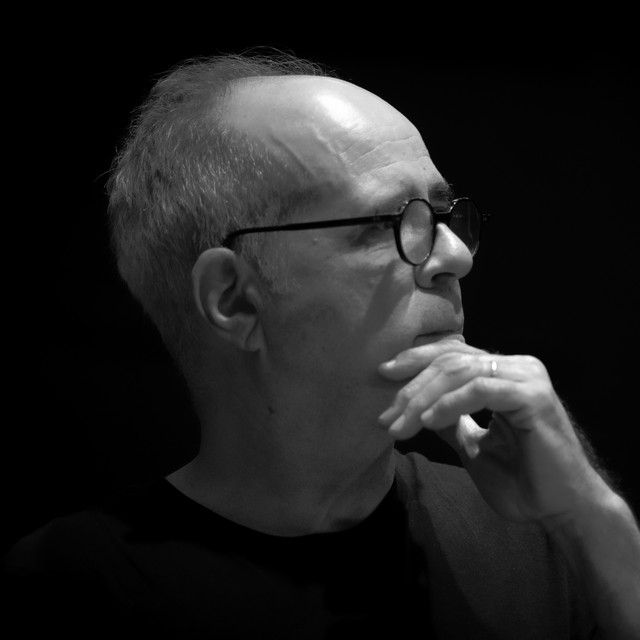
Rodrigo Leão
Listen
2
/5
Genres
Modern Classical
Modern classical is a contemporary strand of instrumental music that applies classical composition techniques to intimate, cinematic settings. It typically foregrounds piano and strings, is sparsely orchestrated, and embraces ambience, repetition, and timbral detail. Rather than the academic modernism of the early 20th century, modern classical as used today refers to accessible, mood-driven works that sit between classical, ambient, and film music. Felt pianos, close‑miked string quartets, tape hiss, drones, soft electronics, and minimal harmonic movement are common, producing a contemplative, emotionally direct sound that translates well to headphones, streaming playlists, and screen media.
Discover
Listen
Neoclassical New Age
Neoclassical new age is a crossover style that blends contemporary classical writing with the mellow, restorative aesthetics of new age music. It is typically piano-led, harmonically consonant, and minimalist in texture, often supported by soft strings, subtle electronics, and generous ambience. The genre favors lyrical melodies, repeating ostinati, slow builds, and a cinematic sense of space. It trades on intimacy and clarity—close-miked “felt” pianos, warm reverbs, and quiet dynamics—creating music that is contemplative, emotionally direct, and accessible to listeners beyond the traditional classical audience.
Discover
Listen
Minimalism
Minimalism is a style of Western art music that emerged in the United States during the 1960s, characterized by the use of very limited musical materials, steady pulse, and extensive repetition. Composers often build pieces from short cells or motifs that are repeated and slowly transformed through additive or subtractive processes, phase shifting, and gradual changes in harmony, texture, or register. Harmony is typically consonant (often modal or diatonic), though just intonation and extended drones are also common. The result is music that foregrounds process, clarity, audibility of structure, and a hypnotic sense of stasis and flow. Typical ensembles include keyboards, mallet percussion, strings, winds, voices, and electronics or tape. Minimalism influenced a wide array of later styles, from ambient and new age to post-minimalism and minimal techno.
Discover
Listen
Tango
Tango is a song-and-dance music from the Río de la Plata region, crystallizing in Buenos Aires (Argentina) and Montevideo (Uruguay) in the late 19th century. It is characterized by a melancholic, dramatic tone; richly expressive melodies; and a distinctive rhythmic feel rooted in the habanera and milonga. Core ensembles feature bandoneón, violin(s), piano, double bass, and sometimes guitar, forming the famed orquesta típica. Across the 1920s–1950s it became a worldwide craze, moving from rough immigrant bars to grand salons and radio, developing highly sophisticated arranging and performance practices. Lyrics often employ lunfardo (Buenos Aires slang) and dwell on urban nostalgia, love, betrayal, and the neighborhood (el barrio). Note on terminology: in flamenco, “tangos” is a distinct palo (song form) with a lively 4/4 compás, often in A Phrygian, closely related in feeling to rumba flamenca. Although it shares the name and a spirited character, flamenco tangos is a different tradition from the Río de la Plata tango described above.
Discover
Listen
Fado
Fado is an urban Portuguese song tradition centered on the feeling of saudade—an untranslatable mix of longing, nostalgia, and bittersweet melancholy. It emerged in 19th‑century Lisbon’s working-class neighborhoods and port districts and later developed a distinct academic strain in Coimbra. Typically performed by a solo singer (fadista) with accompaniment from the 12‑string guitarra portuguesa (Portuguese guitar) and a 6‑string viola (classical/steel‑string guitar), fado favors minor keys, expressive rubato, and ornate melodic embellishment. Its poetry (often in quatrains) contemplates love, fate, the sea, and everyday hardship. Two principal styles dominate: Fado de Lisboa, intimate and dramatic, and Fado de Coimbra, associated with student serenades and a more classical, restrained delivery. Recognized by UNESCO in 2011 as Intangible Cultural Heritage, fado remains a living tradition continually renewed by contemporary interpreters.
Discover
Listen
Similar artists
3
/5
Yasmin Levy
Tango
Fado
Sephardic Music
1
/5
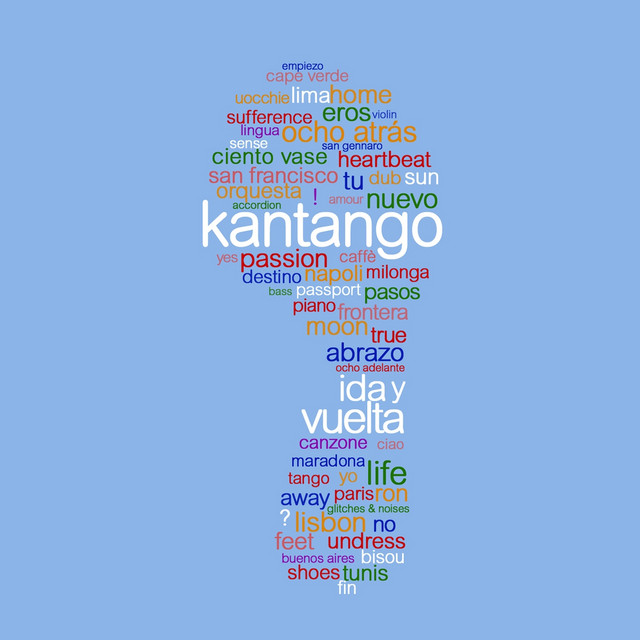
Kantango
Tango
Fado
Electronic
1
/5
Pablo Ziegler & Quique Sinesi
Candombe
Fado
Tango
1
/5
Osvaldo Berlingieri
Fado
Tango
3
/5
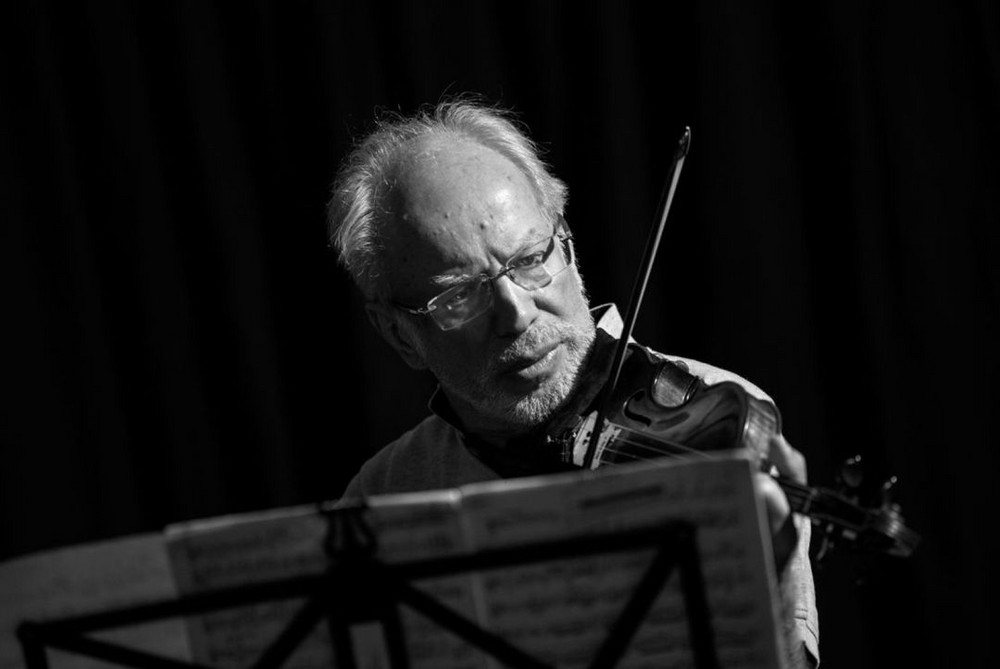
Gidon Kremer
Chamber Music
Classical
Minimalism
2
/5
Kremerata Baltica
Chamber Music
Classical
Minimalism
1
/5
Tango à Trois
Minimalism
Tango
1
/5
Various Artists
Afro-Funk
Alternative Rock
Ambient
3
/5
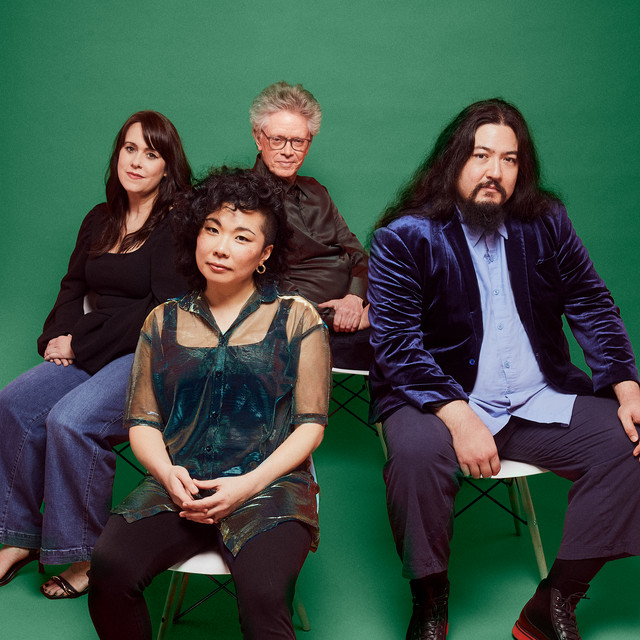
Kronos Quartet
Classical
Chamber Music
Latin American Classical Music
4
/5
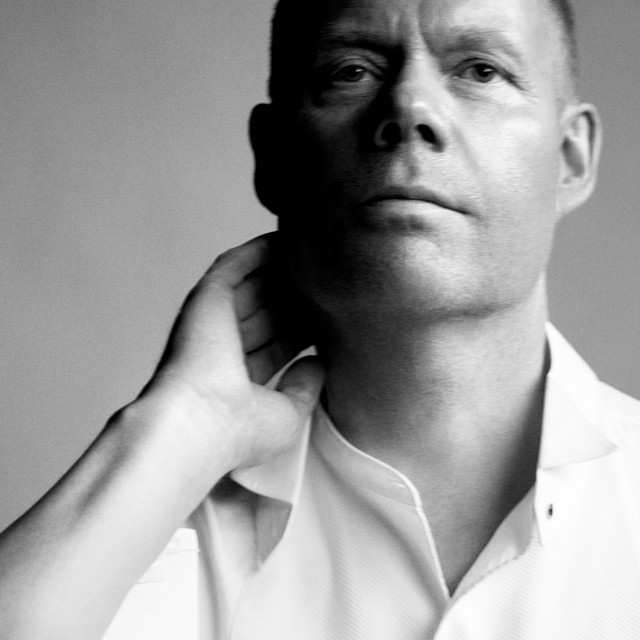
Max Richter
Post-Minimalism
Classical
Contemporary Classical
Download our mobile app
Get the Melodigging app and start digging for new genres on the go
Download on the App Store
Get it on Google Play
© 2026 Melodigging
Give feedback
Legal
Melodding was created as a tribute to
Every Noise at Once
, which inspired us to help curious minds keep digging into music's ever-evolving genres.