Genres
Artists
Albums
Make Music
Sign in
Sign in
Artists
Tango
Artists
Tango
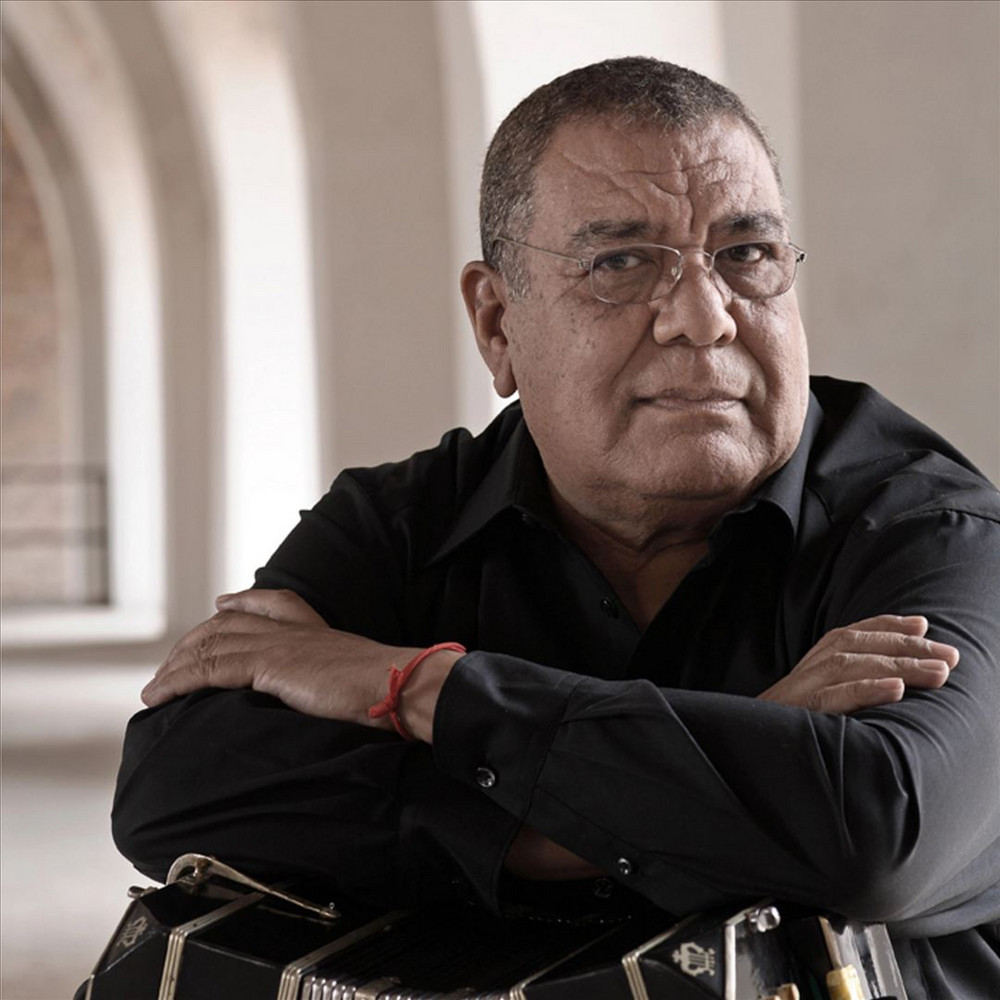
Rodolfo Mederos
1976–1978
·
3 albums
Listen
2
/5
Genres
Jazz Rock
Jazz rock is a hybrid style that merges the improvisational language and harmonic richness of jazz with the amplified energy, backbeat, and song forms of rock. It typically features electric guitar, bass, and drums alongside jazz-oriented instruments such as saxophone, trumpet, and keyboards, often arranged in horn sections. Extended chords, syncopation, and improvisation coexist with catchy riffs and driving grooves, yielding music that is both virtuosic and accessible. While closely related to jazz fusion, jazz rock generally keeps a stronger tie to rock songcraft and backbeat-centered rhythms.
Discover
Listen
Progressive Rock
Progressive rock is a rock subgenre that expands the genre’s formal, harmonic, and conceptual boundaries. It favors long-form compositions, intricate arrangements, and virtuosic musicianship, often drawing on Western classical, jazz, folk, and psychedelic idioms. Typical hallmarks include multi-part suites, shifting time signatures, extended instrumental passages, recurring motifs, and concept albums that present unified themes or narratives. The sound palette commonly features electric guitar, bass, and drums alongside an array of keyboards (Hammond organ, Mellotron, Moog/ARP synthesizers, piano), woodwinds or brass, and occasional orchestral additions. Lyrics often explore science fiction, mythology, philosophy, social commentary, and introspective themes.
Discover
Listen
Nuevo Tango
Nuevo tango is a modernized form of Argentine tango that incorporates the harmony, counterpoint, and extended forms of Western classical music together with the rhythmic flexibility, improvisation, and ensemble language of jazz. Musically, it retains the dramatic phrasing, rubato, and accented articulation of traditional tango, but expands the palette with chromatic harmony, altered dominants, modal color, contrapuntal writing (often fugal), and more adventurous formal designs. Ensembles range from the classic orquesta típica (bandoneóns, strings, piano, bass) to chamber groups and jazz-inflected combos. While the musical current crystallized around Astor Piazzolla in the 1950s–60s, the dance interpretation called "tango nuevo" took shape in the 1980s, emphasizing open embraces, off-axis movements, and improvisational exploration aligned with the genre’s musical freedoms.
Discover
Listen
Tango
Tango is a song-and-dance music from the Río de la Plata region, crystallizing in Buenos Aires (Argentina) and Montevideo (Uruguay) in the late 19th century. It is characterized by a melancholic, dramatic tone; richly expressive melodies; and a distinctive rhythmic feel rooted in the habanera and milonga. Core ensembles feature bandoneón, violin(s), piano, double bass, and sometimes guitar, forming the famed orquesta típica. Across the 1920s–1950s it became a worldwide craze, moving from rough immigrant bars to grand salons and radio, developing highly sophisticated arranging and performance practices. Lyrics often employ lunfardo (Buenos Aires slang) and dwell on urban nostalgia, love, betrayal, and the neighborhood (el barrio). Note on terminology: in flamenco, “tangos” is a distinct palo (song form) with a lively 4/4 compás, often in A Phrygian, closely related in feeling to rumba flamenca. Although it shares the name and a spirited character, flamenco tangos is a different tradition from the Río de la Plata tango described above.
Discover
Listen
Rioplatense Music
Rioplatense music refers to the musical traditions that emerged around the Río de la Plata basin—centered on Buenos Aires (Argentina) and Montevideo (Uruguay). It blends Afro-Uruguayan rhythms, gaucho song forms, and a wide palette of European immigrant dances and salon styles into a distinctive urban sound. At its core are tango, milonga, and candombe, whose characteristic syncopations, bittersweet melodies, and expressive performance practices (rubato, arrastre, canyengue swing) embody the region’s cosmopolitan yet local identity. Typical ensembles feature bandoneón, violin, piano, double bass, and guitar, while rhythmic foundations often trace back to the Cuban habanera and Afro-Uruguayan drum patterns. Lyrics frequently use lunfardo (local slang) and dwell on love, longing, night life, migration, and urban nostalgia.
Discover
Listen
Flamenco
Flamenco is a highly expressive musical and dance tradition from Andalusia that combines cante (song), toque (guitar), baile (dance), palmas (handclaps), and jaleo (shouts of encouragement). It is characterized by intricate rhythmic cycles called compás, intense vocal melismas with ornamental micro-inflections, and guitar techniques such as rasgueado, picado, alzapúa, golpe, and tremolo. Harmonically it often centers on the Phrygian mode and the Andalusian cadence (iv–III–II–I), creating a dramatic tension that complements the emotional depth of the lyrics, which frequently explore themes of love, loss, pride, and fate. Flamenco is organized into palos (forms) such as soleá, bulería, alegrías, seguiriyas, tientos/tangos, fandangos, tarantas, and rumba, each defined by its compás, mood, and traditional melodic/harmonic vocabulary.
Discover
Listen
Albums
1978
1
/5
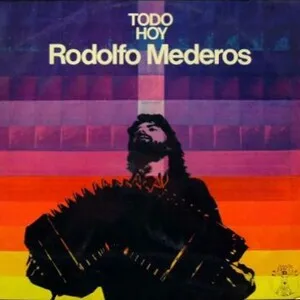
Todo hoy
Rodolfo Mederos
Tango
1977
1
/5
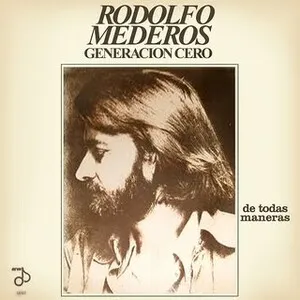
De todas maneras
Rodolfo Mederos & Generación Cero
Rioplatense Music
Tango
Jazz Rock
1976
1
/5
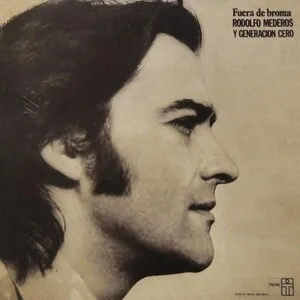
Fuera de broma
Rodolfo Mederos & Generación Cero
Tango
Rioplatense Music
Similar artists
3
/5
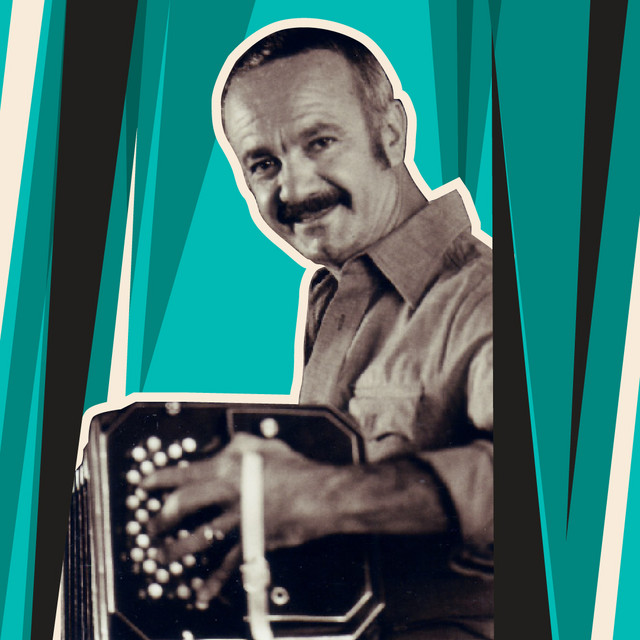
Astor Piazzolla
Nuevo Tango
Tango
Rioplatense Music
3
/5
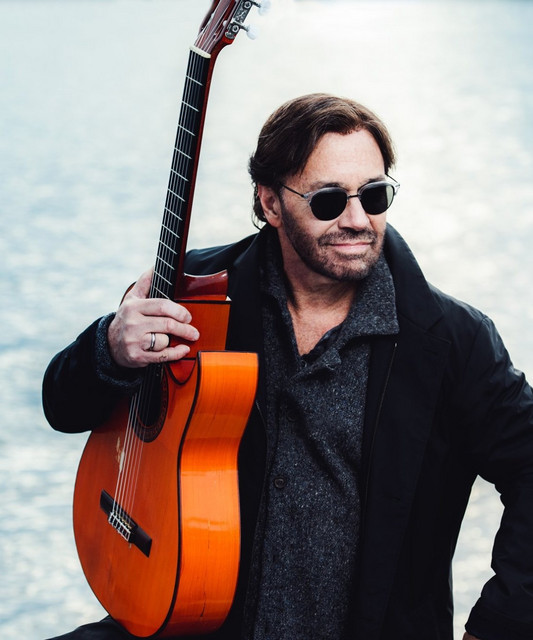
Al Di Meola
Flamenco Jazz
Flamenco
Jazz
1
/5
Various Artists
Afro-Funk
Alternative Rock
Ambient
3
/5
Gotan Project
Neotango
Tango
Electronic
3
/5
Bajofondo
Neotango
Tango
Electrotango
2
/5
Dino Saluzzi
Tango
Folklore Argentino
Rioplatense Music
3
/5
Diego El Cigala
Flamenco
Tango
Bolero
3
/5
Yasmin Levy
Tango
Fado
Sephardic Music
1
/5
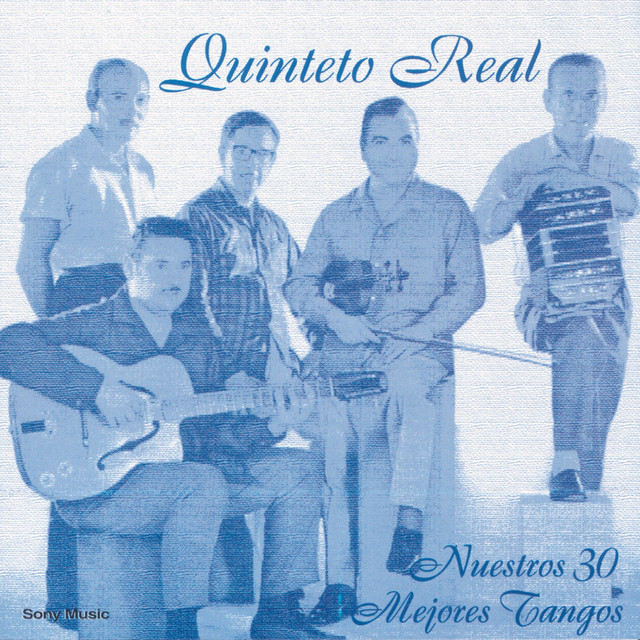
Quinteto Real
Tango
Rioplatense Music
1
/5
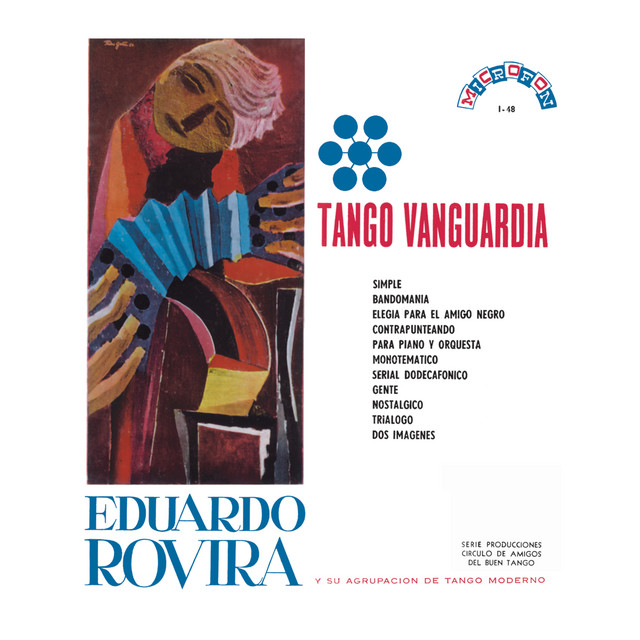
Eduardo Rovira
Tango
Rioplatense Music
Download our mobile app
Get the Melodigging app and start digging for new genres on the go
Download on the App Store
Get it on Google Play
© 2026 Melodigging
Give feedback
Legal
Melodding was created as a tribute to
Every Noise at Once
, which inspired us to help curious minds keep digging into music's ever-evolving genres.