Genres
Artists
Albums
Make Music
Sign in
Sign in
Artists
G-Funk
Artists
G-Funk
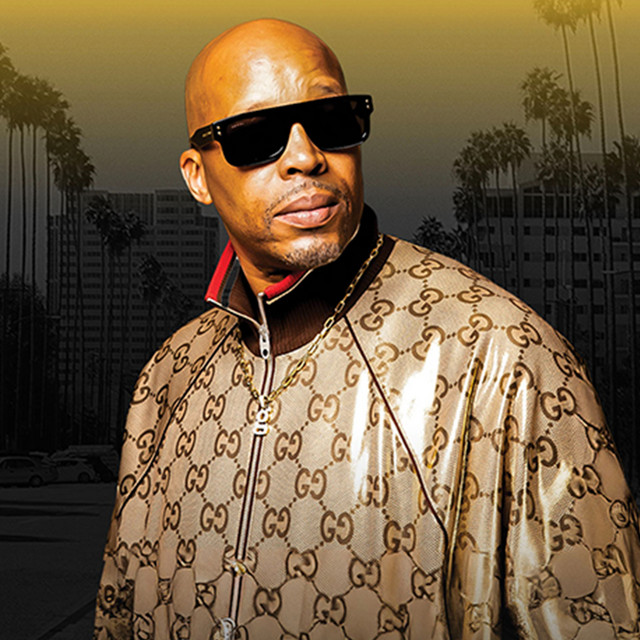
Warren G
1994
·
1 album
Listen
4
/5
Genres
Chill Drill
Chill drill is a mellow, melodic offshoot of UK drill that keeps the style’s distinctive sliding 808s, syncopated hi-hats, and snare-on-3 placement, but softens the overall timbre and mood. Instead of ominous synths and harsh textures, it leans on airy pads, Rhodes pianos, gentle guitar loops, and lo‑fi ambience. Vocals tend to be more introspective and tuneful, with sing-rap hooks, laid-back cadences, and reflective lyric themes (romance, ambition, day-to-day life). The result bridges drill’s rhythmic identity with chillhop and lo‑fi hip hop’s relaxed atmosphere, creating tracks that are both groove-driven and easy to live with.
Discover
Listen
Dungeon Rap
Dungeon rap is a dark, internet-born microgenre that fuses the gloomy, medieval-fantasy atmospheres of dungeon synth with the rhythms, vocal cadences, and low‑end of underground trap and Memphis-influenced rap. Its sound is defined by lo-fi, reverb-soaked synth pads, organ or choir timbres, modal or minor-key melodies reminiscent of dungeon synth, and skeletal 808-driven drum patterns. Vocals (when present) are typically pitched-down, whispered, or deadpan, often dealing with occult, fantasy, and horror imagery. Producers frequently sample retro RPG soundtracks, black metal-adjacent ambient passages, or cassette-era dungeon synth, then anchor them with trunk-rattling subs and crispy hi-hat rolls. The genre coalesced online at the turn of the 2020s through Bandcamp/YouTube scenes and boutique labels, crystallizing a distinct aesthetic that feels equal parts crypt-ambient and street-level rap.
Discover
Listen
Maimouna
Maimouna is a contemporary Francophone West- and Central‑African club style and dance craze that emerged in the early 2020s, most strongly associated with Côte d’Ivoire’s hyperactive urban party scene. It blends upbeat Afropop songcraft with street‑level chant, call‑and‑response hooks, and kinetic, percussion‑forward beats designed for viral dance challenges. Typical tracks ride a mid‑fast 100–118 BPM groove with shaker and cowbell patterns, handclaps, snare rushes, and short synth stabs or guitar licks. Vocals often mix Nouchi (Ivorian street slang) with French, using playful boasts, dance instructions, and catchy refrains. The production is bright and punchy, favoring simple harmonic loops so the crowd‑energy, chants, and choreography lead the experience.
Discover
Listen
Deep Southern Trap
Deep southern trap is a moody, bass-forward branch of Southern U.S. trap distinguished by subterranean 808 subs, sparse but hard-hitting drums, and minor-key, cinematic textures. It places atmosphere and low‑end pressure at the center, often pairing sliding 808s with ominous pads, bells, or plucked synths that leave ample space for the vocal. The tempo typically sits around 60–75 BPM (or 120–150 BPM double‑time), with half‑time bounce, triplet hi‑hat rolls, and tightly quantized snares/claps. Lyrically it ranges from street reportage and survival narratives to introspective, codeine‑slow melancholia—punctuated by ad‑libs and heavily processed vocals. The overall aesthetic is dark, weighty, and immersive, optimized as much for car systems as for headphones.
Discover
Listen
Nyc Pop
NYC pop is a contemporary, hook-forward strain of alternative pop centered on artists living and working in New York City. It blends the sheen of electropop and dance-pop with the songwriting sensibilities of indie pop and indie rock, often pairing bright synths, rhythmic guitars, and punchy drums with large, chantable choruses. Lyrically, it frequently references urban life, ambition, relationships, and self-discovery, capturing the speed, romance, and pressure-cooker energy of the city. Production is glossy but retains an indie edge: live instruments sit beside modern electronic textures, with crisp vocal stacking and ear-catching toplines designed for both radio and festival stages.
Discover
Listen
Tropical House
Tropical house is a mellow, melodic offshoot of deep house that blends a four-on-the-floor pulse with sun-soaked timbres like steel drums, marimba, pan flute, and warm acoustic guitar. It typically runs around 100–115 BPM, favors major-key progressions, and foregrounds breezy hooks over heavy drops, making it feel more like a summer pop record than a club banger. Vocals often carry romantic, nostalgic, or escapist themes—beaches, sunsets, and travel—while the production emphasizes soft percussion, sidechained pads, and a smooth, rolling sub. The genre rose to global prominence mid-2010s through hit remixes and crossover singles that brought house aesthetics into mainstream pop radio.
Discover
Listen
Classify
Classify is a streaming-era microgenre that blends light classical technique with contemporary pop repertoire, typically presented as unobtrusive instrumental covers. It prioritizes soft dynamics, gentle tempos, and intimate recording to create a calm, elegant backdrop suitable for studying, working, or events. Most arrangements are for solo piano, string quartet, cello/piano duos, or small chamber ensembles. Harmonies remain diatonic and consonant, melodies are clearly voiced, and textures favor arpeggios, ostinati, and sustained legato lines. The overall aesthetic borrows from modern classical and new age moods while retaining the familiarity of pop song forms.
Discover
Listen
Dmv Rap
DMV rap is hip hop from the Washington, D.C.–Maryland–Virginia region distinguished by a clipped, deadpan "punch‑in" delivery, nimble internal rhymes, and hard, minimalist trap production. Beats tend to be fast and skeletal—808s, tight snares, and rattling hi‑hats under eerie, bell or synth motifs—leaving space for bar‑by‑bar punch‑ins, ad‑libs, and quotable one‑liners. Lyrically it mixes gritty street reportage with hyperlocal references (PG County, Southeast D.C., NoVA, Metro lines) and distinct regional slang, while its crowd‑moving energy traces back to D.C.’s go‑go "crank" ethos.
Discover
Listen
Melodic Rap
Melodic rap is a style of hip hop that prioritizes sung or sing‑rap cadences, tuneful hooks, and emotive toplines over strictly percussive flows. It blends trap‑based drum programming and 808 sub‑bass with pop‑leaning melodies, R&B harmonies, and heavy use of Auto‑Tune as an expressive effect rather than mere pitch correction. Themes often address love, heartbreak, aspiration, loneliness, and personal struggle, delivered with catchy refrains designed for streaming‑era replayability.
Discover
Listen
The Wave
The Wave is a loosely defined cluster of American post-hardcore/emo bands that surged in the early 2010s as emo-pop’s mainstream moment faded. The name was a tongue‑in‑cheek scene tag that stuck in press coverage, but it points to a real overlap in sound, ethos, and touring networks. Musically, The Wave fuses the urgency of 1990s post‑hardcore and screamo with confessional, literate lyric writing associated with emo. Expect shouted or half‑sung/half‑spoken vocals, dynamic quiet‑loud builds, intricate but driving drums, and guitar textures that shift between glassy clean arpeggios and overdriven, emotive climaxes. The songs often emphasize catharsis, narrative detail, and community-minded DIY presentation.
Discover
Listen
Nightrun
Nightrun is a synthwave-adjacent microgenre built for the sensation of cruising through a neon-lit city at night. It blends retro-’80s analog synth timbres, melodramatic minor-key harmonies, and steady four-on-the-floor or motorik grooves with a glossy, cinematic finish. Compared to broader synthwave, nightrun tends to be slightly leaner and more driving: pulsing bass arpeggios, gated snares, and shimmering pads frame soaring lead melodies that evoke nocturnal highways, sodium lights, and distant horizons. Tempos typically sit in the midtempo range (about 85–110 BPM), with arrangements that rise and fall like a night drive—quiet intros, long cruising sections, and cathartic choruses. Aesthetically, it borrows the neon futurism of 1980s action and thriller soundtracks, while adopting modern production sheen and sidechain pumping. The result is danceable yet reflective electronic music tailored to late-night motion and nostalgic escapism.
Discover
Listen
Sky Room
Sky room is a streaming-era microgenre of airy, pastel-hued alt‑pop and indie R&B that sits between bedroom pop and chill electronic music. It emphasizes soft, close-miked vocals, spacious reverbs, light trap‑influenced percussion, and gentle synth or clean guitar textures. The overall sound is weightless and daydreamy—designed as much for background listening as for late‑night introspection. Lyrically, sky room leans toward intimate, confessional themes—quiet anxieties, tender romance, and coming‑of‑age self-reflection—conveyed with minimalist phrasing and catchy, understated hooks.
Discover
Listen
G-Funk
G-funk (short for "gangsta-funk") is a West Coast hip hop style that blends gangsta rap lyricism with the smooth, melodic grooves of 1970s funk, especially the Parliament-Funkadelic (P-Funk) tradition. It is characterized by slow-to-mid tempos, warm and heavy basslines, lush chords, prominent high-pitched synth leads (often Moog-style whistles), talkbox/vocoder hooks, and relaxed, behind-the-beat drum programming. The sound feels laid-back and summery even when the subject matter is gritty, pairing street narratives with feel-good, bass-driven bounce. G-funk defined the early-to-mid 1990s Los Angeles sound—popularized by Dr. Dre, Snoop Dogg, Warren G, and Nate Dogg—and became one of the most commercially successful and widely recognizable flavors of hip hop.
Discover
Listen
Gangsta Rap
Gangsta rap is a subgenre of hip hop defined by its gritty, street-level storytelling, first‑person narration, and unflinching depictions of crime, policing, poverty, and survival. It foregrounds a hard-hitting vocal delivery over sparse, heavy drum programming and sample-based grooves. Musically, it draws from the foundational elements of hip hop—looped breaks, funk basslines, and turntable aesthetics—while emphasizing menace, swagger, and cinematic detail. Lyrically, it alternates between reportage, braggadocio, social commentary, and personal testimony, often sparking controversy for its explicit content and political provocations. From mid‑1980s origins through the 1990s mainstream, gangsta rap reshaped both the sound and business of hip hop, influencing fashion, language, and global perceptions of urban America.
Discover
Listen
West Coast Hip Hop
West Coast hip hop is a regional style of hip hop that arose on the U.S. West Coast, especially in Los Angeles and the San Francisco Bay Area. It is known for its heavy funk-influenced grooves, prominent synthesizer leads, deep bass, and a laid-back but confident delivery. While the early scene mixed electro and old-school rap aesthetics, the late 1980s ushered in hard-edged street narratives associated with gangsta rap. In the early 1990s, Dr. Dre and peers popularized G-funk, a sleek, bass-heavy update that sampled and reinterpreted P-Funk. Later waves—from Bay Area mobb music and hyphy to Los Angeles “jerkin’” and ratchet—continued the region’s emphasis on catchy hooks, swagger, and club- and car-ready beats. Lyrically, West Coast hip hop ranges from party anthems and cruising music to vivid depictions of street life, social realities, and personal introspection, all delivered with distinctive regional slang and cadence.
Discover
Listen
Pop Rap
Pop rap blends the rhythmic vocal delivery and beat-centric production of hip hop with the catchy hooks, polished structures, and radio-friendly sensibilities of pop music. It typically features melodic choruses (often sung), accessible themes, and mid-tempo grooves designed for mass appeal. Production prioritizes clean, bright sonics, simple harmonic progressions, and memorable top-line melodies, while verses keep to clear, punchy flows that are easy for broad audiences to follow. Because it sits between two commercial powerhouses—pop and hip hop—pop rap has frequently served as a gateway for mainstream listeners to explore rap, while giving hip hop artists a framework to cross over to pop charts.
Discover
Listen
Hip Hop
Hip hop is a cultural and musical movement that emerged from Black, Latino, and Caribbean communities, centering around rapping (MCing), DJing/turntablism, sampling-based production, and rhythmic speech over beats. It prioritizes groove, wordplay, and storytelling, often reflecting the social realities of urban life. Musically, hip hop is built on drum-centric rhythms (from breakbeats to 808 patterns), looped samples, and bass-forward mixes. Lyrically, it ranges from party anthems and braggadocio to political commentary and intricate poetic forms, with flow, cadence, and rhyme density as core expressive tools. Beyond music, hip hop encompasses a broader culture, historically intertwined with graffiti, b-boying/b-girling (breakdance), fashion, and street entrepreneurship, making it both an art form and a global social language.
Discover
Listen
Old School Hip Hop
Old school hip hop is the earliest commercially recorded form of hip hop and the original template for the culture’s recorded sound. The term generally refers to music made from the early Bronx party era of 1973 through roughly 1983, before the harder, more sample‑dense “new school” sound took hold. Musically, it centers on extended breakbeats drawn from funk and disco records, live turntable techniques (cutting, backspinning, and early scratching), simple but infectious drum programming (often with the TR‑808), and crowd‑engaging MC routines. Rapping tends to feature clear enunciation, party chants, call‑and‑response, braggadocio, and narrative vignettes, delivered over steady 4/4 grooves in the 95–112 BPM range. Culturally, old school hip hop grew out of DJ‑led block parties, b‑boy/b‑girl dance breaks, and the Jamaican sound‑system tradition, and it codified the core pillars of the hip hop ethos: DJing, MCing, breaking, and graffiti.
Discover
Listen
Show all 18 genres
Albums
1994
4
/5
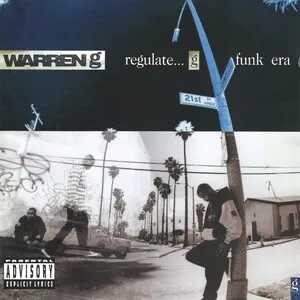
Regulate... G Funk Era
Warren G
G-Funk
Gangsta Rap
Hip Hop
Similar artists
5
/5
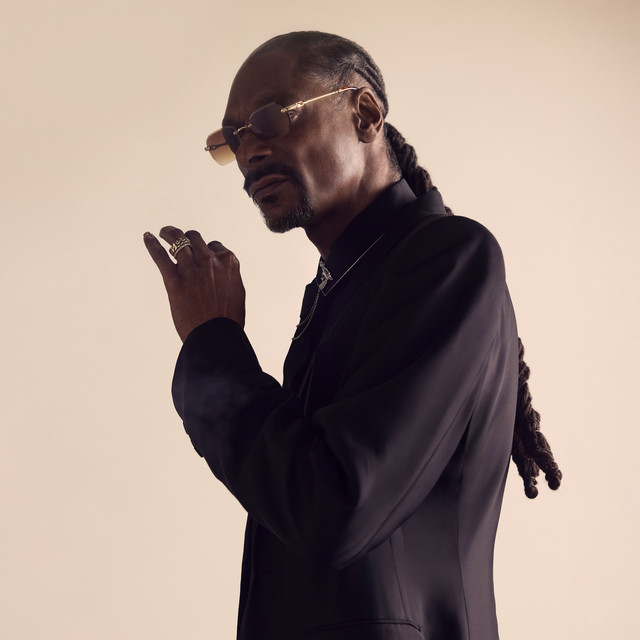
Snoop Dogg
G-Funk
Gangsta Rap
Hip Hop
5
/5
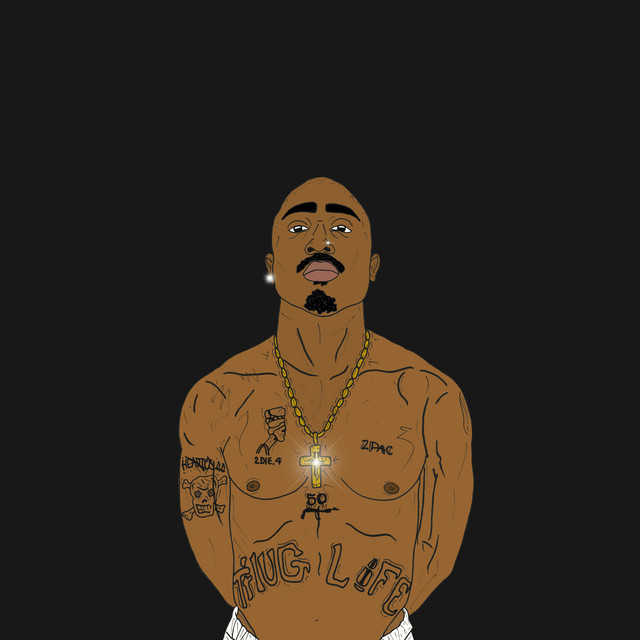
2Pac
G-Funk
Hip Hop
Gangsta Rap
5
/5
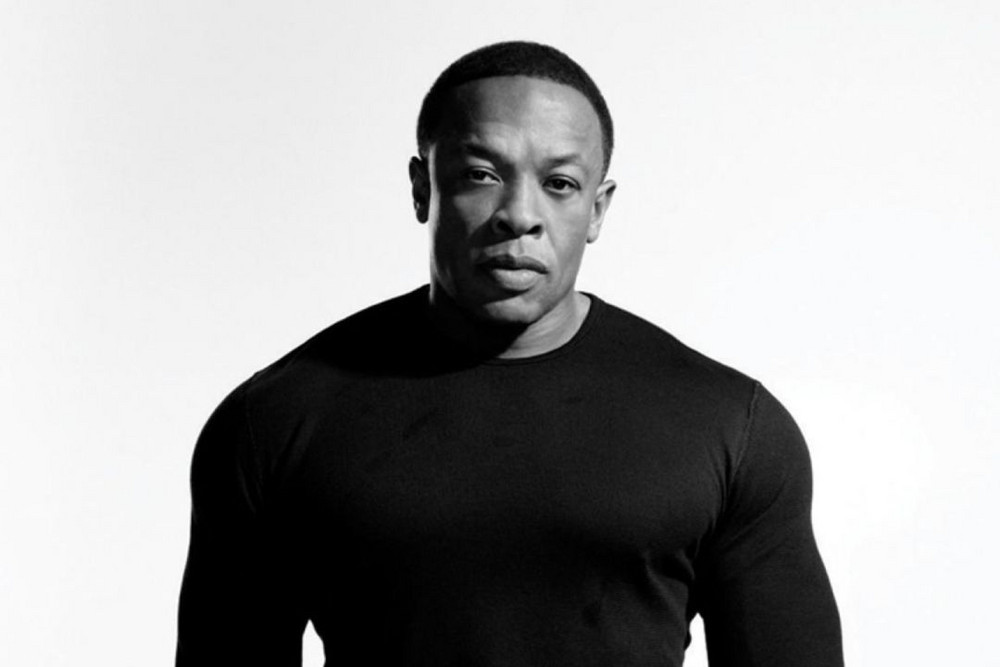
Dr. Dre
G-Funk
Hip Hop
Gangsta Rap
4
/5
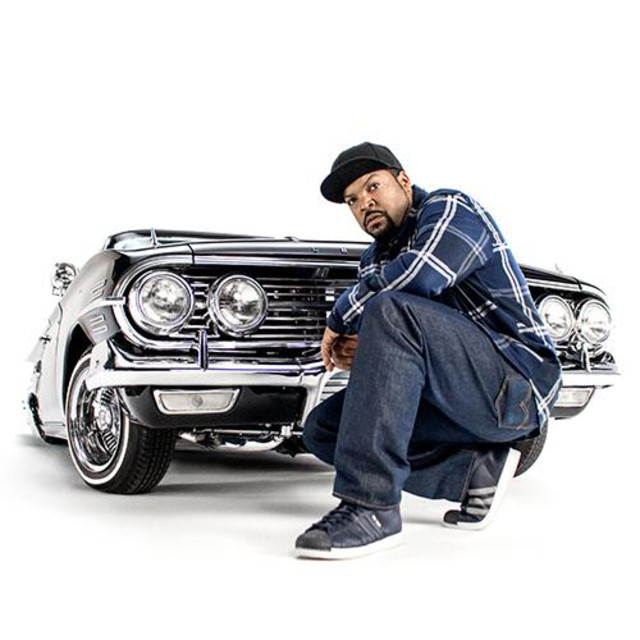
Ice Cube
G-Funk
Gangsta Rap
Hip Hop
4
/5
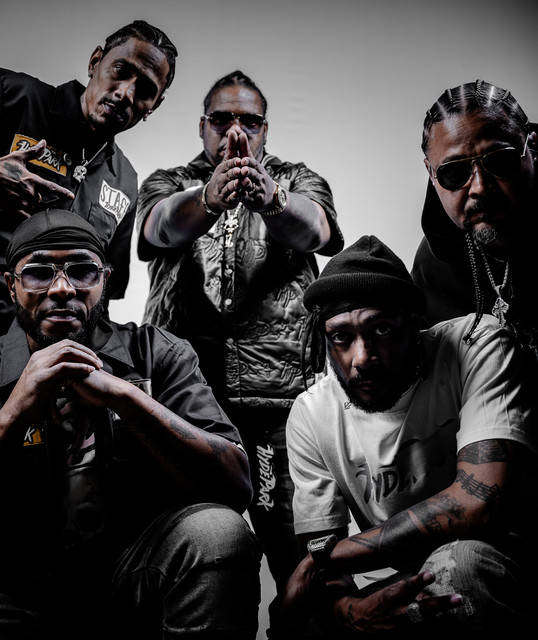
Bone Thugs-N-Harmony
Chopper
Gangsta Rap
G-Funk
4
/5
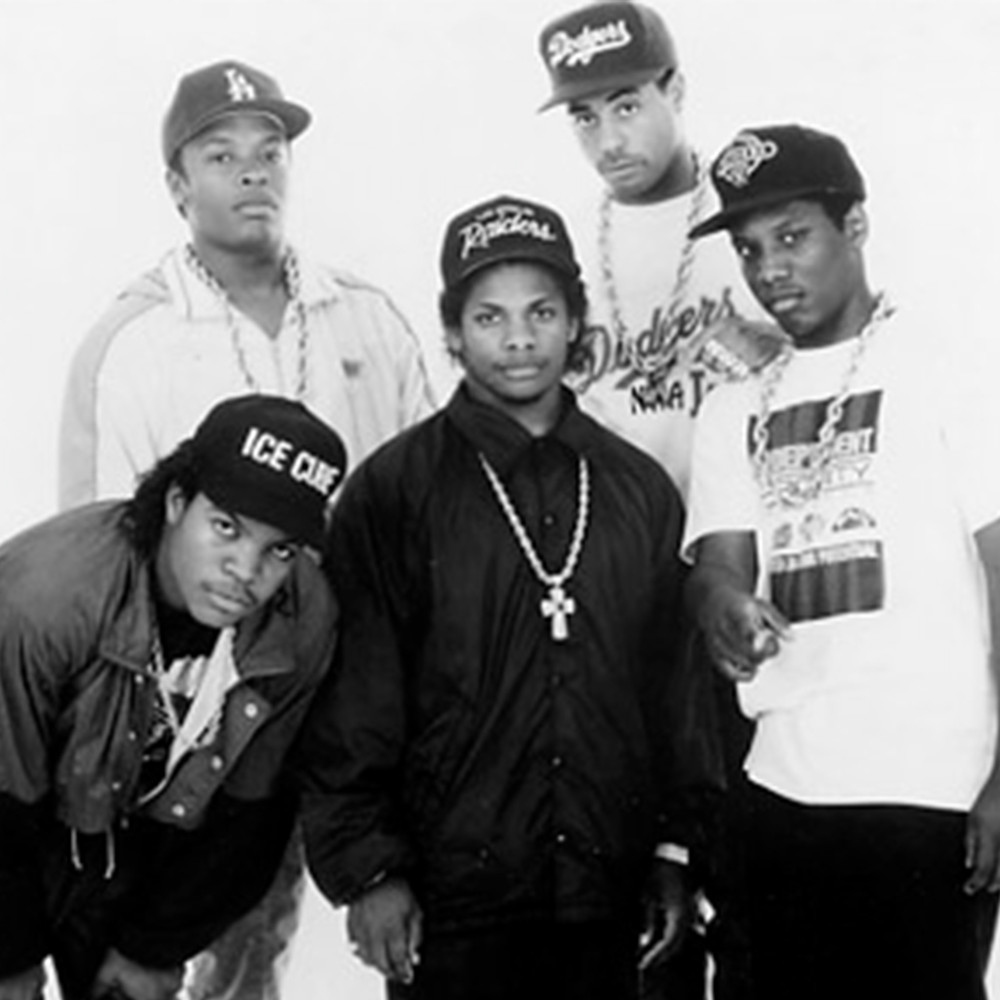
N.W.A.
Hip Hop
West Coast Hip Hop
G-Funk
3
/5
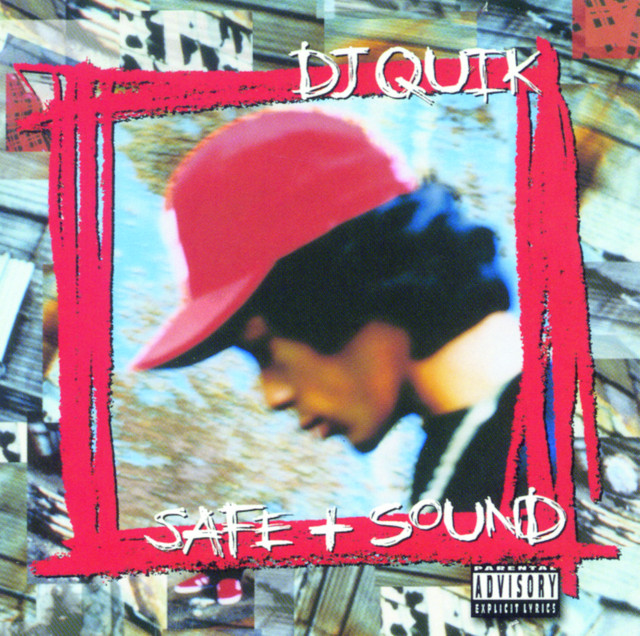
DJ Quik
G-Funk
Gangsta Rap
West Coast Hip Hop
3
/5
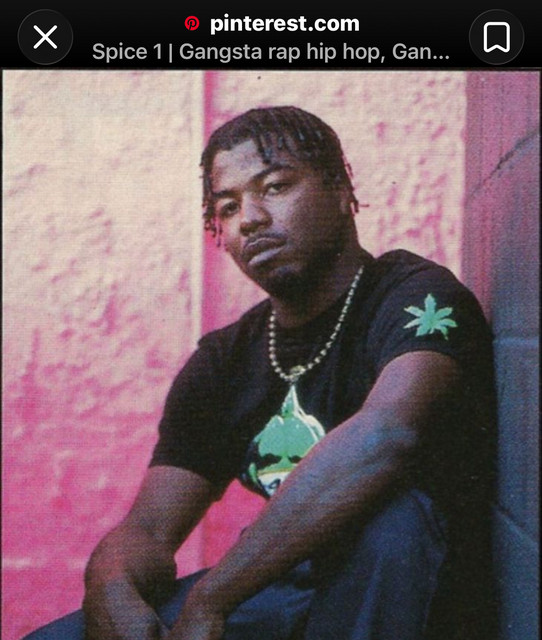
Spice 1
Gangsta Rap
West Coast Hip Hop
G-Funk
4
/5
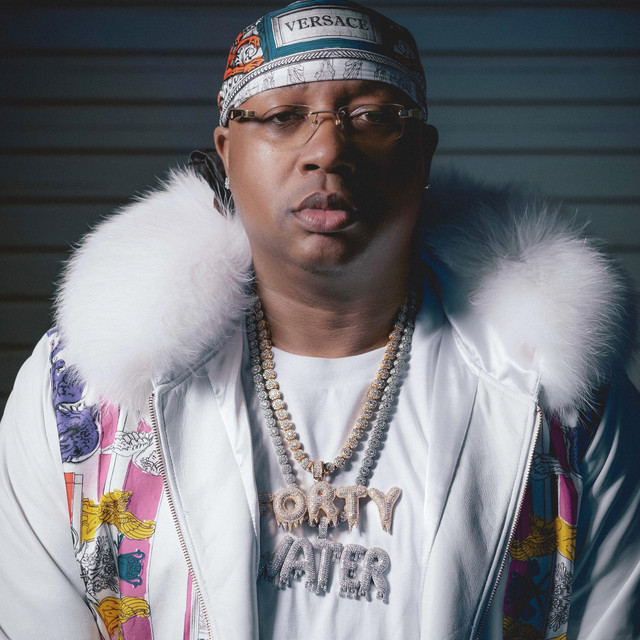
E-40
Hyphy
Gangsta Rap
Hip Hop
3
/5
Westside Connection
G-Funk
Gangsta Rap
West Coast Hip Hop
Download our mobile app
Get the Melodigging app and start digging for new genres on the go
Download on the App Store
Get it on Google Play
© 2026 Melodigging
Give feedback
Legal
Melodding was created as a tribute to
Every Noise at Once
, which inspired us to help curious minds keep digging into music's ever-evolving genres.