Genres
Artists
Albums
Make Music
Sign in
Sign in
Artists
Chopper
Artists
Chopper
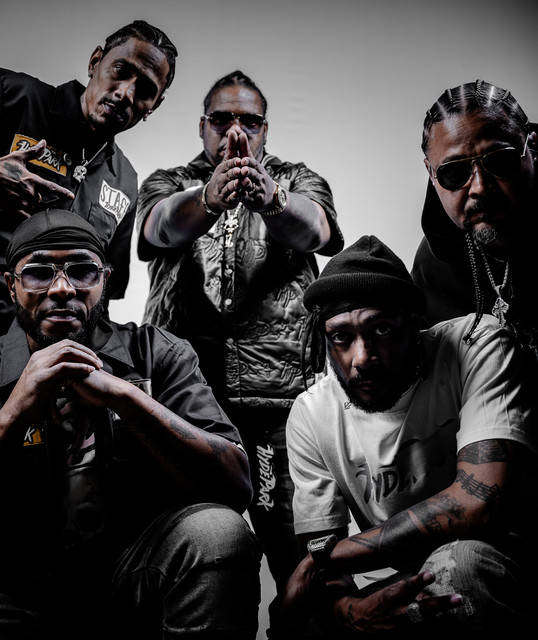
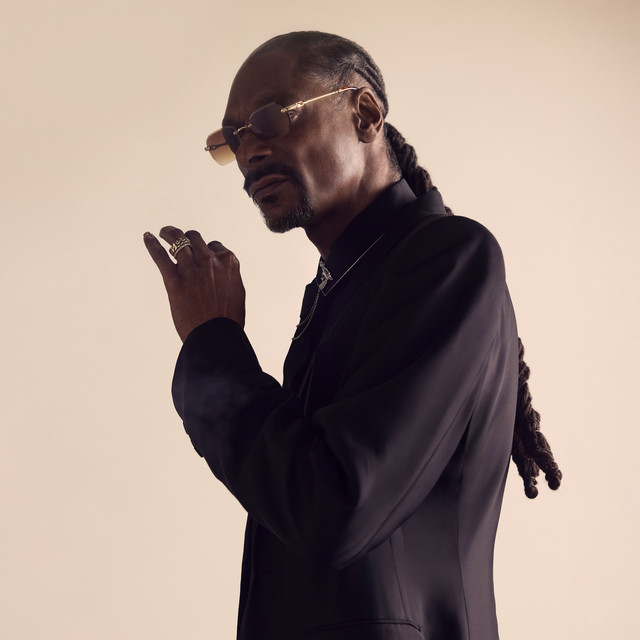
Bone Thugs-N-Harmony
1993–2015
·
8 albums
Listen
4
/5
Genres
Chill Drill
Chill drill is a mellow, melodic offshoot of UK drill that keeps the style’s distinctive sliding 808s, syncopated hi-hats, and snare-on-3 placement, but softens the overall timbre and mood. Instead of ominous synths and harsh textures, it leans on airy pads, Rhodes pianos, gentle guitar loops, and lo‑fi ambience. Vocals tend to be more introspective and tuneful, with sing-rap hooks, laid-back cadences, and reflective lyric themes (romance, ambition, day-to-day life). The result bridges drill’s rhythmic identity with chillhop and lo‑fi hip hop’s relaxed atmosphere, creating tracks that are both groove-driven and easy to live with.
Discover
Listen
Minatory
Minatory is an extreme, experimental strain of deathstep that pushes heaviness and unpredictability to the forefront. Its hallmark is an abrasive, distorted sound palette coupled with abrupt, sometimes jarring BPM switch‑ups that can leap between halftime lurches and double‑time assaults within a single drop. Producers favor hyper-saturated basses, asymmetrical rhythms, and sudden silences or glitch edits to heighten tension. The result is a hostile, cinematic form of bass music that blends the dread of dark ambient and industrial with the impact of tearout and the rhythmic elasticity of modern dubstep.
Discover
Listen
Aggressive Phonk
Aggressive phonk is a modern, hard‑hitting offshoot of phonk that pushes speed, distortion, and tension to the forefront. It retains the genre’s signature 808 cowbell leads and Memphis rap aesthetics, but emphasizes clipping bass, saturated drums, and driving tempos suited for high‑energy contexts like drifting videos and gym edits. Compared with classic or lo‑fi phonk, it is brighter in the high end, heavier in the low end, and more relentless in rhythm. Producers favor short, repetitive motifs, minor‑key harmony, and punchy drops that translate well to social media and streaming platforms.
Discover
Listen
Dungeon Rap
Dungeon rap is a dark, internet-born microgenre that fuses the gloomy, medieval-fantasy atmospheres of dungeon synth with the rhythms, vocal cadences, and low‑end of underground trap and Memphis-influenced rap. Its sound is defined by lo-fi, reverb-soaked synth pads, organ or choir timbres, modal or minor-key melodies reminiscent of dungeon synth, and skeletal 808-driven drum patterns. Vocals (when present) are typically pitched-down, whispered, or deadpan, often dealing with occult, fantasy, and horror imagery. Producers frequently sample retro RPG soundtracks, black metal-adjacent ambient passages, or cassette-era dungeon synth, then anchor them with trunk-rattling subs and crispy hi-hat rolls. The genre coalesced online at the turn of the 2020s through Bandcamp/YouTube scenes and boutique labels, crystallizing a distinct aesthetic that feels equal parts crypt-ambient and street-level rap.
Discover
Listen
Hypertrance
Hypertrance is an internet-native fusion of modern trance and the maximalist, ultra-glossy aesthetics of the hyperpop ecosystem. It emphasizes euphoric supersaw leads, soaring pads, huge risers, and hard side‑chained kick–bass grooves, while borrowing hyperpop’s pitch‑shifted vocals, clipped loudness, and playful, self‑aware sound design. Typical tempos sit around 140–160 BPM with a 4/4 pulse, bright major‑key hooks, and breakdowns that explode into short, high‑impact drops. Producers frequently combine trance signifiers (gated pads, anthemic builds, arpeggios, 303/acid flourishes) with internet-era techniques (OTT compression, aggressive clipping, formant play, nightcore‑style vocal edits). The result feels at once nostalgic and futuristic: a rave ecstasy updated for the post‑SoundCloud, post‑PC Music generation.
Discover
Listen
Deep Southern Trap
Deep southern trap is a moody, bass-forward branch of Southern U.S. trap distinguished by subterranean 808 subs, sparse but hard-hitting drums, and minor-key, cinematic textures. It places atmosphere and low‑end pressure at the center, often pairing sliding 808s with ominous pads, bells, or plucked synths that leave ample space for the vocal. The tempo typically sits around 60–75 BPM (or 120–150 BPM double‑time), with half‑time bounce, triplet hi‑hat rolls, and tightly quantized snares/claps. Lyrically it ranges from street reportage and survival narratives to introspective, codeine‑slow melancholia—punctuated by ad‑libs and heavily processed vocals. The overall aesthetic is dark, weighty, and immersive, optimized as much for car systems as for headphones.
Discover
Listen
Gaming Edm
Gaming EDM is a bright, hook‑driven branch of electronic dance music tailored for online gaming, streaming, and creator culture. It blends festival‑ready drops and sidechained supersaws with melodic, video‑game–friendly timbres (arpeggiated leads, chip/8‑bit flourishes) and clean royalty-friendly production that sits well under voice chat or commentary. The songs are typically concise, high‑energy, and instantly catchy, engineered to loop well on streams and to sync to highlight reels and esports content.
Discover
Listen
Riddim Dubstep
Riddim dubstep is a minimalist, loop-driven branch of dubstep that emphasizes hypnotic repetition, half‑time drums, and lurching mid‑range bass motifs. Instead of flashy, constantly changing sound design, it focuses on a few tightly sculpted “wub” phrases that evolve through modulation, filtering, and subtle rhythmic variation. Rooted in UK sound‑system culture and the Jamaican concept of a reusable “riddim,” the style typically sits around 140 BPM, pairing a powerful sub with syncopated, percussive bass stabs. The overall feel is dark, bouncy, and relentlessly dance‑oriented—built for double‑drops, blends, and long DJ transitions on large rigs.
Discover
Listen
Tearout Brostep
Tearout brostep is a hyper-aggressive strain of brostep that emphasizes violently modulated midrange basses, high-impact drops, and rapid-fire switch‑ups. It typically runs at 140–150 BPM in half‑time, pairing chest‑punching snares with seismic subs and screeching or growling lead basses. Producers lean heavily on advanced wavetable/FMX sound design, serial resampling, multiband distortion, OTT-style compression, and tight sidechaining to create a wall of kinetic, metallic energy. Arrangements often feature cinematic intros, tension‑building risers, and whiplash-inducing call‑and‑response bass phrases designed for headbanging festival crowds.
Discover
Listen
Trap Soul
Trap soul is a fusion of contemporary R&B singing and songwriting with the sonic palette and rhythmic feel of trap. It features moody, minor‑key harmonies; airy pads and Rhodes/piano textures; deep 808 sub‑bass with glides; and skittering hi‑hat rolls and halftime drum patterns. Vocals often blend crooning and rapping, with intimate, confessional lyrics about love, heartbreak, desire, ambition, and late‑night introspection. The production is typically spacious and minimal, prioritizing atmosphere and groove over density. Subtle Auto‑Tune, layered ad‑libs, and lush reverbs/delays are common, giving tracks a nocturnal, cinematic feel.
Discover
Listen
Briddim
Briddim is a hybrid strain of bass music that fuses the lurching, loop-driven minimalism of riddim with the high-impact, sound-design-forward aggression of brostep. It typically runs at 140–150 BPM in half-time, placing a punchy snare on beat three and driving the groove with syncopated bass stabs and call‑and‑response motifs. Compared to classic riddim, briddim foregrounds complex, highly modulated bass patches, sharp fills, and cinematic builds borrowed from brostep and tearout. The drops tend to be heavier and more varied than traditional riddim, yet remain more pattern‑centric and hypnotic than typical brostep, hence the “bridge” quality implied by the name.
Discover
Listen
The Wave
The Wave is a loosely defined cluster of American post-hardcore/emo bands that surged in the early 2010s as emo-pop’s mainstream moment faded. The name was a tongue‑in‑cheek scene tag that stuck in press coverage, but it points to a real overlap in sound, ethos, and touring networks. Musically, The Wave fuses the urgency of 1990s post‑hardcore and screamo with confessional, literate lyric writing associated with emo. Expect shouted or half‑sung/half‑spoken vocals, dynamic quiet‑loud builds, intricate but driving drums, and guitar textures that shift between glassy clean arpeggios and overdriven, emotive climaxes. The songs often emphasize catharsis, narrative detail, and community-minded DIY presentation.
Discover
Listen
Bossbeat
Bossbeat is an internet‑born, high‑octane branch of EDM tailored to evoke the intensity of a video‑game “boss fight.” Producers fuse modern dubstep and trap sound design with melodic, leitmotif‑driven writing borrowed from video game music and film scoring, aiming for cinematic build‑ups and explosive, riff‑like drops. Characteristic features include minor‑key motifs, fast and syncopated percussion, halftime switch‑ups, aggressive bass design (growls, reeses, metallic FM), and hybrid orchestral layers (brass stabs, choirs, epic drums). The result is music that feels both dance‑floor ready and narratively dramatic—perfect for action montages, game content, and creator culture.
Discover
Listen
Classify
Classify is a streaming-era microgenre that blends light classical technique with contemporary pop repertoire, typically presented as unobtrusive instrumental covers. It prioritizes soft dynamics, gentle tempos, and intimate recording to create a calm, elegant backdrop suitable for studying, working, or events. Most arrangements are for solo piano, string quartet, cello/piano duos, or small chamber ensembles. Harmonies remain diatonic and consonant, melodies are clearly voiced, and textures favor arpeggios, ostinati, and sustained legato lines. The overall aesthetic borrows from modern classical and new age moods while retaining the familiarity of pop song forms.
Discover
Listen
Westcoast Flow
Westcoast flow is a modern West Coast hip-hop performance style centered on a distinctly California rhythmic “pocket”: relaxed-but-snappy delivery, conversational cadence, and heavy use of syncopation that makes the rapper ride slightly behind or around the beat. Compared with earlier West Coast approaches (e.g., G-funk’s laid-back swing or Bay Area hyphy’s party bounce), westcoast flow is often tighter and more minimal, pairing nimble, slippery phrasing with contemporary trap-adjacent drums, icy synth motifs, and punchy 808s. The identity of the style is carried less by specific instruments and more by the rapper’s timing, articulation, and attitude: clipped consonants, elastic bar lengths, quick internal rhymes, and frequent on-beat/off-beat pivots that emphasize groove over melodic singing.
Discover
Listen
Neurostep
Neurostep is a hybrid subgenre that merges the sound‑design intensity of neurofunk drum & bass with the halftime groove and weight of dubstep. Typically sitting around 140 BPM (sometimes 150), it emphasizes intricate, constantly morphing bass timbres, razor‑edged transients, and tightly engineered drops. Compared to classic dubstep, neurostep is less about sparse wobble basses and more about complex, resampled, FM/phase‑modulated bass layers that evolve bar by bar. The drums are punchy and surgical—kicks carve through dense low‑end, snares land hard on the third beat, and ghosted percussion and glitch fills keep momentum between phrases. Its overall aesthetic is dark, technical, and cinematic: dystopian atmospheres, granular textures, and call‑and‑response bass motifs are common, while breakdowns often showcase sound‑design detail and tension before a precision‑engineered drop.
Discover
Listen
Pov: Indie
"pov: indie" is a social-media-native microstyle built around short, cinematic indie-pop/indie-rock snippets designed to accompany a first-person (POV) narrative. Instead of being defined by a single new musical technique, it is defined by context: the music is chosen or written to feel like the soundtrack to a specific moment (a crush, a late-night walk, moving to a new city, seasonal nostalgia). Sonically it typically uses bright but soft guitars or synths, intimate vocals, simple memorable hooks, and production that reads clearly on phone speakers. The emotional tone is often wistful, tender, and “coming-of-age,” with lyrics that can be understood quickly in a 10–30 second clip.
Discover
Listen
Chopper
Chopper (or chopper rap) is a hip‑hop style defined by extremely fast, rhythmically precise rapping delivered in tightly packed syllable clusters. It typically rides mid‑tempo, often R&B‑tinged or boom‑bap beats at 70–95 BPM while the emcee performs in double‑time or even triple‑time, creating the impression of 140–190 BPM flows. Signature traits include breath‑control feats, crisp articulation, heavy internal rhyme and alliteration, and resonant, often sung or anthemic hooks to contrast the dense verses. While early instances of rapid‑fire flows appeared on the U.S. East Coast in the late 1980s, the style was codified in the American Midwest during the 1990s and then spread nationally and internationally in the 2000s.
Discover
Listen
G-Funk
G-funk (short for "gangsta-funk") is a West Coast hip hop style that blends gangsta rap lyricism with the smooth, melodic grooves of 1970s funk, especially the Parliament-Funkadelic (P-Funk) tradition. It is characterized by slow-to-mid tempos, warm and heavy basslines, lush chords, prominent high-pitched synth leads (often Moog-style whistles), talkbox/vocoder hooks, and relaxed, behind-the-beat drum programming. The sound feels laid-back and summery even when the subject matter is gritty, pairing street narratives with feel-good, bass-driven bounce. G-funk defined the early-to-mid 1990s Los Angeles sound—popularized by Dr. Dre, Snoop Dogg, Warren G, and Nate Dogg—and became one of the most commercially successful and widely recognizable flavors of hip hop.
Discover
Listen
Horrorcore
Horrorcore is a subgenre of hip hop defined by its fixation on dark, violent, and occult imagery, delivered through menacing flows, brooding production, and cinematic sound design. It often blurs the line between pulp-horror storytelling and social or psychological commentary, adopting personas that heighten shock value while exploring fear, trauma, or taboo themes. Musically, horrorcore favors minor keys, dissonant intervals, and eerie samples—think detuned pianos, church organs, creaking doors, screams, and snippets from horror films—over hard, bass-heavy drums. The result is an atmosphere that feels claustrophobic and threatening, yet theatrically stylized, evoking the mood of slasher movies and cult horror soundtracks.
Discover
Listen
Gangsta Rap
Gangsta rap is a subgenre of hip hop defined by its gritty, street-level storytelling, first‑person narration, and unflinching depictions of crime, policing, poverty, and survival. It foregrounds a hard-hitting vocal delivery over sparse, heavy drum programming and sample-based grooves. Musically, it draws from the foundational elements of hip hop—looped breaks, funk basslines, and turntable aesthetics—while emphasizing menace, swagger, and cinematic detail. Lyrically, it alternates between reportage, braggadocio, social commentary, and personal testimony, often sparking controversy for its explicit content and political provocations. From mid‑1980s origins through the 1990s mainstream, gangsta rap reshaped both the sound and business of hip hop, influencing fashion, language, and global perceptions of urban America.
Discover
Listen
Hardcore Hip Hop
Hardcore hip hop is a confrontational, uncompromising strain of rap defined by aggressive vocal delivery, hard-hitting drum programming, and stark, sample-driven production. It prioritizes intensity over gloss, often minimizing melody in favor of dense drum breaks, sirens, noise textures, and dissonant stabs. Lyrically, it spans street reportage, social realism, political critique, and battle-ready braggadocio. The aesthetic foregrounds rawness—distorted drums, clipped samples, shouted hooks, and posse energy—while drawing deeply from funk and soul breakbeats, DJ techniques, and the boom-bap tradition.
Discover
Listen
Hip Hop
Hip hop is a cultural and musical movement that emerged from Black, Latino, and Caribbean communities, centering around rapping (MCing), DJing/turntablism, sampling-based production, and rhythmic speech over beats. It prioritizes groove, wordplay, and storytelling, often reflecting the social realities of urban life. Musically, hip hop is built on drum-centric rhythms (from breakbeats to 808 patterns), looped samples, and bass-forward mixes. Lyrically, it ranges from party anthems and braggadocio to political commentary and intricate poetic forms, with flow, cadence, and rhyme density as core expressive tools. Beyond music, hip hop encompasses a broader culture, historically intertwined with graffiti, b-boying/b-girling (breakdance), fashion, and street entrepreneurship, making it both an art form and a global social language.
Discover
Listen
Old School Hip Hop
Old school hip hop is the earliest commercially recorded form of hip hop and the original template for the culture’s recorded sound. The term generally refers to music made from the early Bronx party era of 1973 through roughly 1983, before the harder, more sample‑dense “new school” sound took hold. Musically, it centers on extended breakbeats drawn from funk and disco records, live turntable techniques (cutting, backspinning, and early scratching), simple but infectious drum programming (often with the TR‑808), and crowd‑engaging MC routines. Rapping tends to feature clear enunciation, party chants, call‑and‑response, braggadocio, and narrative vignettes, delivered over steady 4/4 grooves in the 95–112 BPM range. Culturally, old school hip hop grew out of DJ‑led block parties, b‑boy/b‑girl dance breaks, and the Jamaican sound‑system tradition, and it codified the core pillars of the hip hop ethos: DJing, MCing, breaking, and graffiti.
Discover
Listen
Show all 24 genres
Albums
2015
3
/5
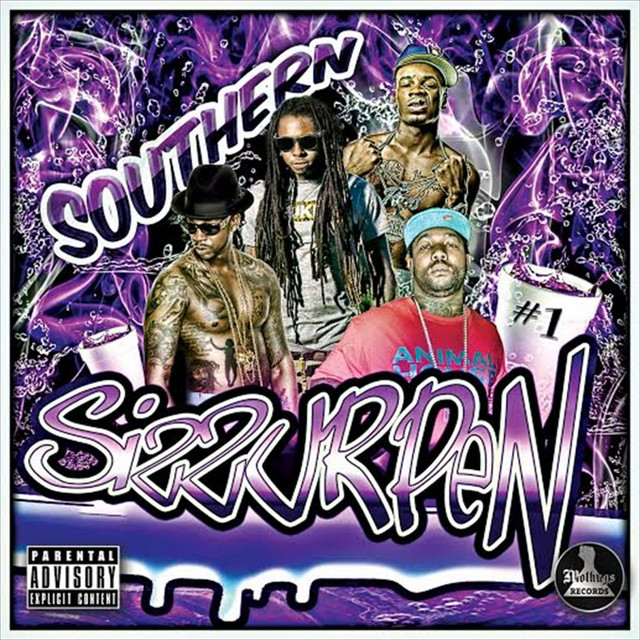
Southern Sizzurpen #1
Bone Thugs-N-Harmony
Old School Hip Hop
2007
4
/5
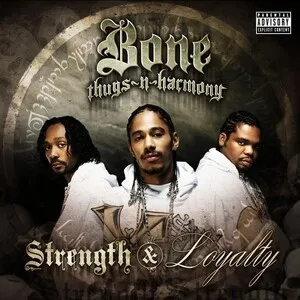
Strength & Loyalty
Bone Thugs-n-Harmony
Chopper
Gangsta Rap
Hip Hop
2000
3
/5
BTNHResurrection
Bone Thugs-n-Harmony
Chopper
1995
4
/5
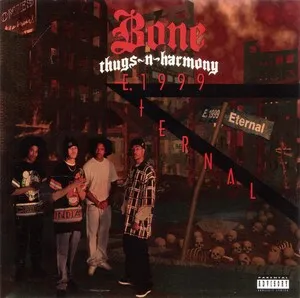
E. 1999 Eternal
Bone Thugs-n-Harmony
Chopper
Gangsta Rap
Hip Hop
1993
2
/5
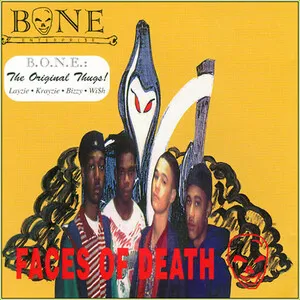
Faces of Death
B.O.N.E. Enterpri$e
Chopper
G-Funk
Gangsta Rap
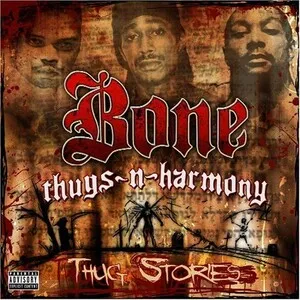
Thug Stories
Bone Thugs-n-Harmony
Chopper
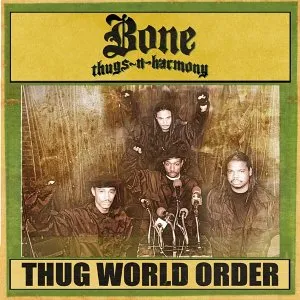
Thug World Order
Bone Thugs-n-Harmony
Chopper
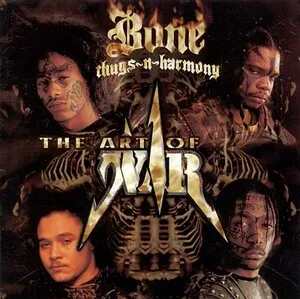
The Art of War
Bone Thugs-n-Harmony
Chopper
Similar artists
5
/5
Snoop Dogg
G-Funk
Gangsta Rap
Hip Hop
5
/5
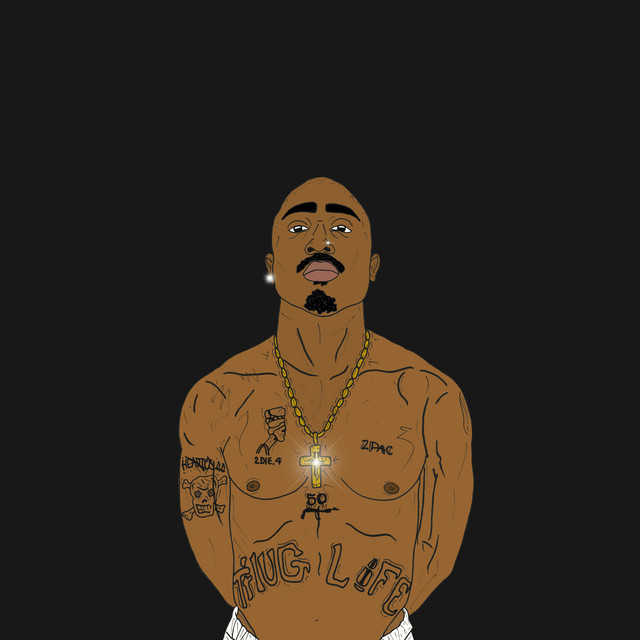
2Pac
G-Funk
Hip Hop
Gangsta Rap
4
/5
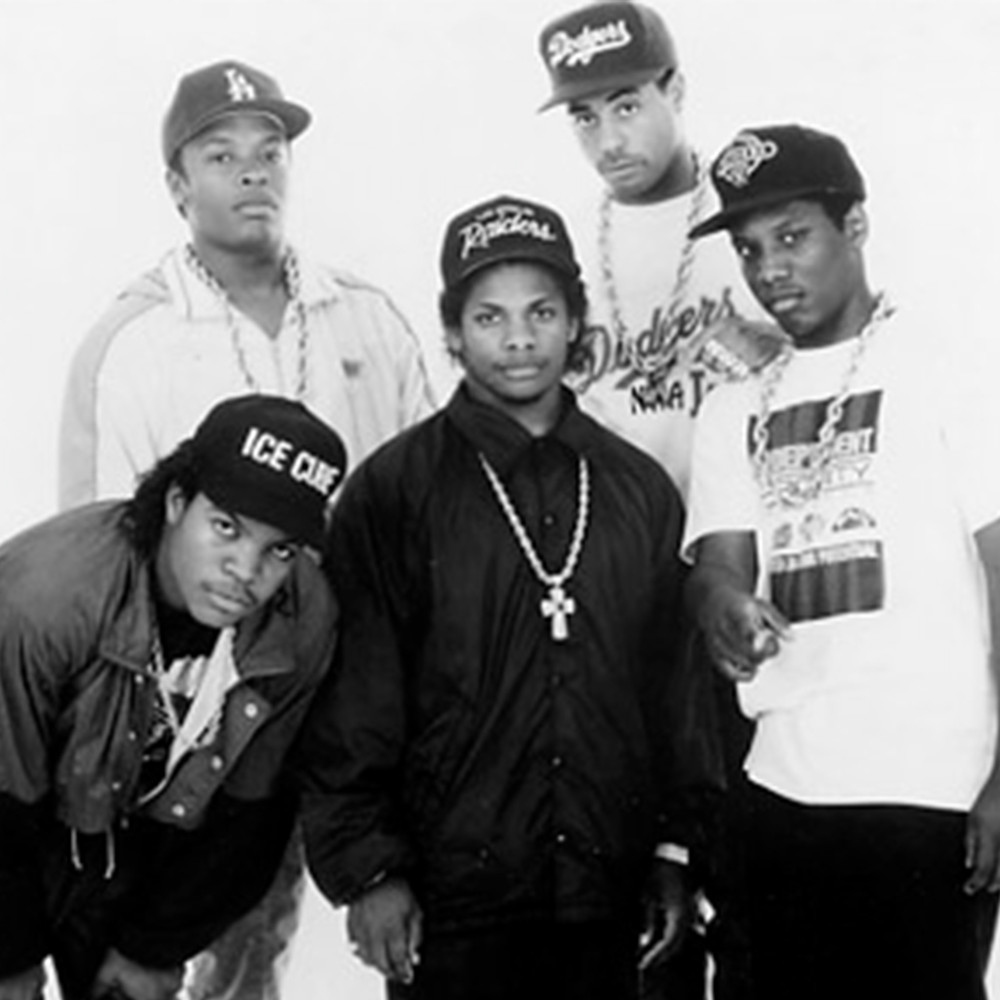
N.W.A.
Hip Hop
West Coast Hip Hop
G-Funk
5
/5
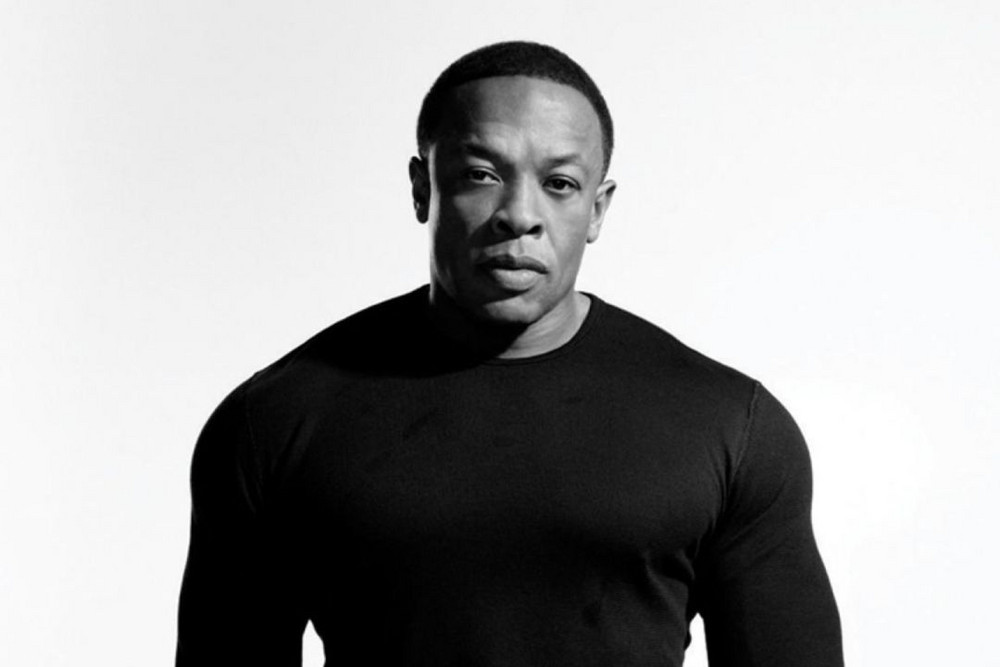
Dr. Dre
G-Funk
Hip Hop
Gangsta Rap
4
/5
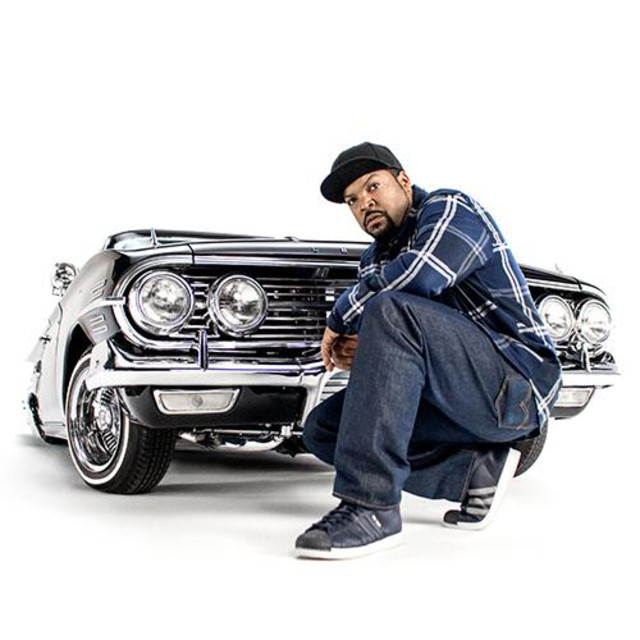
Ice Cube
G-Funk
Gangsta Rap
Hip Hop
4
/5
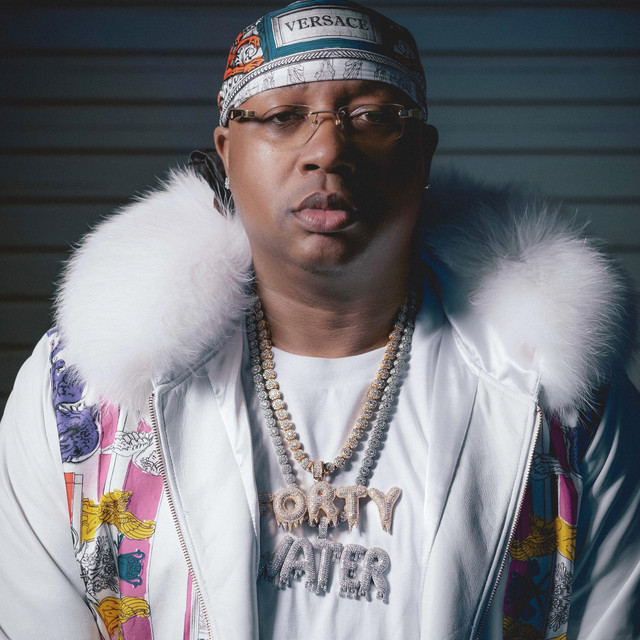
E-40
Hyphy
Gangsta Rap
Hip Hop
3
/5
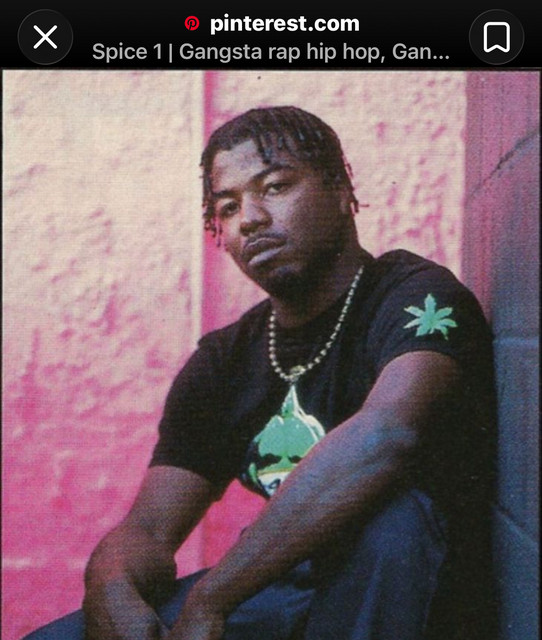
Spice 1
Gangsta Rap
West Coast Hip Hop
G-Funk
3
/5
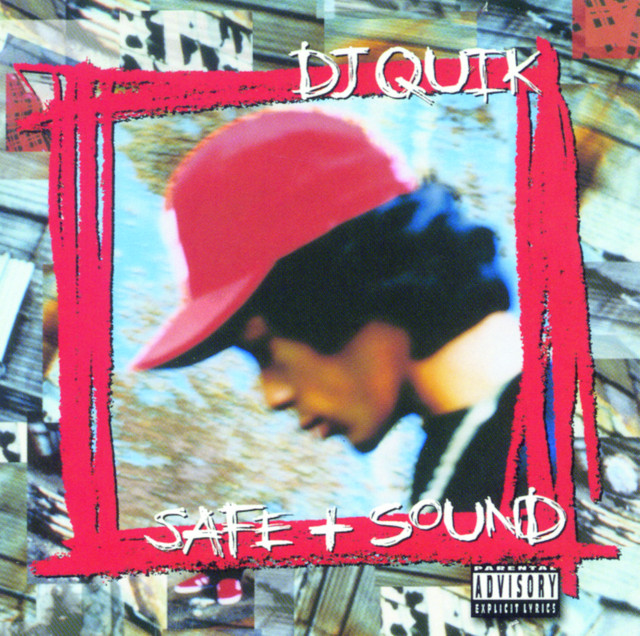
DJ Quik
G-Funk
Gangsta Rap
West Coast Hip Hop
4
/5
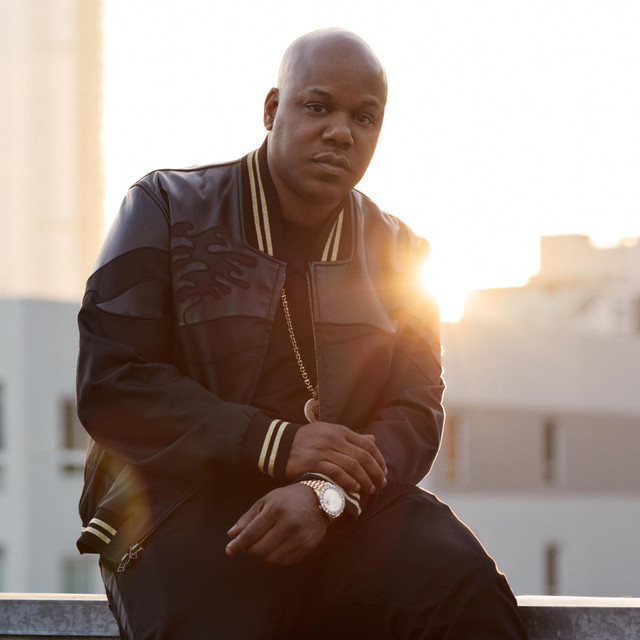
Too $hort
West Coast Hip Hop
Gangsta Rap
Hip Hop
3
/5
Makaveli
G-Funk
Gangsta Rap
Old School Hip Hop
Download our mobile app
Get the Melodigging app and start digging for new genres on the go
Download on the App Store
Get it on Google Play
© 2026 Melodigging
Give feedback
Legal
Melodding was created as a tribute to
Every Noise at Once
, which inspired us to help curious minds keep digging into music's ever-evolving genres.