Genres
Artists
Albums
Make Music
Sign in
Sign in
Artists
Classical
Artists
Classical
Vladimir Horowitz
1951–1978
·
2 albums
Listen
3
/5
Genres
432hz
432hz is a wellness-oriented ambient/New Age micro-genre built around tuning music to the alternative concert pitch A=432 Hz instead of the modern standard A=440 Hz. In practice, 432hz releases are largely instrumental, slow-tempo, and reverb-rich, combining soft pads, drones, gentle piano, bowls/chimes, and nature sounds. Tracks are marketed for relaxation, meditation, yoga, sleep, and "energy" or "chakra" work, and are frequently tagged with wellness keywords. While advocates claim psychoacoustic or physiological benefits from 432 Hz tuning, these claims remain unproven; the sound signature audiences respond to is the calm production, consonant harmony, and spacious mixing typical of ambient and New Age music. As a streaming-native style, 432hz thrives on platforms like YouTube and Spotify where long-form background listening, SEO-friendly titling, and looping visuals support use-cases such as study, mindfulness, and sleep.
Discover
Listen
Pianissimo
Pianissimo is a contemporary micro‑genre centered on very soft, intimate piano music designed for calm focus, rest, and reflection. It borrows the classical dynamic marking “pp” (very soft) as an aesthetic principle: close‑miked, felt‑damped pianos, sparse harmonies, slow tempos, and generous ambience. Emerging alongside the streaming era’s focus/sleep/reading playlists, the style sits between post‑classical minimalism and ambient music. Pieces are typically short miniatures, diatonic and melodic, with unobtrusive movement—music that can live comfortably in the background yet rewards attentive listening. Occasional cello or soft strings, subtle tape hiss, and long reverbs are common textural companions. Historically it traces a line from Satie’s quiet piano idiom and the American minimalist school to the 2000s–2010s “neo‑classical” wave (Einaudi, Frahm, Arnalds), but with an explicitly hushed, domestic sound that foregrounds tenderness, space, and restraint.
Discover
Listen
Neoromanticism
Neoromanticism is a modern redevelopment of 19th-century Romantic musical language within the context of 20th-century art music. It revives expressive melody, expanded lyricism, emotional contrast, rich orchestral color, and large-scale formal thinking associated with Romanticism, but does so with modern techniques such as polytonality, advanced chromaticism, structural compression or expansion, and a post-Expressionist harmonic sensibility. Unlike straightforward historic imitation, neoromanticism reinterprets Romantic idioms through a modern lens. It is informed by, but distinct from, Expressionism: it often preserves emotional intensity and harmonic ambiguity while placing greater emphasis on continuity, beauty of line, and renewed engagement with tonal or quasi-tonal reference points. The style is especially associated with 20th-century and later concert music in which composers sought a return to expressive immediacy after the radical fragmentation of early modernism, while still retaining modern complexity.
Discover
Listen
Late Romantic Music
Late Romantic music refers to the final flowering of 19th‑century Romanticism, roughly from the 1870s to the early 1910s. It is marked by expansive forms, heightened expressivity, and a push toward the limits of tonal harmony and orchestral color. Characteristic sounds include long‑spun, soaring melodies; rich, chromatic harmonies that frequently delay or blur cadences; and sumptuous orchestration with enlarged brass, winds, strings, and expanded percussion, plus coloristic additions such as harp, celesta, and organ. Programmatic content (narrative or pictorial ideas), leitmotivic technique (recurring thematic identifiers), and a taste for the monumental (grand symphonies, tone poems, and operas) are all hallmarks. Aesthetically, the style embraces emotional intensity—from intimate lyrical tenderness to apocalyptic grandeur—and often fuses national idioms with a pan‑European, Wagner‑ and Liszt‑inflected harmonic language. In pushing tonality to its breaking point, Late Romanticism paved the way for Post‑Romanticism, Impressionism, and early Modernism.
Discover
Listen
Classical Piano
Classical piano is the tradition of composing and performing music for the acoustic piano within the Western classical lineage. It emphasizes formal clarity, tonal harmony, contrapuntal writing, and expressive nuance across the full compass of the instrument. Its core repertoire ranges from Classical-era sonatas and variations to Romantic character pieces, études, dances, and 20th-century impressionistic and modernist works. Pianists exploit dynamics, articulation, pedaling, and touch to shape phrases, imitate orchestral textures, and project both intimate lyricism and large-scale drama.
Discover
Listen
Classical
Classical music is the notated art-music tradition of Europe and its global descendants, characterized by durable forms, carefully codified harmony and counterpoint, and a literate score-based practice. The term “classical” can refer broadly to the entire Western art-music lineage from the Medieval era to today, not just the Classical period (c. 1750s–1820s). It privileges long-form structures (such as symphonies, sonatas, concertos, masses, and operas), functional or modal harmony, thematic development, and timbral nuance across ensembles ranging from solo instruments to full orchestras and choirs. Across centuries, the style evolved from chant and modal polyphony to tonal harmony, and later to post-tonal idioms, while maintaining a shared emphasis on written notation, performance practice, and craft.
Discover
Listen
Western Classical
Western classical is the notated art-music tradition that developed in Europe from medieval Christian chant into the large-scale secular and sacred forms of the Baroque, Classical, Romantic, and modern eras. It is characterized by staff notation, evolving systems of modality and tonality, and forms such as symphony, sonata, concerto, mass, opera, and chamber music. Across its history, Western classical established an extensive theory of harmony and counterpoint, refined orchestration across strings, winds, brass, and percussion, and cultivated performance practices from a cappella chant to full symphonic and operatic forces. Its repertoire, pedagogy, and institutions (conservatories, orchestras, opera houses) made it a global reference point for compositional craft and instrumental technique.
Discover
Listen
Show all 7 genres
Albums
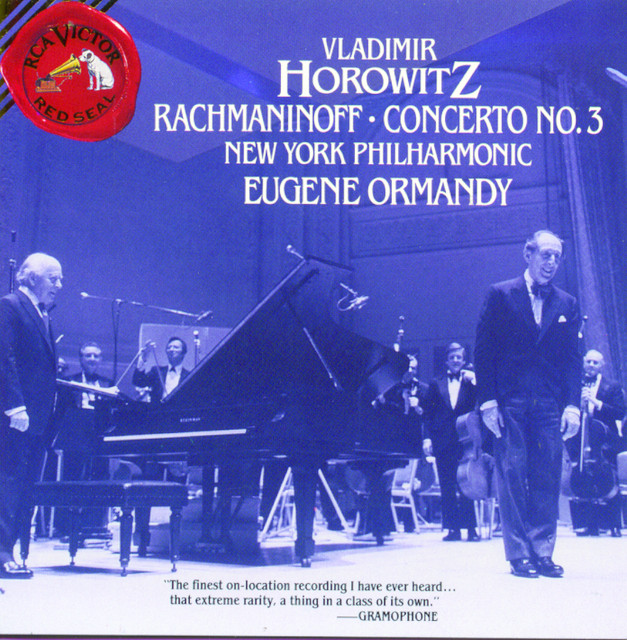
1978
Rachmaninoff Concerto No. 3
Sergei Rachmaninoff, Vladimir Horowitz
Neoromanticism
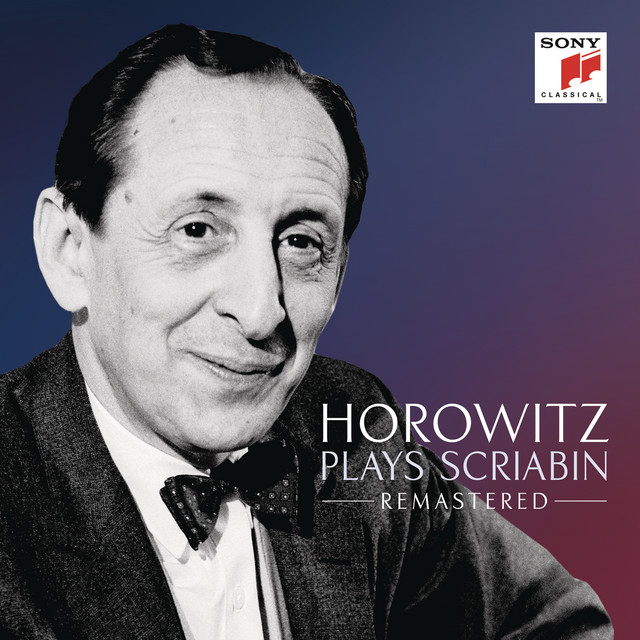
1951
Horowitz Plays Scriabin (Remastered)
Alexander Scriabin, Vladimir Horowitz
Late Romantic Music
Similar artists
Hide discovered
4
/5
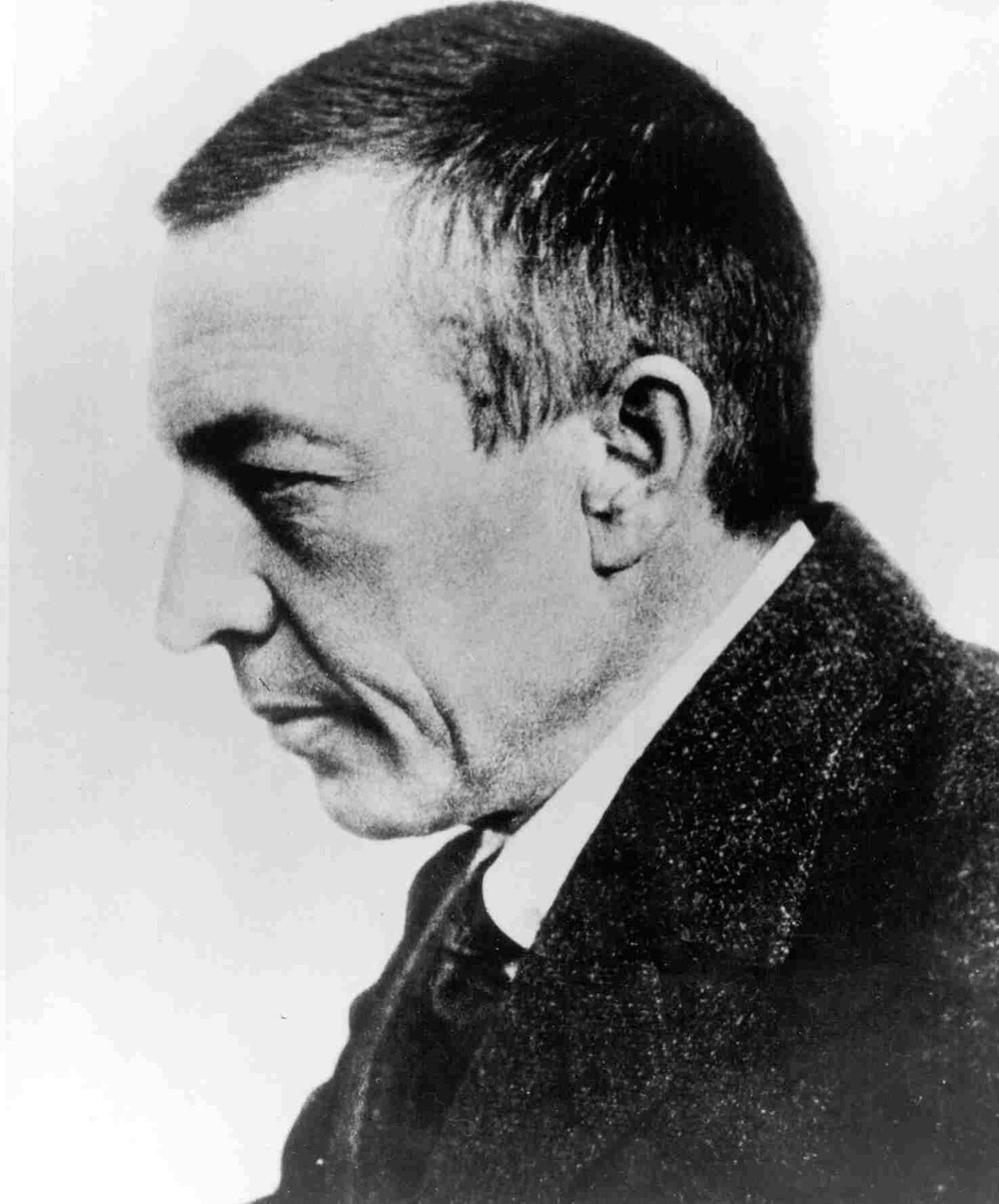
Sergei Rachmaninoff
Classical
Moscow School
Concerto
4
/5
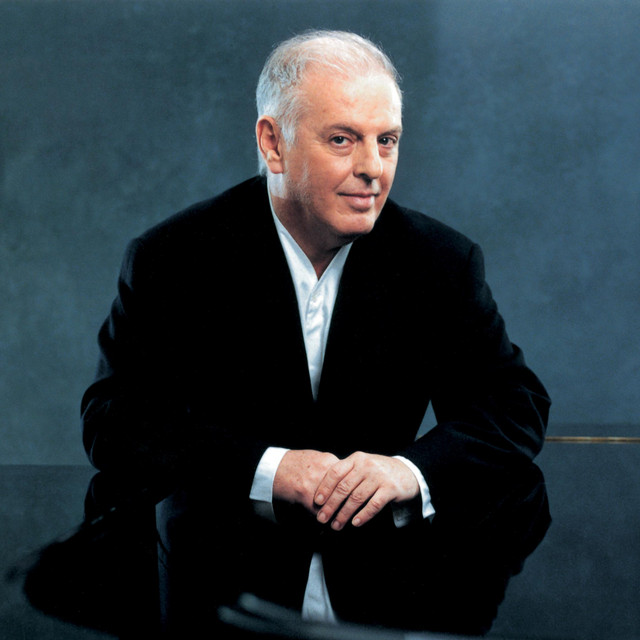
Daniel Barenboim
Classical
Concerto
Opera
3
/5
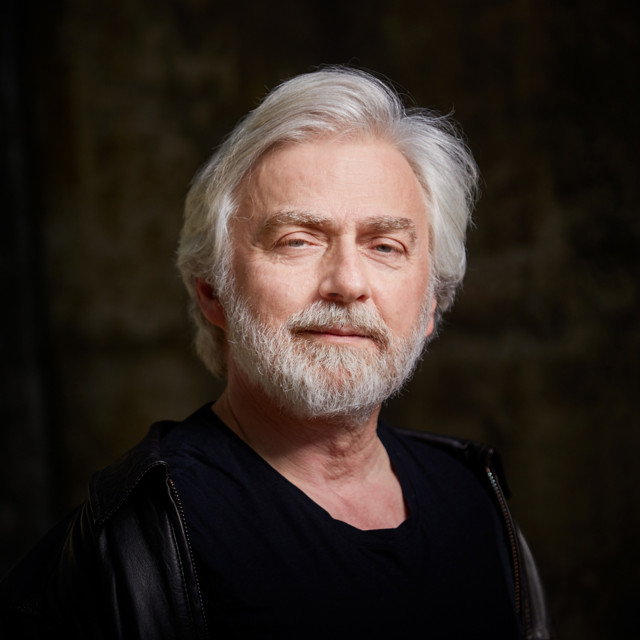
Krystian Zimerman
Classical
Concerto
Impressionism
4
/5
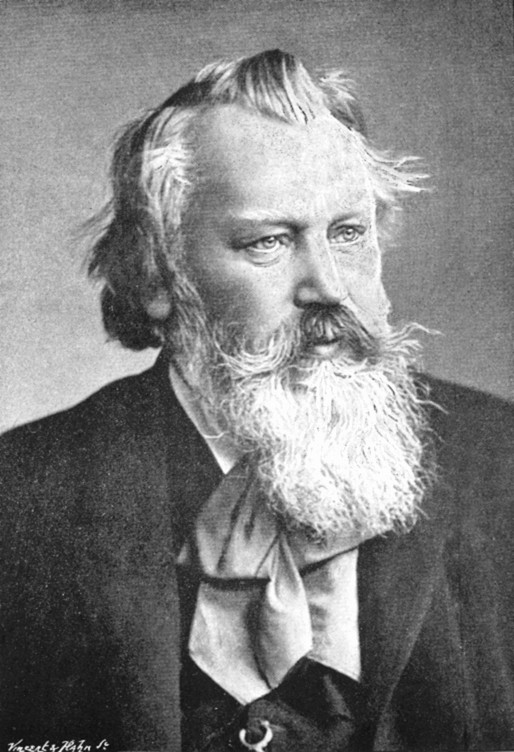
Johannes Brahms
Classical
Classical Clarinet
Classical Piano Quartet
3
/5
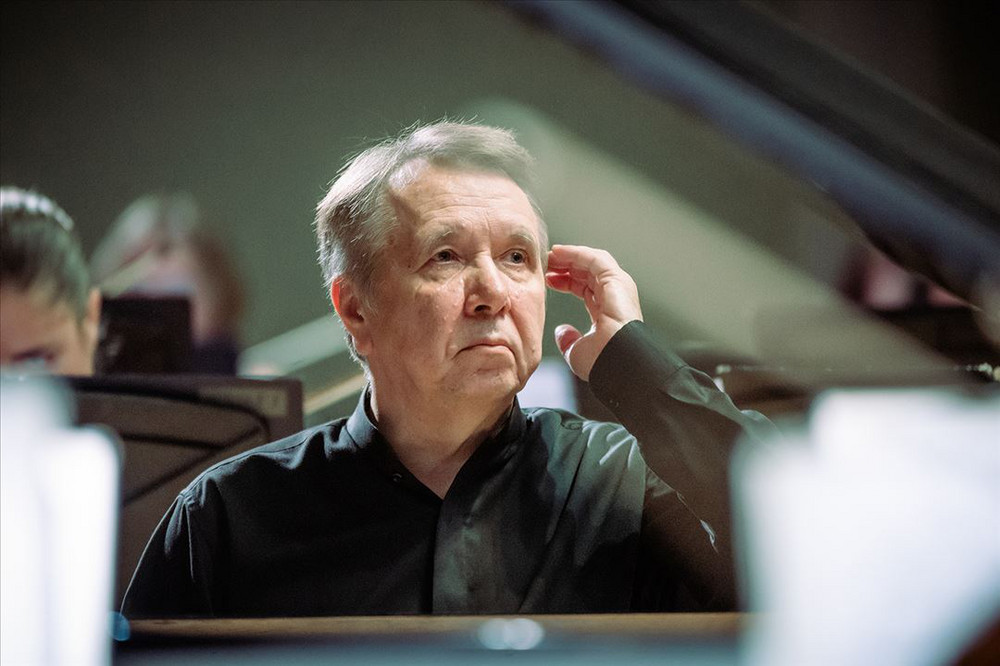
Mikhail Pletnev
Classical
Orchestral
Symphony
3
/5
Daniil Trifonov
Classical
Classical Piano
Concerto
3
/5
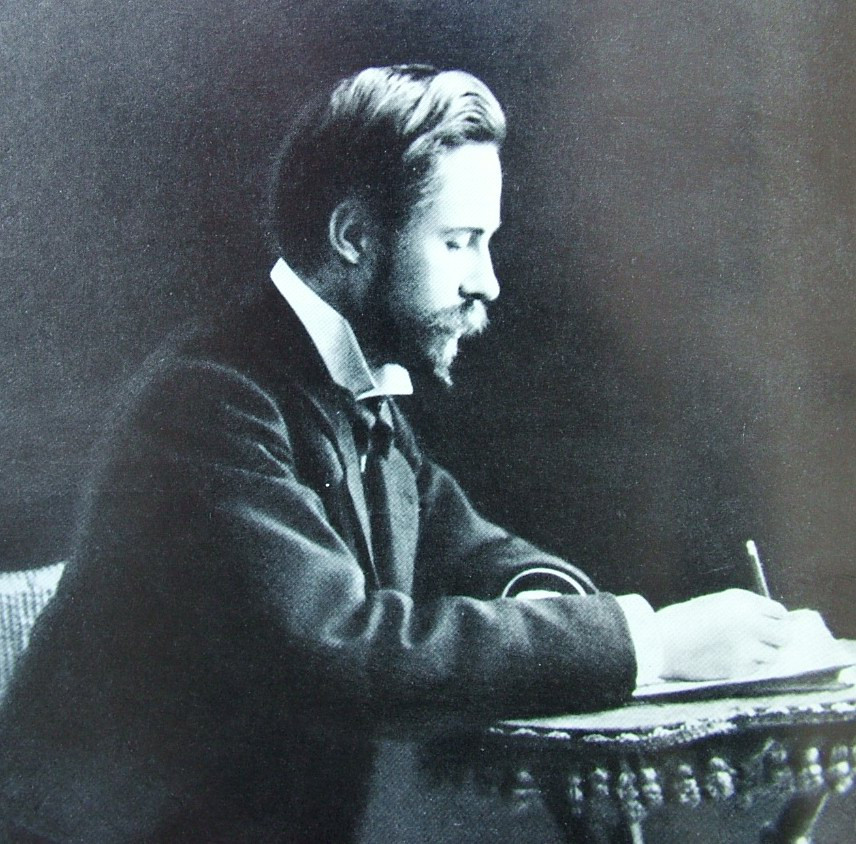
Alexander Scriabin
Classical
Late Romantic Music
Mazurka
3
/5
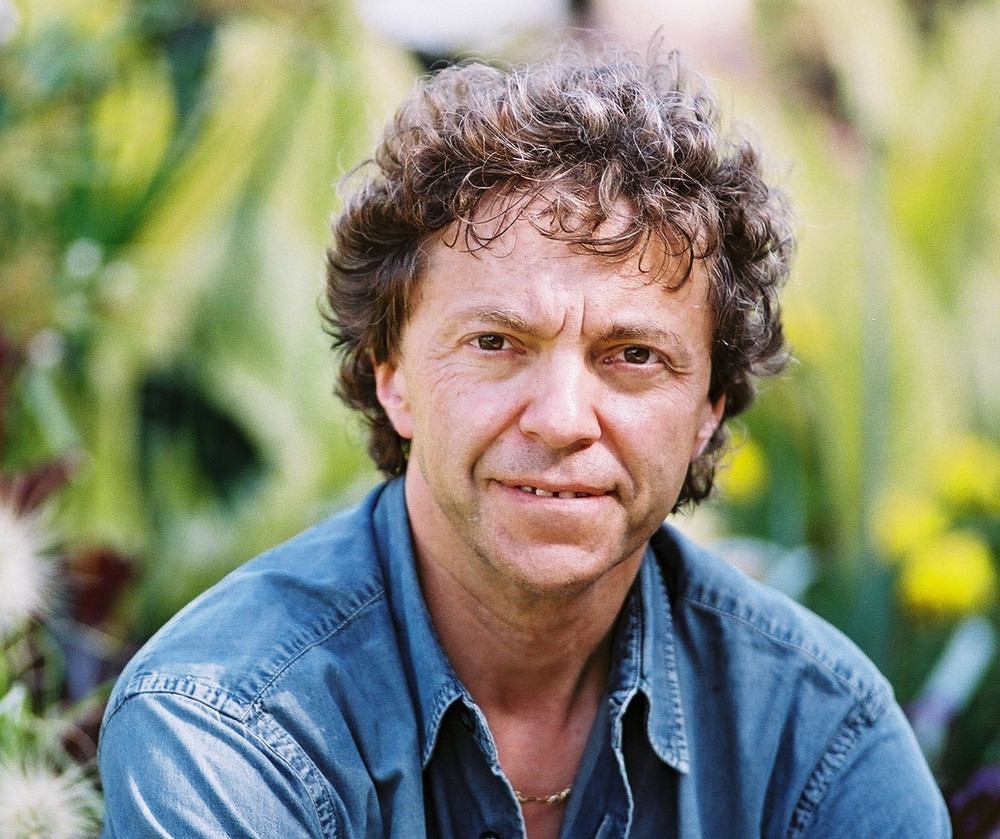
Pascal Rogé
Classical
Impressionism
Classical Piano
3
/5
Leif Ove Andsnes
Chamber Music
Classical
Classical Piano
3
/5
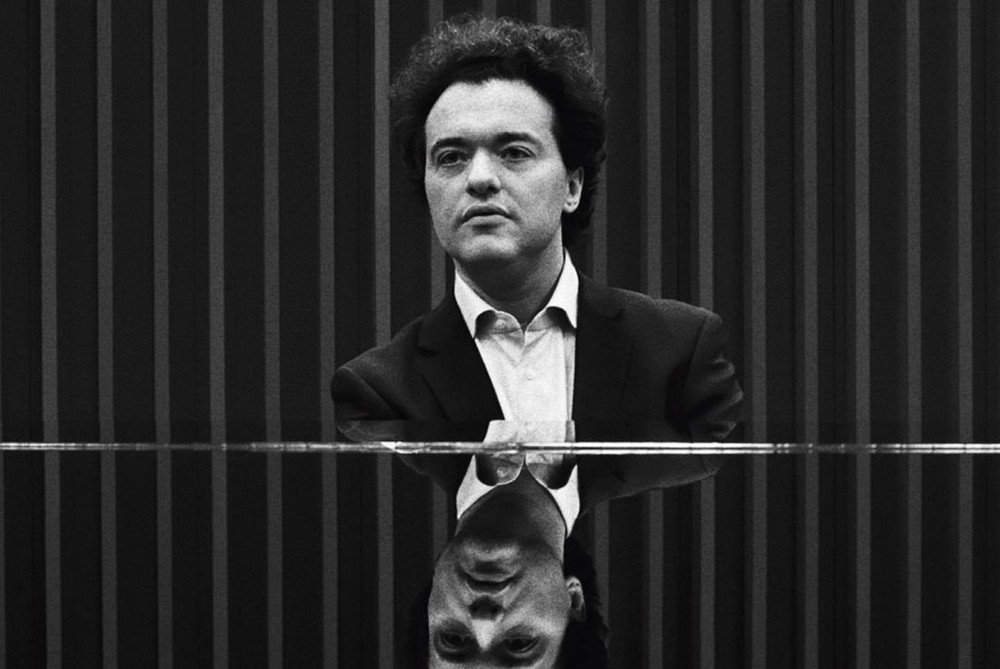
Evgeny Kissin
Classical
Classical Piano
Concerto
Download our mobile app
Get the Melodigging app and start digging for new genres on the go
Download on the App Store
Get it on Google Play
© 2026 Melodigging
Give feedback
About & FAQ
Legal
Melodding was created as a tribute to
Every Noise at Once
, which inspired us to help curious minds keep digging into music's ever-evolving genres.