

Genres
Artists
Albums
Make Music
Sign in
Sign in
Artists
Classical
Artists
Classical
Mikhail Pletnev
1984–2026
·
72 albums
Listen
3
/5
Genres
Late Romantic Music
Late Romantic music refers to the final flowering of 19th‑century Romanticism, roughly from the 1870s to the early 1910s. It is marked by expansive forms, heightened expressivity, and a push toward the limits of tonal harmony and orchestral color. Characteristic sounds include long‑spun, soaring melodies; rich, chromatic harmonies that frequently delay or blur cadences; and sumptuous orchestration with enlarged brass, winds, strings, and expanded percussion, plus coloristic additions such as harp, celesta, and organ. Programmatic content (narrative or pictorial ideas), leitmotivic technique (recurring thematic identifiers), and a taste for the monumental (grand symphonies, tone poems, and operas) are all hallmarks. Aesthetically, the style embraces emotional intensity—from intimate lyrical tenderness to apocalyptic grandeur—and often fuses national idioms with a pan‑European, Wagner‑ and Liszt‑inflected harmonic language. In pushing tonality to its breaking point, Late Romanticism paved the way for Post‑Romanticism, Impressionism, and early Modernism.
Discover
Listen
Symphony
A symphony is a large-scale composition for orchestra, typically cast in multiple movements that contrast in tempo, key, and character. In the Classical era, the most common layout was four movements: a fast opening movement (often in sonata form), a slow movement, a dance-like movement (minuet or later scherzo), and a fast finale. Over time, the symphony evolved from compact works of the mid-18th century into expansive, architecturally ambitious statements in the 19th and 20th centuries. Composers increasingly treated the symphony as a vehicle for thematic development, cyclical unity, and dramatic narrative—sometimes programmatic, sometimes abstract—using the full coloristic range of the modern orchestra. While rooted in Classical balance and clarity, symphonies incorporate a wide spectrum of harmonic languages and orchestral techniques. From Haydn’s wit and structural innovation to Beethoven’s heroic scope, Mahler’s cosmic breadth, and Shostakovich’s modern intensity, the symphony has remained a central pillar of Western concert music.
Discover
Listen
Classical Piano
Classical piano is the tradition of composing and performing music for the acoustic piano within the Western classical lineage. It emphasizes formal clarity, tonal harmony, contrapuntal writing, and expressive nuance across the full compass of the instrument. Its core repertoire ranges from Classical-era sonatas and variations to Romantic character pieces, études, dances, and 20th-century impressionistic and modernist works. Pianists exploit dynamics, articulation, pedaling, and touch to shape phrases, imitate orchestral textures, and project both intimate lyricism and large-scale drama.
Discover
Listen
Concerto
A concerto is a large-scale composition that sets one or more solo instruments in dynamic dialogue with an orchestra. Its core idea is contrast—between soloist and tutti—and the dramatic negotiation of power, color, and thematic responsibility. While Baroque concertos often relied on ritornello form, the Classical era standardized a three-movement plan (fast–slow–fast) with sonata principles in the opening movement. The Romantic period emphasized virtuosity and expressive foregrounding of the soloist, and the 20th–21st centuries broadened the palette with new instruments, harmonies, and formats. Across eras, the concerto remains a showcase for instrumental character, technical brilliance, and the art of orchestral conversation.
Discover
Listen
Orchestral
Orchestral music refers to compositions written for an orchestra—a large ensemble typically built around a string section (violins, violas, cellos, double basses), complemented by woodwinds, brass, percussion, and often harp, keyboard, or other auxiliary instruments. A conductor coordinates the ensemble, shaping balance, phrasing, and expression. The style emphasizes coloristic timbre combinations, dynamic range from the softest pianissimo to explosive tuttis, and textures that can shift seamlessly between transparent chamber-like writing and monumental masses of sound. Orchestral writing underpins concert genres such as symphonies, overtures, and tone poems, as well as opera, ballet, and modern film and game scores. While orchestral writing evolved across centuries, its core craft centers on melody, counterpoint, harmony, register, and orchestration—the art of assigning musical ideas to instruments to achieve clarity, contrast, and narrative impact.
Discover
Listen
Ballet
Ballet (as a musical genre) refers to orchestral music written to accompany choreographed dance on stage. It prioritizes clear tempi, strongly articulated rhythms, and memorable leitmotifs to support narrative, character, and movement. While rooted in court entertainment, ballet music evolved into a sophisticated, self-sufficient concert art: many ballets yield popular orchestral suites that are performed independently. Typical numbers include adagios, variations, codas, divertissements, character dances, and large ensemble scenes that mirror the dramatic arc of the choreography. Stylistically, ballet spans Baroque courtly idioms, Classical clarity, Romantic lyricism, and 20th‑century modernism and neoclassicism. It is predominantly instrumental (full orchestra), but can occasionally include choral or vocal parts when dramaturgy requires it.
Discover
Listen
Classical
Classical music is the notated art-music tradition of Europe and its global descendants, characterized by durable forms, carefully codified harmony and counterpoint, and a literate score-based practice. The term “classical” can refer broadly to the entire Western art-music lineage from the Medieval era to today, not just the Classical period (c. 1750s–1820s). It privileges long-form structures (such as symphonies, sonatas, concertos, masses, and operas), functional or modal harmony, thematic development, and timbral nuance across ensembles ranging from solo instruments to full orchestras and choirs. Across centuries, the style evolved from chant and modal polyphony to tonal harmony, and later to post-tonal idioms, while maintaining a shared emphasis on written notation, performance practice, and craft.
Discover
Listen
Show all 7 genres
Albums
2026
Rachmaninoff: Symphonic Dances & Pletnev: Rachmaniana
Rachmaninoff, Mikhail Pletnev & Rachmaninoff International Orchestra
Orchestral
2025
Chopin & Scriabin: Préludes
Chopin, Scriabin; Mikhail Pletnev
Late Romantic Music
2025
Trumpet Concerto & 14 Mémoires musicales
Mikhail Pletnev; Rachmaninoff International Orchestra, Sergei Nakariakov
Late Romantic Music
2024
An Exhibition of Pictures, Nocturnes, Preludes and Sonatas
Scriabin, Scarlatti, Haydn, Beethoven, Mussorgsky, Tchaikovsky, Mozart; Mikhail…
Late Romantic Music
2024
Tchaikovsky: Swan Lake Suite / Bizet | Shchedrin: Carmen Suite
Tchaikovsky, Shchedrin; Rachmaninoff International Orchestra, Mikhail Pletnev
Late Romantic Music
2022
Piano Sonatas nos. 15-18
Mozart; Mikhail Pletnev
Late Romantic Music
2018
Symphonies nos. 4 & 10
Dmitri Shostakovich; Russian National Orchestra, Mikhail Pletnev
Classical
2017
Chopin Evocations
Chopin; Daniil Trifonov, Mahler Chamber Orchestra, Mikhail Pletnev, Sergei Baba…
Late Romantic Music
2015
Symphony no. 1 / The Poem of Ecstasy
Alexander Scriabin; Russian National Orchestra, Mikhail Pletnev
Classical
2015
Shostakovich: Symphony no. 15; Hamlet, op. 32
Shostakovich; Russian National Orchestra Conducted by Mikhail Pletnev
Late Romantic Music
2014
Manfred Symphony
Tchaikovsky; Russian National Orchestra & Mikhail Pletnev
Late Romantic Music
2014
Symphonie Nr. 6 Pathétique / Capriccio Italien
Peter Tchaikowsky; Russian National Orhcestra, Mikhail Pletnev
Late Romantic Music
2013
In Person
Михаил Васильевич Плетнёв
Classical
2012
Tchaikovsky: Symphony no. 3 / Russian National Orchestra, Mikhail Pletnev
Tchaikovsky; Russian National Orchestra & Mikhail Pletnev
Late Romantic Music
2012
Symphony no. 1 / Slavonic March
Tchaikovsky; Russian National Orchestra, Mikhail Pletnev
Late Romantic Music
2012
Symphony no. 2 in C minor, op. 17 / Symphony no. 2 in C minor (original first movement) 1872
Peter Ilyich Tchaikovsky; Russian National Orchestra, Mikhail Pletnev
Classical
Symphony
2011
Symphony no. 6 in B minor, op. 74 / Capriccio Italien, op. 45
Peter Ilyich Tchaikovsky; Russian National Orchestra, Mikhail Pletnev
Late Romantic Music
2011
Tchaikovsky: Symphony no. 5 / Russian National Orchestra, Mikhail Pletnev
Tchaikovsky; Russian National Orchestra & Mikhail Pletnev
Late Romantic Music
2011
Symphony no. 4 in F minor, op. 36 / Overture "Romeo and Juliet"
Tchaikovsky; Russian National Orchestra, Mikhail Pletnev
Late Romantic Music
2011
Russian Overtures and Orchestral Works
Russian National Orchestra, Mikhail Pletnev
Late Romantic Music
2011
The Nutcracker
Tchaikovsky; Russian National Orchestra, Mikhail Pletnev
Ballet
Classical
Orchestral
2010
Orchestral Suites
Rimsky-Korsakov; Russian National Orchestra, Mikhail Pletnev
Late Romantic Music
2010
Swan Lake
Peter Ilyich Tchaikovsky; Russian National Orchestra, Mikhail Pletnev
Late Romantic Music
2009
Hamlet op. 32 / Symphony no. 15
Дмитрий Дмитриевич Шостакович; Russian National Orchestra, Mikhail Pletnev
Classical
Orchestral
Symphony
2008
Piano concerto no. 5
Beethoven; Mikhail Pletnev, Russian National Orchestra, Christian Gansch
Late Romantic Music
2007
Piano Concertos nos. 2 & 4
Beethoven; Mikhail Pletnev, Russian National Orchestra, Christian Gansch
Classical
2007
Symphony no. 3 “Le Divin Poème” / Le Poème de l’Extase
Scriabin; Pletnev, Russian National Orchestra
Late Romantic Music
2007
Piano Concertos nos. 1 & 3
Beethoven; Russian National Orchestra, Christian Gansch, Mikhail Pletnev
Late Romantic Music
2006
Symphony no. 11
Shostakovich; Russian National Orchestra, Mikhail Pletnev
Late Romantic Music
2006
Ravel: Piano Concerto in G / Prokofiev: Piano Concerto no. 5 / Schlimé: 3 Improvisations
Maurice Ravel, Сергей Сергеевич Прокофьев; Francesco Tristano, Михаил Васильеви…
Late Romantic Music
2006
Piano Sonatas
Mozart; Mikhail Pletnev
Late Romantic Music
2005
Piano Sonata No. 2 / Nocturnes / Barcarolle / Scherzo No. 2
Frédéric Chopin; Mikhail Pletnev
Late Romantic Music
2005
Chamber Music
Sergey Taneyev; Vadim Repin, Ilya Gringolts, Nobuko Imai, Lynn Harrell, Mikhail…
Late Romantic Music
2005
Mussorgsky: Pictures at an Exhibition / Tchaikovsky: The Sleeping Beauty / The Seasons / 6 Piano Pieces
Mussorgsky, Tchaikovsky; Mikhail Pletnev
Classical
2005
18 Pieces
Tchaikovsky; Pletnev
Classical
2004
Pletnev Plays Schumann
Robert Schumann; Mikhail Pletnev
Classical
2004
Prokofiev: Cinderella Suite / Ravel: Ma mère l’Oye
Prokofiev, Ravel; Martha Argerich, Mikhail Pletnev
Classical
2004
At the Reading of a Psalm
Taneyev; Russian National Orchestra, Mikhail Pletnev
Late Romantic Music
2003
Prokofiev 3 / Rachmaninov 3
Rachmaninov, Prokofiev; Mstislav Rostropovich, Russian National Orchestra, Mikh…
Concerto
2003
Septet / Serenade / Grand Sextet
Mikhail Glinka; Russian National Orchestra, Soloists Ensemble, Mikhail Pletnev
Classical
2002
Symphony No. 6 / Romeo and Juliet
P. Ilich Chaikovsky; O. N. Russia, Mikhail Pletnev
Late Romantic Music
2001
Violin Concertos
Tchaikovsky, Conus; David Garrett, Russian National Orchestra, Mikhail Pletnev
Classical
2001
Sonatas & Rondos
Carl Philipp Emanuel Bach; Mikhail Pletnev
Classical
2001
Carmen Suite / Naughty Limericks / The Chimes
Rodion Shchedrin; Russian National Orchestra, Mikhail Pletnev
Late Romantic Music
2001
Clarinet Concertos
Mozart, Beethoven; Russian National Orchestra, Мikhail Pletnev, Michael Collins
Late Romantic Music
2001
Rachmaninoff: The Bells / Taneyev: John of Damascus
Rachmaninov, Taneyev; Russian National Orchestra, Мikhail Pletnev
Classical
2000
Symphony No. 1 / The Isle of the Dead
Sergei Rachmaninov; Russian National Orchestra, Mikhail Pletnev
Classical
2000
The Sleeping Beauty
Tchaikovsky; Russian National Orchestra, Mikhail Pletnev
Late Romantic Music
1998
International Tchaikovsky Competition, Vol. 2: The Great Pianists
Misha Dichter, Barry Douglas, Mikhail Pletnev
Late Romantic Music
1998
Symphony no. 3 / Symphonic Dances
Rachmaninov; Russian National Orchestra, Мikhail Pletnev
Late Romantic Music
1998
Piano Concertos 1-3 / Concert Fantasy
Пётр Ильич Чайковский; Владимир Иванович Федосеев, Philharmonia Orchestra, Миха…
Late Romantic Music
1998
Piano Sonatas Nos. 2, 7, 8
Sergei Prokofiev; Mikhail Pletnev
Late Romantic Music
1997
Meeting in Moscow: Glazunov / Kabalevsky Violin Concertos
Glazunov, Kabalevsky; Gil Shaham, Russian National Orchestra, Mikhail Pletnev
Classical
1997
Variations & Bagatelles
Beethoven; Mikhail Pletnev
Classical
1997
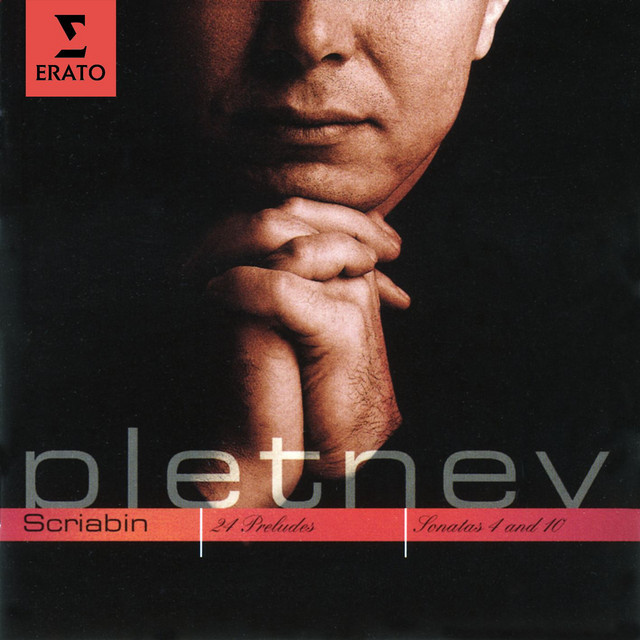
Scriabin: 24 Preludes - Sonatas Nos. 4 & 10
Alexander Scriabin, Mikhail Pletnev
Late Romantic Music
1997
Symphony in E flat / "The Firebird" Suite
Igor Stravinsky; Mikhail Pletnev, Russian National Orchestra
Classical
1996
Slavonic Dances, opp. 46 & 72
Dvořák; Russian National Orchestra, Mikhail Pletnev
Classical
Orchestral
1996
The Enchanted Kingdom
Rimsky-Korsakov, Liadov, Tcherepnin; Russian National Orchestra, Mikhail Pletnev
Classical
1996
Tchaikovsky: The Symphonies
Tchaikovsky; Russian National Orchestra, Мikhail Pletnev
Late Romantic Music
1995
Keyboard Sonatas
Domenico Scarlatti; Mikhail Pletnev
Late Romantic Music
Similar artists
Hide discovered
4
/5
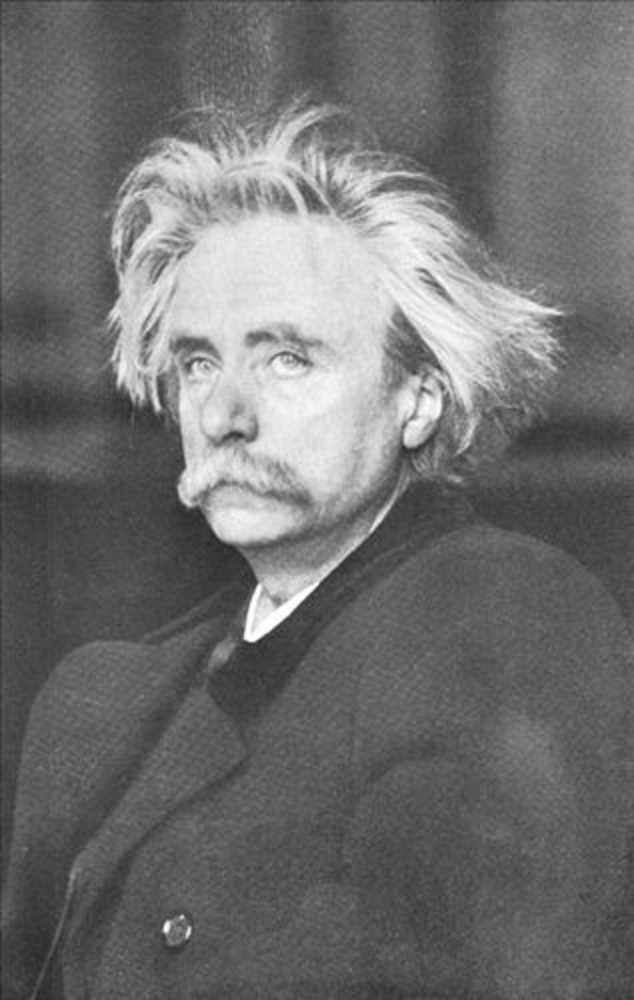
Edvard Grieg
Classical
Orchestral
Chamber Music
4
/5
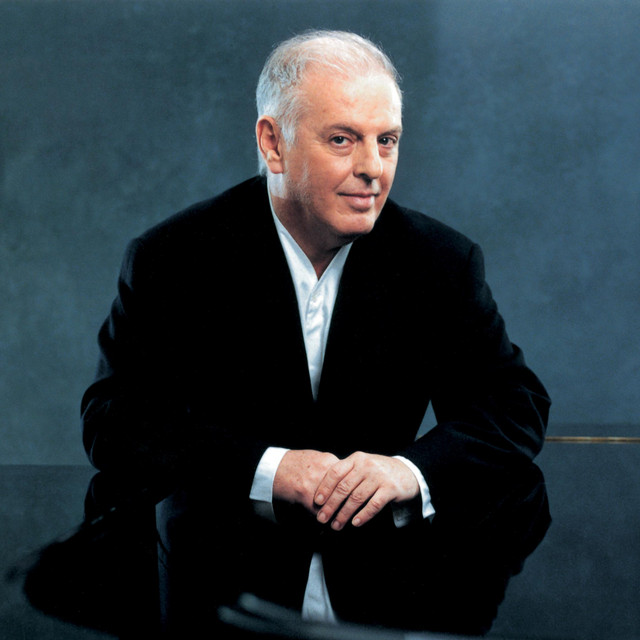
Daniel Barenboim
Classical
Concerto
Opera
4
/5
Wolfgang Amadeus Mozart
Classical
Requiem
Classical Period
2
/5
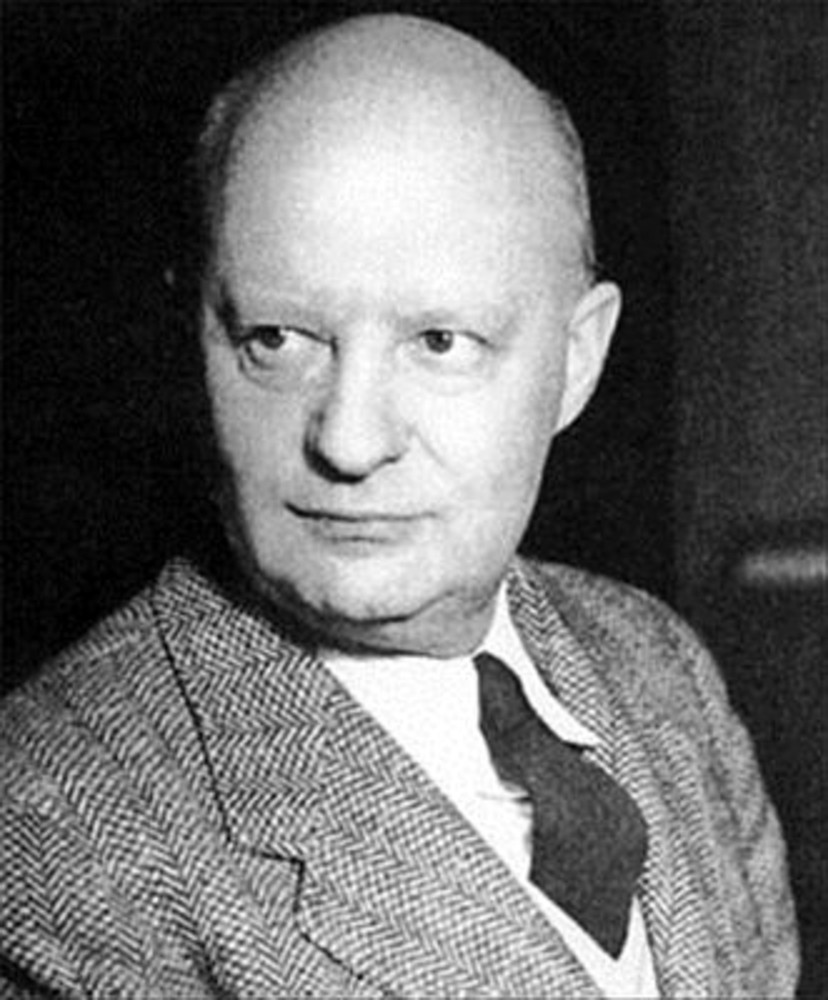
Paul Hindemith
Classical
Concerto
Neoclassicism
4
/5
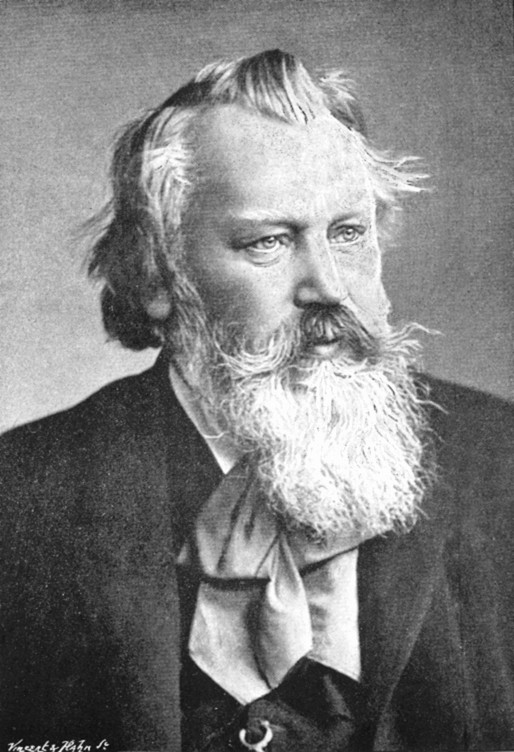
Johannes Brahms
Classical
Classical Clarinet
Classical Piano Quartet
4
/5
Franz Liszt
New German School
Classical
Classical Piano
4
/5
Herbert von Karajan
Classical
Symphonic Poem
Symphony
4
/5
Academy of St. Martin in the Fields
Baroque
Classical
Concerto
4
/5
London Philharmonic Orchestra
Classical
Opera
Orchestral
4
/5
Sir Simon Rattle
Classical
Orchestral
Concerto
Download our mobile app
Get the Melodigging app and start digging for new genres on the go
Download on the App Store
Get it on Google Play
© 2026 Melodigging
Give feedback
About & FAQ
Legal
Melodding was created as a tribute to
Every Noise at Once
, which inspired us to help curious minds keep digging into music's ever-evolving genres.