Genres
Artists
Albums
Make Music
Sign in
Sign in
Artists
Technical Brutal Death Metal
Artists
Technical Brutal Death Metal
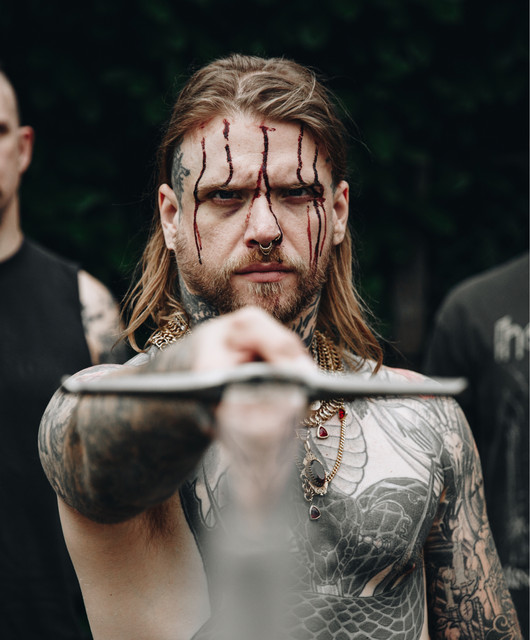
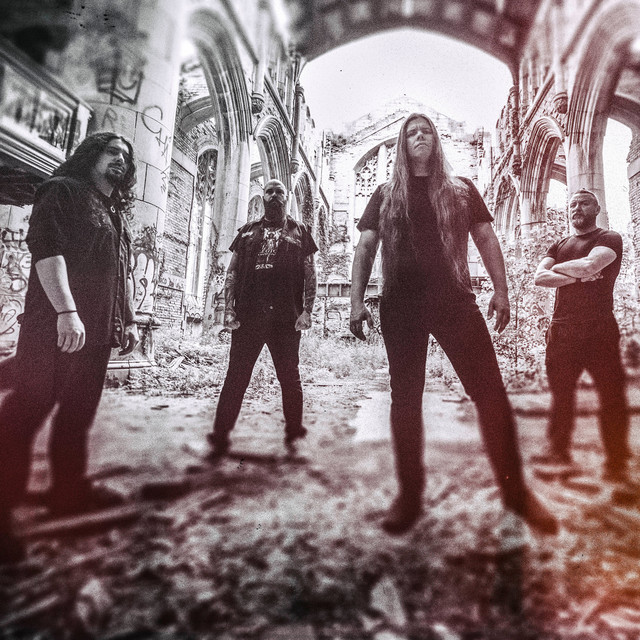
Vitriol
2024
·
2 albums
Listen
2
/5
Genres
Cavernous Death Metal
Cavernous death metal is a murky, reverb-drenched strain of old-school death metal that foregrounds claustrophobic atmosphere over clinical precision. Hallmarks include extremely downtuned guitars, tremolo-picked and chromatic riffing, lurching doom-laden passages, and very deep, often indecipherable guttural vocals. Production aesthetics are central: drums are thunderous yet blurred, guitars and bass form a monolithic wall of low-end, and large-room or plate reverbs smear the mix to evoke the feeling of sound emanating from a subterranean chamber. Rather than bright, high-fidelity tones, the style prefers darkness, distance, and density—suggesting sinister space, decay, and ancient dread. Compositionally it draws on early 1990s death and death-doom blueprints, but the 2010s revival codified the "cavernous" sound as a distinct aesthetic, emphasizing mood, negative space, and oppressive resonance as much as riffcraft.
Discover
Listen
Deathcore
Deathcore is an extreme metal subgenre that fuses the riff language and vocal extremity of death metal with the breakdown‑centric impact of metalcore and its hardcore roots. Typical hallmarks include brutally palm‑muted and tremolo‑picked guitar riffs on low tunings, blast‑beat focused drumming with double‑kick barrages, and guttural growls, tunnel throats, and high shrieks. Songs commonly pivot into half‑time, groove‑heavy breakdowns designed for maximum physical impact. As a distinct movement, deathcore coalesced in the early 2000s and reached wider prominence in the mid‑2000s via internet platforms and relentless touring, even though earlier 1990s bands had already flirted with fusing death metal and hardcore elements.
Discover
Listen
Technical Brutal Death Metal
Technical brutal death metal is an extreme metal subgenre that merges the brutality and percussive heaviness of brutal death metal with the precision, complexity, and compositional ambition of technical death metal. It is characterized by very low-tuned, palm-muted riffing; rapid alternation between blast beats, skank beats, and highly syncopated grooves; frequent tempo changes; and tightly executed, riff-dense song structures. Vocals are typically guttural (often very low), lyrics commonly focus on violence, horror, anatomy, or shock themes, and the production tends to emphasize surgical tightness: clicky or very defined kick drums, crisp rhythm-guitar articulation, and controlled low-end clarity. Compared to standard brutal death metal, the “technical” element brings more intricate guitar patterns, odd-meter or polymetric feel, abrupt sectional contrasts, and a more deliberate use of dynamics and arrangement while retaining the genre’s overwhelming intensity.
Discover
Listen
Blackened Death Metal
Blackened death metal fuses the ferocity, low‑tuned heft, and technical riffing of death metal with the icy tremolo lines, blast‑driven urgency, and occult atmosphere of black metal. The result is a dense, aggressive sound marked by relentless speed, layered guitars, and a stark, often ritualistic mood. Vocals typically alternate between cavernous death growls and rasping black‑metal shrieks. Drums emphasize blast beats, double‑kick barrages, and sudden tempo pivots, while guitars move between chromatic death‑metal riffing and long, minor‑key tremolo phrases. Lyrical themes commonly draw on Satanism, occultism, anti‑cosmic or apocalyptic narratives, and blasphemous or esoteric imagery. Production ranges from raw and abrasive to highly polished and symphonic, depending on the artistic intent.
Discover
Listen
Death Metal
Death metal is an extreme subgenre of heavy metal defined by heavily distorted, low‑tuned guitars, rapid and complex riffing, blast beat drumming, and harsh guttural vocals. Its harmonic language favors chromaticism, dissonance, and tremolo-picked lines that create an ominous, abrasive atmosphere. Lyrically, death metal often explores dark or transgressive themes—mortality, mythology, anti-religion, psychological horror, and the macabre—sometimes with philosophical or social commentary. Production ranges from raw and cavernous to hyper-precise and technical, reflecting the genre’s many regional scenes and substyles. From the mid‑1980s Florida scene (Tampa) and parallel developments in the US, UK, and Sweden, death metal evolved into numerous branches including brutal death metal, technical death metal, melodic death metal, and death‑doom, each emphasizing different aspects of speed, complexity, melody, or heaviness.
Discover
Listen
Technical Death Metal
Technical death metal (often shortened to tech-death) is a virtuosic, hyper-detailed branch of death metal characterized by complex song structures, rapid-fire tempo changes, and high-performance musicianship. It fuses the extremity and heaviness of death metal with the rhythmic sophistication of progressive metal and the harmonic vocabulary of jazz fusion. Signature elements include odd and shifting time signatures, polyrhythms, dissonant and chromatic harmony, through-composed or non-repeating structures, and intricate contrapuntal interplay between guitars and bass (often fretless). Drumming emphasizes precision blast beats, rapid double-kick patterns, metric modulation, and constant subdivision changes. Vocals are primarily deep growls or harsh screams, while lyrics frequently explore science, philosophy, metaphysics, and cosmology alongside the genre’s traditional dark themes. Production tends to favor clarity and separation to make dense arrangements intelligible, with tight, gated guitars, articulate bass presence, and drum sounds that capture transient detail. The result is aggressive, cerebral, and often breathtakingly technical music that rewards close listening.
Discover
Listen
Metal
Metal (often used to mean heavy metal in its broad, umbrella sense) is a loud, guitar-driven style of rock defined by high-gain distortion, emphatic and often martial rhythms, and a dense, powerful low end. It foregrounds riff-based songwriting, dramatic dynamics, virtuosic guitar solos, and commanding vocals that range from melodic wails to aggressive snarls and growls. Harmonically, metal favors minor modes, modal color (Aeolian, Phrygian), chromaticism, and tritone-inflected tension, while thematically it explores power, mythology, the occult, social critique, fantasy, and existential subjects. While adjacent to hard rock, metal typically pushes amplification, distortion, precision, and thematic intensity further, forming a foundation for many specialized subgenres.
Discover
Listen
Show all 7 genres
Albums
2024
2
/5
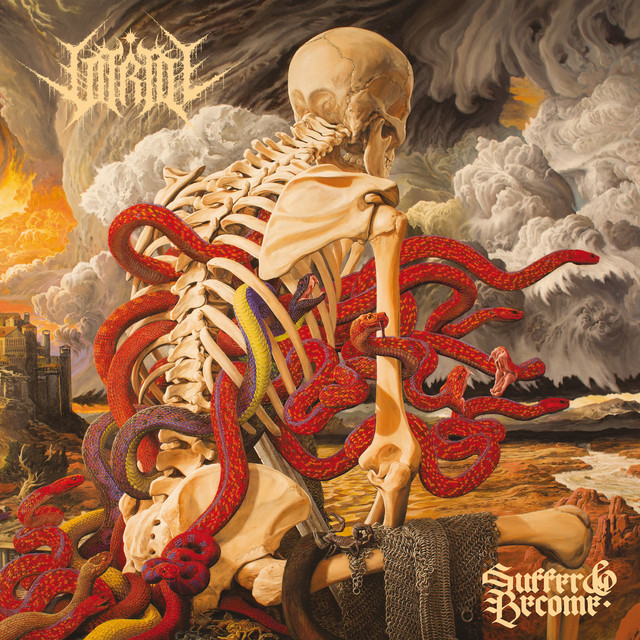
Suffer & Become
Vitriol
Technical Brutal Death Metal
Blackened Death Metal
Death Metal
2024
1
/5
Shame and its Afterbirth
Vitriol
Technical Brutal Death Metal
Similar artists
2
/5
Beyond Creation
Technical Brutal Death Metal
Technical Death Metal
Progressive Metal
2
/5
Inferi
American Melodeath
Technical Melodic Death Metal
Technical Brutal Death Metal
2
/5
Soreption
Technical Brutal Death Metal
Technical Groove Metal
Death Metal
1
/5
Exocrine
French Death Metal
Death Metal
Deathcore
2
/5
Carnosus
Melodic Death Metal
Technical Brutal Death Metal
Technical Melodic Death Metal
3
/5
Dying Fetus
Brutal Death Metal
Deathgrind
Death Metal
3
/5
Archspire
Death Metal
Deathcore
Metal
3
/5
Suffocation
Brutal Death Metal
Death Metal
Technical Death Metal
3
/5
Cryptopsy
Technical Deathcore
Technical Melodic Death Metal
Death Metal
3
/5
Fleshgod Apocalypse
Technical Death Metal
Symphonic Death Metal
Blackened Deathcore
Download our mobile app
Get the Melodigging app and start digging for new genres on the go
Download on the App Store
Get it on Google Play
© 2026 Melodigging
Give feedback
Legal
Melodding was created as a tribute to
Every Noise at Once
, which inspired us to help curious minds keep digging into music's ever-evolving genres.