Genres
Artists
Albums
Make Music
Sign in
Sign in
Artists
American Melodeath
Artists
American Melodeath
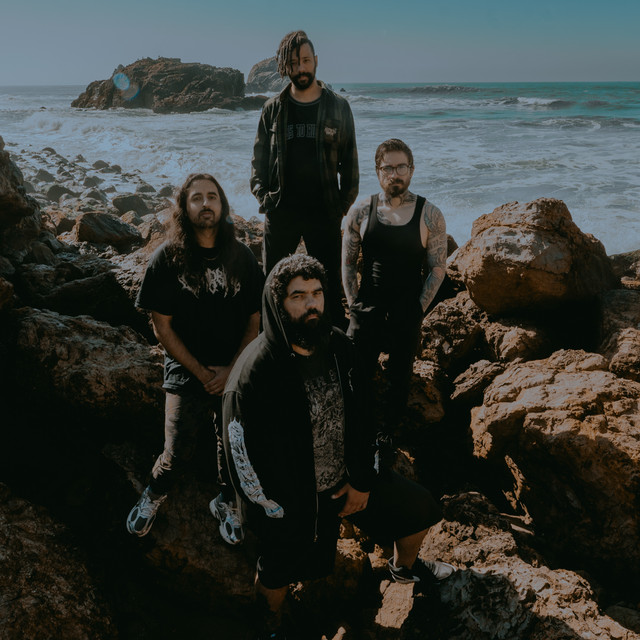
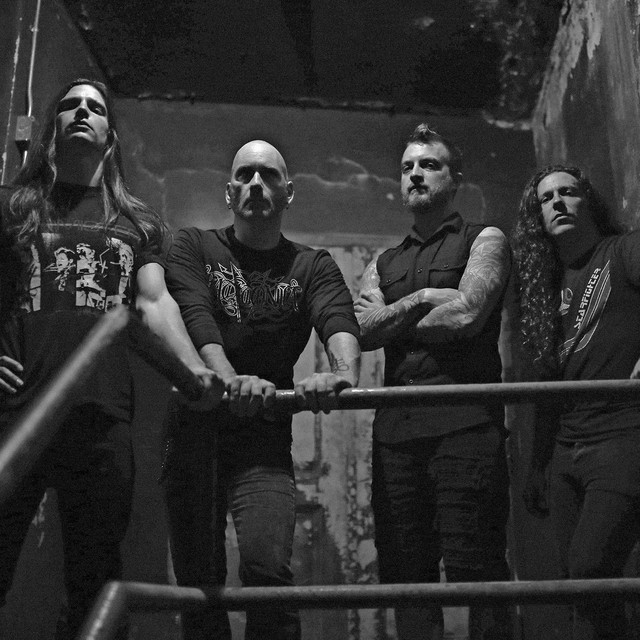
Inferi
2014–2026
·
6 albums
Listen
2
/5
Genres
Downtempo Deathcore
Downtempo deathcore is an ultra-slow, hyper-heavy offshoot of deathcore that emphasizes crushing, half-time breakdowns, extreme low tunings, and bleak atmosphere. Instead of constant blast beats or fast tremolo, the style prioritizes spacious, syncopated chugs, sub‑drops, and long rests that make each hit feel catastrophic. Vocals typically lean on deep false‑cord gutturals, tunnel growls, and occasional pig squeals, with lyrical themes centered on nihilism, violence, despair, and street‑level realism. Production often layers 808 subs with kick drums, brickwall‑limited guitars, and sharp china/splash accents to maximize impact. Sparse dissonant leads, samples, and cinematic swells are used to deepen the ominous mood, while the groove remains slow, simple, and tactically punishing.
Discover
Listen
Deathcore
Deathcore is an extreme metal subgenre that fuses the riff language and vocal extremity of death metal with the breakdown‑centric impact of metalcore and its hardcore roots. Typical hallmarks include brutally palm‑muted and tremolo‑picked guitar riffs on low tunings, blast‑beat focused drumming with double‑kick barrages, and guttural growls, tunnel throats, and high shrieks. Songs commonly pivot into half‑time, groove‑heavy breakdowns designed for maximum physical impact. As a distinct movement, deathcore coalesced in the early 2000s and reached wider prominence in the mid‑2000s via internet platforms and relentless touring, even though earlier 1990s bands had already flirted with fusing death metal and hardcore elements.
Discover
Listen
American Melodeath
American melodeath (American melodic death metal) is the United States’ take on the Scandinavian-born melodic death metal sound. It blends the twin‑guitar harmonies, minor‑key melodies, and tremolo-picked leads of the Gothenburg school with the speed, tightness, and rhythmic punch typical of American extreme metal. Compared with its European forebears, American melodeath often features brisker tempos, thrash‑sharpened riffing, and more technical passages. Vocals range from mid to high harsh growls and screams, drums lean on double‑kick barrages, blasts, and precision thrash or d‑beats, and production values are modern and polished. Lyrical themes frequently balance melancholic or existential subjects with horror, myth, and at times sci‑fi or philosophical imagery.
Discover
Listen
Technical Melodic Death Metal
Technical melodic death metal is a hybrid style that merges the harmonized riffing and melancholic melodic sensibility of melodic death metal with the precision, complexity, and instrumental virtuosity associated with technical death metal. Songs typically feature fast alternate-picked guitar lines, intricate rhythm-guitar patterns, frequent tempo changes, and “lead-like” riffs that remain memorable through recurring motifs and harmonized passages. Vocals are most often harsh (growls/screams), while the rhythm section emphasizes tight synchronization: articulate bass runs (often mirroring guitar), and highly detailed drumming with rapid double-kick, dynamic fills, and controlled blast beats. Compared with broader melodic death metal, this style tends to prioritize density of ideas, advanced technique, and rhythmic sophistication, while still preserving melody as a central identity rather than purely atonal brutality.
Discover
Listen
Technical Brutal Death Metal
Technical brutal death metal is an extreme metal subgenre that merges the brutality and percussive heaviness of brutal death metal with the precision, complexity, and compositional ambition of technical death metal. It is characterized by very low-tuned, palm-muted riffing; rapid alternation between blast beats, skank beats, and highly syncopated grooves; frequent tempo changes; and tightly executed, riff-dense song structures. Vocals are typically guttural (often very low), lyrics commonly focus on violence, horror, anatomy, or shock themes, and the production tends to emphasize surgical tightness: clicky or very defined kick drums, crisp rhythm-guitar articulation, and controlled low-end clarity. Compared to standard brutal death metal, the “technical” element brings more intricate guitar patterns, odd-meter or polymetric feel, abrupt sectional contrasts, and a more deliberate use of dynamics and arrangement while retaining the genre’s overwhelming intensity.
Discover
Listen
Symphonic Death Metal
Symphonic death metal fuses the ferocity of death metal—blast beats, double‑kick barrages, down‑tuned riffing, and guttural vocals—with fully scored orchestral writing and choir textures. Arrangements often deploy strings, brass, woodwinds, and percussion (either recorded or via high‑end virtual instruments) to create cinematic scope. Harmonically, the style favors minor keys, Phrygian and harmonic‑minor colors, ostinati, and dramatic modulations reminiscent of film music and late‑Romantic classical idioms. Lyrical themes frequently explore mythology, esoterica, antiquity, apocalyptic imagery, and grand historical narratives. The result is a maximalist, theatrical sound where extreme metal’s weight is heightened by symphonic grandeur, yielding music that is simultaneously aggressive, dark, and epic.
Discover
Listen
Melodic Death Metal
Melodic death metal (often shortened to melodeath) blends the speed, aggression, and harsh vocals of death metal with the harmonized guitar leads, memorable melodies, and songcraft of traditional heavy metal and thrash. It is characterized by twin‑guitar harmonies, fast tremolo riffs, punchy palm‑muted rhythms, and growled or screamed vocals, often contrasted with catchy, clearly articulated lead lines. Compared to traditional death metal, the genre favors stronger tonal centers, consonant interval harmonies (thirds and sixths), and more accessible structures, while retaining double‑kick intensity and occasional blast beats. Production tends to be tighter and clearer than early death metal, and many bands incorporate keyboards for texture. The style is strongly associated with the early–mid 1990s Gothenburg scene in Sweden, though parallel strains also emerged in the UK and Finland.
Discover
Listen
Brutal Death Metal
Brutal death metal is an especially extreme branch of death metal that emphasizes overwhelming intensity, dense riffing, and relentlessly aggressive rhythm. Hallmarks include very low-tuned, percussive guitars; rapid-fire tremolo picking; slam-oriented breakdowns; constant blast beats and gravity blasts; and ultra-guttural vocals that range from cavernous growls to “pig squeals.” Lyrical themes are typically visceral and graphic, drawing on horror and gore. Production often favors a tight, punchy drum sound (frequently with triggered kicks), thick multi-tracked guitars, and a bass tone that locks to the drums for maximal impact. Compared to traditional death metal, brutal death metal prioritizes extremity, physicality, and riff density over melody, and often integrates grindcore’s speed and brevity with hardcore-influenced breakdown weight.
Discover
Listen
Technical Death Metal
Technical death metal (often shortened to tech-death) is a virtuosic, hyper-detailed branch of death metal characterized by complex song structures, rapid-fire tempo changes, and high-performance musicianship. It fuses the extremity and heaviness of death metal with the rhythmic sophistication of progressive metal and the harmonic vocabulary of jazz fusion. Signature elements include odd and shifting time signatures, polyrhythms, dissonant and chromatic harmony, through-composed or non-repeating structures, and intricate contrapuntal interplay between guitars and bass (often fretless). Drumming emphasizes precision blast beats, rapid double-kick patterns, metric modulation, and constant subdivision changes. Vocals are primarily deep growls or harsh screams, while lyrics frequently explore science, philosophy, metaphysics, and cosmology alongside the genre’s traditional dark themes. Production tends to favor clarity and separation to make dense arrangements intelligible, with tight, gated guitars, articulate bass presence, and drum sounds that capture transient detail. The result is aggressive, cerebral, and often breathtakingly technical music that rewards close listening.
Discover
Listen
Death Metal
Death metal is an extreme subgenre of heavy metal defined by heavily distorted, low‑tuned guitars, rapid and complex riffing, blast beat drumming, and harsh guttural vocals. Its harmonic language favors chromaticism, dissonance, and tremolo-picked lines that create an ominous, abrasive atmosphere. Lyrically, death metal often explores dark or transgressive themes—mortality, mythology, anti-religion, psychological horror, and the macabre—sometimes with philosophical or social commentary. Production ranges from raw and cavernous to hyper-precise and technical, reflecting the genre’s many regional scenes and substyles. From the mid‑1980s Florida scene (Tampa) and parallel developments in the US, UK, and Sweden, death metal evolved into numerous branches including brutal death metal, technical death metal, melodic death metal, and death‑doom, each emphasizing different aspects of speed, complexity, melody, or heaviness.
Discover
Listen
Black Metal
Black metal is a form of extreme metal defined by fast tempos, tremolo‑picked guitar lines, blast‑beat drumming, shrieked or rasped vocals, and a deliberately raw, icy production aesthetic. Harmonically, it favors minor and modal collections (especially Aeolian and Phrygian), open-string drones, parallel fifths and fourths, tritones, and sparse or suspended chord voicings over blues-derived harmony. Arrangements often employ layered guitars, long-form song structures, and enveloping reverb to create a bleak, otherworldly atmosphere. The genre’s visual and thematic language is equally distinctive: corpse paint, monochrome artwork, and lyrics exploring anti-dogma, nature, pagan myth, cosmic nihilism, and misanthropy. While some scenes have been associated with controversy and extremism, the musical identity centers on sound, atmosphere, and aesthetics rather than any single ideology.
Discover
Listen
Show all 11 genres
Albums
2026
1
/5
The Rapture of Dead Light
Inferi
American Melodeath
Technical Melodic Death Metal
Technical Brutal Death Metal
2023
1
/5
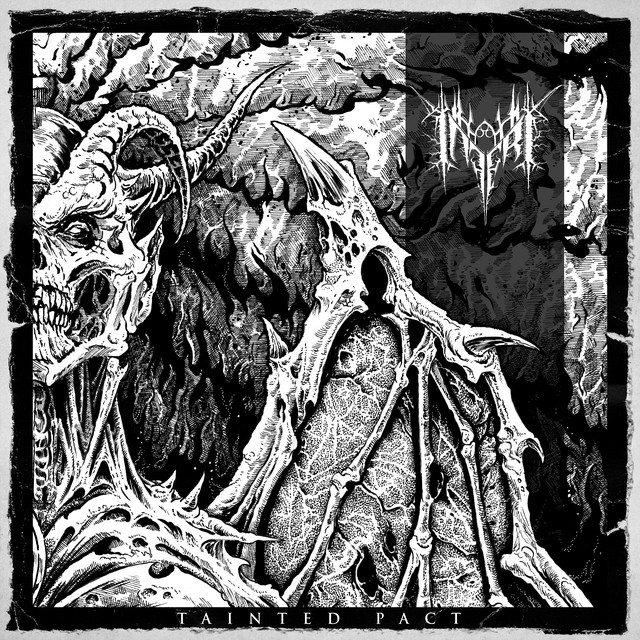
Tainted Pact
Singularity, Warforged, Augury, Dark Matter Secret, Odious Construct, The, Infe…
Technical Melodic Death Metal
American Melodeath
Technical Brutal Death Metal
2021
2
/5
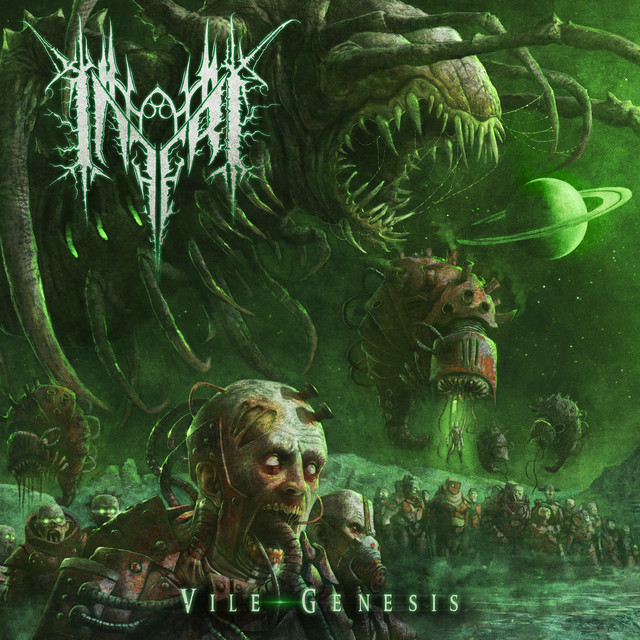
Vile Genesis
Singularity, Warforged, Augury, Dark Matter Secret, Odious Construct, The, Infe…
Technical Brutal Death Metal
Technical Melodic Death Metal
American Melodeath
2021
1
/5
Vile Genesis
Singularity, Warforged, Augury, Dark Matter Secret, Odious Construct, The, Infe…
Technical Melodic Death Metal
American Melodeath
Technical Brutal Death Metal
2018
2
/5
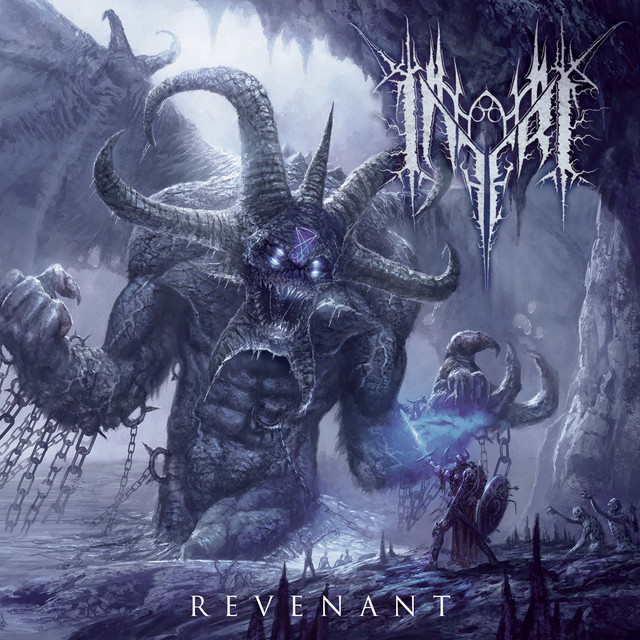
Revenant
Singularity, Warforged, Augury, Dark Matter Secret, Odious Construct, The, Infe…
Technical Melodic Death Metal
American Melodeath
Technical Brutal Death Metal
2014
2
/5
The Path of Apotheosis
Singularity, Warforged, Augury, Dark Matter Secret, Odious Construct, The, Infe…
Technical Melodic Death Metal
American Melodeath
Technical Brutal Death Metal
Similar artists
2
/5
Arsis
Technical Melodic Death Metal
American Melodeath
Melodic Death Metal
2
/5
Carnosus
Melodic Death Metal
Technical Brutal Death Metal
Technical Melodic Death Metal
2
/5
Cognizance
Technical Melodic Death Metal
Technical Death Metal
Technical Deathcore
3
/5
Cryptopsy
Technical Deathcore
Technical Melodic Death Metal
Death Metal
2
/5
Starkill
American Melodeath
Symphonic Melodic Death Metal
Symphonic Death Metal
2
/5
The Zenith Passage
Sci-Fi Metal
Technical Brutal Death Metal
Technical Death Metal
2
/5
Beyond Creation
Technical Brutal Death Metal
Technical Death Metal
Progressive Metal
2
/5
Hideous Divinity
Technical Brutal Death Metal
Technical Death Metal
Brutal Death Metal
3
/5
Fleshgod Apocalypse
Technical Death Metal
Symphonic Death Metal
Blackened Deathcore
2
/5
Soreption
Technical Brutal Death Metal
Technical Groove Metal
Death Metal
Download our mobile app
Get the Melodigging app and start digging for new genres on the go
Download on the App Store
Get it on Google Play
© 2026 Melodigging
Give feedback
Legal
Melodding was created as a tribute to
Every Noise at Once
, which inspired us to help curious minds keep digging into music's ever-evolving genres.