Genres
Artists
Albums
Make Music
Sign in
Sign in
Artists
Indian Classical
Artists
Indian Classical
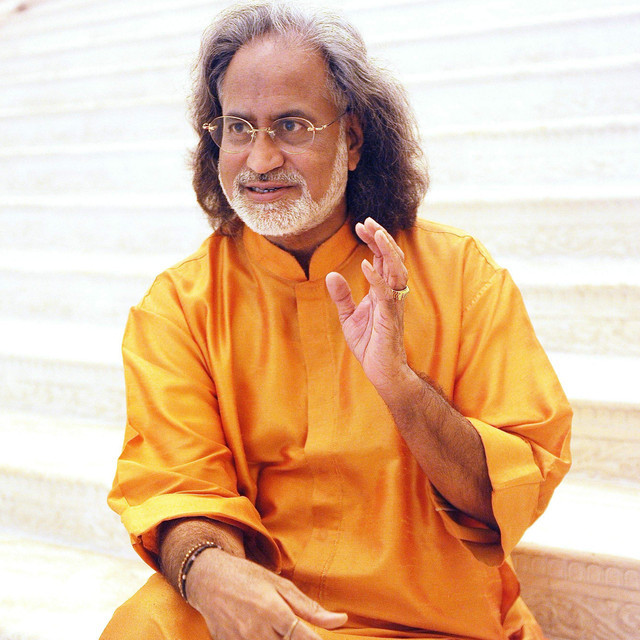
Vishwa Mohan Bhatt
2011
·
2 albums
Listen
2
/5
Genres
New Age
New age is a largely instrumental, mood-driven genre that emphasizes calm, spacious textures and a sense of spiritual or contemplative uplift. It blends gentle electronic timbres, acoustic instruments, and global/folk influences to create immersive soundscapes intended for relaxation, meditation, and introspection. Hallmarks include slow tempos or free time, long sustaining pads, modal and consonant harmonies, nature field recordings, and unobtrusive rhythms. The music often avoids dramatic tension in favor of openness and continuity, conveying themes of inner peace, nature, and the transcendent.
Discover
Listen
Acoustic Blues
Acoustic blues is a family of blues styles performed on non-amplified instruments, most commonly solo voice with acoustic guitar and, at times, harmonica. It emphasizes raw, intimate timbres; elastic vocal phrasing; and guitar techniques such as fingerpicking, alternating-bass patterns, and bottleneck slide. Rooted in African American folk traditions of the U.S. South, acoustic blues typically favors small-scale, conversational performance practice—call-and-response between voice and guitar, expressive "blue notes," and lyrics in the AAB stanza form. Substyles include Delta blues (driving, slide-heavy), Piedmont blues (ragtime-influenced fingerpicking), and Texas blues (looser, narrative-driven playing).
Discover
Listen
Jazz
Jazz is an improvisation-centered music tradition that emerged from African American communities in the early 20th century. It blends blues feeling, ragtime syncopation, European harmonic practice, and brass band instrumentation into a flexible, conversational art. Defining features include swing rhythm (a triplet-based pulse), call-and-response phrasing, blue notes, and extended harmonies built on 7ths, 9ths, 11ths, and 13ths. Jazz is as much a way of making music—spontaneous interaction, variation, and personal sound—as it is a set of forms and tunes. Across its history, jazz has continually hybridized, from New Orleans ensembles and big-band swing to bebop, cool and hard bop, modal and free jazz, fusion, and contemporary cross-genre experiments. Its influence permeates global popular and art music.
Discover
Listen
Blues
Blues is an African American musical tradition defined by expressive "blue notes," call-and-response phrasing, and a characteristic use of dominant-seventh harmony in cyclical song forms (most famously the 12‑bar blues). It is as much a feeling as a form, conveying sorrow, resilience, humor, and hard-won joy. Musically, blues commonly employs the I–IV–V progression, swung or shuffled rhythms, and the AAB lyric stanza. Melodies lean on the minor/major third ambiguity and the flattened fifth and seventh degrees. Core instruments include voice, guitar (acoustic or electric), harmonica, piano, bass, and drums, with slide guitar, bends, and vocal melismas as signature techniques. Over time the blues has diversified into regional and stylistic currents—Delta and Piedmont country blues, urban Chicago and Texas blues, West Coast jump and boogie-woogie—while profoundly shaping jazz, rhythm & blues, rock and roll, soul, funk, and much of modern popular music.
Discover
Listen
South Asian Music
South Asian music is a broad regional meta-genre that encompasses the diverse classical, devotional, folk, and popular traditions of the Indian subcontinent, including India, Pakistan, Bangladesh, Nepal, Sri Lanka, Bhutan, and the Maldives. It is organized primarily around modal melody (raga/ragini systems and related regional modes), cyclical rhythm (tala and folk meters), and a strong emphasis on improvisation, ornamentation, and timbral nuance. A constant drone (often tanpura or shruti box) and intricate percussion languages (bols) are characteristic across many forms. Devotional currents (bhajan, kirtan, qawwali), courtly and Sufi lineages, and countless folk idioms feed into modern popular styles from filmi/Bollywood to regional pop and diaspora fusions. While the roots reach back to ancient Vedic chant and early treatises, much of the classical grammar and performance practice recognizable today coalesced between the late medieval and early modern periods, shaped by temple, court, and Sufi contexts and later interfacing with colonial modernity and global pop.
Discover
Listen
Indian Classical
Indian classical music (Shastriya Sangeet / Mārga Sangeet) is the art-music tradition of the Indian subcontinent, organized around melodic frameworks called raga and cyclical meters called tala. It has two major streams: Hindustani music in the North, which foregrounds extended improvisation and raga exploration, and Carnatic music in the South, which is composition-centric with structured but highly sophisticated improvisation. A related eastern tradition is Odissi (from present-day Odisha), whose classical lineage spans roughly two millennia. Despite regional distinctions, these systems share common theoretical roots, performance aesthetics, and a spiritual-philosophical view of music as a vehicle for rasa (embodied aesthetic emotion).
Discover
Listen
South Asian Classical Music
South Asian classical music is the art-music tradition of the Indian subcontinent built around raga (melodic frameworks) and tala (cyclical rhythmic structures). It emphasizes microtonal nuance, ornamentation (gamaka), and a continuous drone, producing a highly expressive, meditative, and often devotional soundworld. The tradition cohered from ancient liturgical and courtly practices and later diverged into two major streams: Hindustani (North Indian) and Carnatic (South Indian). Both systems share the raga–tala grammar but differ in repertoire, performance format, instrumentation, and stylistic emphasis. Improvisation is central in both, balancing formal compositions with spontaneous exploration.
Discover
Listen
Arabic Classical Music
Arabic classical music is the art-music tradition of the Arabic-speaking world, built on the modal system of maqam and cyclical rhythmic modes called iqaʿat. It prioritizes ornate melody, nuanced intonation (including microtonal intervals), heterophonic ensemble texture, and a balance between composed forms and improvisation (taqsim). Core forms include the samaʿi (often in 10/8), longa (2/4), dulab (short prelude), muwashshah (strophic song), and the wasla (a multi-movement suite). The aesthetic of tarab—emotional ecstasy and deep musical rapture—guides performance and listening. Typical instruments include the ʿūd (fretless lute), qānūn (plucked zither), nay (end-blown flute), violin/kamanja, riqq (tambourine), and darbuka/tabla, often assembled as a takht (chamber ensemble) or, in later periods, the larger firqa (orchestra).
Discover
Listen
Arabic Music
Arabic music is the modal, largely non-harmonic art and folk music tradition of Arabic-speaking societies across the Middle East and North Africa. It is centered on the maqam system (a constellation of scales, characteristic melodic phrases, and modulation pathways) and the iqa'at cycle-based rhythmic system. Its sound is defined by microtonal intervals (often featuring neutral seconds and micro-inflected pitches rather than equal-tempered quarter-tones), expressive melismas, and a heterophonic ensemble texture in which multiple instruments ornament the same melody simultaneously. Core instruments include the oud, qanun, nay, violin/kamanja, riqq, and darbuka/tabla, with larger firqa (orchestral) lineups common in 20th‑century Cairo. The tradition values poetic text-setting, extended improvisation (taqsim and layali), and the affective aesthetic of tarab—intense musical ecstasy and emotional transport.
Discover
Listen
Show all 9 genres
Albums
2011
1
/5
Saltanah
Simon Shaheen & Vishwa Mohan Bhatt
Arabic Classical Music
Arabic Music
South Asian Classical Music
2011
2
/5
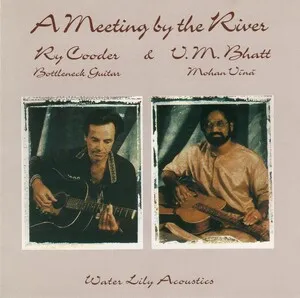
A Meeting by the River
Ry Cooder & Vishwa Mohan Bhatt
Acoustic Blues
Indian Classical
South Asian Classical Music
Similar artists
1
/5
Various Artists
Afro-Funk
Alternative Rock
Ambient
3
/5
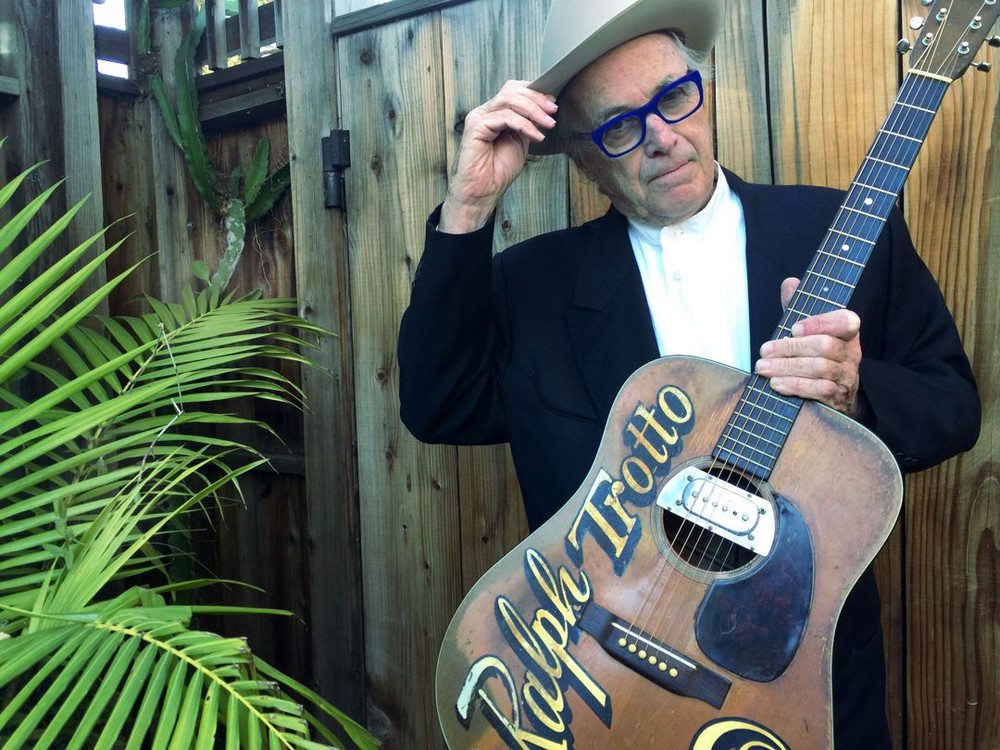
Ry Cooder
Piedmont Blues
Blues
Jazz
5
/5
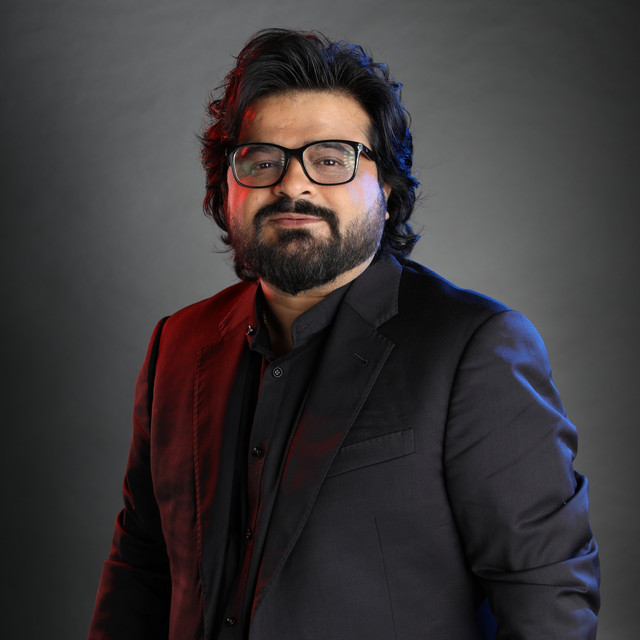
Pritam
Bollywood
Filmi
Pop
3
/5
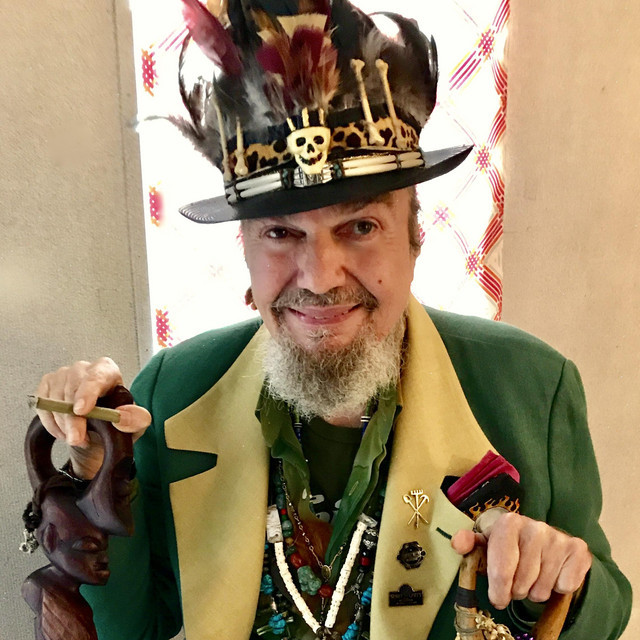
Dr. John
Louisiana Music
New Orleans R&b
Piano Blues
2
/5
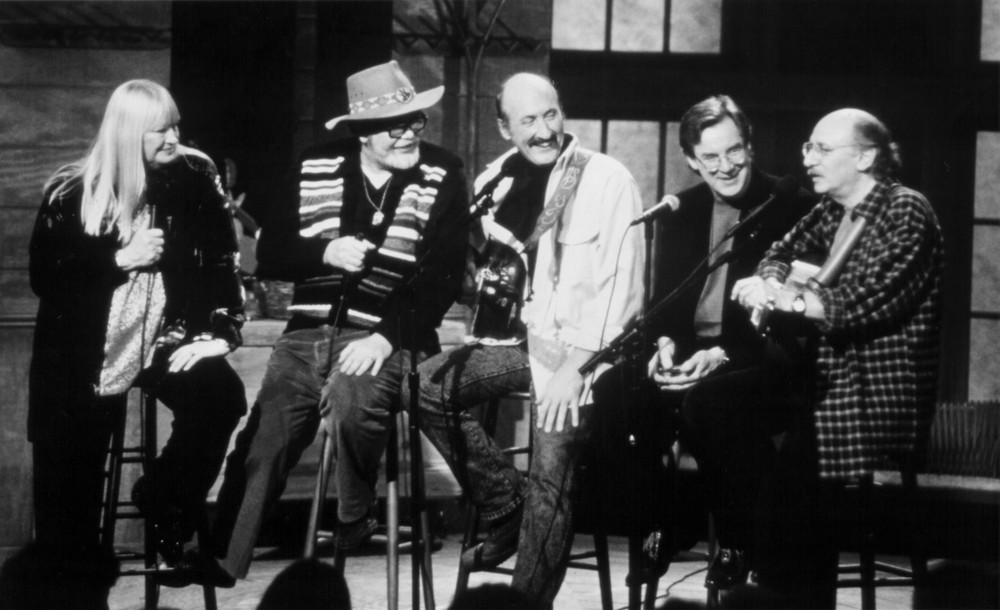
Dave Van Ronk
Folk
Country Blues
Greenwich Village Scene
4
/5
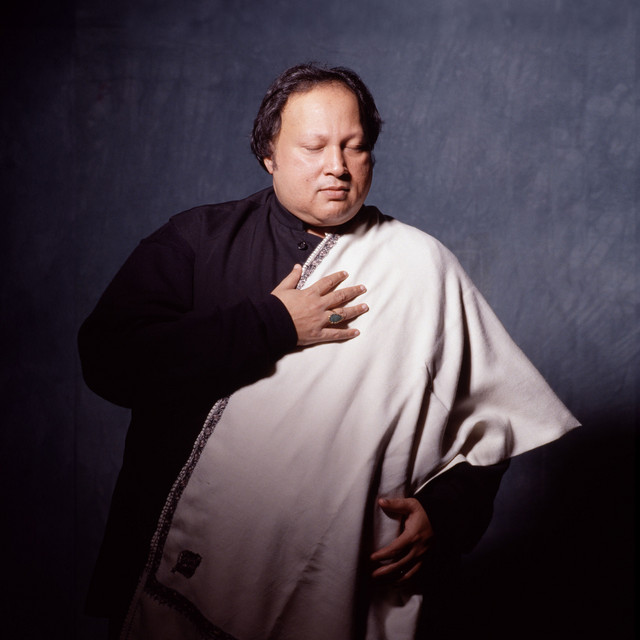
Nusrat Fateh Ali Khan
Qawwali
World
Sufi
3
/5
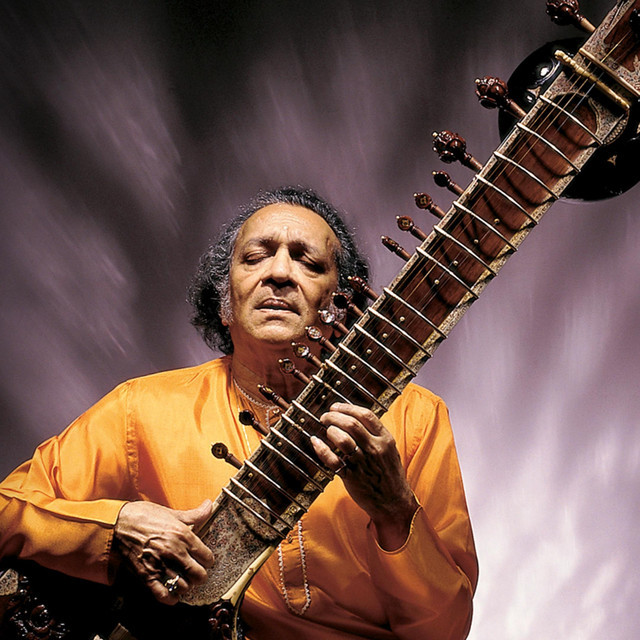
Ravi Shankar
Indian Classical
South Asian Classical Music
Hindustani Classical
1
/5
Ghazal
Ghazal
Indian Classical
Persian Classical
2
/5
Zakir Hussain
Hindustani Classical
Indian Classical
Ghazal
2
/5
Pandit Shivkumar Sharma
Indian Classical
Hindustani Classical
Asian Music
Download our mobile app
Get the Melodigging app and start digging for new genres on the go
Download on the App Store
Get it on Google Play
© 2026 Melodigging
Give feedback
Legal
Melodding was created as a tribute to
Every Noise at Once
, which inspired us to help curious minds keep digging into music's ever-evolving genres.