Genres
Artists
Albums
Make Music
Sign in
Sign in
Artists
Mathcore
Artists
Mathcore
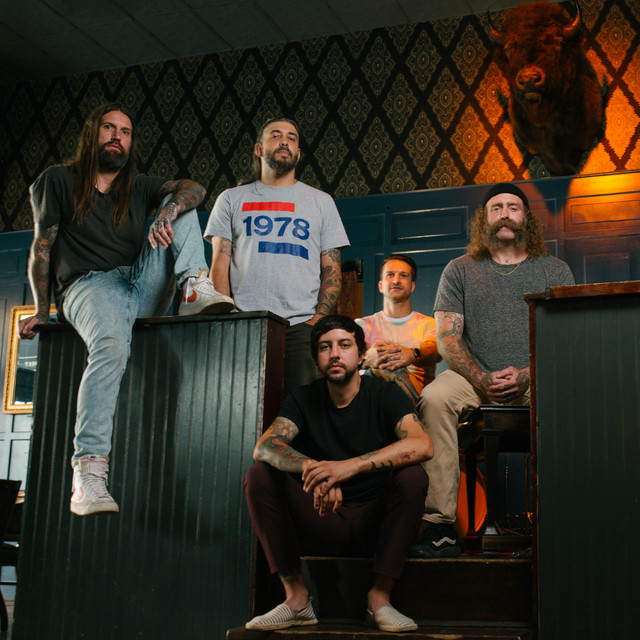
Vein.fm
2018
·
1 album
Listen
3
/5
Genres
Zoomergaze
Zoomergaze is a Gen Z, internet-native evolution of shoegaze that fuses the genre’s dense, guitar-washed textures with hyperpop/digicore maximalism and modern trap/emo-rap rhythm programming. It favors blown‑out saturation, brickwalled dynamics, digital clipping, and wide stereo fields, often pairing jet‑engine guitars with 808 subs, jittery hi‑hats, breakbeat flourishes, and intimate, lightly Auto‑Tuned vocals. The mood leans dreamy yet emotionally raw—nostalgic, melancholic, and diaristic—delivered through DIY production that thrives on Bandcamp, SoundCloud, and TikTok discovery. Where classic shoegaze hid the singer in the mix, Zoomergaze keeps the voice present and personal, weaving confessional hooks into shimmering noise and glitchy, internet-era sound design.
Discover
Listen
Emo Revival
Emo revival is a 2010s resurgence of the melodic, introspective strain of 1990s and early-2000s emo, updated with indie-rock and math-rock sensibilities. It emphasizes twinkly, interlocking clean guitars, confessional and diaristic lyrics, dynamic quiet‑loud arrangements, and a DIY ethos rooted in house shows, small labels, and online communities. Compared with 2000s mainstream emo-pop, the revival leans closer to Midwest emo and indie aesthetics—often cleaner in tone, more rhythmically intricate, and less polished, while remaining hooky and emotionally direct.
Discover
Listen
Dreamo
Dreamo is a fusion of emo’s confessional songwriting with the hazy textures of dream pop and shoegaze. It favors glistening, chorus- and reverb-soaked guitars, soft or breathy vocals, and mid‑tempo, swaying grooves over the harsher edges of punk-derived emo. The result is music that feels intimate and weightless, with melodies that drift while lyrics stay emotionally direct. Compared with classic shoegaze, dreamo generally keeps more readable vocal lines and emo’s verse–chorus structures; compared with traditional emo, it replaces crunch and angularity with shimmer, bloom, and atmosphere.
Discover
Listen
Diy Emo
DIY emo is a grassroots, home-recorded and community-driven branch of contemporary emo that blends twinkly Midwest-emo guitar work, confessional lyricism, and pop-punk urgency with a distinctly lo‑fi, self-produced aesthetic. It foregrounds the ethics of the do‑it‑yourself underground: basement shows, tape or Bandcamp releases, collective touring, and a preference for intimacy over polish. Sonically, it leans on clean, chiming guitars, melodic basslines, dynamic drumming, and unvarnished vocals that veer from soft-spoken to cathartic sing-alongs. Rather than chasing radio gloss, DIY emo embraces rawness and vulnerability—often capturing the feel of a crowded living room show—while channeling themes of friendship, mental health, hometowns, and the bittersweet transitions of early adulthood.
Discover
Listen
Downtempo Deathcore
Downtempo deathcore is an ultra-slow, hyper-heavy offshoot of deathcore that emphasizes crushing, half-time breakdowns, extreme low tunings, and bleak atmosphere. Instead of constant blast beats or fast tremolo, the style prioritizes spacious, syncopated chugs, sub‑drops, and long rests that make each hit feel catastrophic. Vocals typically lean on deep false‑cord gutturals, tunnel growls, and occasional pig squeals, with lyrical themes centered on nihilism, violence, despair, and street‑level realism. Production often layers 808 subs with kick drums, brickwall‑limited guitars, and sharp china/splash accents to maximize impact. Sparse dissonant leads, samples, and cinematic swells are used to deepen the ominous mood, while the groove remains slow, simple, and tactically punishing.
Discover
Listen
Post-Post-Hardcore
Post-post-hardcore is a polished, third-wave offshoot of post-hardcore that crystallized in the 2010s. It fuses the genre’s emotive, dynamic vocals and tension-release structures with modern pop hooks, electronic programming, and metalcore heft. Compared with classic post-hardcore, it favors glossy production, radio-leaning choruses, and hybridized textures—think syncopated djent-lite riffs under bright synths, EDM-style risers and drops, half-time breakdowns, and call-and-response vocals (screamed versus soaring cleans). The result is an accessible yet intense sound that thrives in the internet era of playlists, YouTube covers, and scene cross-pollination.
Discover
Listen
Mathcore
Mathcore is an extreme offshoot of metalcore and hardcore punk characterized by rapid-fire shifts in meter, tempo, and texture. It emphasizes dissonant, angular riffing; complex, polymetric drum patterns; and whirlwind song structures that often feel deliberately chaotic. The genre fuses the precision and rhythmic gamesmanship of math rock with the aggression of hardcore and the density of extreme metal. Songs routinely feature sudden stops, blast beats, start–stop riffing, odd time signatures, and atonal or chromatic harmonies, producing a sound that is tense, volatile, and cathartic.
Discover
Listen
Metalcore
Metalcore is a fusion of hardcore punk’s urgency and ethos with heavy metal’s riff language and technicality. It is defined by tightly palm‑muted riffs, rapid double‑kick drumming, and frequent breakdowns—rhythmic, syncopated passages written to accentuate impact and crowd movement. Vocals typically alternate between harsh screams or growls and, in many bands, soaring clean choruses—a contrast that emphasizes both aggression and catharsis. Harmony and melody often borrow from melodic death metal, yielding minor‑key leads, harmonized guitars, and hook‑driven refrains. Modern production favors precise editing, dense guitar layering, and punchy drum sounds that keep complex rhythms clear at high intensity.
Discover
Listen
Hardcore
Hardcore (often called hardcore techno in its early form) is a fast, aggressive branch of electronic dance music characterized by heavily distorted, punchy 4/4 kick drums, tempos ranging from roughly 160 to well over 200 BPM, and a dark, high‑energy aesthetic. It emphasizes percussive drive over complex harmony, using clipped and saturated kick-bass sound design, sharp hi-hats, claps on the backbeat, and harsh synth stabs or screeches. Vocals, when present, are typically shouted hooks, sampled movie lines, or crowd chants processed with distortion and effects. Originating in the Netherlands in the early 1990s, the style quickly splintered into related scenes and subgenres such as gabber, happy hardcore, Frenchcore, terrorcore, speedcore, and later hardstyle. Its culture is closely associated with large-scale raves, specialized labels, and distinctive visual branding.
Discover
Listen
Nu Metal
Nu metal is a hybrid style that fuses the weight and riff-centric attack of heavy metal with hip‑hop rhythms, turntablism, funk bounce, and the angst‑laden melodicism of alternative rock. It favors down‑tuned, percussive guitar work, punchy bass lines, and groove‑heavy drum patterns over extended solos. Vocals often switch rapidly between rapped verses, shouted/screamed passages, and soaring melodic choruses. Production tends to be glossy yet bass‑forward, frequently incorporating DJ scratches, samples, electronic textures, and syncopated, hip‑hop‑influenced beats. Lyrical themes commonly explore alienation, trauma, social pressure, and catharsis. The result is an accessible but aggressive sound that emphasizes groove, dynamics, and hook‑writing as much as heaviness.
Discover
Listen
Hardcore Punk
Hardcore punk is a faster, louder, and more abrasive offshoot of late-1970s punk rock. Songs are typically short (often under two minutes), propelled by rapid tempos, aggressive down‑stroked guitar riffs, and shouted or barked vocals. The style prioritizes raw energy over technical ornamentation: power‑chord harmony, minimal guitar solos, and tightly locked rhythm sections dominate. Lyrically, hardcore punk is intensely direct—often political, anti‑authoritarian, and socially critical—reflecting a DIY ethic that values independent labels, self‑organized shows, and community‑run spaces. The genre coalesced in U.S. scenes such as Los Angeles, Washington, D.C., New York, and Boston, and soon spread internationally. Its velocity, attitude, and grassroots infrastructure profoundly shaped underground music and paved the way for numerous metal, punk, and alternative subgenres.
Discover
Listen
Rock
Rock is a broad family of popular music centered on amplified instruments, a strong backbeat, and song forms that foreground riffs, choruses, and anthemic hooks. Emerging from mid‑20th‑century American styles like rhythm & blues, country, and gospel-inflected rock and roll, rock quickly expanded in scope—absorbing folk, blues, and psychedelic ideas—while shaping global youth culture. Core sonic markers include electric guitar (often overdriven), electric bass, drum kit emphasizing beats 2 and 4, and emotive lead vocals. Rock songs commonly use verse–chorus structures, blues-derived harmony, and memorable melodic motifs, ranging from intimate ballads to high‑energy, stadium‑sized performances.
Discover
Listen
Show all 12 genres
Albums
2018
3
/5
Errorzone
Vein
Mathcore
Metalcore
Rock
Similar artists
4
/5
Knocked Loose
Mathcore
Metalcore
Deathcore
3
/5
Norma Jean
Metalcore
Christian Hardcore
Rock
3
/5
Every Time I Die
Mathcore
Metalcore
Hardcore Punk
2
/5
Botch
Mathcore
Hardcore
Metalcore
2
/5
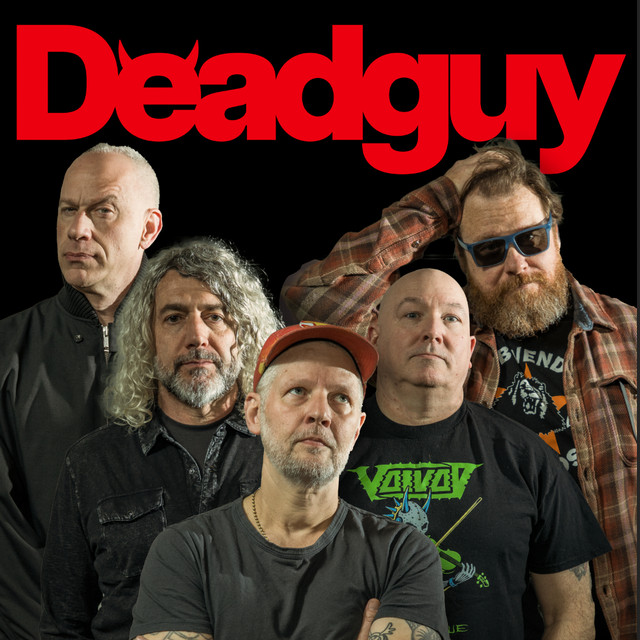
Deadguy
Mathcore
Metalcore
Hardcore
3
/5
The Dillinger Escape Plan
Mathcore
New Jersey Punk
New Jersey Hardcore
3
/5
Nails
Grindcore
Hardcore Punk
Mathcore
3
/5
Stray From The Path
Hardcore Punk
Mathcore
Melodic Hardcore
2
/5
Earth Crisis
Vegan Straight Edge
Groove Metal
Hardcore Punk
2
/5
SeeYouSpaceCowboy...
Sasscore
Metalcore
Nintendocore
Download our mobile app
Get the Melodigging app and start digging for new genres on the go
Download on the App Store
Get it on Google Play
© 2026 Melodigging
Give feedback
Legal
Melodding was created as a tribute to
Every Noise at Once
, which inspired us to help curious minds keep digging into music's ever-evolving genres.