Your digging level
Description
Sasscore is a flamboyant, high-strung strain of early-to-mid 2000s post-hardcore that fuses mathy, dissonant riffing and screamo vocal intensity with the hip-shaking momentum of dance-punk.
Its calling cards include yelped and shrieked dual vocals, cut-and-thrust start–stop arrangements, spiky clean guitars, jagged syncopation, and a camp, fashion-forward attitude—hence the “sass.” Lyrics often mix bite and satire, tackling sex, power, and social theater with sneering wit and theatrical swagger.
On stage and on record, sasscore prizes sharp contrasts: razor-treble guitar stabs against booming, club-ready drums; sudden tempo lurches beside hooky gang shouts; and a queered, transgressive performance energy that made it as much a scene and attitude as a sound.


History
Sasscore took shape in the United States in the early 2000s, as bands in the post-hardcore and screamo underground began splicing the angular abrasion of noise rock and no wave with dance-punk’s strut and groove. The scene clustered around DIY venues and all-ages spaces on the West Coast and Pacific Northwest (notably Seattle and Southern California), spreading via zines, message boards, and MySpace.
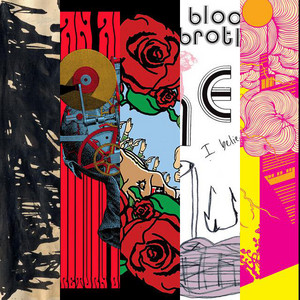
Key early touchpoints included The Blood Brothers’ shrill, theatrical dual-vocal attack and The Plot to Blow Up the Eiffel Tower’s jittery, sax-slashed noir punk—blueprints for the “sass” blend of spiky rhythms, campy provocation, and knife-edged guitars.
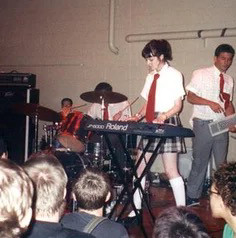
By the mid-2000s, the term “sasscore” informally marked a pocket of post-hardcore distinguished by flamboyant fashion (white belts, skinny jeans), queer-friendly spaces, and performance that embraced satire and excess. Musically, bands favored treble-forward tones, chromatic churn, fractured song forms, and danceable backbeats. Releases by The Blood Brothers, Heavy Heavy Low Low, The Number Twelve Looks Like You, Some Girls, and An Albatross codified the sound’s tension between chaos and groove.
As scenes shifted, many groups dissolved or morphed into adjacent styles (mathcore, experimental post-hardcore, or dance-punk). The sound’s DNA—particularly the mix of mathy riffs, elastic grooves, and theatrical vocals—bled into neighboring lanes, while the term “sasscore” became a retrospective tag for the micro-movement’s aesthetics.
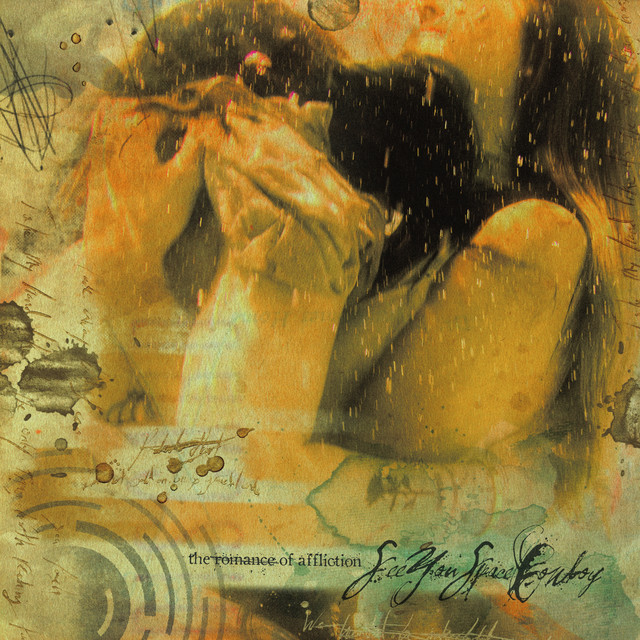
A late-2010s/2020s wave, led prominently by SeeYouSpaceCowboy..., revived and reframed sasscore’s hallmarks for a new generation, sharpening production, integrating modern metalcore breakdowns, and foregrounding openly queer narratives. The style’s legacy can be heard in swancore and other post-hardcore offshoots that balance technical fretwork with hooky, dance-touched momentum and dramatic vocal interplay.