Genres
Artists
Albums
Make Music
Sign in
Sign in
Artists
Choral
Artists
Choral
Urmas Sisask
1993–1994
·
2 albums
Listen
1
/5
Genres
Contemporary Classical
Contemporary classical is the broad field of Western art music created after World War II. It embraces an array of aesthetics—from serialism and indeterminacy to minimalism, spectralism, electroacoustic practices, and post‑tonal lyricism—while retaining a concern for notated composition and timbral innovation. Unlike the unified styles of earlier eras, contemporary classical is pluralistic. Composers freely mix acoustic and electronic sound, expand instrumental techniques, adopt non‑Western tuning and rhythm, and explore new forms, from process-based structures to open and graphic scores. The result is a music that can be rigorously complex or radically simple, technologically experimental or intimately acoustic, yet consistently focused on extending how musical time, timbre, and form can be shaped.
Discover
Listen
Baltic Classical
Baltic classical refers to the art‑music traditions of Estonia, Latvia, and Lithuania, whose composers fuse Western classical techniques with local folk modality, choral culture, and a distinct spiritual lyricism. The sound often balances clarity and austerity—bell‑like sonorities, modal harmonies, long-breathed melodies, and patient pacing—against dramatic, ritualistic structures. A robust choral tradition (rooted in Lutheran hymnody in Estonia and Latvia and Catholic liturgy in Lithuania, as well as Orthodox and folk practices across the region) shapes the idiom: massed choirs, vernacular languages, and modal chant inflections are common. In the later 20th century, Baltic composers embraced modernist, neoclassical, and minimalist techniques, frequently infusing them with sacred or nature-inspired imagery. The result is a recognizably Baltic palette—contemplative, luminous, and deeply connected to place—within the broader continuum of European classical music.
Discover
Listen
Baltic Classical Piano
Baltic classical piano refers to the concert and art‑music piano tradition that arose across Lithuania, Latvia, and Estonia and gradually formed a recognizable regional aesthetic. Stylistically, it blends late‑Romantic and early‑modern concert writing with indigenous folk modality (daina/regilaul traditions), clear melodic profiles, and a strong sense of landscape and stillness. In the 20th century it absorbed both impressionistic color and, later, austere spiritual minimalism, yielding piano music that can move from national‑romantic lyricism and dance inflections to bell‑like, meditative textures. The performance style prizes singing tone, carefully shaped voicing, transparent pedaling, and refined dynamic shading—often suggesting bells, chimes, wind, and sea imagery typical of the Baltic cultural imagination.
Discover
Listen
Chamber Choir
A chamber choir is a small, highly flexible choral ensemble—typically 12 to 40 voices—designed for intimate spaces and precision ensemble singing. The balance is often "one to a part" or light divisi within the SATB (soprano–alto–tenor–bass) framework, enabling remarkable clarity, blend, and contrapuntal transparency. Repertoire spans Renaissance polyphony and Baroque motets through Romantic part-songs and contemporary choral works. Performances are frequently a cappella, though chamber choirs also collaborate with organ, piano, period ensembles, or small chamber orchestras. Hallmarks include refined intonation (often favoring pure intervals), detailed text declamation, wide dynamic control, and a strong focus on timbral blend and diction.
Discover
Listen
Baltic Choir
Baltic choir refers to the distinctive choral sound and repertoire of Estonia, Latvia, and Lithuania. It blends centuries-old sacred and folk traditions with modern classical techniques, emphasizing purity of tuning, crystalline textures, and long-breathed melodic arches. The sound is typically bright yet transparent, often with straight-tone or modest vibrato, finely balanced divisi, and an ear for modal color, drones, and bell-like triads. Contemporary Baltic choral writing frequently juxtaposes chant-like lines with minimalistic patterning, evoking spacious, contemplative atmospheres that can swell into radiant climaxes.
Discover
Listen
Choral
Choral refers to music written for and performed by a choir—an ensemble of voices organized into sections such as soprano, alto, tenor, and bass (SATB), or same-voice groupings (SSA, TTBB). It encompasses both sacred and secular repertoire and may be sung a cappella or with accompaniment by organ, piano, or full orchestra. Stylistically, choral music ranges from chant-like monophony to intricate polyphony and rich homophonic textures. Texts are drawn from liturgy, scripture, poetry, and vernacular sources, and are set in many languages. Performance contexts include church services, concert halls, and community events, making choral one of the most socially embedded and widely practiced forms of ensemble music. Across history, choral music has served as a laboratory for vocal counterpoint, word painting, and text-driven form, while functioning as a cultural bridge among religious rites, national traditions, and contemporary concert practice.
Discover
Listen
Albums
1994
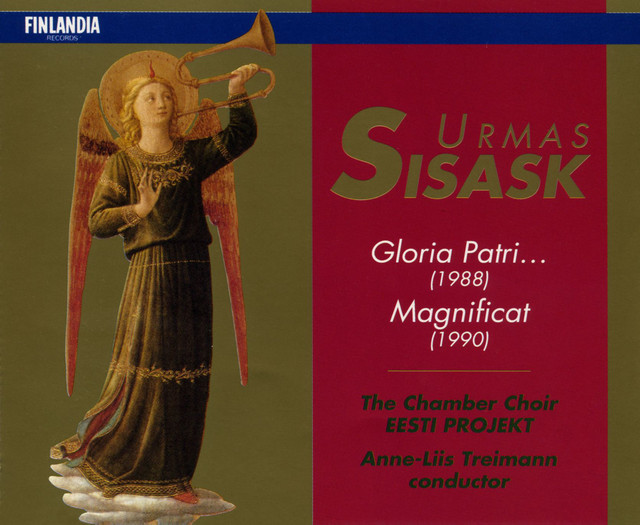
Urmas Sisask : Gloria Patri..., Magnificat
Urmas Sisask, The Chamber Choir Eesti Projekt, Anne-Liis Treimann
Baltic Classical
Chamber Choir
Baltic Choir
1993
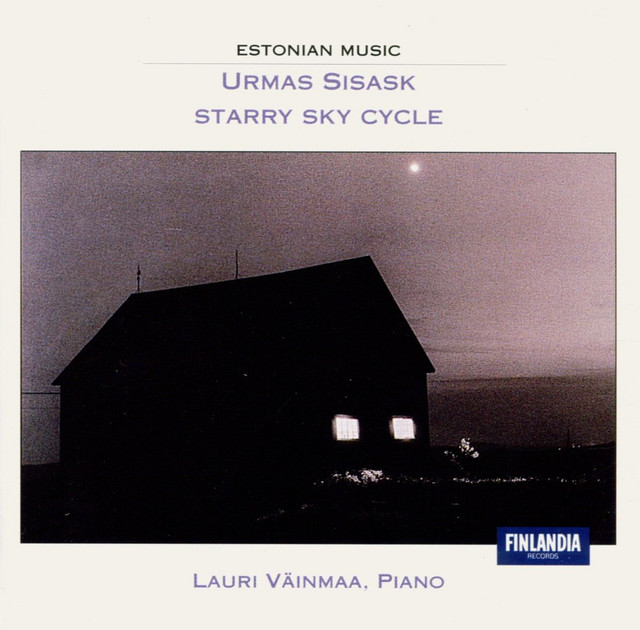
Sisask : Starry Sky Cycle
Urmas Sisask, Lauri Väinmaa
Baltic Classical Piano
Similar artists
2
/5
Estonian Philharmonic Chamber Choir
Choral
Minimalism
Holy Minimalism
2
/5
Elmer Iseler Singers
Choral
Chamber Choir
1
/5
Oslo Kammerkor
Choral
Traditional Folk
Chamber Choir
4
/5
Johann Sebastian Bach
Baroque
Classical
Baroque Suite
4
/5
Wolfgang Amadeus Mozart
Classical
Requiem
Classical Period
4
/5
Berliner Philharmoniker
Classical
Symphony
Romantic Classical
4
/5
Ludwig van Beethoven
Classical
Classical Period
Romantic Classical
4
/5
Tz da Coronel
Brazilian Trap
Brazilian Hip Hop
Trapfunk
4
/5
Herbert von Karajan
Classical
Symphonic Poem
Symphony
4
/5
Wiener Philharmoniker
Classical
Romantic Classical
Romanticism
Download our mobile app
Get the Melodigging app and start digging for new genres on the go
Download on the App Store
Get it on Google Play
© 2026 Melodigging
Give feedback
Legal
Melodding was created as a tribute to
Every Noise at Once
, which inspired us to help curious minds keep digging into music's ever-evolving genres.