Your digging level
Description
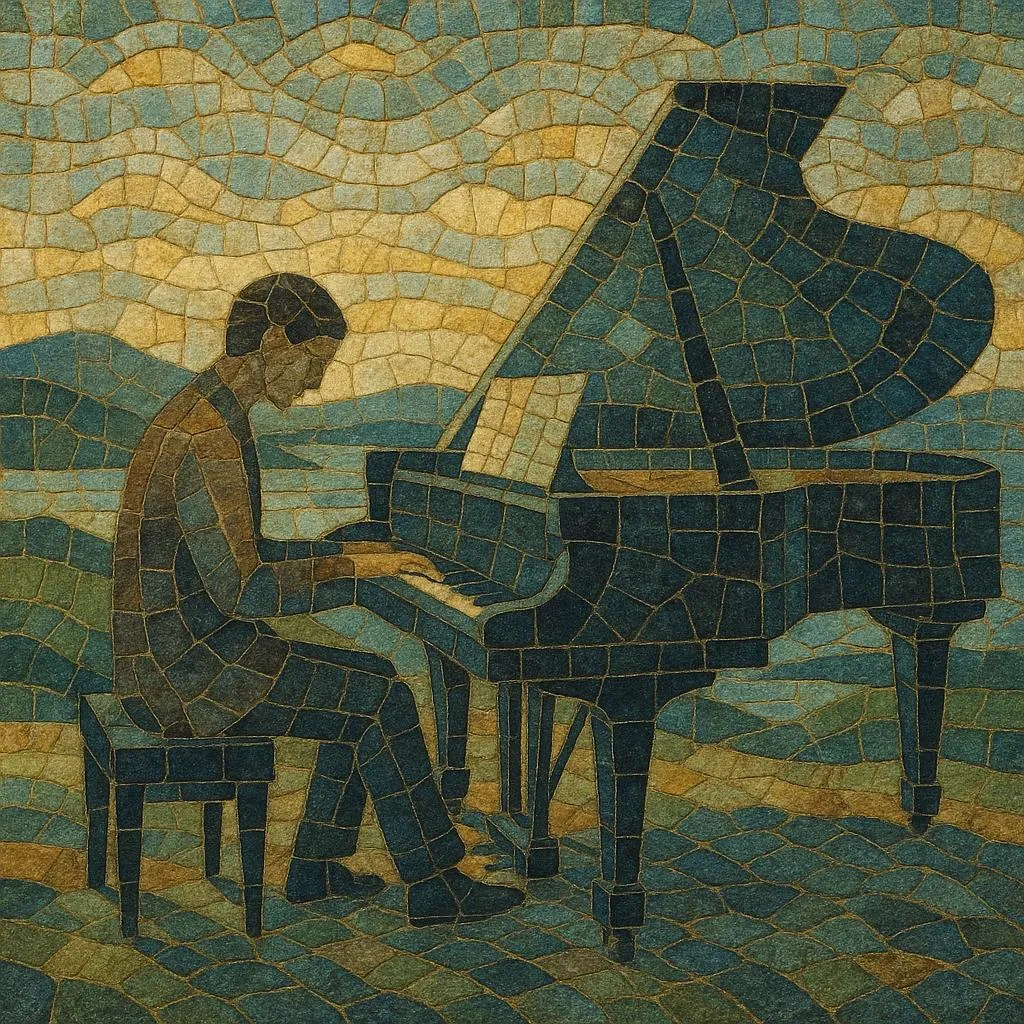
Baltic classical piano refers to the concert and art‑music piano tradition that arose across Lithuania, Latvia, and Estonia and gradually formed a recognizable regional aesthetic.
Stylistically, it blends late‑Romantic and early‑modern concert writing with indigenous folk modality (daina/regilaul traditions), clear melodic profiles, and a strong sense of landscape and stillness. In the 20th century it absorbed both impressionistic color and, later, austere spiritual minimalism, yielding piano music that can move from national‑romantic lyricism and dance inflections to bell‑like, meditative textures.
The performance style prizes singing tone, carefully shaped voicing, transparent pedaling, and refined dynamic shading—often suggesting bells, chimes, wind, and sea imagery typical of the Baltic cultural imagination.
History
With the Baltic national awakenings, conservatory training (often in Warsaw, St. Petersburg, and Leipzig) met local song traditions. Piano idioms by early figures in Lithuania, Latvia, and Estonia adopted Romantic pianism while weaving in folk modes, dance rhythms, and national themes. This period set the core dialect: melodically direct, harmonically rooted in late‑Romantic chromaticism yet colored by modal inflections.
After independence, the capitals established conservatories and professional orchestras, and a piano repertoire grew around national‑romantic and neoclassical currents. Composers crafted preludes, nocturnes, suites, and dances that balanced European forms with Baltic song heritage, while pianists cultivated a polished, cantabile tone and meticulous voicing.
Under Soviet rule, stylistic currents diversified: some composers explored impressionistic color and contrapuntal clarity; others turned toward modernist syntax within acceptable bounds. A profound turn came with spiritually tinged minimalism: sparse keyboard textures, bell‑like sonorities, and meditative pacing (later labeled “tintinnabuli” in the region). Pianists became important cultural emissaries, keeping the repertoire alive in concert halls and radio archives.
With restored independence, the Baltic piano scene internationalized. Festivals, archives, and recording projects revived early 20th‑century repertoire and supported new commissions. Contemporary composers continue to combine folk modality, neoclassical clarity, and post‑minimalist stillness, while performers project a signature sound world—luminous, restrained, and deeply lyrical—that has influenced post‑classical and neo‑classical scenes worldwide.