Genres
Artists
Albums
Make Music
Sign in
Sign in
Artists
Doom Metal
Artists
Doom Metal
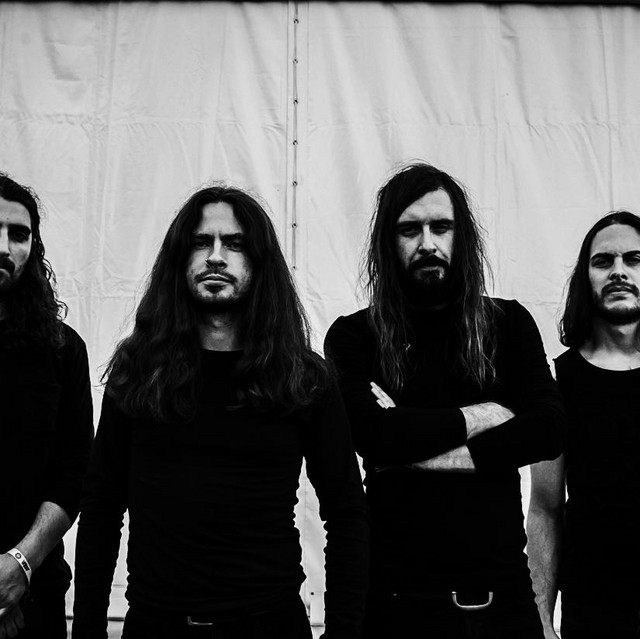
Uncle Acid & The Deadbeats
2010–2026
·
8 albums
Listen
3
/5
Genres
Soundclown
Soundclown is an internet-born remix and mashup style that thrives on comedic juxtaposition, bait‑and‑switch reveals, and hyper-referential sample collage. It blends pop hits, game and cartoon music, ad jingles, meme sounds, and viral speech into quick-cut audio gags. The genre developed across YouTube and SoundCloud, favoring shock humor, nostalgia, and absurdity over traditional song form. Hallmarks include sudden key/tempo whiplash, exaggerated pitch-shifts, ear‑rending “earrape” peaks, and punchline drops that transform a familiar source into something hilariously incongruent. Because it is fundamentally platform-native, soundclown is as much a memetic editing culture as a musical style. Its tracks often function like sonic shitposts: fast, punchy, and built for instant recognition and shareability.
Discover
Listen
Stoner Metal
Stoner metal is a heavy, riff-centered offshoot of doom metal that fuses the low-and-slow weight of early Sabbath with the hazy psychedelia and fuzz-drenched tones of 1970s hard rock. It emphasizes down-tuned guitars, thick midrange, and hypnotic, groove-forward drumming, often evoking a desert-heat mirage of sustained riffs and feedback. Compared to stoner rock, stoner metal leans darker and heavier, with a doomier pulse, longer song structures, and an almost trance-like fixation on repetition. Lyrics frequently explore cosmic wanderlust, occult imagery, apocalyptic visions, and cannabis counterculture, while production tends to favor warm, analog saturation and room-heavy drum sounds.
Discover
Listen
Drone Metal
Drone metal (often called drone doom) is an extreme, minimalist offshoot of doom metal that centers on sustained tones, monumental volume, and glacial tempos. Rather than relying on riffs or conventional grooves, it foregrounds long, vibrating chords, amplifier feedback, and the physical presence of sound itself. Its textures are typically cavernous and monochromatic, with guitars tuned very low, notes held for extended durations, and percussion either sparse or entirely absent. Vocals—if present—range from ritualistic chants to guttural growls or distant murmurs, often treated as another layer of texture rather than a narrative lead. The result is immersive and meditative, yet crushing: a music of weight, space, and resonance that emphasizes timbre and decay over melody and rhythm.
Discover
Listen
Stoner Rock
Stoner rock is a heavy, riff‑centric style that blends the weight and doom of early heavy metal with the groove and expansive jams of late‑60s/70s psychedelic and acid rock. It is marked by fuzz‑drenched, down‑tuned guitars, thick bass tones, and relaxed but powerful mid‑tempo grooves. Songs often emphasize hypnotic, repetitive riffs; extended instrumental passages; and a warm, vintage analog sound. Vocals tend to be laid‑back or gritty rather than operatic, and lyrical themes commonly explore the desert, space, altered states, mythology, and countercultural imagery. The overall vibe is earthy and immersive—equal parts head‑nodding groove, psychedelic haze, and Sabbath‑born heaviness.
Discover
Listen
Traditional Doom Metal
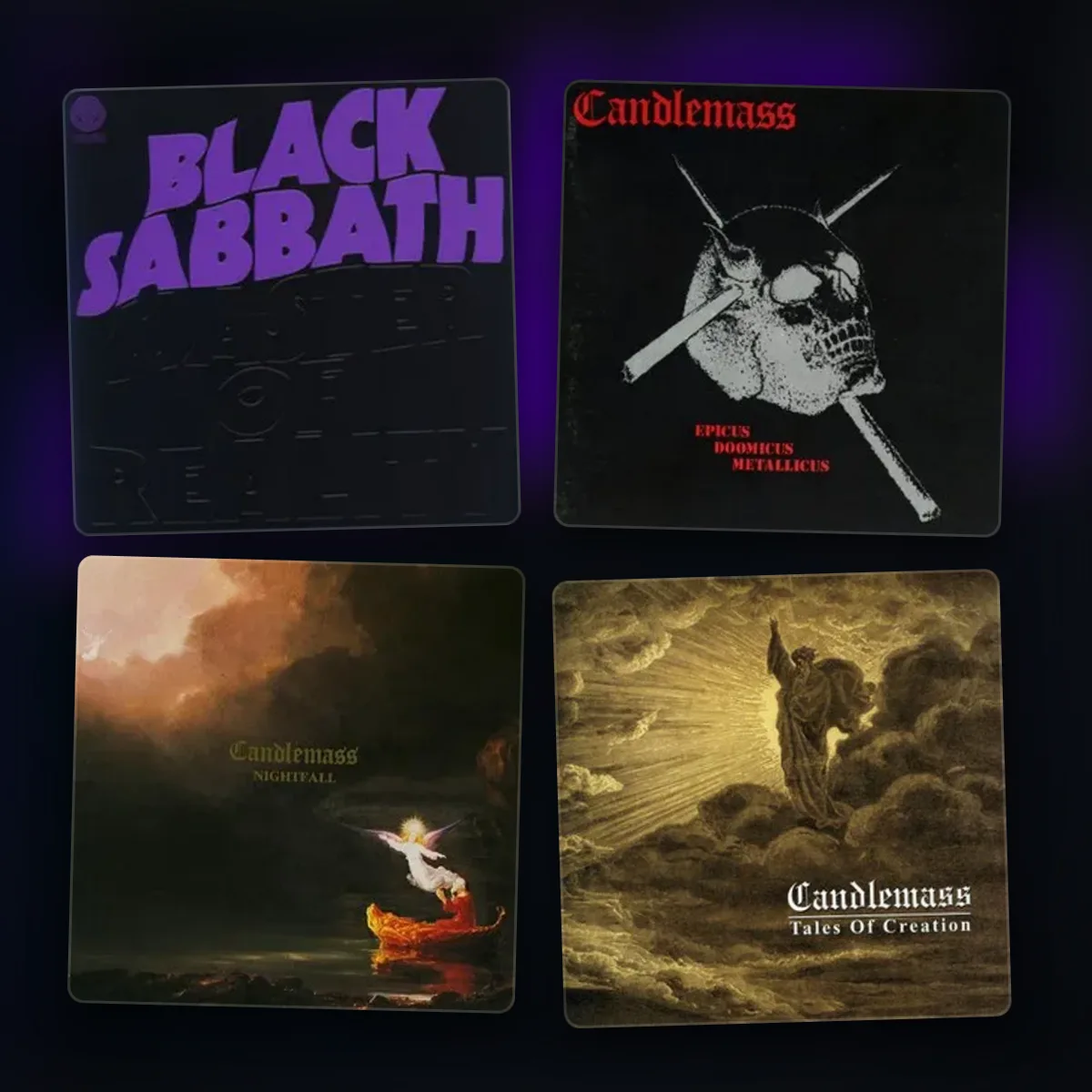
Traditional doom metal is the classic, Sabbath-rooted branch of doom that emphasizes weight, atmosphere, and repetition over speed or technical display. Its signatures are a monotonous and heavy playing style; repetitive, rough, and sometimes atonal guitar riffs; a "rocking to sleep" bass that locks to the guitar; and an unhurried, often swung or lurching drum feel. The harmony leans on minor pentatonic and Aeolian modes, with frequent tritone (flat‑5) colors and bluesy bends, drawing clear influence from both Blues Rock and Psychedelic Rock. Vocals are typically clean, plaintive, and dramatic—ranging from haunted croons to wailing laments—paired with lyrics about dread, mortality, esotericism, and the occult. Production tends to chase vintage warmth: tube amps, saturated fuzz, roomy drums, and organic reverb to let slow riffs breathe and brood.
Discover
Listen
Sludge Metal
Sludge metal is a hybrid of doom metal’s slow, downtuned weight and hardcore punk’s raw aggression. It emphasizes thick, overdriven guitar tones, throttling bass, and drums that lurch between trudging slow-motion grooves and ragged mid‑tempo blasts. Vocals are typically screamed, barked, or anguished, often buried slightly in the mix to feel abrasive and cathartic. The style took shape in the late 1980s United States—particularly the Pacific Northwest and the American South—where bands fused Sabbath‑like doom riffs with the DIY harshness of hardcore and the scabrous textures of noise rock. Lyrical themes commonly explore addiction, despair, social decay, and Southern Gothic imagery, delivered with an intentionally gritty, unvarnished production aesthetic.
Discover
Listen
Doom Metal
Doom metal is a heavy metal subgenre defined by slow to mid-tempo grooves, down-tuned, highly distorted guitars, and an atmosphere of dread, melancholy, and weight. It emphasizes ominous, minor-key riffs and sustained tones over speed or virtuosity, creating a crushing sense of space and inevitability. Vocals range from plaintive and theatrical (epic/traditional doom) to anguished wails or harsh growls (death-doom), and lyrics often explore themes of suffering, mortality, the occult, apocalyptic visions, and existential despair. Song structures are typically riff-centric and long-form, with repetition and gradual dynamic shifts producing a hypnotic, ritualistic feel.
Discover
Listen
Heavy Metal
Heavy metal is a loud, guitar-driven style of rock defined by heavily distorted riffs, thunderous drums, and powerful vocals. Its musical language emphasizes minor modes, modal (Aeolian, Phrygian) riffing, and energy over groove, often featuring virtuosic guitar solos and dramatic dynamic contrasts. Emerging from late-1960s blues rock and psychedelic experimentation, heavy metal codified a darker, heavier sound with bands like Black Sabbath, Deep Purple, and Led Zeppelin. The genre values weight, intensity, and grandeur—whether through plodding, doom-laden tempos or galloping, high-energy rhythms—paired with themes that range from personal struggle and social critique to fantasy, mythology, and the occult.
Discover
Listen
Occult Rock
Occult rock is a dark, vintage-leaning strain of hard and psychedelic rock that centers on esoteric, witchcraft, and ceremonial themes. It pairs heavy, riff-led songwriting with theatrical vocals and ritualistic imagery—candles, robes, sigils—evoking a sense of mystery and forbidden knowledge. Musically it draws on late-1960s/early-1970s hard rock and acid-drenched psychedelia: overdriven guitars, warm tube tones, analog organs (Hammond, Mellotron), fuzz bass, and dry, punchy drums. Songs are typically mid‑tempo, minor‑key, and hooky, favoring modal turns (Aeolian, Phrygian) and occasional tritone or chromatic color to heighten the ominous atmosphere. Lyrically, it references grimoires, folklore, and occult philosophy, often balancing narrative storytelling with chant-like choruses. Modern revivals preserve the 70s aesthetic—tape-saturated mixes and retro gear—while refining arrangements and production for contemporary audiences.
Discover
Listen
Metal
Metal (often used to mean heavy metal in its broad, umbrella sense) is a loud, guitar-driven style of rock defined by high-gain distortion, emphatic and often martial rhythms, and a dense, powerful low end. It foregrounds riff-based songwriting, dramatic dynamics, virtuosic guitar solos, and commanding vocals that range from melodic wails to aggressive snarls and growls. Harmonically, metal favors minor modes, modal color (Aeolian, Phrygian), chromaticism, and tritone-inflected tension, while thematically it explores power, mythology, the occult, social critique, fantasy, and existential subjects. While adjacent to hard rock, metal typically pushes amplification, distortion, precision, and thematic intensity further, forming a foundation for many specialized subgenres.
Discover
Listen
Psychedelic Rock
Psychedelic rock is a style of rock music that seeks to evoke, simulate, and expand altered states of consciousness through sound. It typically features timbral experimentation (fuzz, wah, tape delay, phasing), drones, modal or raga-influenced harmony, extended improvisation, studio-as-instrument production, and surreal, mystical, or mind-expanding lyrics. Emerging from mid-1960s counterculture, it fused garage-band energy with folk, blues, and non-Western musical ideas—especially Indian classical ragas—while embracing new studio technologies and concert light shows. Both a live and a studio art, psychedelic rock ranges from jangly, kaleidoscopic pop to heavy, hypnotic jams and cosmic soundscapes.
Discover
Listen
Acid Rock
Acid rock is a heavier, louder, and more improvisation-driven branch of psychedelic rock that emerged in the mid-to-late 1960s. It is characterized by extended guitar solos, distorted and feedback-laden textures, modal or drone-based harmony, and a strong emphasis on trance-inducing grooves. The style was closely tied to the counterculture and LSD-fueled happenings of the era, particularly on the U.S. West Coast. Musically, it blends blues-rock’s grit, garage rock’s raw energy, folk-rock’s modal harmonies, and raga-influenced drones, then amplifies everything—volume, duration, and intensity—into hypnotic, often explosive performances.
Discover
Listen
Heavy Psych
Heavy psych is a louder, denser offshoot of late‑1960s psychedelic rock characterized by fuzz‑soaked guitar tones, wah‑drenched solos, thunderous drums, and a visceral low‑end. It takes the exploratory jams and mind‑bending studio tricks of psychedelia and pushes them toward proto‑metal weight and volume. Musically, it leans on blues‑based riffs, pentatonic and modal improvisation (especially Dorian and Mixolydian), droning vamps, and feedback‑saturated climaxes. Production often favors analog saturation, tape echo, phasing, and other period effects that magnify a sense of heady, cosmic intensity. The result is a sound that bridges psychedelic freedom and hard rock punch—music that feels both trippy and physically overwhelming, laying essential groundwork for heavy metal, stoner rock/metal, doom, and space rock.
Discover
Listen
Space Rock
Space rock is a psychedelic branch of rock characterized by long-form, hypnotic grooves, swirling guitars awash in delay and reverb, and prominent analog synthesizers that evoke cosmic or interstellar imagery. The music often emphasizes texture and atmosphere over conventional song structures, creating expansive soundscapes that feel weightless and otherworldly. Emerging in late-1960s Britain from the overlap of psychedelic rock, early progressive rock, and experimental electronics, space rock frequently employs motorik-leaning rhythms, modal or drone-based harmony, and science-fiction themes. Extended improvisations, phased and fuzz-drenched timbres, and tape or echo effects are common, encouraging a sense of forward drift and cosmic exploration.
Discover
Listen
Rock
Rock is a broad family of popular music centered on amplified instruments, a strong backbeat, and song forms that foreground riffs, choruses, and anthemic hooks. Emerging from mid‑20th‑century American styles like rhythm & blues, country, and gospel-inflected rock and roll, rock quickly expanded in scope—absorbing folk, blues, and psychedelic ideas—while shaping global youth culture. Core sonic markers include electric guitar (often overdriven), electric bass, drum kit emphasizing beats 2 and 4, and emotive lead vocals. Rock songs commonly use verse–chorus structures, blues-derived harmony, and memorable melodic motifs, ranging from intimate ballads to high‑energy, stadium‑sized performances.
Discover
Listen
Production Music
Production music (also called library or stock music) is music created specifically for licensing in film, television, radio, advertising, games, and online media rather than for retail release. It is organized in catalogues by mood, style, tempo, and usage, making it quick for editors and producers to find suitable cues. Stylistically, production music is highly diverse. It spans orchestral and light music traditions, jazz, lounge, rock, funk, and contemporary electronic idioms, but is unified by functional design: clear edit points, modular structure, alternate mixes, and versions tailored to typical broadcast durations. Successful cues balance memorability with unobtrusiveness so they can support narrative, voice-over, and sound design without distracting from them.
Discover
Listen
Soundtrack
Soundtrack is music created to accompany and enhance visual media such as film, television, and video games. It includes original scores (instrumental or vocal music composed specifically for the picture) and, at times, curated compilations of pre-existing songs. Stylistically, soundtrack is a meta-genre that can encompass orchestral symphonic writing, jazz, electronic and synth-driven textures, choral forces, popular song, and experimental sound design. Its defining trait is functional storytelling: themes, motifs, harmony, rhythm, and timbre are shaped by narrative needs, character psychology, pacing, and editing. Common features include leitmotifs for characters or ideas, modular cues that can be edited to picture, dynamic orchestration for dramatic range, and production approaches that sit well under dialogue and sound effects. Because it must synchronize to picture, soundtrack often uses clear dramatic arcs, tempo maps, and hit points.
Discover
Listen
Show all 17 genres
Albums
2026
Shapes of Midnight
Uncle Acid and the deadbeats
Heavy Psych
Occult Rock
Traditional Doom Metal
2024
Nell’ ora blu
Uncle Acid & The Deadbeats
Production Music
Psychedelic Rock
Soundtrack
2018
Wasteland
Uncle Acid & The Deadbeats
Doom Metal
Metal
Psychedelic Rock
2015
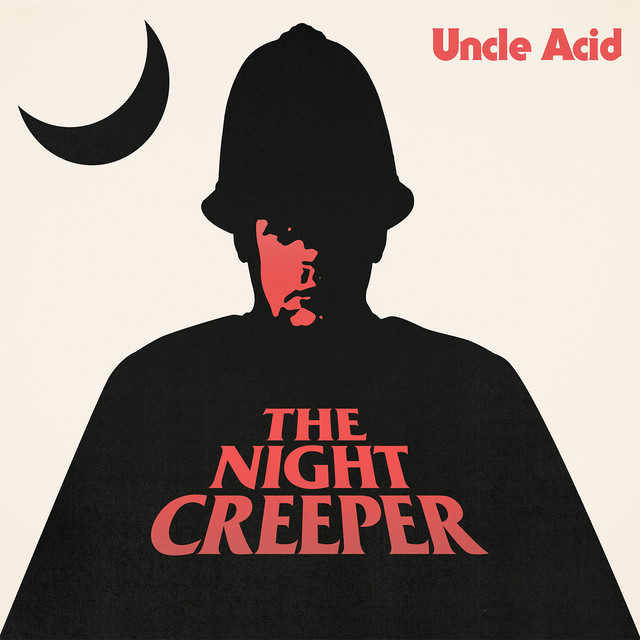
The Night Creeper
Uncle Acid & The Deadbeats
Doom Metal
Heavy Metal
Psychedelic Rock
2013
Mind Control
Uncle Acid & The Deadbeats
Acid Rock
Psychedelic Rock
Stoner Metal
2012
3
/5
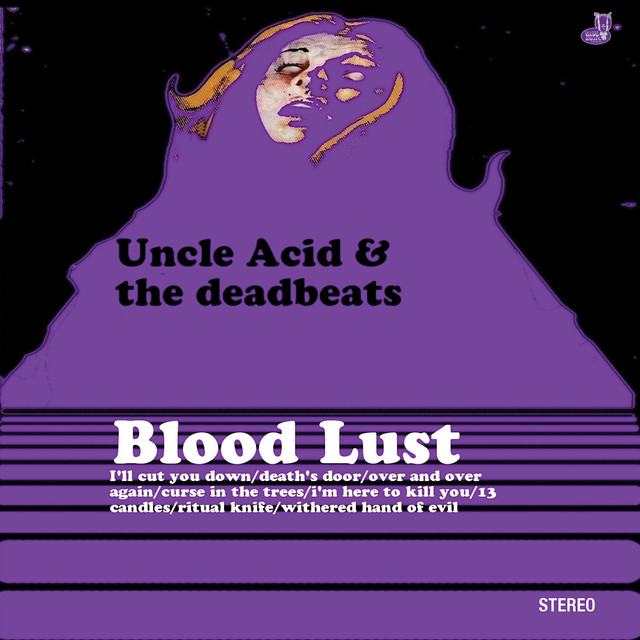
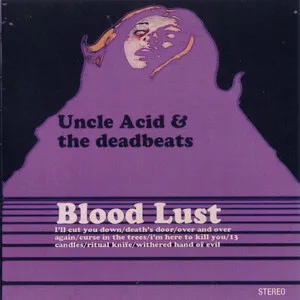
Blood Lust
Uncle Acid & The Deadbeats
Heavy Psych
Traditional Doom Metal
2011
2
/5
Blood Lust
Uncle Acid & The Deadbeats
Occult Rock
Doom Metal
Heavy Psych
2010
1
/5
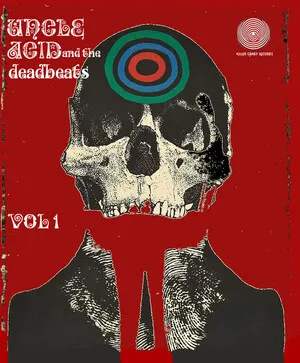
Vol 1
Uncle Acid and The Deadbeats
Occult Rock
Heavy Metal
Psychedelic Rock
Similar artists
2
/5
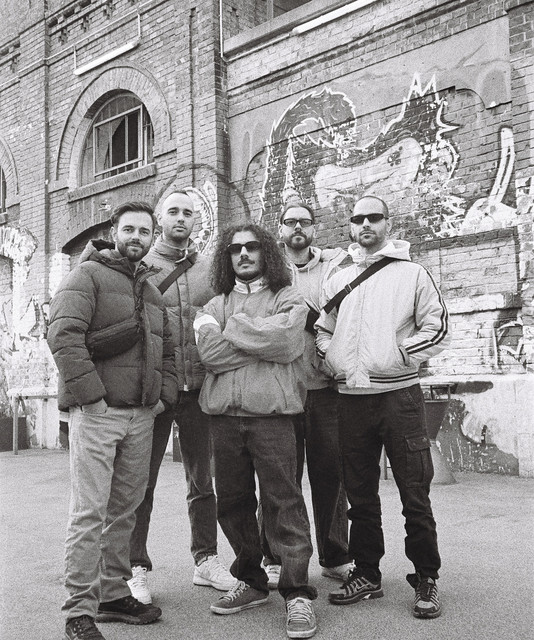
Naxatras
Heavy Psych
Instrumental Stoner Rock
Stoner Rock
3
/5
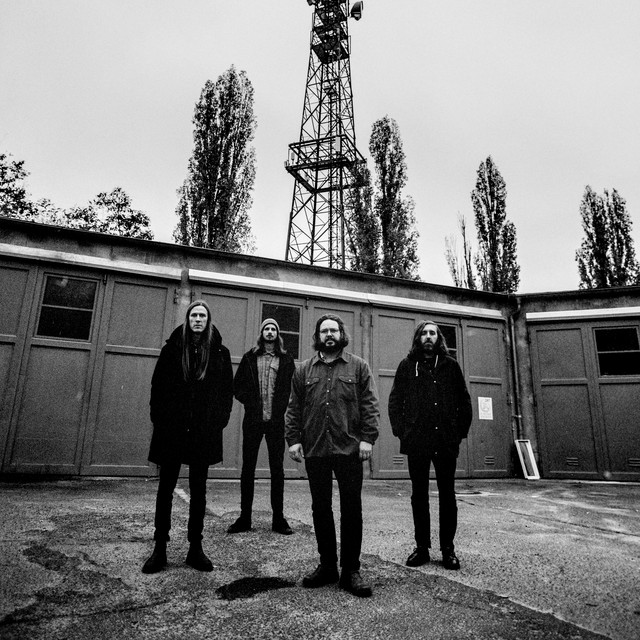
Elder
Progressive Doom
Stoner Metal
Stoner Rock
2
/5
Samsara Blues Experiment
Heavy Psych
Acid Rock
Doom Metal
2
/5
Earthless
Stoner Rock
Psychedelic Doom
Instrumental Stoner Rock
2
/5
Sir Lord Baltimore
Acid Rock
Doom Metal
Stoner Metal
2
/5
OM
Drone Rock
Stoner Rock
Doom Metal
3
/5
Witchcraft
Doom Metal
Stoner Rock
Occult Rock
2
/5
Blood Ceremony
Stoner Rock
Doom Metal
Gaian Doom
1
/5
Rainbows Are Free
Heavy Psych
Doom Metal
Retro Metal
1
/5
The Human Beast
Acid Rock
Stoner Metal
Stoner Rock
Download our mobile app
Get the Melodigging app and start digging for new genres on the go
Download on the App Store
Get it on Google Play
© 2026 Melodigging
Give feedback
Legal
Melodding was created as a tribute to
Every Noise at Once
, which inspired us to help curious minds keep digging into music's ever-evolving genres.